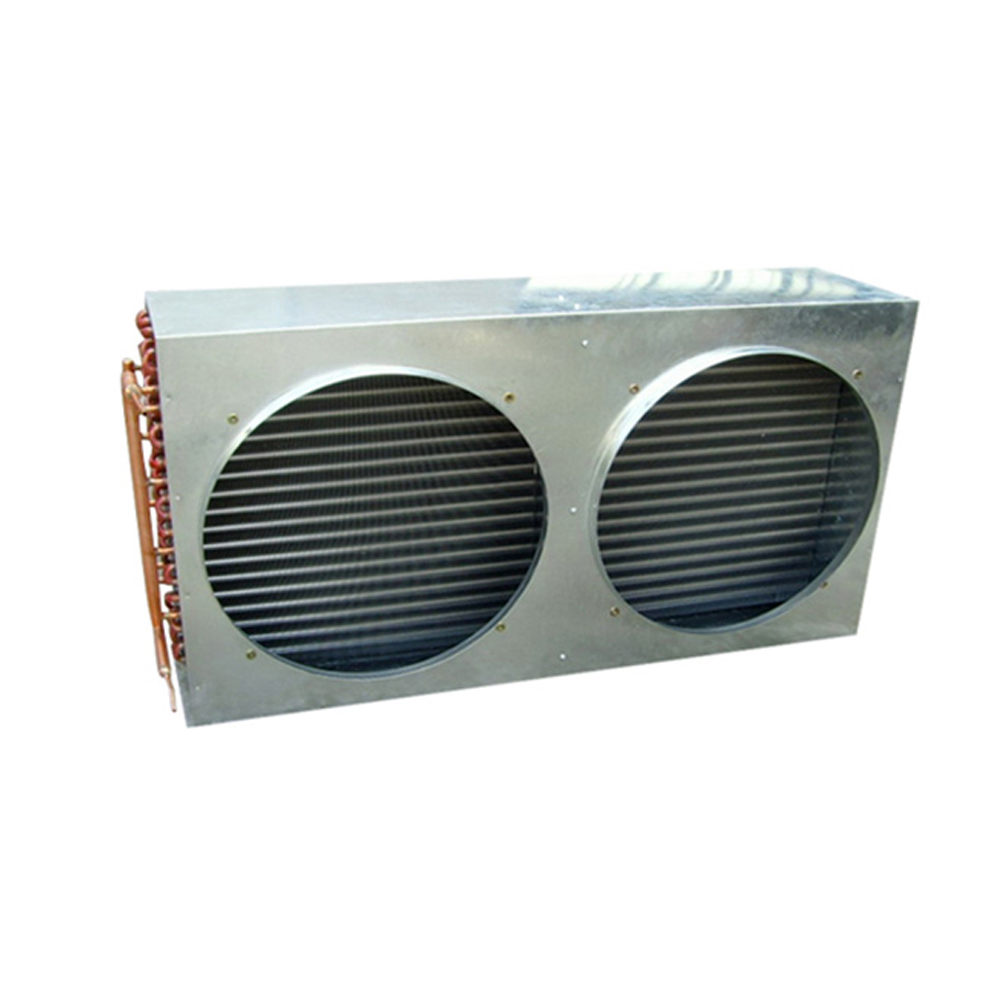
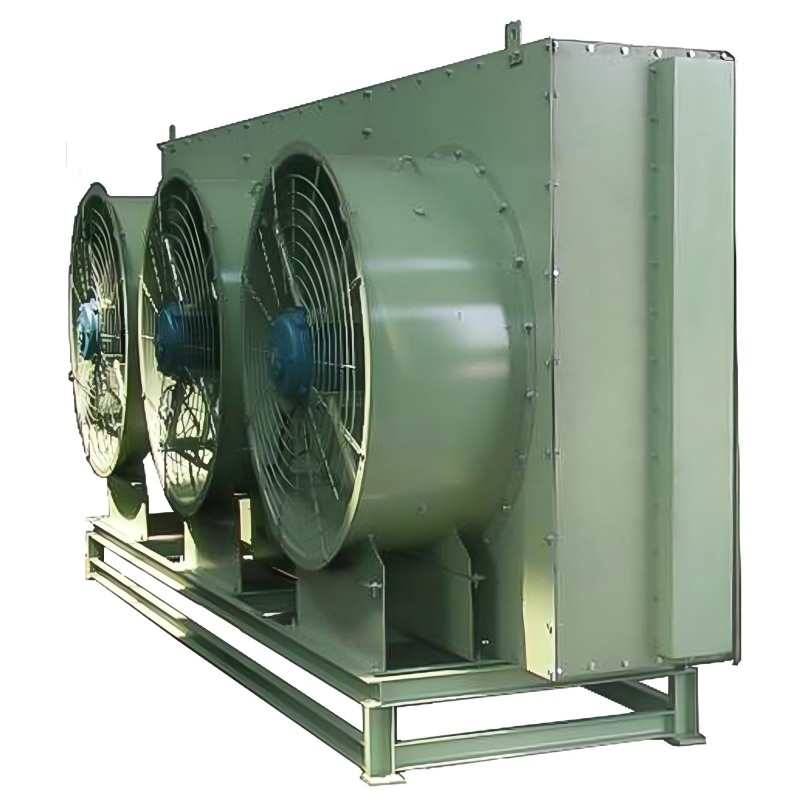
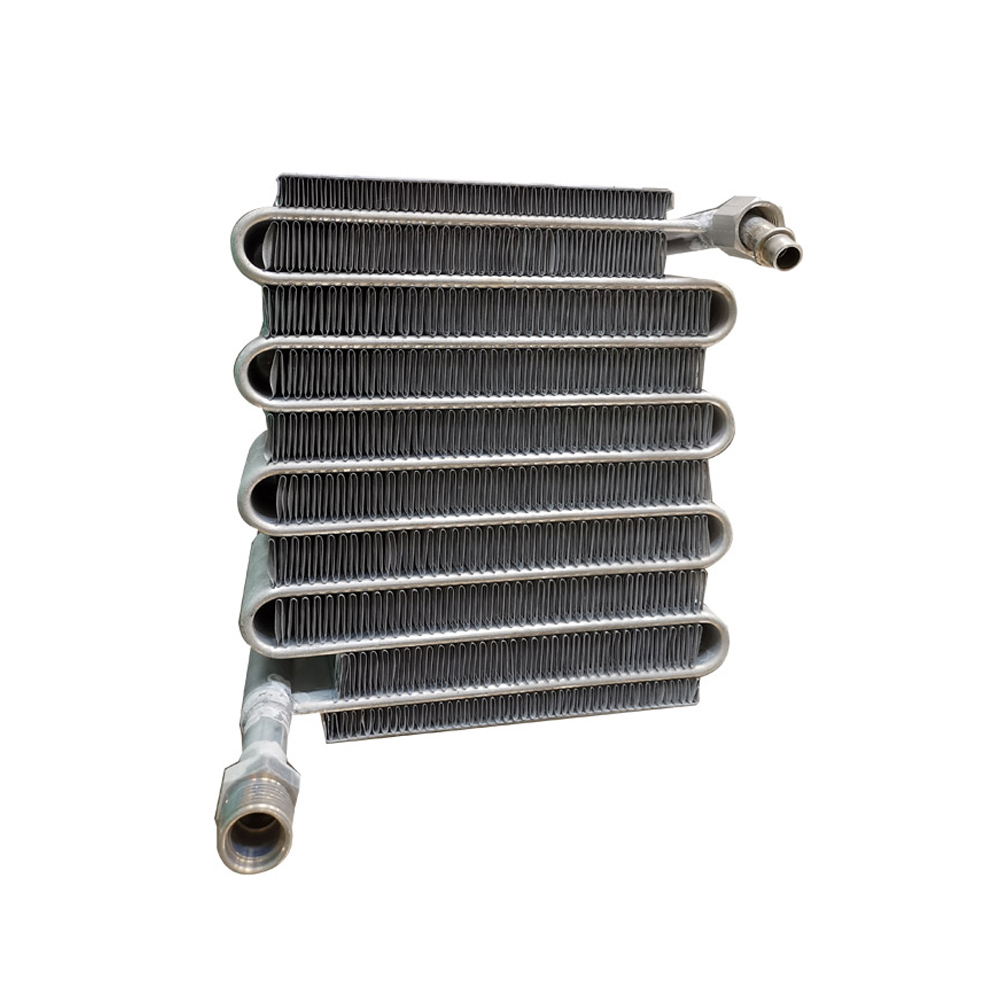
เครื่องแลกเปลี่ยนความร้อนด้วยอากาศกำลังพัฒนาอย่างรวดเร็วด้วยเทคโนโลยีและการใช้งานใหม่ๆ ที่เกิดขึ้นในอุตสาหกรรมต่างๆ ระบบเหล่านี้มีความสำคัญอย่างยิ่งต่อการกระจายความร้อนอย่างมีประสิทธิภาพ โดยเฉพาะอย่างยิ่งในพื้นที่ที่การขาดแคลนน้ำทำให้วิธีการทำความเย็นแบบดั้งเดิมไม่สามารถทำได้ การอัปเดตเทรนด์อาจเป็นเรื่องที่ท้าทาย แต่เป็นสิ่งสำคัญสำหรับทุกคนที่เกี่ยวข้องในสาขานี้
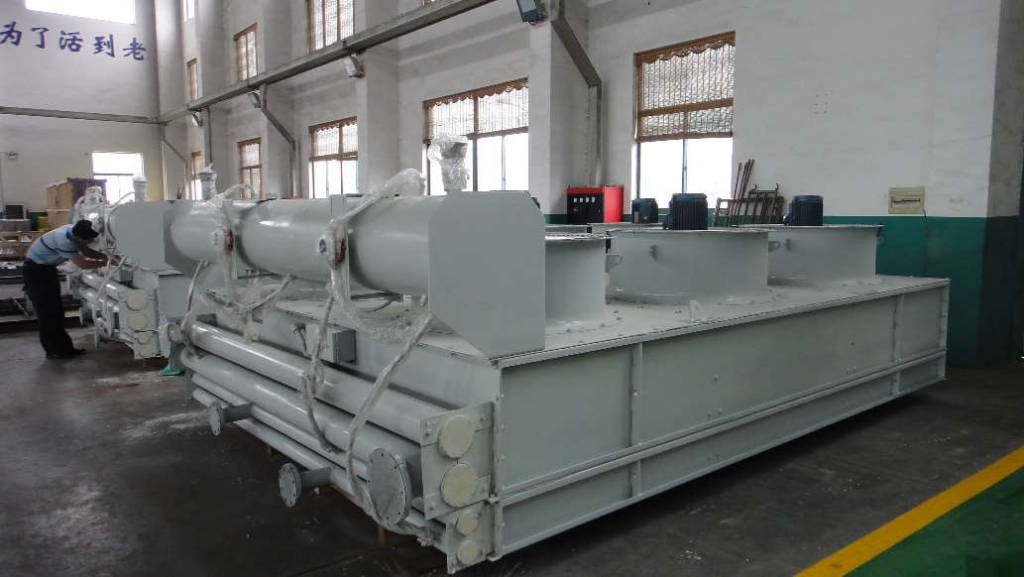
การทำความเข้าใจพื้นฐาน: ยกเครื่องประสิทธิภาพ
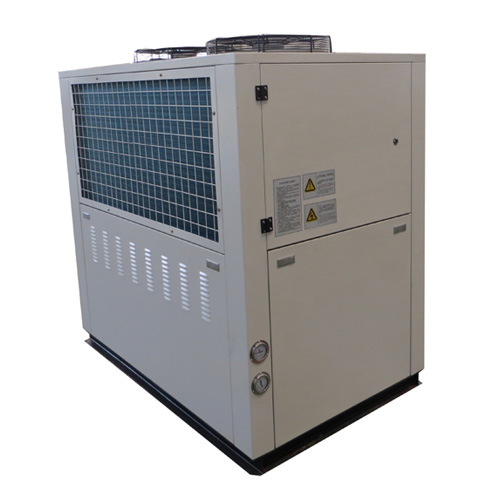
มีการผลักดันที่สำคัญในการเพิ่มประสิทธิภาพใน เครื่องแลกเปลี่ยนความร้อนด้วยอากาศ. ปัจจุบันบริษัทต่างๆ จำนวนมากมุ่งเน้นไปที่การปรับปรุงการออกแบบที่ลดการใช้พลังงานให้เหลือน้อยที่สุด ในขณะเดียวกันก็เพิ่มประสิทธิภาพการทำความเย็นให้สูงสุด เป้าหมายไม่ได้เป็นเพียงการเพิ่มขึ้นเท่านั้น แต่ยังเป็นการเปลี่ยนแปลงอย่างมากในการจัดการการถ่ายเทความร้อน หลุมพรางประการหนึ่งที่ฉันมักจะสังเกตเห็นคือการประเมินสภาพแวดล้อมต่ำเกินไป บ่อยครั้งที่การออกแบบไม่ได้คำนึงถึงตัวแปรด้านสิ่งแวดล้อมในท้องถิ่นอย่างสมบูรณ์
ตัวอย่างเช่น ที่ Shanghai SHENGLIN M&E Technology Co.,Ltd พวกเขาได้ปรับการจัดเรียงท่อครีบให้เหมาะสมเพื่อรองรับกระแสลมที่แปรผันได้ดีขึ้น ซึ่งเป็นการปรับแต่งที่ละเอียดอ่อนแต่มีประสิทธิภาพ การปรับสมดุลของการไหลและการไล่ระดับอุณหภูมิอย่างรอบคอบทำให้ประหยัดพลังงานได้อย่างเห็นได้ชัด ข้อมูลเชิงลึกเช่นนี้เกิดขึ้นจากการใช้งานจริงอย่างต่อเนื่อง ซึ่งขับเคลื่อนความก้าวหน้าอย่างแท้จริงในวิธีการออกแบบ
มีการมุ่งเน้นเพิ่มเติมไปที่นวัตกรรมวัสดุ ซึ่งนำไปสู่การใช้โลหะและคอมโพสิตที่เบาและทนทานมากขึ้น วิวัฒนาการนี้ส่งผลโดยตรงต่อวงจรการบำรุงรักษา ซึ่งเป็นข้อพิจารณาที่สำคัญสำหรับการดำเนินงานที่ความน่าเชื่อถือในระยะยาวสามารถสร้างหรือทำลายความสำเร็จของโครงการได้
บูรณาการทางดิจิทัล: วิวัฒนาการอันชาญฉลาด
การบูรณาการเทคโนโลยีดิจิทัลเข้าไว้ด้วยกัน เทคโนโลยีการทำความเย็นทางอุตสาหกรรม เป็นผู้เปลี่ยนเกม ระบบควบคุมอัจฉริยะและจอภาพที่ใช้ IoT ช่วยให้สามารถติดตามประสิทธิภาพของระบบแบบเรียลไทม์และการแจ้งเตือนการบำรุงรักษาเชิงคาดการณ์ ที่ SHENGLIN พวกเขากำลังสำรวจการวิเคราะห์ข้อมูลบนคลาวด์เพื่อเสนอตัวเลือกการควบคุมที่ปรับเปลี่ยนได้มากขึ้น โดยปรับพารามิเตอร์ตามความต้องการในการดำเนินงานที่ผันผวน
ข้อได้เปรียบที่สำคัญประการหนึ่งของการรวมระบบดิจิทัลนี้คือความสามารถในการดำเนินการวินิจฉัยระยะไกล ซึ่งช่วยลดเวลาหยุดทำงานได้อย่างมีประสิทธิภาพ บอกตามตรงว่าไม่มีใครอยากให้หยุดการผลิตโดยไม่คาดคิด และการวิเคราะห์เชิงคาดการณ์จะช่วยแก้ไขปัญหาที่อาจเกิดขึ้นได้ในพริบตา อย่างไรก็ตาม ความซับซ้อนและต้นทุนของระบบเหล่านี้สามารถขัดขวางผู้ปฏิบัติงานบางรายได้ โดยเฉพาะเสื้อผ้าขนาดเล็กและมีงบประมาณจำกัด
แม้จะมีอุปสรรคเหล่านี้ ศักยภาพในการเพิ่มประสิทธิภาพและค่าบำรุงรักษาที่ลดลงยังคงเป็นสิ่งล่อใจที่มีประสิทธิภาพ เนื่องจากบริษัทต่างๆ จำนวนมากตระหนักดีว่าการลงทุนทางดิจิทัลล่วงหน้าสามารถนำไปสู่การประหยัดในระยะยาวได้
การปรับแต่งและการออกแบบโมดูลาร์
แนวโน้มอีกประการหนึ่งที่กำลังเกิดขึ้นคือการเปลี่ยนไปสู่การปรับแต่งและการแยกส่วน หมดยุคของโซลูชันที่มีขนาดเดียวสำหรับทุกคนแล้ว เครื่องแลกเปลี่ยนระบายความร้อนด้วยอากาศสมัยใหม่ได้รับการปรับแต่งให้เหมาะกับความต้องการของลูกค้าโดยเฉพาะมากขึ้นเรื่อยๆ โดยปรับให้เข้ากับข้อกำหนดด้านสิ่งแวดล้อมและอุตสาหกรรมที่เป็นเอกลักษณ์ แนวโน้มนี้สนับสนุนการออกแบบโมดูลาร์ที่สามารถปรับขนาดหรือปรับเปลี่ยนได้ตามความต้องการในการปฏิบัติงานที่เปลี่ยนแปลง
ฉันได้เห็นโดยตรงแล้วว่า Shanghai SHENGLIN M&E Technology Co.,Ltd นำแนวคิดเหล่านี้ไปใช้อย่างไร ด้วยการเสนอระบบโมดูลาร์ ระบบเหล่านี้จึงให้ความยืดหยุ่นในการขยายหรือดัดแปลง ซึ่งเป็นคุณลักษณะที่สำคัญสำหรับอุตสาหกรรมที่ตัวแปรในการปฏิบัติงานอาจเปลี่ยนแปลงโดยไม่คาดคิด ในบางภาคส่วน การปรับตัวนี้ไม่เพียงแต่เป็นประโยชน์เท่านั้น แต่ยังจำเป็นอีกด้วย
อย่างไรก็ตาม การปรับแต่งเองอาจทำให้เกิดความซับซ้อนในการออกแบบและการปรับใช้ ซึ่งจำเป็นต้องมีความสมดุลที่ละเอียดอ่อนเพื่อให้แน่ใจว่าโซลูชันที่ออกแบบตามความต้องการจะไม่กลายเป็นภาระ การแลกเปลี่ยนระหว่างความยืดหยุ่นและความเรียบง่ายคือการต้องเล่นกลอย่างต่อเนื่องในพื้นที่นี้
ความยั่งยืนและผลกระทบต่อสิ่งแวดล้อม
ข้อพิจารณาด้านสิ่งแวดล้อมถือเป็นประเด็นสำคัญในการอภิปรายในอุตสาหกรรม ด้วยแรงกดดันด้านกฎระเบียบที่เพิ่มขึ้นและการผลักดันทางสังคมในวงกว้างไปสู่ความยั่งยืน การออกแบบเครื่องแลกเปลี่ยนความร้อนด้วยอากาศจึงกำลังปรับตัวให้เป็นมิตรกับสิ่งแวดล้อมมากขึ้น ซึ่งหมายความว่าไม่เพียงแต่ปรับปรุงประสิทธิภาพการใช้พลังงานเท่านั้น แต่ยังรวมถึงการสำรวจวัสดุที่ยั่งยืนและเทคนิคการก่อสร้างอีกด้วย
ที่ SHENGLIN แนวปฏิบัติที่ยั่งยืนถูกรวมเข้าไว้ด้วยการจัดลำดับความสำคัญของการรีไซเคิลและลดการปล่อยก๊าซคาร์บอนไดออกไซด์ ซึ่งเป็นแนวโน้มที่สอดคล้องกับความคิดริเริ่มระดับโลกสำหรับกระบวนการทางอุตสาหกรรมที่สะอาดขึ้น อย่างไรก็ตาม วิธีการนี้อาจเผชิญกับอุปสรรคในช่วงแรกเนื่องจากผลกระทบด้านต้นทุนหรือข้อจำกัดในการจัดหาวัสดุ ซึ่งเป็นความจริงที่บางครั้งอาจทำให้ความกระตือรือร้นในการแก้ปัญหาสีเขียวลดลง
อย่างไรก็ตาม อุตสาหกรรมกำลังค่อยๆ เคลื่อนไปในทิศทางที่ถูกต้อง เนื่องจากธุรกิจต่างๆ จำนวนมากเข้าใจถึงประโยชน์ระยะยาวของการนำแนวทางปฏิบัติที่คำนึงถึงสิ่งแวดล้อมมาใช้ สิ่งสำคัญอยู่ที่ขั้นตอนที่เพิ่มขึ้นซึ่งสร้างผลกระทบแบบทบต้นเมื่อเวลาผ่านไป
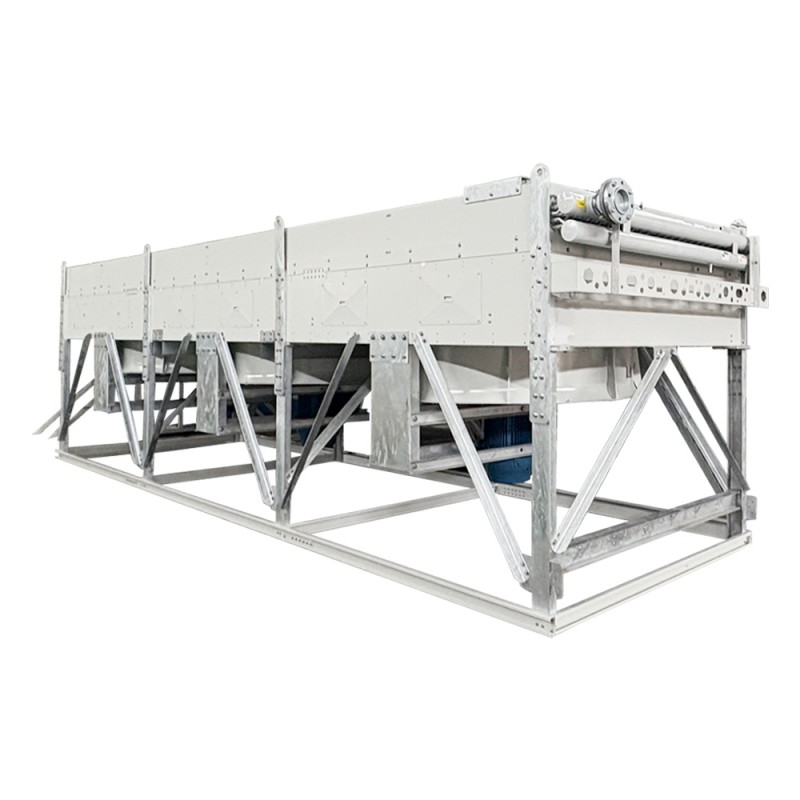
ความท้าทายในการปฏิบัติงานและแนวทางแก้ไขในโลกแห่งความเป็นจริง
แม้จะมีความก้าวหน้าทางเทคโนโลยี แต่ความท้าทายในการดำเนินงานยังคงมีอยู่ ความซับซ้อนในการติดตั้ง ความแปรปรวนของสภาพอากาศในท้องถิ่น และลอจิสติกส์การบำรุงรักษา มักทำให้การติดตั้งเครื่องแลกเปลี่ยนความร้อนด้วยอากาศมีความซับซ้อน การแก้ไขปัญหาเหล่านี้ต้องใช้ความเข้าใจอย่างละเอียดทั้งในด้านเทคโนโลยีและความเป็นจริงในภาคสนาม ซึ่งเป็นสิ่งที่เราต้องเรียนรู้ซ้ำแล้วซ้ำเล่าผ่านการลองผิดลองถูก
ตัวอย่างเช่น สถานการณ์ที่เราเผชิญในสภาพอากาศแบบทะเลทราย อุณหภูมิที่สูงมากจำเป็นต้องพิจารณาการออกแบบเพิ่มเติม ซึ่งไม่ปรากฏชัดเจนในระหว่างการประเมินเบื้องต้น การปรับเปลี่ยนรูปทรงครีบและการเลือกใช้วัสดุทำให้เกิดวิธีแก้ปัญหาในที่สุด บทเรียนเชิงปฏิบัติเหล่านี้มีคุณค่าอย่างยิ่งและเน้นย้ำถึงธรรมชาติที่ไม่หยุดนิ่งของอุตสาหกรรม
ในท้ายที่สุด แต่ละโครงการจะนำบทเรียนที่ไม่ซ้ำใครซึ่งมีส่วนช่วยในการพัฒนาองค์ความรู้ ซึ่งช่วยปรับปรุงแนวทางเมื่อเวลาผ่านไป การแบ่งปันข้อมูลเชิงลึกเหล่านี้เป็นประโยชน์ต่อทั้งสาขา ส่งเสริมความก้าวหน้าร่วมกันที่สามารถรับมือกับความท้าทายในอนาคตได้ดียิ่งขึ้น