เมื่อพูดถึงการเสริมสร้างความยั่งยืน ฮีโร่ที่มักถูกมองข้ามก็คือ ศูนย์ข้อมูลแบบโมดูลาร์. สิ่งเหล่านี้ไม่ได้เป็นเพียงคำศัพท์ที่ใช้ในการประชุมเท่านั้น สิ่งเหล่านี้แสดงถึงการเปลี่ยนแปลงการทำงานในวิธีที่เราเข้าถึงการจัดเก็บและการประมวลผลข้อมูล ความต้องการความยั่งยืนมีเพิ่มมากขึ้น เนื่องจากธุรกิจต่างๆ หันมาใช้โซลูชันดิจิทัลมากขึ้น ในบริบทนี้ ระบบโมดูลาร์ให้ประโยชน์ที่จับต้องได้—ทั้งด้านสิ่งแวดล้อมและการปฏิบัติงาน—ซึ่งศูนย์ข้อมูลแบบเดิมมักจะพยายามให้ได้
ทำความเข้าใจกับศูนย์ข้อมูลโมดูลาร์
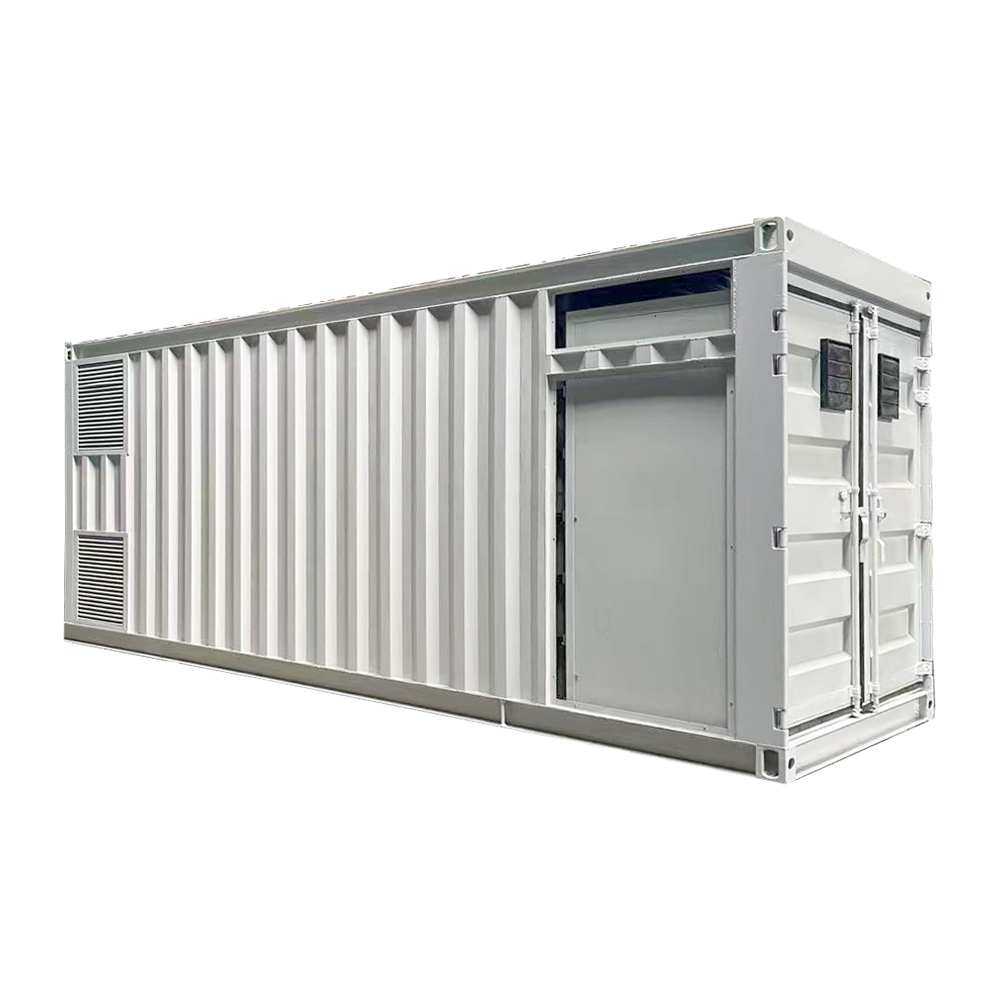
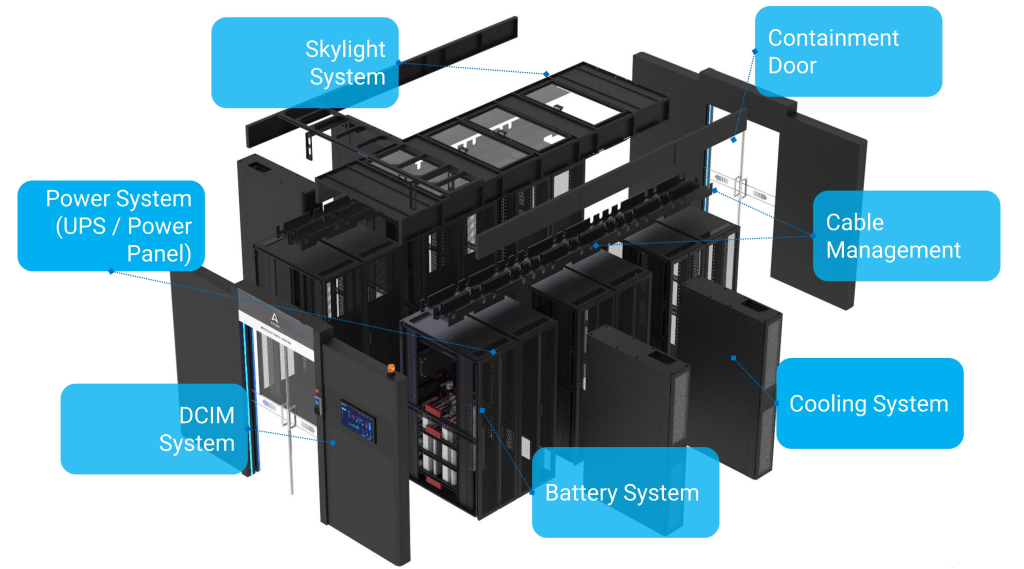
ก่อนอื่น สิ่งสำคัญคือต้องเข้าใจว่าอะไรก ศูนย์ข้อมูลแบบโมดูลาร์ จริงๆแล้วเป็น ลองจินตนาการว่ามันเหมือนกับการสร้างบล็อค แทนที่จะสร้างสิ่งอำนวยความสะดวกขนาดใหญ่ที่มีเสาหิน คุณสามารถประกอบชิ้นส่วนขนาดเล็กที่เตรียมไว้ล่วงหน้าเข้าด้วยกันได้ หน่วยเหล่านี้สามารถเพิ่มหรือลบได้ตามความต้องการ ความยืดหยุ่นนี้ไม่ได้เป็นเพียงความฉลาดทางเศรษฐกิจเท่านั้น มันเป็นข้อได้เปรียบที่สำคัญสำหรับความยั่งยืนด้านสิ่งแวดล้อมด้วย คุณใช้เฉพาะทรัพยากรที่คุณต้องการจริงๆ ในเวลาใดก็ตาม
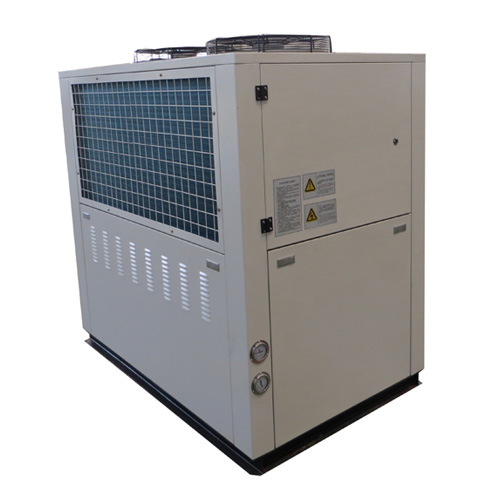
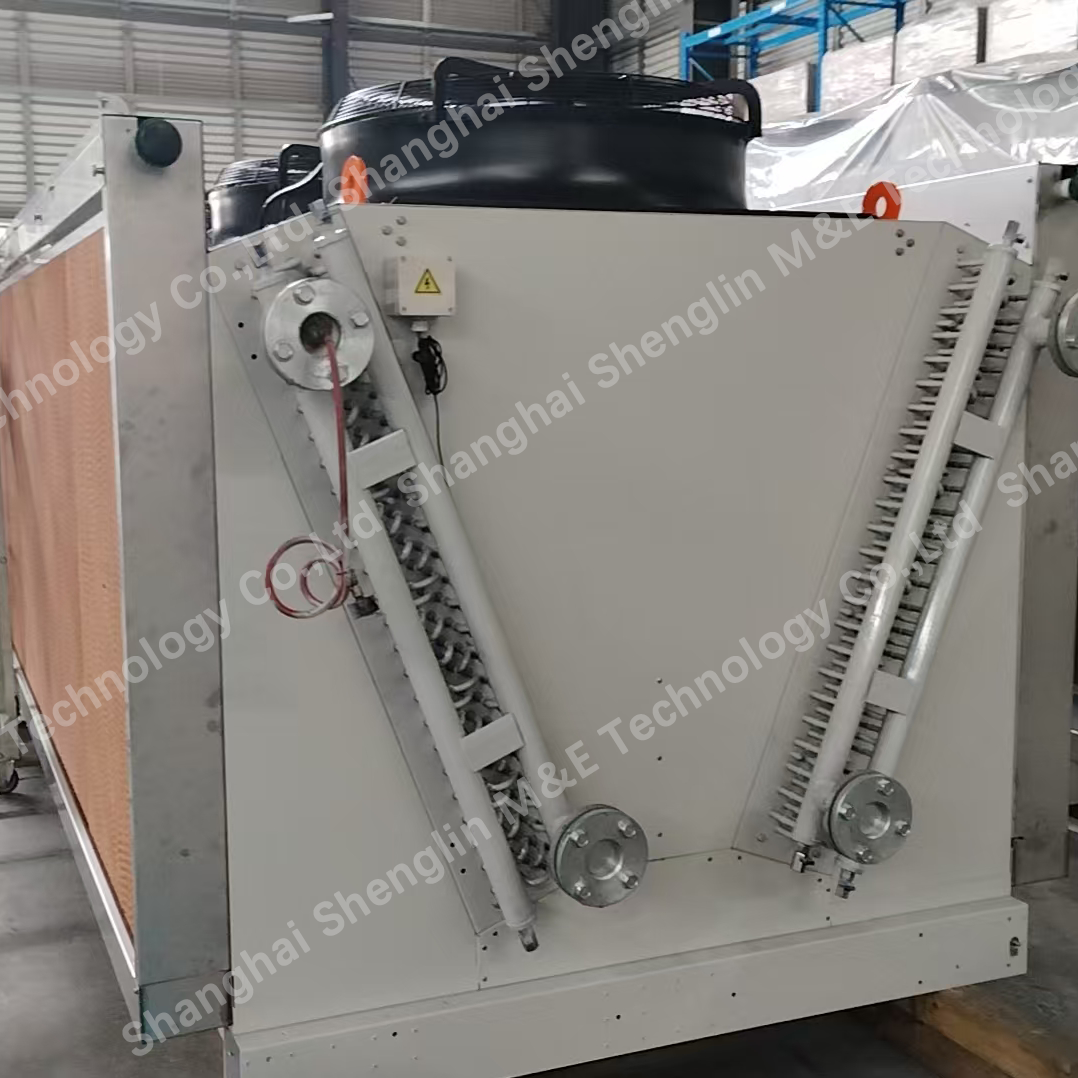
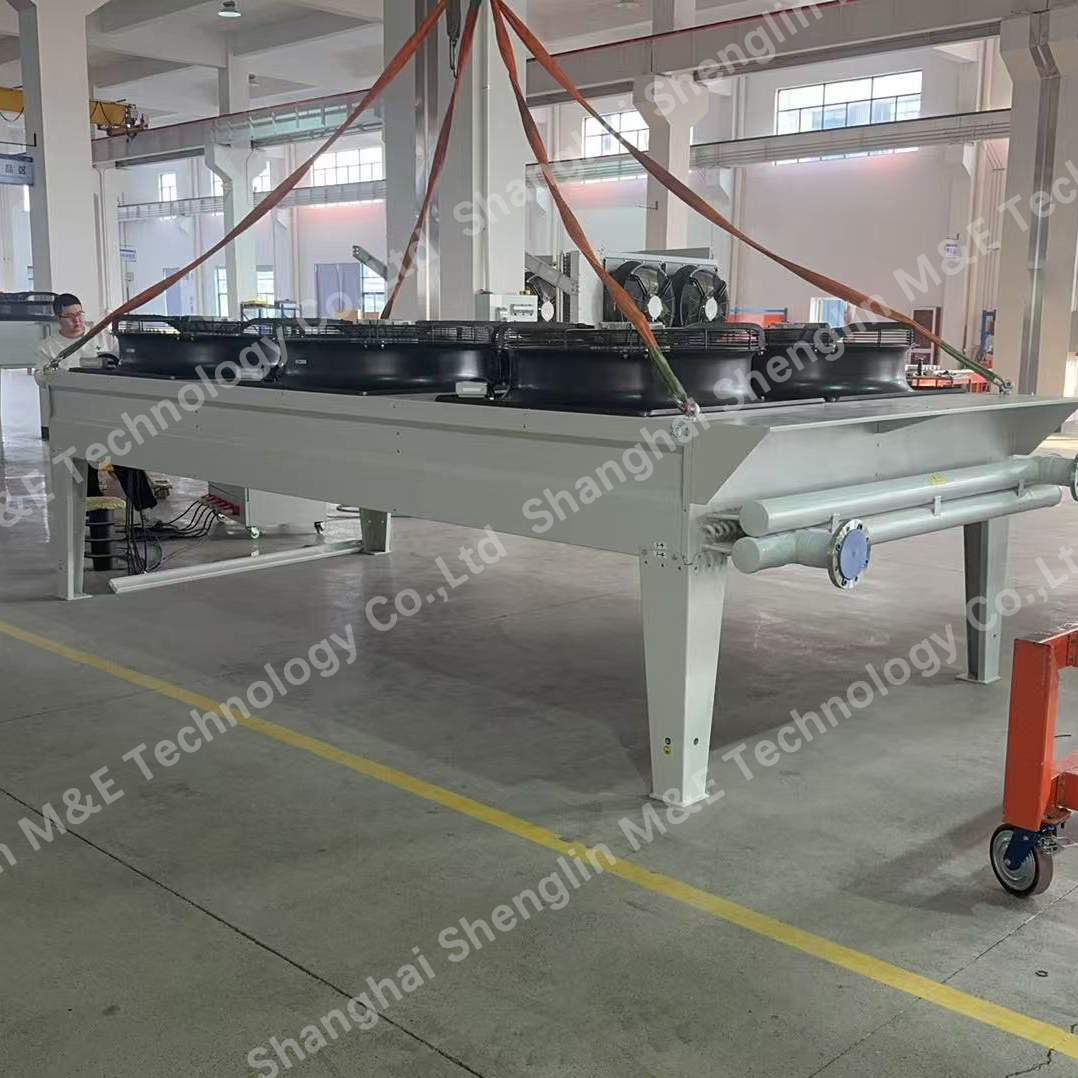
จากประสบการณ์ของผม ผู้คนมักจะดูถูกประสิทธิภาพการใช้พลังงานที่การตั้งค่าแบบโมดูลาร์เหล่านี้สามารถทำได้ ด้วยความก้าวหน้าทางเทคโนโลยีการทำความเย็นจากบริษัทต่างๆ เช่น Shanghai SHENGLIN M&E Technology Co., Ltd. ซึ่งเชี่ยวชาญด้านเทคโนโลยีการทำความเย็นทางอุตสาหกรรม หน่วยสำเร็จรูปเหล่านี้จึงมาพร้อมกับระบบที่ซับซ้อนซึ่งช่วยลดการใช้พลังงานได้อย่างมาก ที่สำคัญกว่านั้นคือได้รับการปรับให้เหมาะสมตั้งแต่เริ่มต้น
ความสามารถในการขยายขนาดการดำเนินงานโดยไม่ต้องมีการก่อสร้างขนาดใหญ่ไม่เพียงแต่เป็นมาตรการประหยัดต้นทุนเท่านั้น แต่ยังเป็นแนวทางที่เป็นมิตรต่อสิ่งแวดล้อมอีกด้วย ต้องใช้คอนกรีตน้อยลง ใช้เหล็กน้อยลง หรือน้อยกว่าทุกอย่างจริงๆ ในการตั้งค่าการปฏิบัติงาน
แอปพลิเคชันในโลกแห่งความเป็นจริง
มาดำดิ่งสู่สถานการณ์ในโลกแห่งความเป็นจริงกันเถอะ บริษัทเทคโนโลยีที่เผชิญกับการเติบโตอย่างรวดเร็วต้องตัดสินใจระหว่างการขยายศูนย์ข้อมูลที่มีอยู่หรือเลือกใช้โซลูชันแบบโมดูลาร์ พวกเขาเลือกเส้นทางแบบโมดูลาร์ ทำไม เพราะมันช่วยให้พวกเขาเริ่มต้นจากเล็กๆ และเพิ่มขีดความสามารถของตนทีละน้อย วิธีการนี้ช่วยลดรายจ่ายด้านทุนเริ่มแรกลงได้อย่างมาก และยังลดการปล่อยก๊าซคาร์บอนให้เหลือน้อยที่สุด เนื่องจากไม่จำเป็นต้องสร้างกำลังการผลิตมากเกินไปที่ยังไม่จำเป็น
แง่มุมหนึ่งที่ไม่ค่อยมีการกล่าวถึงคือความยืดหยุ่นของสถานที่ตั้งไซต์ หน่วยโมดูลาร์สามารถติดตั้งได้ในตำแหน่งที่น้อยกว่าอุดมคติและยังคงทำงานได้อย่างเหมาะสมที่สุด สิ่งนี้ไม่เพียงแต่เปิดความเป็นไปได้มากขึ้น แต่ยังช่วยลดการปล่อยก๊าซจากการขนส่งที่เชื่อมโยงกับการจ่ายไฟให้กับสิ่งอำนวยความสะดวกที่อยู่ห่างไกลอีกด้วย
จากมุมมองของความล้มเหลว การอัพเกรดหรือสลับโมดูลทำได้ง่ายกว่าและมีความเสี่ยงน้อยกว่าการยกเครื่องทั้งระบบ ประสบการณ์จริงแสดงให้เห็นว่าระบบโมดูลาร์สามารถแยกปัญหาได้อย่างรวดเร็ว ช่วยให้มั่นใจในการจัดการทรัพยากรและการหยุดทำงานอย่างมีประสิทธิภาพ
บทบาทของระบบระบายความร้อนขั้นสูง
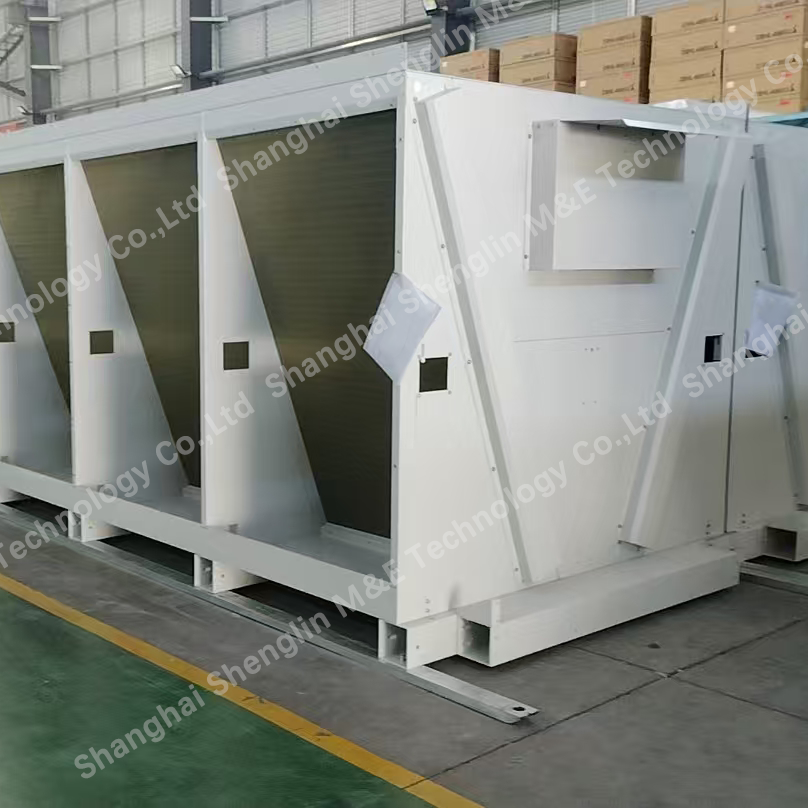
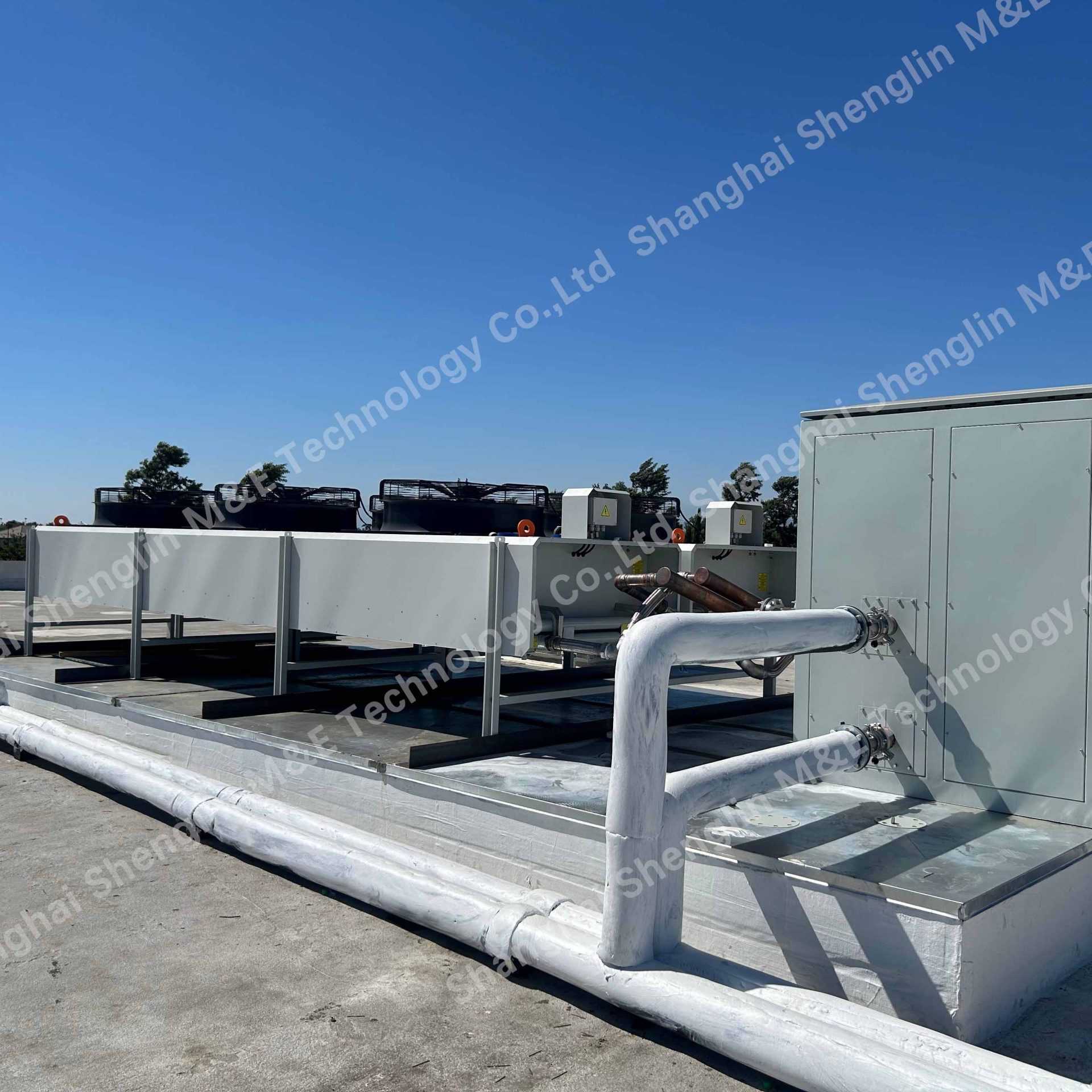
การระบายความร้อนเป็นส่วนสำคัญของสมการพลังงานสำหรับศูนย์ข้อมูล ยิ่งระบบทำความเย็นของคุณมีประสิทธิภาพมากขึ้นเท่าไร คุณก็ยิ่งส่งผลกระทบต่อสิ่งแวดล้อมน้อยลงเท่านั้น ที่นี่ บริษัทอย่าง Shanghai SHENGLIN M&E Technology Co., Ltd. เข้ามาใช้เทคโนโลยีล้ำสมัยของตนซึ่งมีอยู่บน https://www.ShenglinCoolers.com ระบบทำความเย็นที่มีประสิทธิภาพช่วยลดการสิ้นเปลืองพลังงานได้อย่างมาก
ก่อนหน้านี้ เรามีศูนย์ข้อมูลที่เน้นการใช้พลังงานเป็นหลัก ขณะนี้ ด้วยตัวเลือกการระบายความร้อนขั้นสูงที่ออกแบบมาโดยเฉพาะสำหรับการตั้งค่าแบบโมดูลาร์ เราพบว่ามีการใช้พลังงานอย่างมีประสิทธิภาพมากขึ้น และลดต้นทุนการดำเนินงาน นวัตกรรมเหล่านี้ทำให้สามารถสนับสนุนการดำเนินงานด้านไอทีที่เป็นมิตรต่อสิ่งแวดล้อมมากขึ้นได้
ความก้าวหน้าทางเทคโนโลยีการทำความเย็นยังเปิดประตูสู่การวางศูนย์ข้อมูลในพื้นที่ที่ท้าทายทางภูมิศาสตร์ คุณสามารถเพิ่มประสิทธิภาพการจัดการอุณหภูมิโดยไม่คำนึงถึงสภาวะภายนอก จึงช่วยลดความจำเป็นในการใช้พลังงานเพิ่มเติม
การเอาชนะความท้าทาย
แน่นอนว่ามันไม่ได้ราบรื่นไปเสียหมด เปลี่ยนไปเป็น ก ศูนย์ข้อมูลแบบโมดูลาร์ ระบบจำเป็นต้องเปลี่ยนแปลงกรอบความคิดขององค์กรอย่างลึกซึ้ง และบอกตามตรงว่ายังไม่ใช่ทุกคนที่จะทำเช่นนั้น มีช่วงการเรียนรู้ที่ไม่เพียงแต่สำหรับฝ่ายบริหารเท่านั้น แต่ยังรวมถึงทีมปฏิบัติการที่คุ้นเคยกับระบบแบบเดิมๆ มากขึ้น
ความกังวลทางการเงินมักทำให้เกิดความลังเลในเบื้องต้นในการเปลี่ยนไปใช้ศูนย์ข้อมูลแบบโมดูลาร์ แม้ว่าจะช่วยประหยัดได้ในระยะยาว แต่ค่าใช้จ่ายล่วงหน้าสำหรับส่วนประกอบคุณภาพสูงและประหยัดพลังงานก็อาจเป็นเรื่องที่น่ากังวล อย่างไรก็ตาม ด้วยความกดดันที่เพิ่มขึ้นต่อตัวชี้วัดความยั่งยืน นี่เป็นอุปสรรค์ที่หลายคนพบว่าคุ้มค่าที่จะเอาชนะ
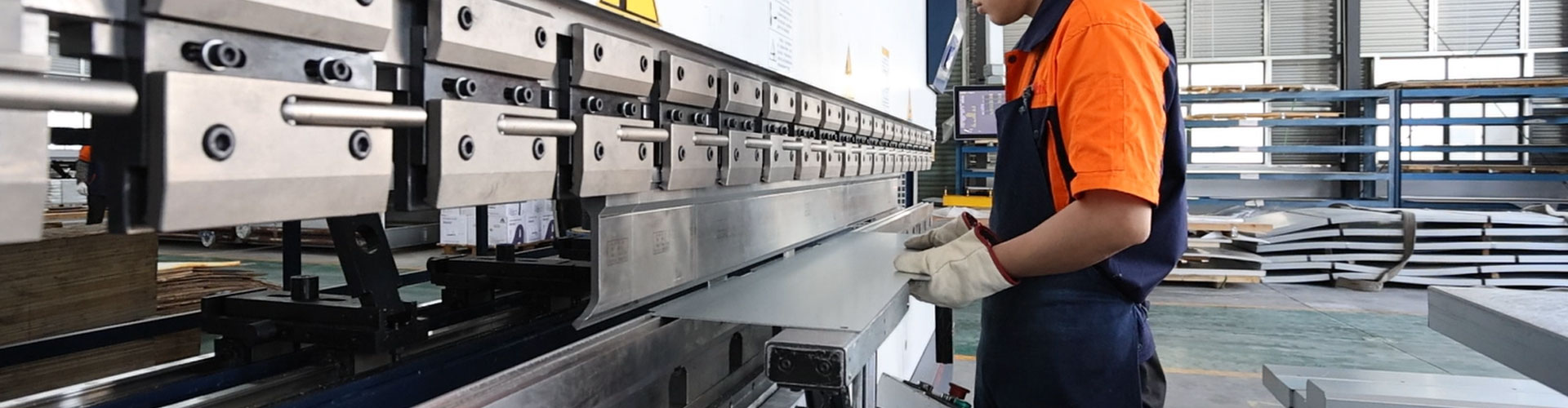
เมื่อลูกค้าเยี่ยมชมโรงงานของเรา พวกเขาตระหนักดีว่าสามารถจัดการความท้าทายได้ โดยเกี่ยวข้องกับความร่วมมือกับซัพพลายเออร์ วิศวกร และทีมไอที เป็นเรื่องที่น่าอุ่นใจที่เห็นว่าอุปสรรคเมื่อเผชิญหน้ากันด้วยความร่วมมือและเชิงกลยุทธ์ ไม่เพียงแต่จะสามารถจัดการได้ แต่ยังกลายเป็นโอกาสในการเติบโตและการปรับปรุงอีกด้วย 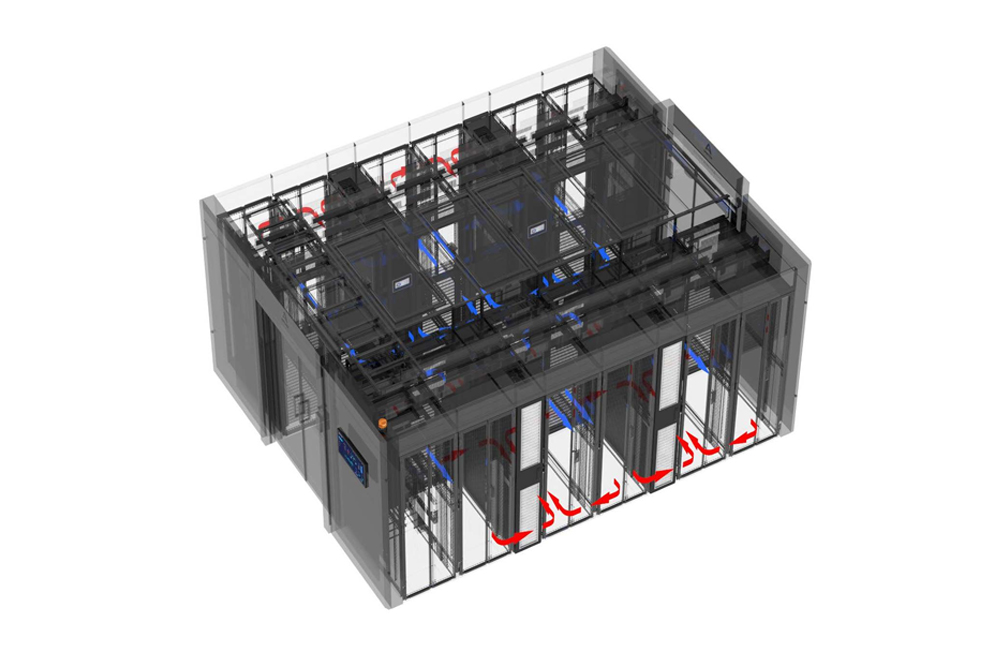
มุมมองของอุตสาหกรรม
อุตสาหกรรมศูนย์ข้อมูลกำลังมองเห็นการเปลี่ยนแปลงไปสู่โซลูชันที่ยั่งยืนอย่างแน่นอน มีความสนใจเพิ่มขึ้นในแหล่งพลังงานหมุนเวียน เสริมด้วยระบบโมดูลาร์ที่ทำให้ความต้องการกริดมีเสถียรภาพ การทำงานร่วมกันเกิดขึ้นที่นี่ ซึ่งเป็นสิ่งหนึ่งที่บริษัทต่างๆ จำนวนมากมีแนวโน้มที่จะรับรู้และดำเนินการในปีต่อๆ ไป
จำเป็นอย่างยิ่งที่จะต้องมองไปข้างหน้าและเรียนรู้จากสิ่งที่กำลังทำอยู่ ในโครงการต่างๆ ของฉัน ความสามารถในการทดสอบขนาดเล็กก่อนดำเนินการอย่างเต็มที่ถือเป็นสิ่งล้ำค่าอย่างยิ่ง เป็นแนวทางที่ละเอียดอ่อนซึ่งช่วยให้ความยั่งยืนเป็นมากกว่าแค่ประเด็นพูดคุย มันจะกลายเป็นกลยุทธ์ในการดำเนินงานที่สามารถปฏิบัติได้
ไม่ต้องสงสัยเลยว่าการตั้งค่าแบบโมดูลาร์เป็นช่องทางสำหรับรุ่นแห่งอนาคตที่เป็นมิตรต่อสิ่งแวดล้อม ยั่งยืนมากขึ้น และยังมีศักยภาพในการเปลี่ยนแปลงมาตรฐานอุตสาหกรรมในท้ายที่สุด มันไม่ใช่แค่เทรนด์เท่านั้น เป็นการเคลื่อนไหวไปสู่การดำเนินธุรกิจอย่างมีความรับผิดชอบในยุคดิจิทัลในปัจจุบัน