หลีกเลี่ยงคำศัพท์เกี่ยวกับความยั่งยืนทั่วไป คุณอาจสงสัยว่าทำอย่างไร คอนเดนเซอร์ระบายความร้อนด้วยอากาศ เข้ากับโครงการสีเขียวของสิ่งต่างๆ มันไม่ได้ชัดเจนเสมอไป ประสบการณ์ของฉันเริ่มต้นที่นี่: หลังจากทำงานในโครงการทำความเย็นต่างๆ ฉันเคยเห็นระบบเหล่านี้เพิ่มความยั่งยืนหลายครั้ง แต่ก็ไม่ได้ปราศจากความท้าทาย เรามาแกะดูว่าระบบเหล่านี้มีประโยชน์อะไรบ้าง และจุดที่คุณอาจประสบปัญหา
พื้นฐานของคอนเดนเซอร์ระบายความร้อนด้วยอากาศ
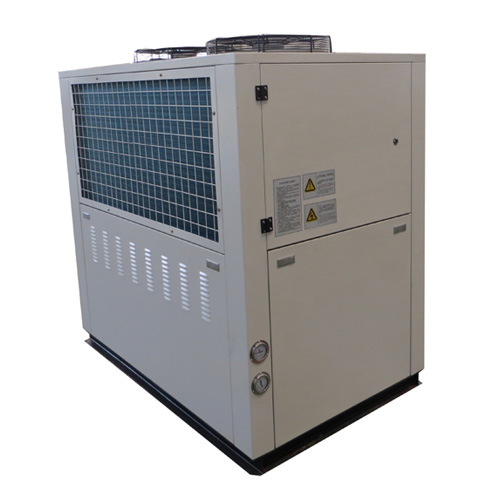
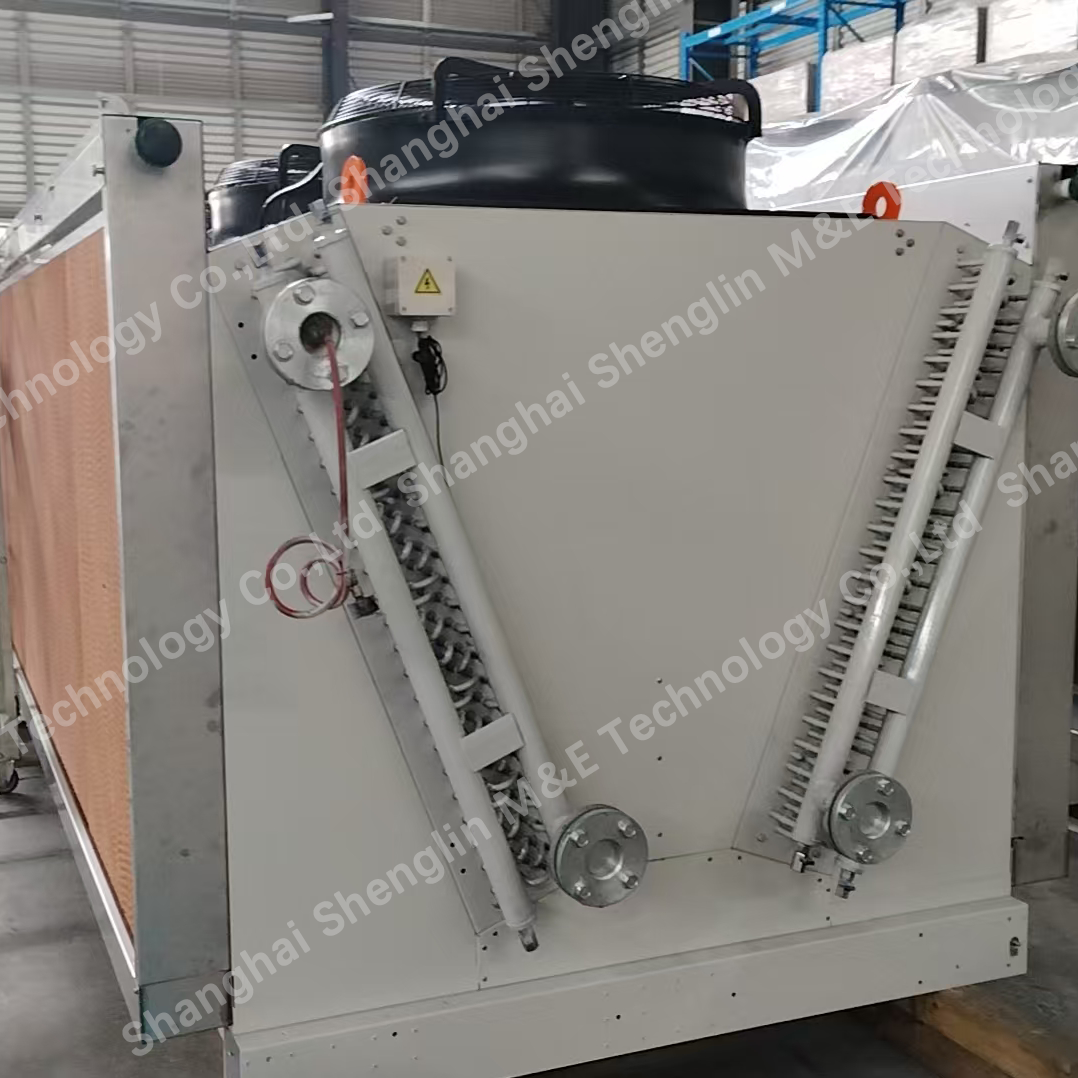
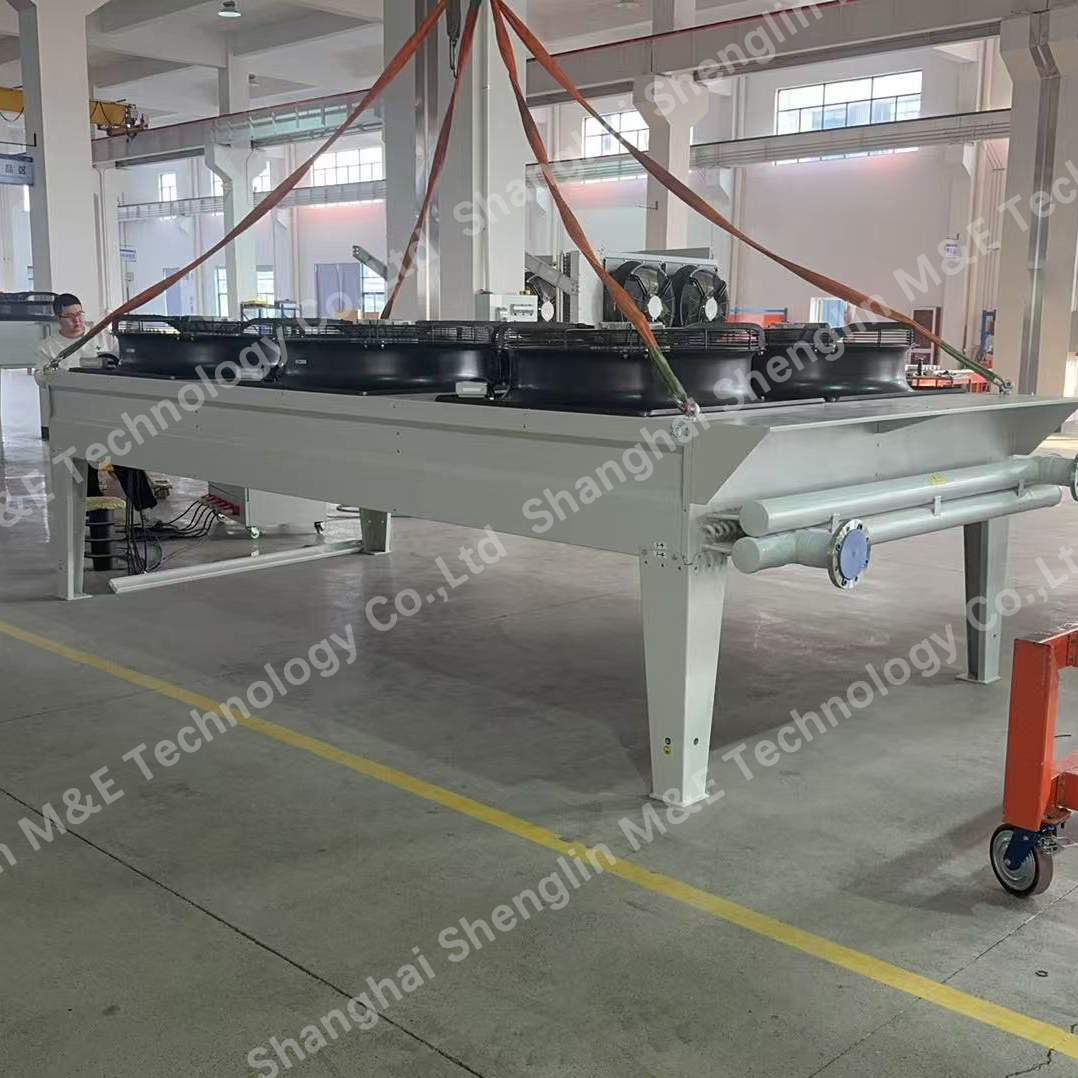
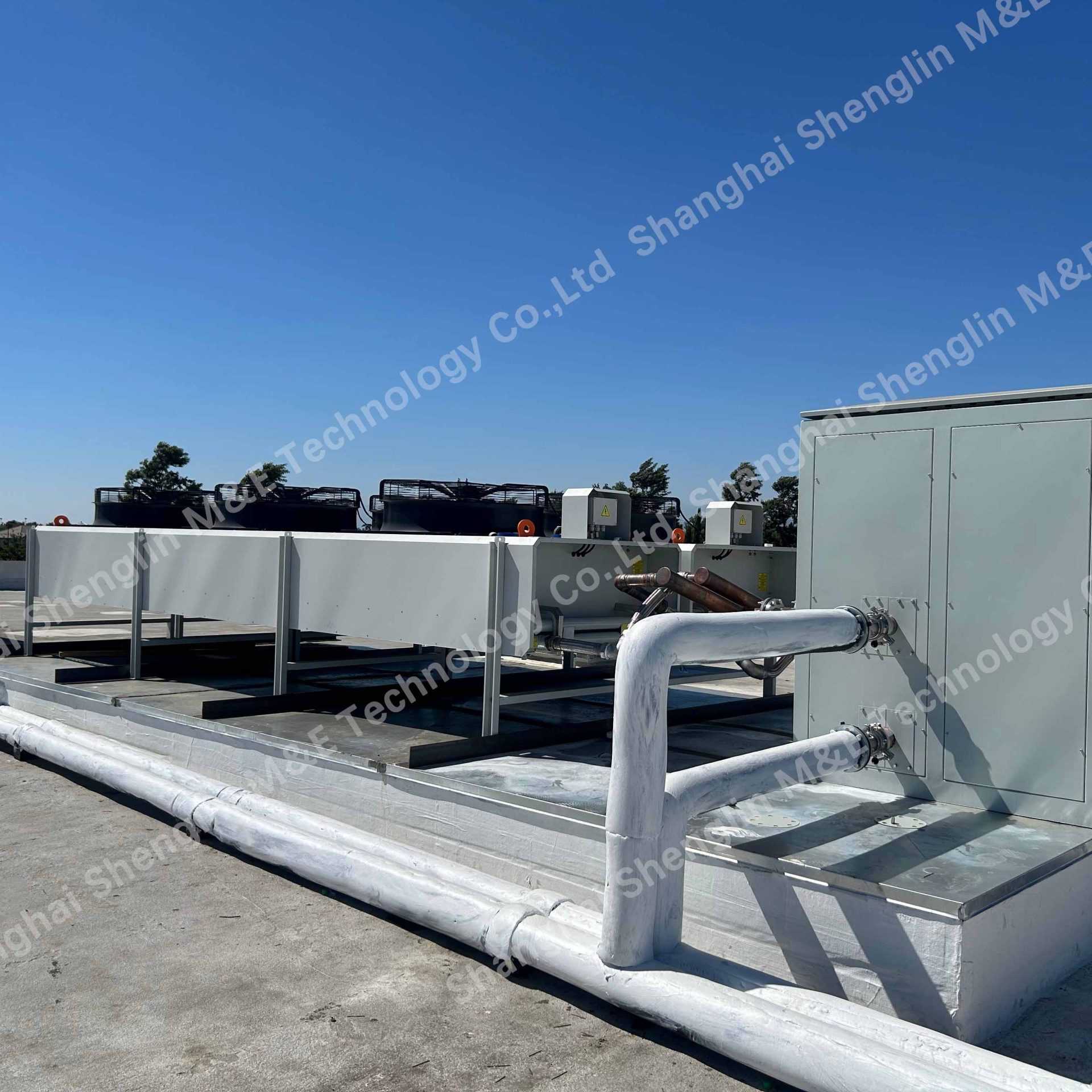
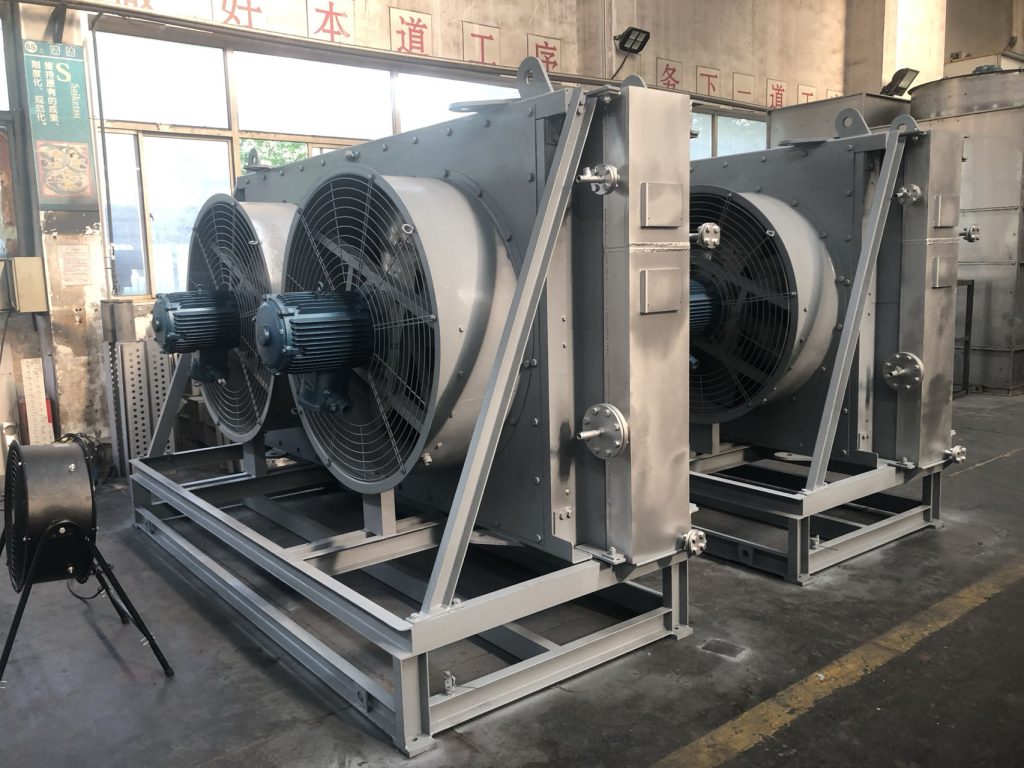
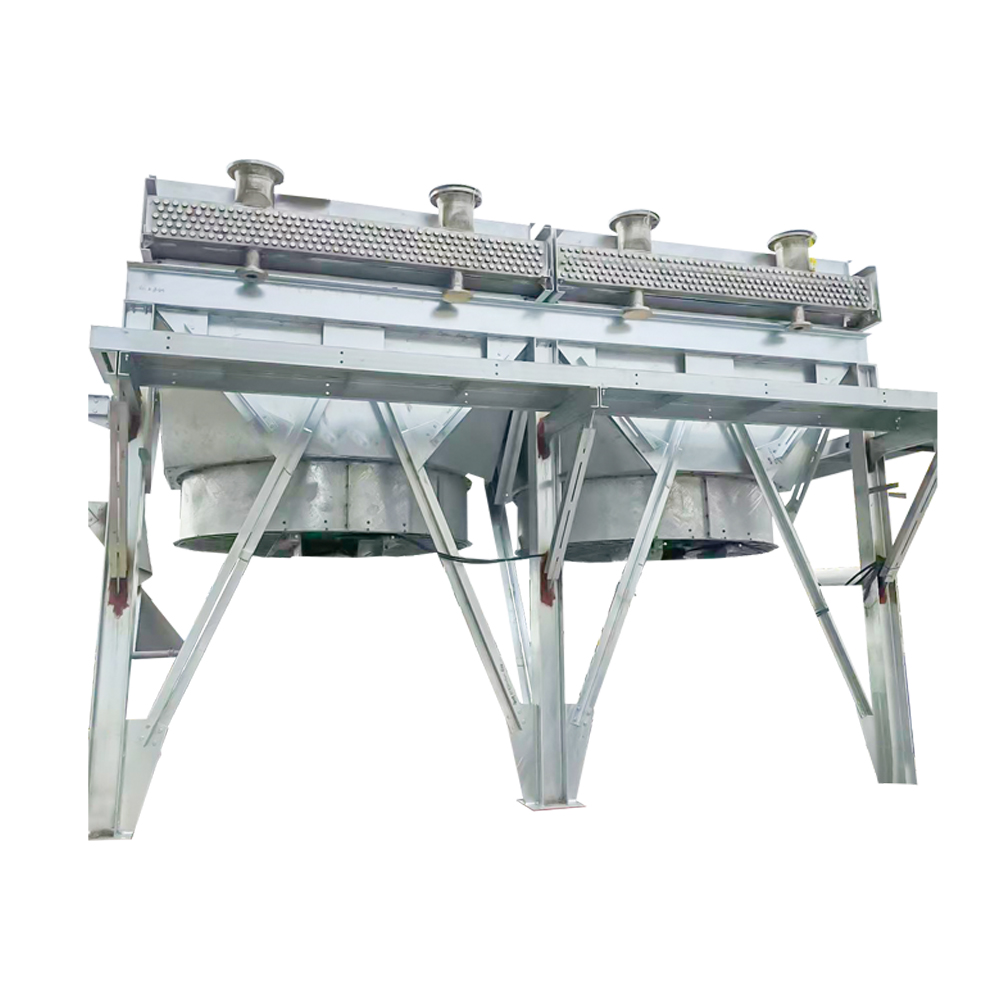
สุดหัวใจอันหนึ่ง คอนเดนเซอร์ระบายความร้อนด้วยอากาศ ใช้อากาศโดยรอบเพื่อทำให้เย็นและควบแน่นไอสารทำความเย็น เป็นแนวคิดที่ตรงไปตรงมาแต่มักถูกบดบังด้วยระบบที่ซับซ้อนกว่า ทำไมต้องสนใจ? ความเรียบง่ายหมายถึงชิ้นส่วนที่เคลื่อนไหวน้อยลง ส่งผลให้กลไกขัดข้องน้อยลงและลดความต้องการในการบำรุงรักษา จุดแข็งสำหรับความยั่งยืนหากคุณคิดระยะยาว
แต่ในทางปฏิบัติ สิ่งต่างๆ ไม่ได้ราบรื่นเสมอไป ฉันเป็นส่วนหนึ่งของโครงการที่การติดตั้งกลายเป็นความล้มเหลวเนื่องจากประเมินสภาพไซต์ต่ำไป เมื่อคอนเดนเซอร์เหล่านี้อยู่ในตำแหน่งที่ไม่เหมาะสม คอนเดนเซอร์อาจประสบปัญหาด้านประสิทธิภาพ ซึ่งทำให้ความสมดุลด้านความยั่งยืนที่คุณตั้งเป้าไว้
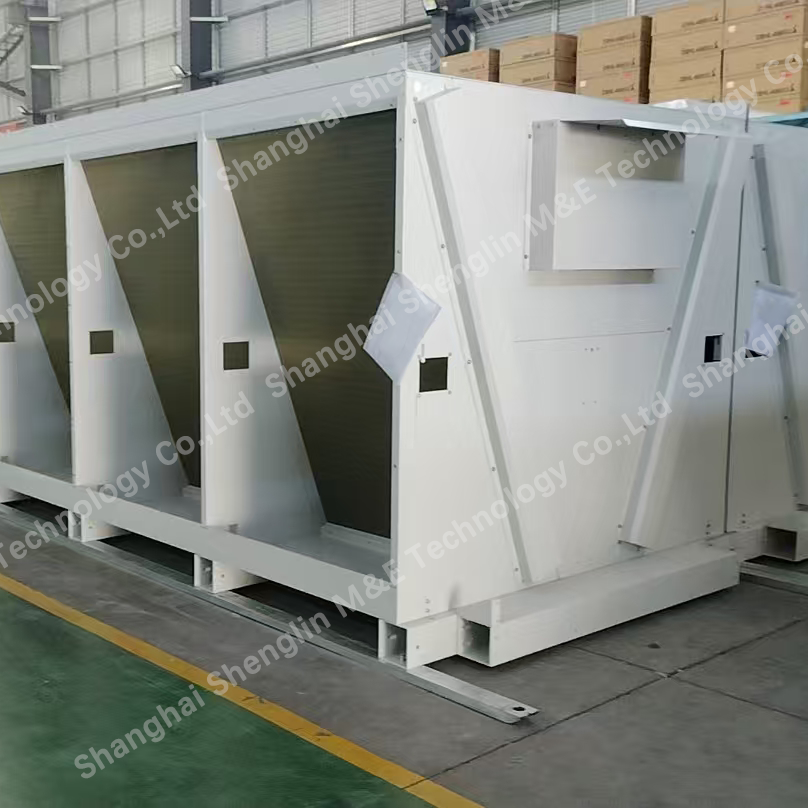
เป็นที่น่าสังเกตว่าการออกแบบและตำแหน่งที่เหมาะสมเป็นสิ่งสำคัญยิ่ง ในกรณีสำคัญประการหนึ่ง เราได้ประเมินตำแหน่งของคอนเดนเซอร์ Shanghai SHENGLIN M&E Technology Co.,Ltd หลายแห่งอีกครั้ง หลังการปรับเปลี่ยน ประสิทธิภาพการใช้พลังงานก็โดดเด่นมาก การเปลี่ยนแปลงง่ายๆ ผลกระทบที่สำคัญ โปรดจำไว้ว่า: สภาพแวดล้อมมีความสำคัญพอๆ กับอุปกรณ์
การใช้น้ำและผลกระทบต่อสิ่งแวดล้อม
นี่คือบริเวณที่ระบบระบายความร้อนด้วยอากาศโดดเด่นมาก ต่างจากระบบระบายความร้อนด้วยน้ำ ตรงที่ไม่ต้องใช้น้ำอย่างต่อเนื่อง และนั่นเป็นผลดีต่อสิ่งแวดล้อมอย่างมาก การขาดแคลนน้ำนั้นมีอยู่จริง และด้วยการลดการพึ่งพาน้ำ คอนเดนเซอร์เหล่านี้จึงหลีกเลี่ยงผลกระทบร้ายแรงต่อสิ่งแวดล้อม
ฉันจำเหตุการณ์ที่ลูกค้าเปลี่ยนจากระบบระบายความร้อนด้วยน้ำได้ ของเสียและการใช้งานนั้นมหาศาลมาก—มากกว่าที่คิดไว้ในตอนแรก การเปลี่ยนมาใช้เทคโนโลยีระบายความร้อนด้วยอากาศช่วยเสริมเป้าหมายด้านความยั่งยืนได้อย่างมาก อย่างไรก็ตาม ตรวจสอบให้แน่ใจว่าแหล่งพลังงานของคุณสะอาดเท่ากัน ไม่เช่นนั้น คุณจะชดเชยรอยเท้าหนึ่งไปยังอีกแหล่งหนึ่ง
แต่ก็มีสิ่งที่จับได้ ประสิทธิภาพอาจลดลงในสภาพอากาศที่ร้อนกว่าเนื่องจากระบบอาศัยอากาศเพียงอย่างเดียว ในช่วงฤดูร้อนที่รุนแรงเป็นพิเศษ ฉันเห็นว่าระบบต่างๆ ได้รับการผลักดันจนถึงขีดจำกัด การปรับเปลี่ยน เช่น เทคนิคการแรเงาหรือหน่วยความจุที่สูงกว่า กลายเป็นสิ่งจำเป็นในการควบคุมทุกอย่าง
ความคุ้มค่าและผลกำไรระยะยาว
ฉันจะไม่เคลือบเรื่องนี้: ต้นทุนเริ่มต้นอาจสูงกว่านี้ พวกเราหลายคนในอุตสาหกรรมทราบดีว่าลูกค้าสามารถลังเลใจเมื่อได้รับตัวเลขล่วงหน้า เป็นการยากที่จะโต้เถียงเพื่อผลกำไรระยะยาวเมื่อกำไรระยะสั้นส่งเสียงดัง แต่นี่คือจุดที่การศึกษามีบทบาทสำคัญ
ครั้งหนึ่งเราเคยมีโครงการที่ลูกค้าลังเลเนื่องจากต้นทุน แต่สรุปในภายหลังว่าการประหยัดในการดำเนินงานจะชดเชยค่าใช้จ่ายเริ่มแรกภายในไม่กี่ปี โดยไม่ต้องเอ่ยถึงค่าบำรุงรักษาที่ลดลงด้วยซ้ำ สิ่งสำคัญคือต้องวาดภาพวิสัยทัศน์ระยะยาวให้ชัดเจน ไม่ใช่แค่ป้ายราคาในทันที
แล้วจะเอาอะไรไปบ้าง? แจ้งเรื่องต้นทุนอย่างตรงไปตรงมาแต่พูดถึงผลประโยชน์ด้านความยั่งยืนอย่างเท่าเทียมกัน คุณจะต้องเผชิญกับความสงสัย แต่เมื่อมีหลักฐานแล้ว มันจะกลายเป็นทางเลือกที่รู้แจ้ง เยี่ยมชม Shanghai SHENGLIN M&E Technology Co.,Ltd สำหรับข้อมูลเชิงลึกโดยละเอียดเพิ่มเติมและข้อเสนอผลิตภัณฑ์เกี่ยวกับเทคโนโลยีทำความเย็นทางอุตสาหกรรม
ความท้าทายในการดำเนินการ
การใช้งานภาคสนามไม่ใช่การเดินเล่นในสวนสาธารณะ ฉันเผชิญกับวันที่ทฤษฎีและโลกแห่งความจริงขัดแย้งกันอย่างงดงามน้อยกว่าที่วางแผนไว้ การจัดการอุปกรณ์ ความแปรปรวนของอุณหภูมิในท้องถิ่น และปัญหาด้านลอจิสติกส์ที่ไม่คาดคิดสามารถทำให้โครงการดูเหมือนชัดเจนได้
ตัวอย่างเช่น ฉันจำภาวะแทรกซ้อนระหว่างการส่งมอบหน่วย Shanghai SHENGLIN ที่มีการมองข้ามสภาพถนน ซึ่งเป็นสิ่งที่ป้องกันได้มากแต่ทำให้เราต้องเสียเวลา ด้านหลังโต๊ะมีกระดาษและตัวเลข ในสถานที่นั้นเป็นสัตว์ร้ายที่แตกต่างออกไป บทเรียนที่ดี: คาดหวัง, คาดหวัง, คาดหวัง
นอกจากนี้ อย่าประมาทการฝึกอบรมที่จำเป็น เทคโนโลยีได้รับการปรับปรุง และชุดทักษะก็ควรปรับปรุงเช่นกัน การฝึกอบรมช่างเทคนิคที่เหมาะสมช่วยให้แน่ใจว่าระบบได้รับการปรับให้เหมาะสม และทำให้ข้อกำหนดข้อมูลจำเพาะทั้งหมดเป็นจริง
ทิศทางและนวัตกรรมในอนาคต
ทั้งหมดนี้ไปไหน? ระบบระบายความร้อนด้วยอากาศไม่คงที่ นวัตกรรมอยู่บนขอบฟ้า ด้วยความก้าวหน้าอย่างต่อเนื่องที่มุ่งปรับปรุงประสิทธิภาพและลดการปล่อยก๊าซเรือนกระจก ถือเป็นช่วงเวลาที่น่าตื่นเต้นในอุตสาหกรรมทำความเย็น มองหาผู้ผลิตชั้นนำเช่น SHENGLIN เพื่อเป็นผู้นำนวัตกรรมเหล่านี้ และกำหนดมาตรฐานที่ผู้อื่นจะปฏิบัติตาม
เป้าหมายสูงสุดคือการบูรณาการเทคโนโลยีที่กำลังพัฒนาเหล่านี้เข้ากับโครงข่ายพลังงานที่ชาญฉลาดยิ่งขึ้น และอาจถึงขั้นนำพลังงานหมุนเวียนมาใช้ในการทำงานร่วมกัน นั่นคือจุดที่น่าสนใจ: เทคโนโลยีที่สอดคล้องกับแหล่งที่มาที่ยั่งยืน ต้องใช้ความอดทนและการมองการณ์ไกล เป็นการเต้นรำที่ยุ่งยากแต่จำเป็น
โดยสรุป การเปลี่ยนมาใช้คอนเดนเซอร์ระบายความร้อนด้วยอากาศนำมาซึ่งทั้งความท้าทายและผลประโยชน์ด้านความยั่งยืนที่สำคัญ แม้ว่าการเดินทางจะไม่เป็นไปตามเส้นตรง แต่การแสวงหาโซลูชันการทำความเย็นที่เป็นมิตรต่อสิ่งแวดล้อมมากขึ้นก็ให้ผลตอบแทนที่คุ้มค่า และมีความสำคัญต่อการพัฒนาอุตสาหกรรม