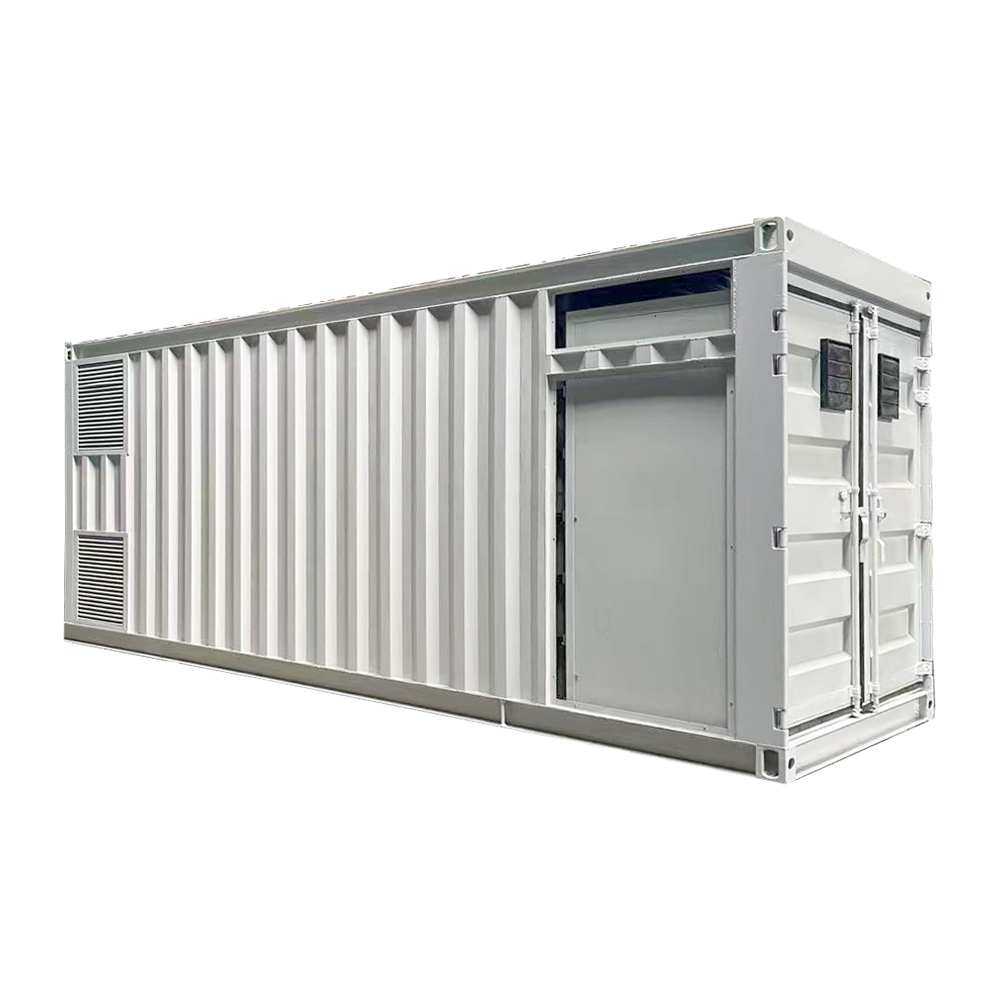
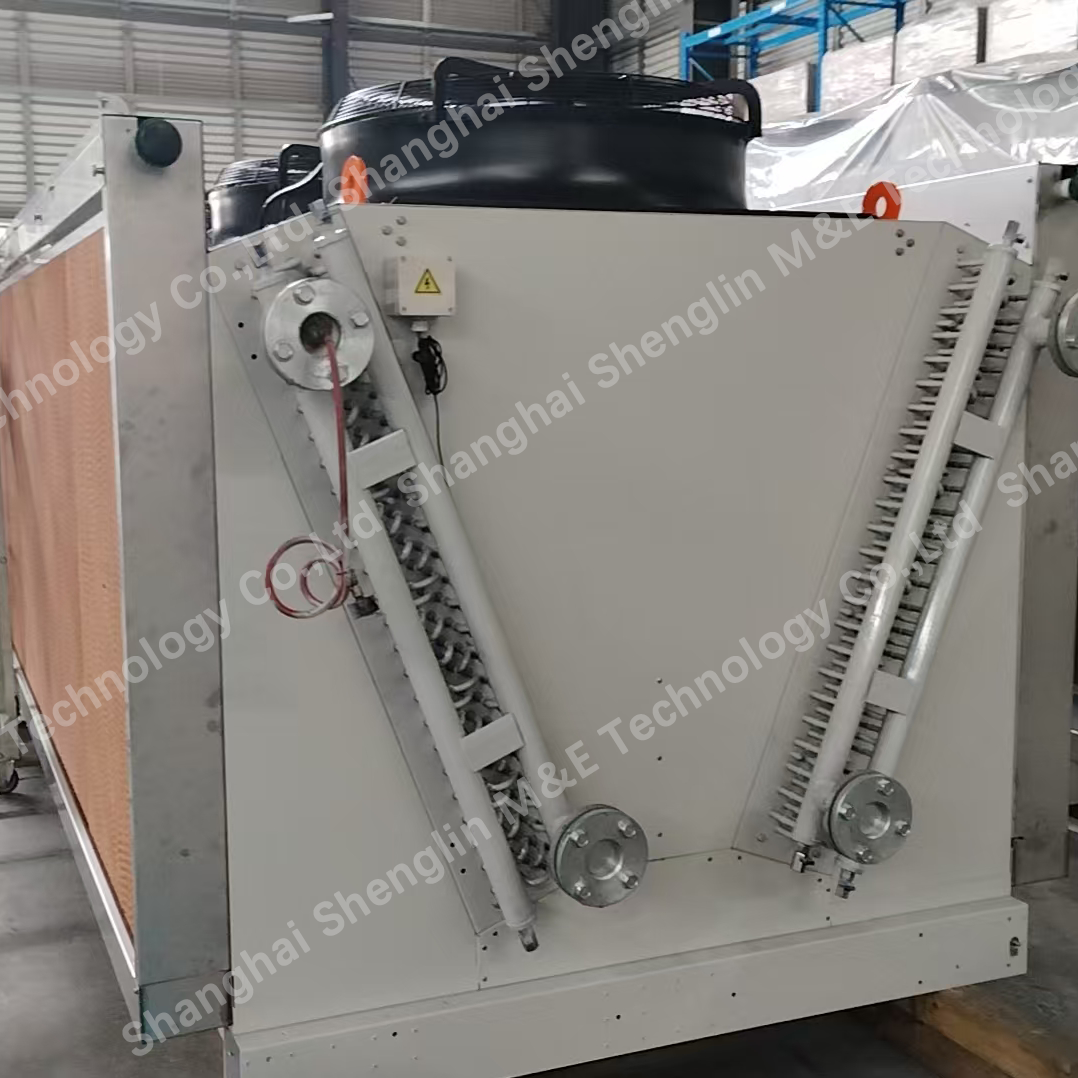
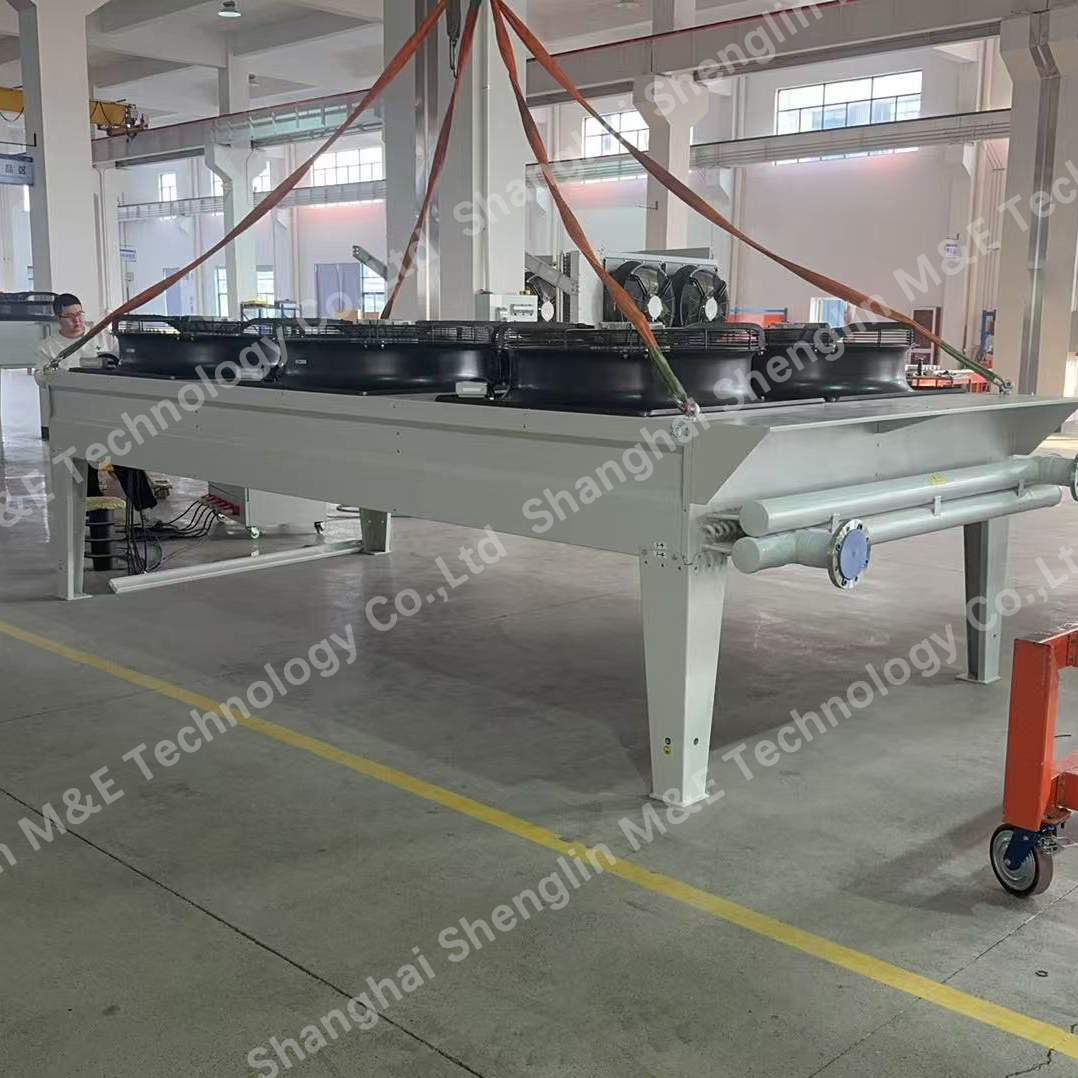
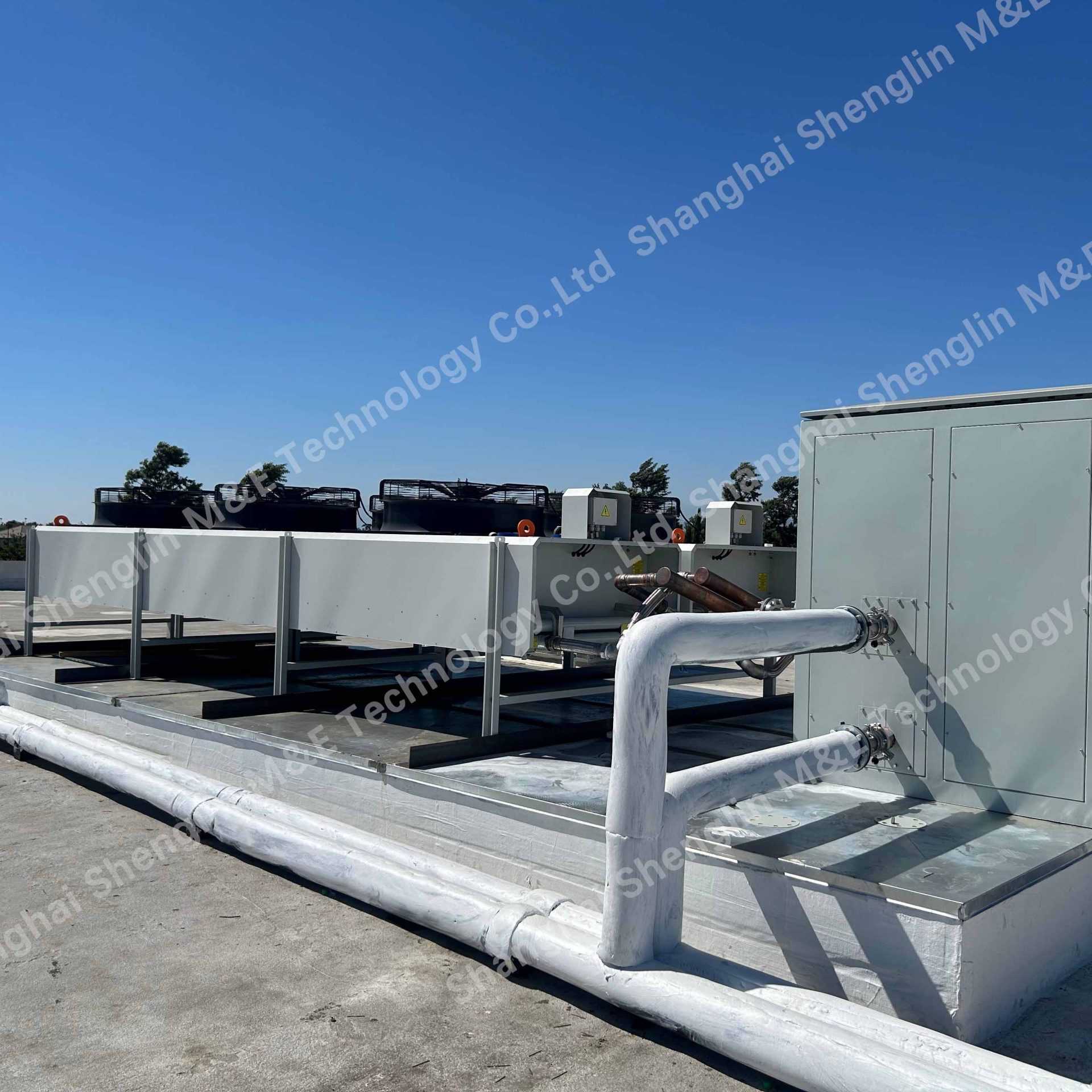
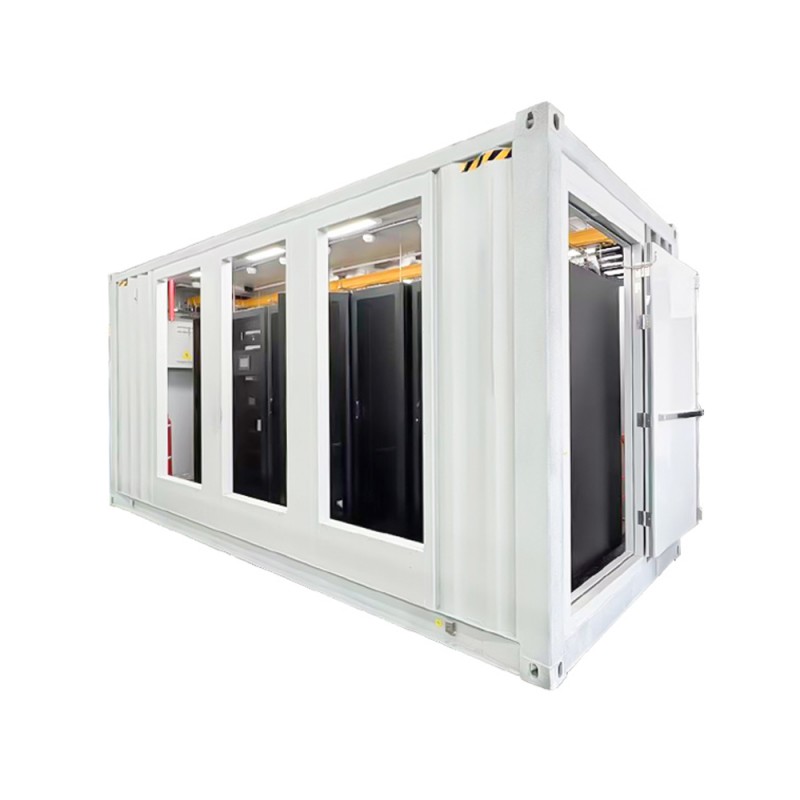
ศูนย์ข้อมูลสำเร็จรูปถูกมองว่าเป็นโซลูชันที่ยั่งยืนในโลกเทคโนโลยีมากขึ้น สร้างขึ้นโดยคำนึงถึงประสิทธิภาพของทรัพยากรและการประหยัดพลังงาน แต่ความคิดเห็นจะแตกต่างกันไปขึ้นอยู่กับผลกระทบในชีวิตจริง บางคนแย้งว่าพวกเขาเป็นผู้เปลี่ยนเกม ในขณะที่บางคนคิดว่ามันเป็นเพียงการตลาดที่ชาญฉลาด แล้วโครงสร้างเหล่านี้มีส่วนทำให้เกิดความยั่งยืนได้อย่างไร?
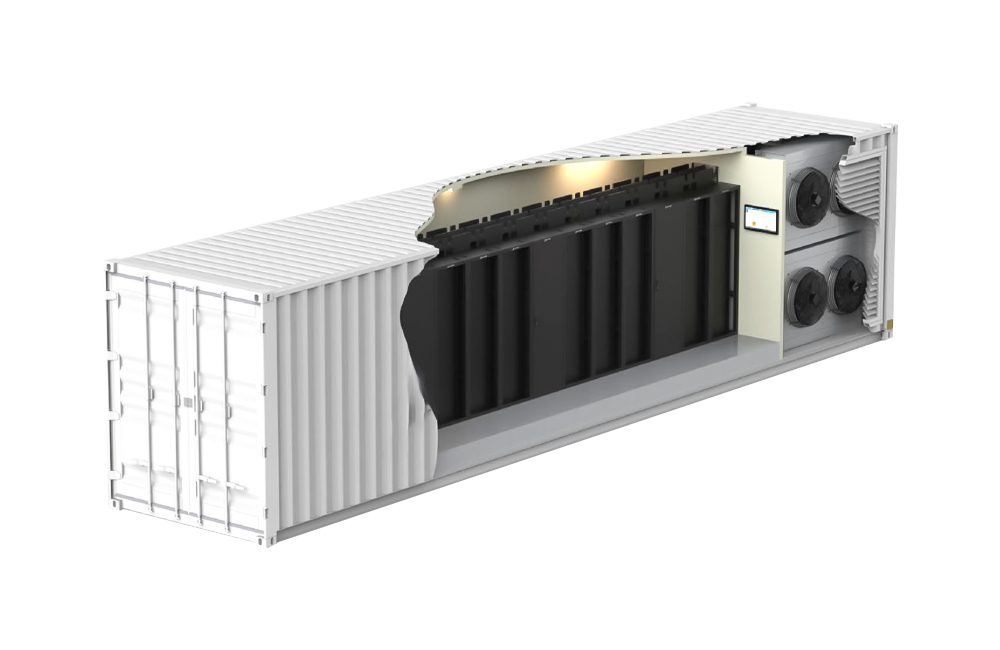
ประสิทธิภาพของทรัพยากร
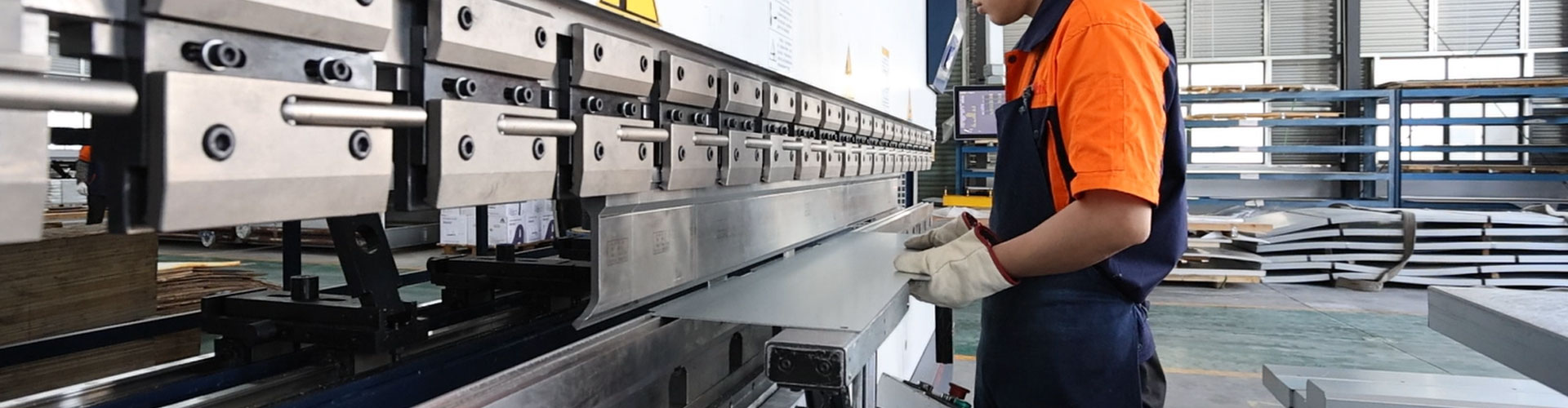
ในการก่อสร้างแบบดั้งเดิม วัสดุจำนวนมากสามารถกลายเป็นของเสียได้ ด้วย ศูนย์ข้อมูลสำเร็จรูปแต่ละส่วนประกอบได้รับการสร้างขึ้นตามข้อกำหนดเฉพาะที่แน่นอนในสภาพแวดล้อมที่มีการควบคุม ซึ่งช่วยลดของเสียให้เหลือน้อยที่สุด ครั้งหนึ่ง ฉันได้ไปเยี่ยมชมโรงงานแห่งหนึ่งซึ่งกระบวนการนำขยะกลับมารีไซเคิลสามารถรีไซเคิลวัสดุที่เหลือจากการก่อสร้างได้เกือบ 80% ความแม่นยำในการออกแบบมักจะทำให้เกิดข้อผิดพลาดน้อยลง ช่วยประหยัดทั้งเวลาและทรัพยากร
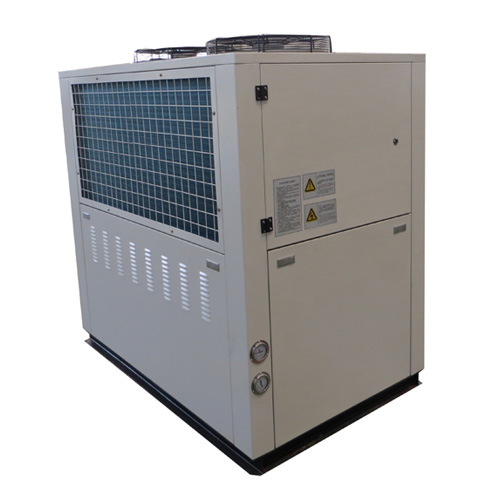
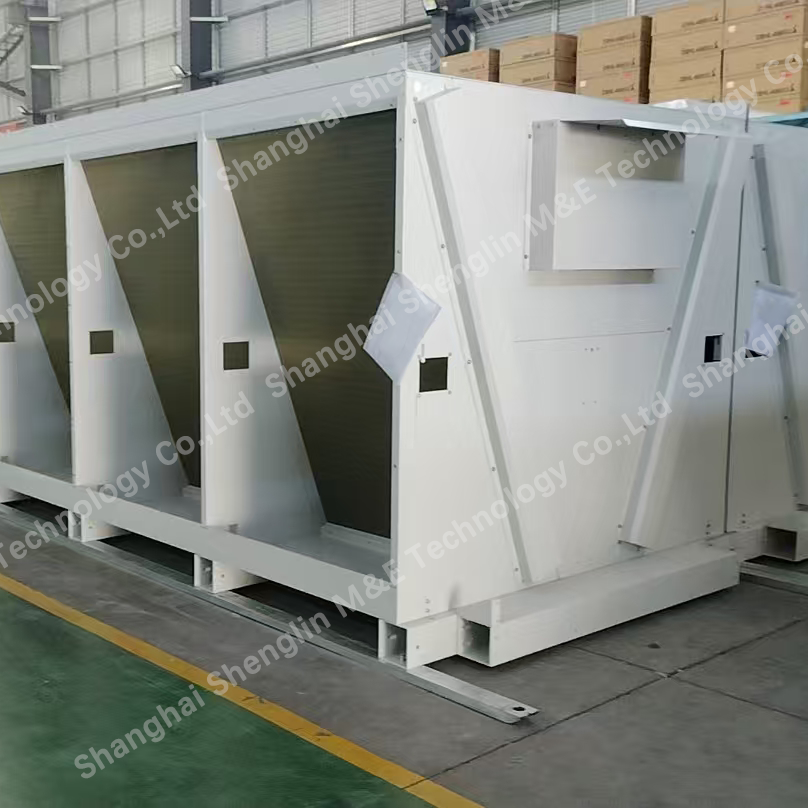
ข้อสันนิษฐานทั่วไปคือรูปแบบสำเร็จรูปจำเป็นต้องหมายถึงคุณภาพที่ถูกกว่าหรือต่ำกว่า แต่ก็ไม่ได้เป็นเช่นนั้น หลายๆ คนใน Shanghai SHENGLIN M&E Technology Co., Ltd (https://www.ShenglinCoolers.com) ตั้งเป้าที่จะล้มล้างความเชื่อผิดๆ ดังกล่าวด้วยการนำเสนอโซลูชันคุณภาพสูงที่ได้รับการออกแบบทางวิศวกรรมอย่างแม่นยำในอุตสาหกรรมทำความเย็น ซึ่งทั้งมีประสิทธิภาพและทนทาน
นอกจากนี้ ระยะเวลาการก่อสร้างที่ลดลงที่เกี่ยวข้องกับโครงสร้างสำเร็จรูปยังช่วยลดการปล่อยก๊าซคาร์บอนอีกด้วย การใช้เวลาในสถานที่น้อยลงหมายถึงการปล่อยก๊าซเรือนกระจกจากอุปกรณ์ก่อสร้างและโลจิสติกส์น้อยลง ไซต์แห่งหนึ่งที่ฉันทำงานลดเวลาในการสร้างลงเกือบครึ่งหนึ่งเมื่อเทียบกับวิธีการแบบเดิม ซึ่งส่งผลกระทบโดยตรงต่อเป้าหมายความยั่งยืน
ประสิทธิภาพการใช้พลังงาน
อีกแง่มุมหนึ่งที่ ศูนย์ข้อมูลสำเร็จรูป ความเงางามอยู่ที่ประสิทธิภาพการใช้พลังงาน การออกแบบแบบโมดูลาร์มักจะประกอบด้วยระบบระบายความร้อนที่ล้ำสมัยซึ่งปรับให้เข้ากับระดับโหลดที่แตกต่างกัน ฉันเคยเห็นกรณีที่การอัพเกรดเป็นระบบโมดูลาร์ลดการใช้พลังงานลงประมาณ 30% การบูรณาการแหล่งพลังงานหมุนเวียนกำลังกลายเป็นเรื่องปกติในศูนย์เหล่านี้
ประโยชน์ที่ไม่คาดคิดมาจากสภาพอากาศหนาวเย็นทางตอนเหนือ ด้วยการเลือกที่จะวางศูนย์ข้อมูลในสภาพแวดล้อมที่เย็นตามธรรมชาติและใช้การออกแบบแบบโมดูลาร์ ผู้ปฏิบัติงานสามารถลดความต้องการพลังงานในการทำความเย็นได้อีก แนวทางนี้ไม่ได้ปราศจากความท้าทาย แต่ให้ผลตอบแทนด้านความยั่งยืนที่น่าสังเกตเมื่อดำเนินการอย่างดี
ความเชี่ยวชาญของบริษัทอย่าง SHENGLIN โดดเด่นที่นี่ โดยที่เทคโนโลยีทำความเย็นทางอุตสาหกรรมโดยเฉพาะจะปรับแต่งโซลูชันให้ตรงกับทั้งสภาพแวดล้อมและความต้องการพลังงานอย่างมีประสิทธิภาพ โดยสอดคล้องกับวัตถุประสงค์ด้านความยั่งยืน
ความสามารถในการปรับขนาดและการปรับตัว
ความสามารถในการปรับขนาดนำเสนอความยั่งยืนอีกชั้นหนึ่ง ศูนย์ข้อมูลสำเร็จรูปสามารถขยายได้ตามต้องการ หลีกเลี่ยงการเปลืองพื้นที่และทรัพยากรที่ไม่ได้ใช้ ฉันเคยเห็นกรณีที่บริษัทสามารถเพิ่มขนาดการประมวลผลข้อมูลได้อย่างราบรื่นในหลายขั้นตอน ซึ่งตรงกับความต้องการทางธุรกิจที่กำลังเติบโตโดยไม่ทำให้โครงสร้างพื้นฐานล้นหลาม
ความสามารถในการปรับตัวเข้ากับเทคโนโลยีใหม่ถือเป็นสิ่งสำคัญ แตกต่างจากศูนย์ข้อมูลทั่วไปที่อาจล้าสมัย หน่วยสำเร็จรูปสามารถอัปเกรดหรือนำกลับมาใช้ใหม่ได้อย่างง่ายดาย ความยืดหยุ่นนี้ช่วยขยายวงจรชีวิตของศูนย์ข้อมูล ซึ่งเป็นประเด็นสำคัญในการอภิปรายเรื่องความยั่งยืน
แต่ความสามารถในการปรับตัวไม่ได้จำกัดอยู่ที่เทคโนโลยีเพียงอย่างเดียว ศูนย์สำเร็จรูปที่สร้างขึ้นโดยคำนึงถึงการขยายในอนาคตสามารถลดผลกระทบต่อสิ่งแวดล้อมได้อย่างมากเมื่อเทียบกับการสร้างตั้งแต่เริ่มต้น เป็นบทเรียนที่เราได้เรียนรู้ถึงวิธีที่ยากเมื่อถูกจำกัดด้วยการตั้งค่าแบบเดิมๆ ซึ่งทำให้มีพื้นที่เล็กๆ สำหรับการปรับเปลี่ยนโดยไม่สิ้นเปลืองและการหยุดชะงักมากนัก
ประสิทธิภาพต้นทุน
การลงทุนเริ่มแรกอาจสูงกว่าสำหรับหน่วยสำเร็จรูป แต่ข้อดีด้านต้นทุนระยะยาวก็บอกได้ด้วยตัวเอง การใช้พลังงานและของเสียที่ลดลง ควบคู่ไปกับการหยุดทำงานที่น้อยลงเนื่องจากการประกอบที่เร็วขึ้น มักจะเกินดุลต้นทุนเริ่มต้นเหล่านี้ แต่ไม่ใช่แค่เรื่องการประหยัดเงินเท่านั้น แต่ยังเกี่ยวกับการใช้เงินอย่างคุ้มค่าด้วย
ต้นทุนการดำเนินงานลดลงเนื่องจากการออกแบบที่ประหยัดพลังงานและความจำเป็นในการซ่อมแซมและบำรุงรักษาน้อยลง ฉันจำการสนทนากับผู้จัดการไซต์ที่ SHENGLIN ซึ่งเน้นย้ำว่าการประหยัดเหล่านี้ช่วยให้พวกเขาสามารถจัดสรรทรัพยากรให้กับโครงการเชิงนวัตกรรมแทนที่จะบำรุงรักษาอย่างต่อเนื่องได้อย่างไร
ประสิทธิภาพการดำเนินงานควรคำนึงถึงค่าใช้จ่ายด้านลอจิสติกส์เสมอ ซึ่งศูนย์ข้อมูลสำเร็จรูปสามารถลดลงได้ การเยี่ยมชมสถานที่น้อยลงและแรงงานในสถานที่น้อยลง ไม่เพียงแต่ช่วยลดต้นทุน แต่ยังลดผลกระทบต่อสิ่งแวดล้อมอีกด้วย เป็นการสร้างสมดุลระหว่างความคุ้มทุนและแนวทางปฏิบัติที่ยั่งยืน ซึ่งง่ายต่อการจัดการด้วยโมเดลสำเร็จรูป
อนาคตในอนาคต
อนาคตของ ศูนย์ข้อมูลสำเร็จรูป สัญญาว่าจะมีนวัตกรรมที่มากขึ้นในด้านความยั่งยืน ในขณะที่อุตสาหกรรมต่างๆ มุ่งมั่นในการปล่อยก๊าซเรือนกระจกสุทธิเป็นศูนย์ ความก้าวหน้าในด้านวัสดุและเทคโนโลยีจะช่วยเพิ่มความเป็นมิตรต่อสิ่งแวดล้อมให้ดียิ่งขึ้น ข้อพิจารณาต่างๆ เช่น การออกแบบตามสภาพอากาศและการใช้วัสดุรีไซเคิลอย่างกว้างขวางมากขึ้นนั้นกำลังจะเกิดขึ้นเร็วๆ นี้
เมื่ออยู่ในภาคสนาม เราสัมผัสได้ถึงแนวโน้มที่เพิ่มขึ้นในการบูรณาการระบบการจัดการพลังงานที่ขับเคลื่อนด้วย AI เข้ากับศูนย์เหล่านี้เพื่อเพิ่มประสิทธิภาพสูงสุด แม้ว่านี่จะไม่ได้ปราศจากความท้าทาย แต่ประโยชน์ที่เป็นไปได้สำหรับความยั่งยืนก็มีนัยสำคัญ
โดยสรุป แม้ว่าศูนย์ข้อมูลสำเร็จรูปจะไม่ใช่โซลูชันที่ครอบคลุมสำหรับความยั่งยืน แต่ก็มีช่องทางที่มีแนวโน้มในการลดผลกระทบต่อสิ่งแวดล้อม พวกเขาแสดงให้เห็นถึงการผสมผสานในทางปฏิบัติของการออกแบบที่ชาญฉลาด ประสิทธิภาพของทรัพยากร และความสามารถในการปรับตัว มอบโซลูชันที่สมดุลสำหรับอุตสาหกรรมที่คำนึงถึงสิ่งแวดล้อมในปัจจุบัน ดังที่มองผ่านเลนส์ของ SHENGLIN เส้นทางนี้ไม่ได้เกี่ยวกับการเปลี่ยนแปลงครั้งใหญ่ แต่เกี่ยวกับการปรับปรุงอย่างชาญฉลาดและเพิ่มขึ้นทั้งในด้านเทคโนโลยีและการปฏิบัติ