Understanding Prefabricated Modular Data Centers: Insights and Reflections
Prefabricated modular data centers have been disrupting the traditional data center landscape with promises of flexibility and efficiency. Yet, misconceptions persist, often misconstruing them as mere 'Lego-like' solutions. Here's a dive into what truly defines these modular marvels, backed by real-world insights.
The Basics of Prefabricated Modular Data Centers
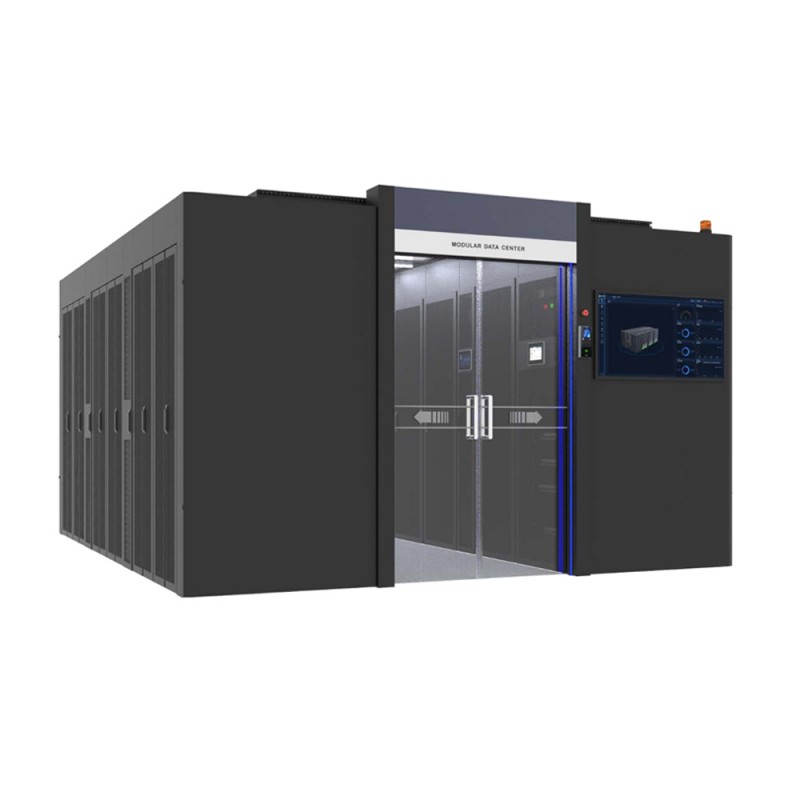
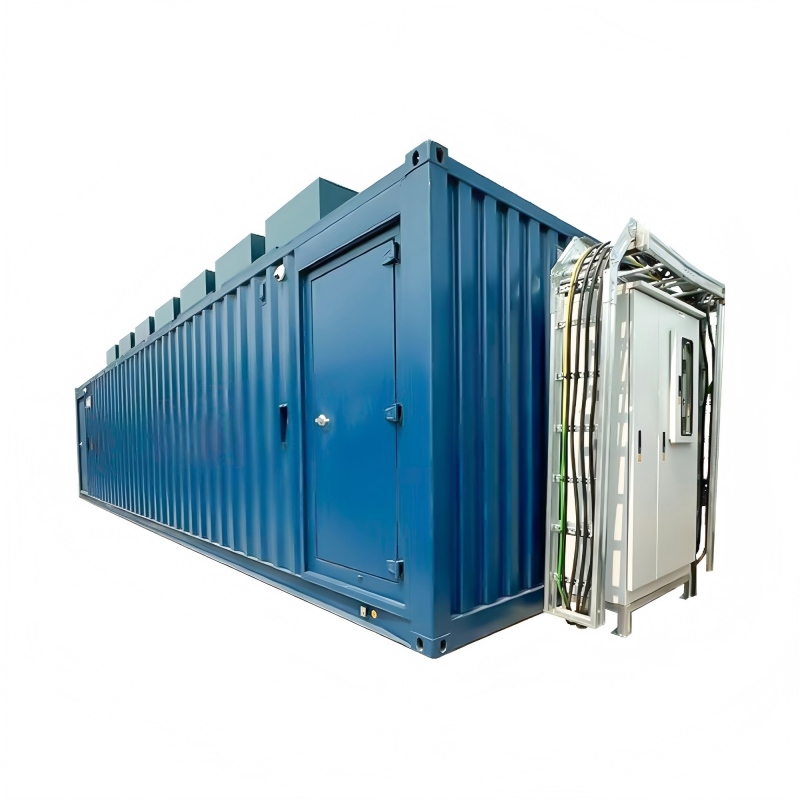
At its core, a prefabricated modular data center is a set of pre-engineered modules, swiftly deployable, and designed to provide scalable infrastructure. These modules are built off-site, which significantly accelerates deployment times and can streamline operations. But I've often encountered skepticism over the stability and capacity of such modules compared to traditional builds.
When I first encountered these units at a trade fair—ironically advertised as plug-and-play—I had my doubts. Could something so transportable really replicate the robustness of a conventional setup? Conversations with industry peers revealed varied experiences. Some swore by their reliability, while others hinted at integration hiccups.
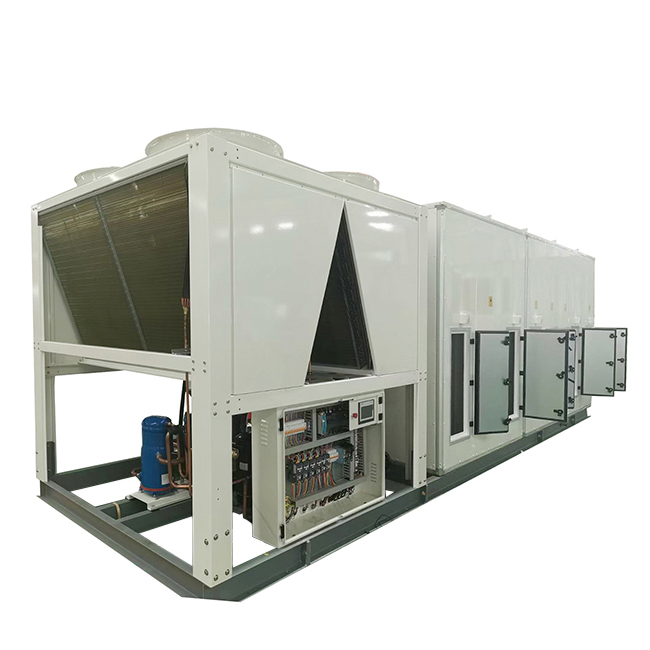
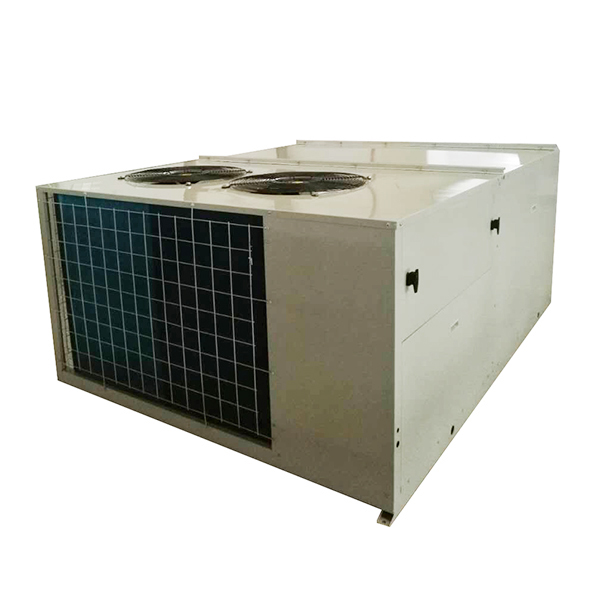
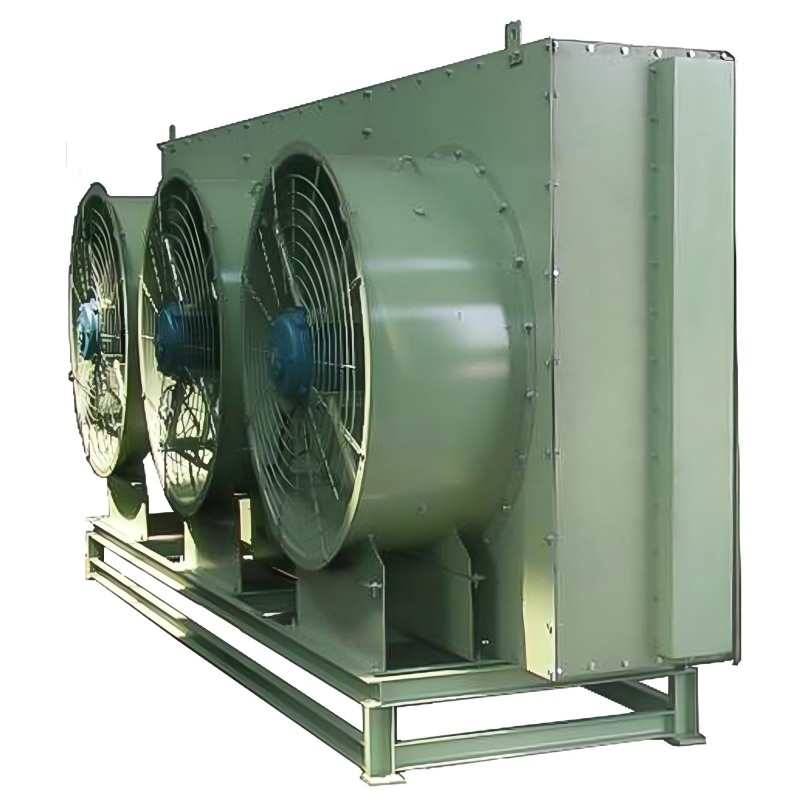
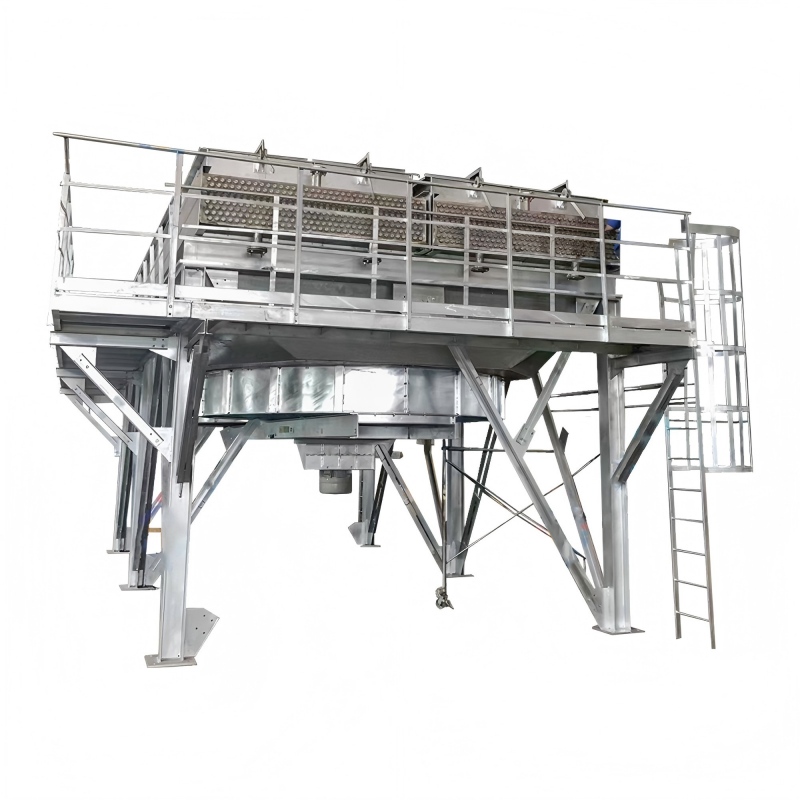
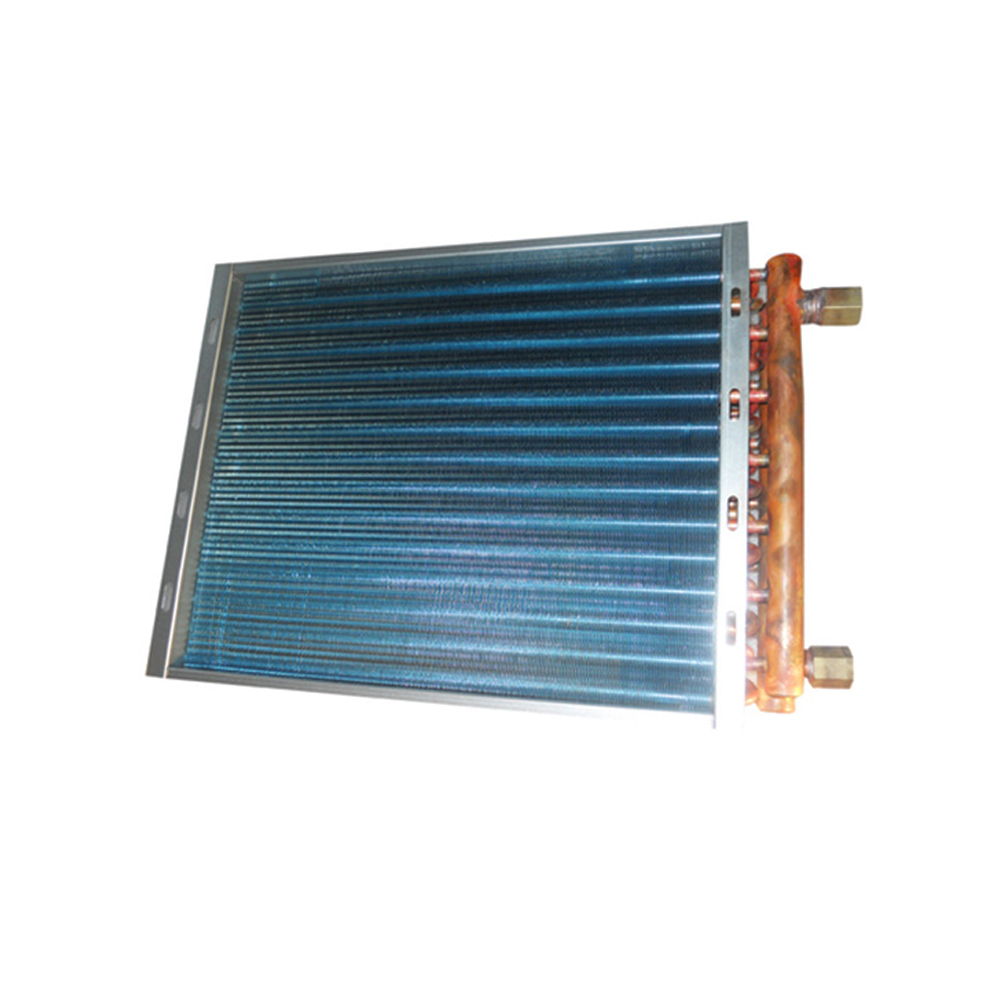
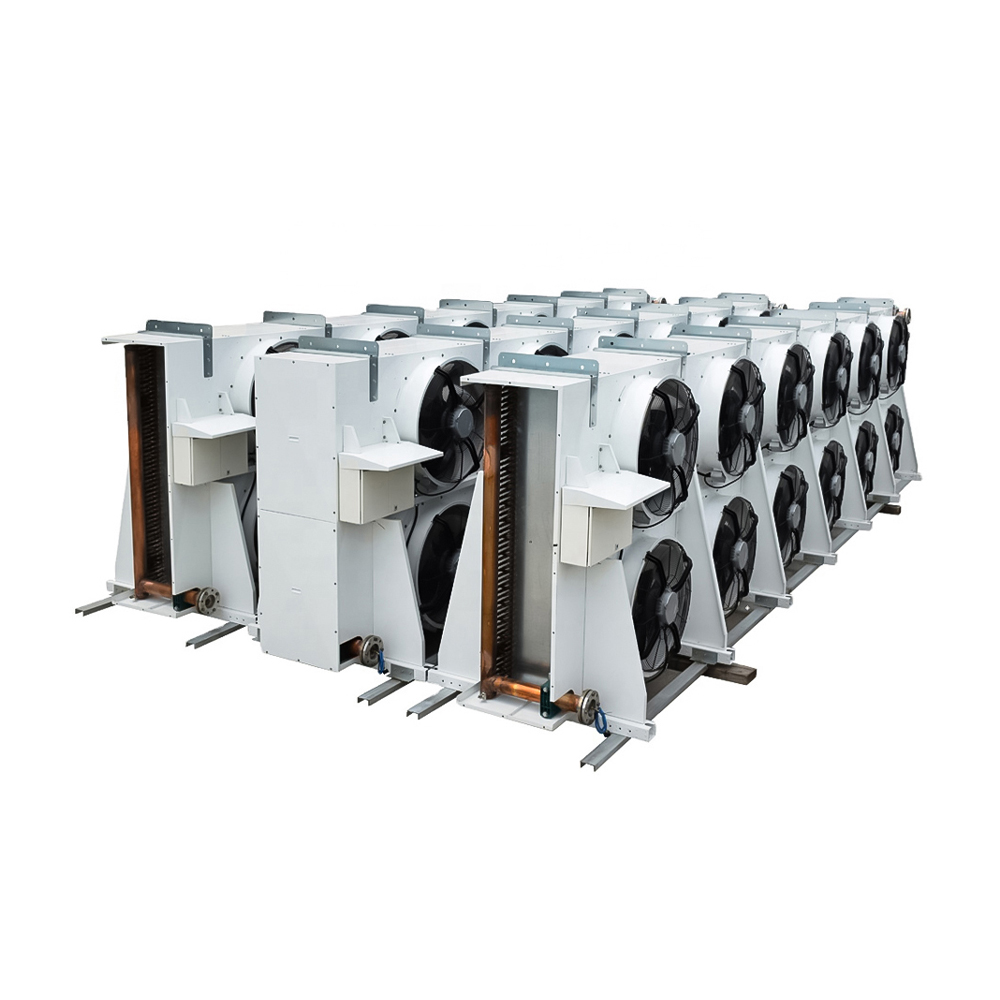
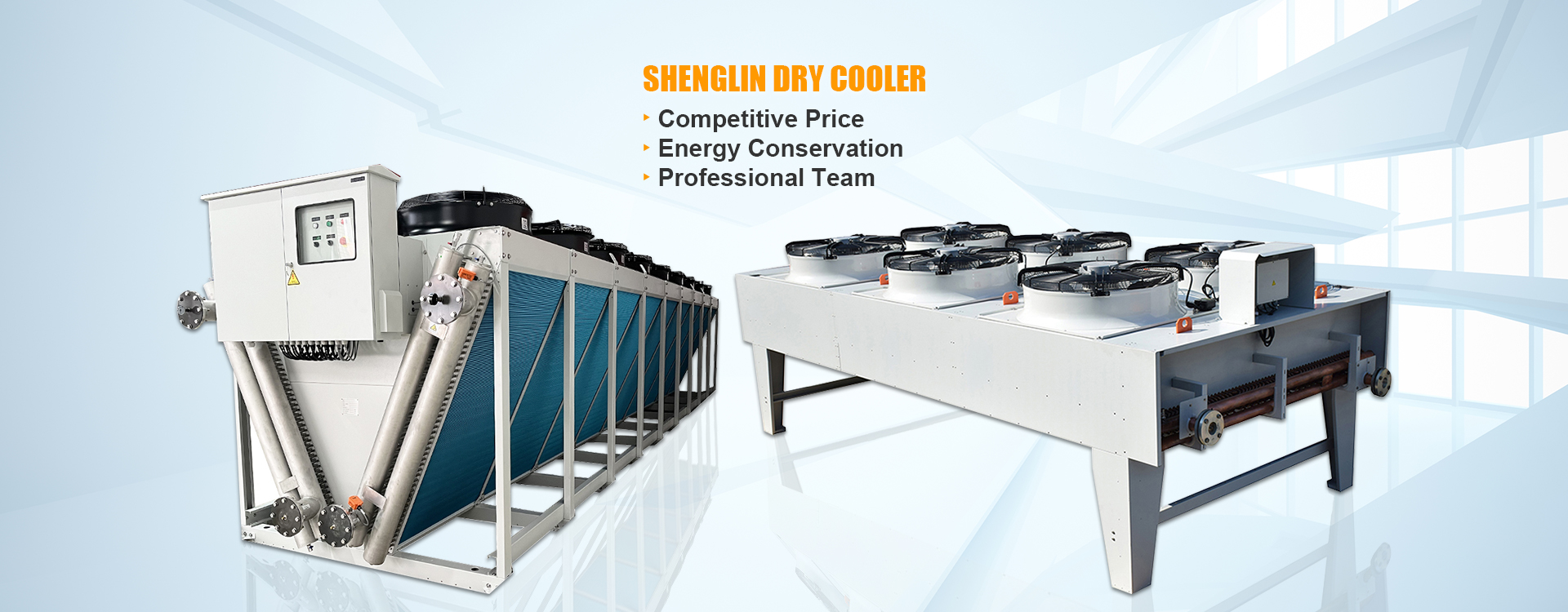
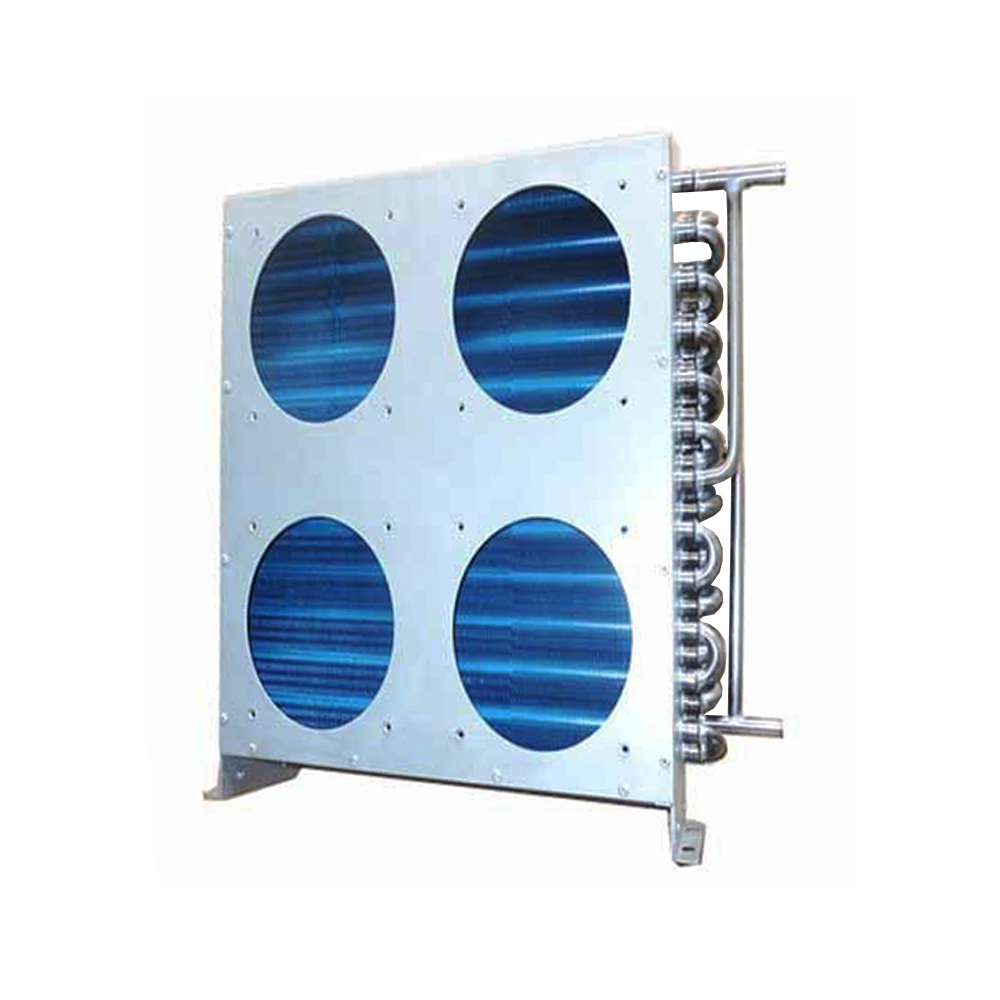
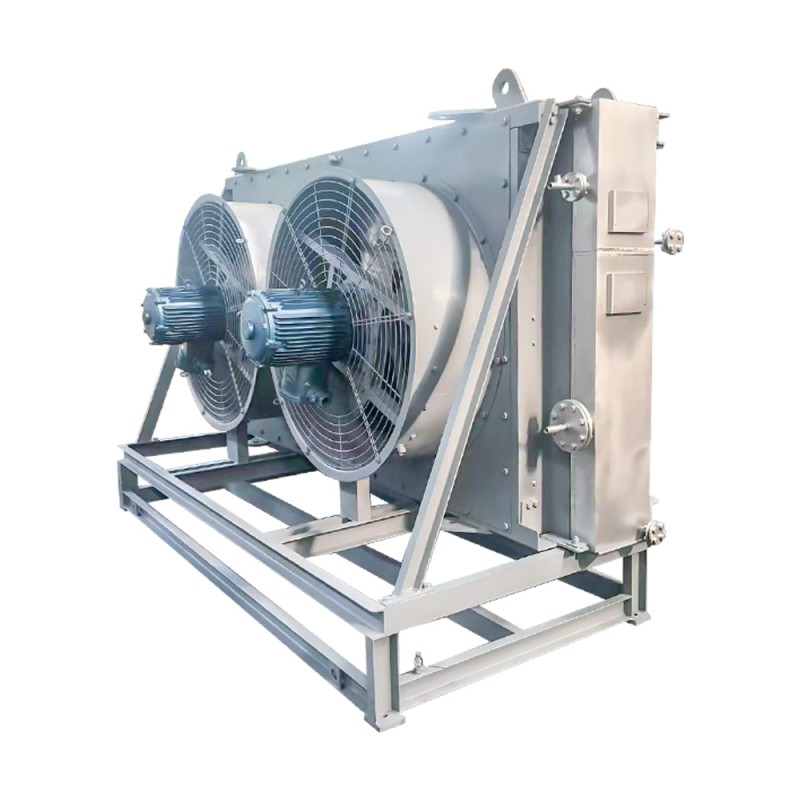
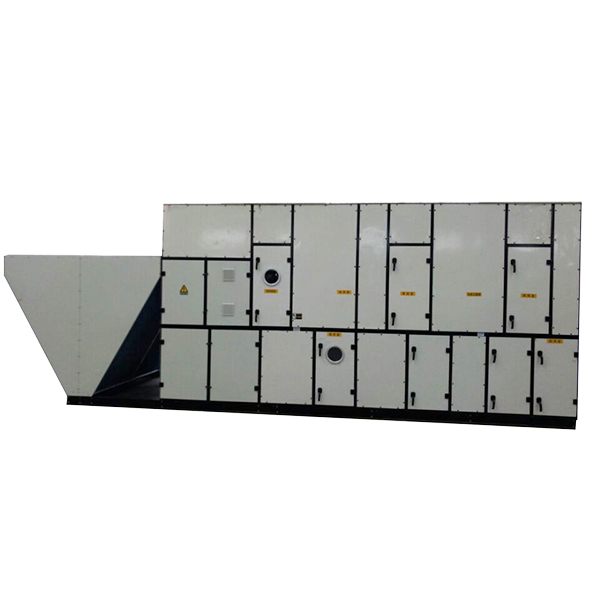
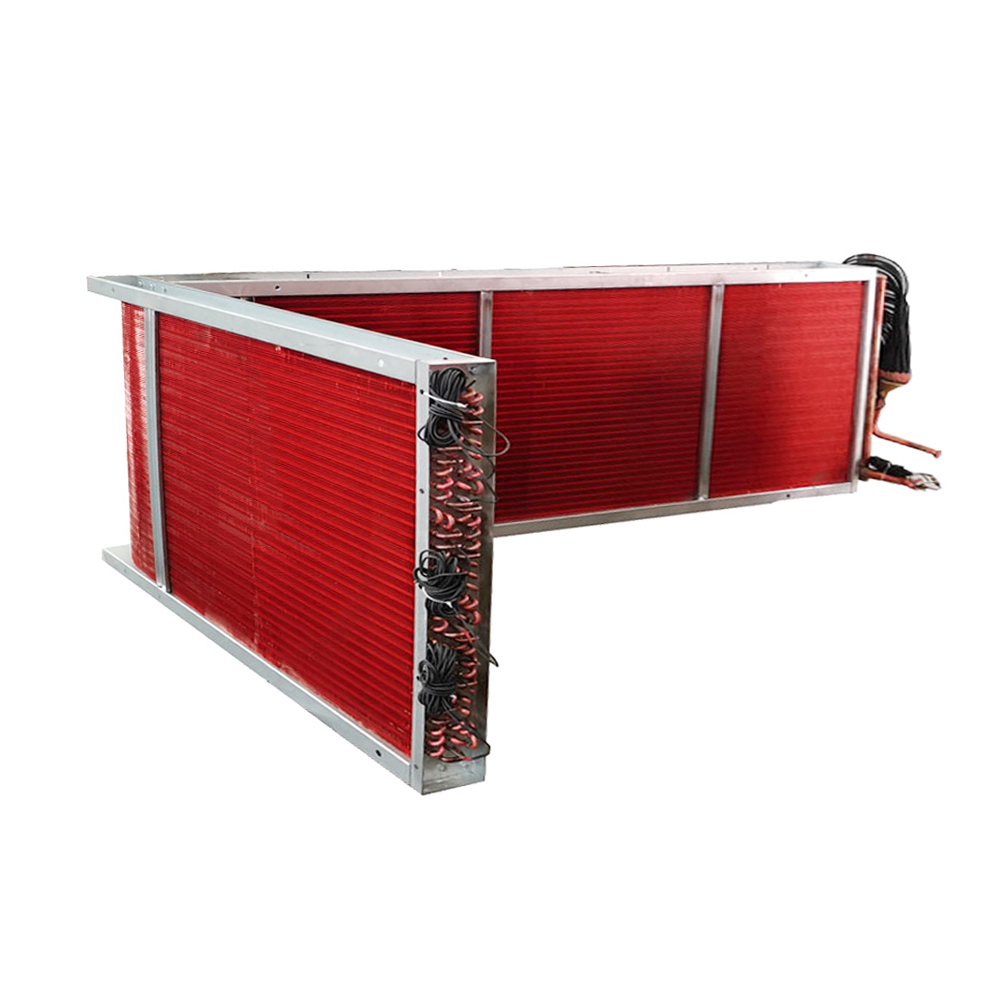
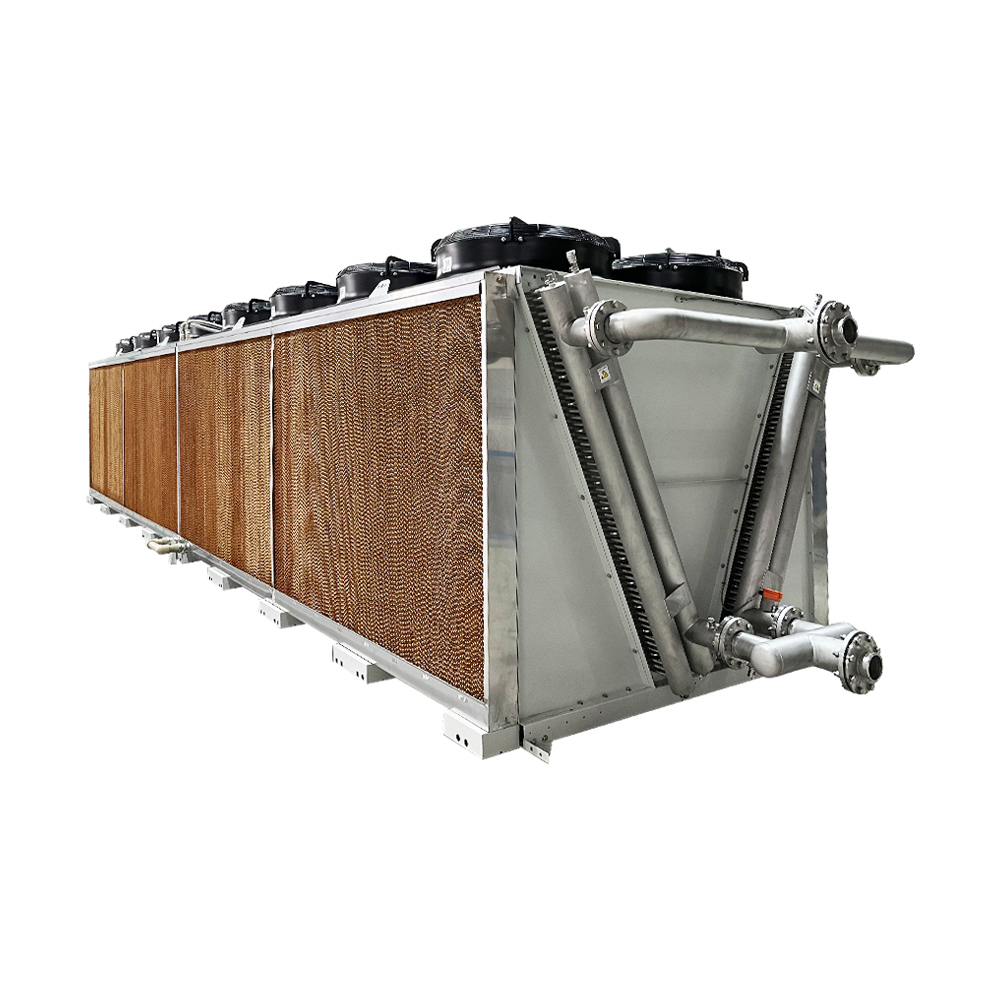
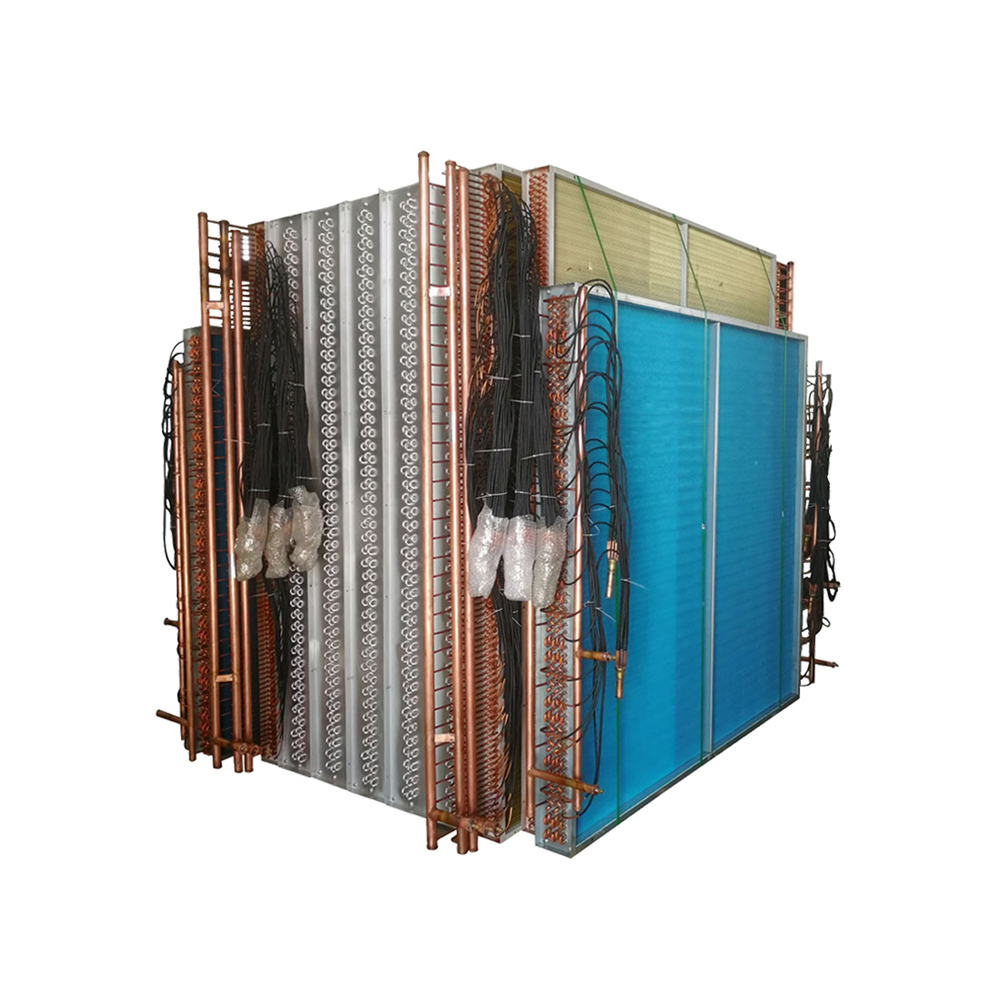
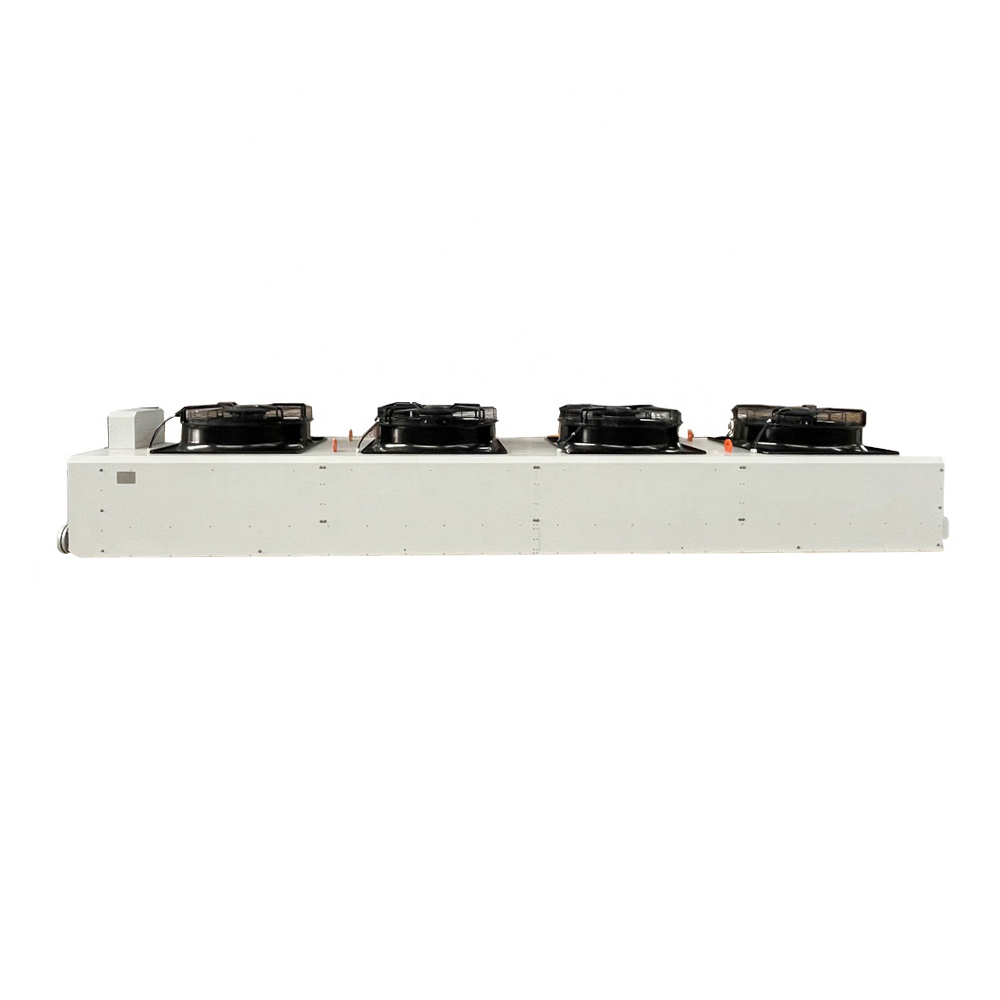
What stood out, however, was the capacity for customization. For instance, units from manufacturers like Shanghai SHENGLIN M&E Technology Co., Ltd offer tailored solutions for different cooling needs. The flexibility is there; it just requires thoughtful deployment.
Challenges and Missteps
Implementation isn't always smooth. One project, in a sprawling urban environment, faced regulatory hurdles. Local codes were ambiguous regarding such structures, leading to frustrating delays. Lessons learned? Engage local authorities early, anticipate red tape, and ensure all partners are aligned on requirements.
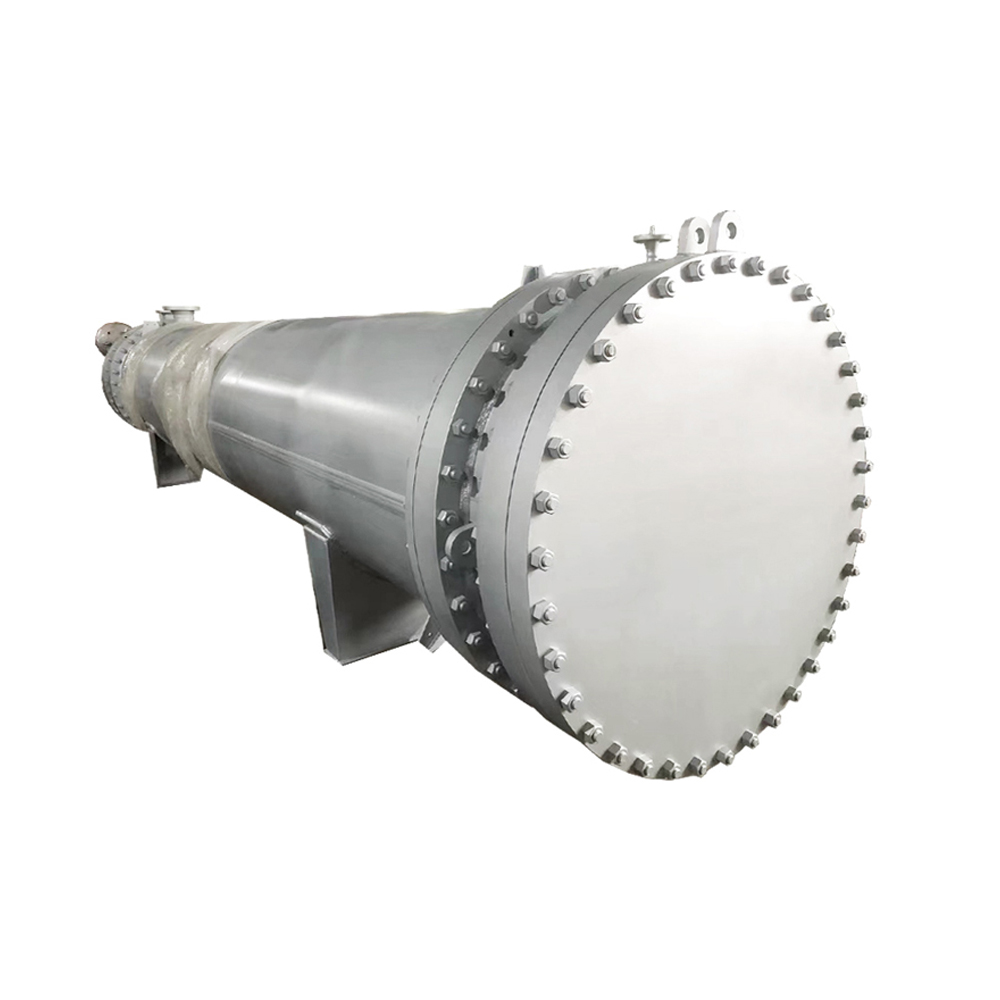
On a technical front, thermal management emerged as a critical challenge. Prefabricated units sometimes struggled with efficient cooling in extreme climates. Here, SHENGLIN's expertise in industrial cooling technologies became indispensable, illustrating the importance of choosing the right tech partner.
Moreover, there are integration challenges with existing IT setups. We once faced a significant delay due to overlooked compatibility checks, a stark reminder that planning and double-checking infrastructure touchpoints is crucial.
The Advantages in Practice
Despite challenges, the advantages often outweigh them. Quick deployment remains a key selling point. In one instance, a financial institution in a growth phase met its scalability needs in weeks, not months, and with fewer onsite logistical burdens.
Cost savings aren't just in construction but also in operational efficiency. Energy consumption monitoring is typically more advanced in modules, leading to optimized energy use. This can transform a balance sheet over time, a boon particularly for cost-sensitive sectors.
Operational agility is another benefit. During an upgrade cycle with minimal downtime, modular units allow you to efficiently phase out old equipment. It’s like having a spare, ready-to-go engine in the garage for your car.
Potential Pitfalls to Consider
The potential for rapid deployment can ironically be a pitfall; speed doesn’t mean haste. Rushed installations, as seen in some cases, lead to poor integration with existing infrastructure. Thorough site assessments and meticulous planning are non-negotiable.
Customization, while a strength, can also complicate things. I’ve watched as clients overloaded designs with every available option, leading to overly complex systems that weren’t easily scalable. Here, customer-specific insights from SHENGLIN can aid in maintaining balance without over-complicating.
Another observed pitfall involves over-reliance on vendor support. It’s easy to lean back, assuming the manufacturer has it all covered. Experience taught me that maintaining a knowledgeable in-house team pays dividends, particularly during unforeseen challenges.
Looking Ahead: Future Trends and Considerations
The future of prefabricated modular data centers is promising, especially with advancements in sustainable technologies. Companies like SHENGLIN, found at https://www.ShenglinCoolers.com, are pushing the envelope in energy-efficient cooling, setting benchmarks for the industry.
The demand for edge computing is likely to spur further innovation. Modular centers can bring computational power closer to data sources, reducing latency and improving real-time data processing—a crucial aspect as IoT continues its upward trajectory.
Ultimately, the success of modular data centers will hinge on adaptability and partnership. As a professional in this field, knowing when and where to integrate these systems can define successful deployment. With right insights and industry partnerships, such as with SHENGLIN, navigating the modular space becomes significantly more sustainable.