The Rise of Portable Data Centers: A Practical Insight
As digital demands surge, the concept of a portable data center emerges as a formidable solution, breaking the traditional boundaries of fixed infrastructure. They promise flexibility and efficiency, but what's the catch? How do they function in reality, and can they truly meet the diverse needs of modern industries?
Understanding Portable Data Centers
Picture this: a shipping container packed with blistering amounts of processing power and cooling technology sent to wherever it's needed. That's essentially what a portable data center aims to be. They’re modular, compact, and designed to be operational almost instantly upon arrival. But here’s the thing—what actually defines them isn’t just their ‘portability’ but rather their ability to support rapidly evolving technological needs.
I've found in practice, they're increasingly popular in sectors like disaster recovery, military, and remote locations where traditional data centers aren’t viable. For instance, in a recent project with a tech firm specializing in real-time data processing, the portability allowed us to set up in a desert and achieve what a usual center couldn't—timeliness.
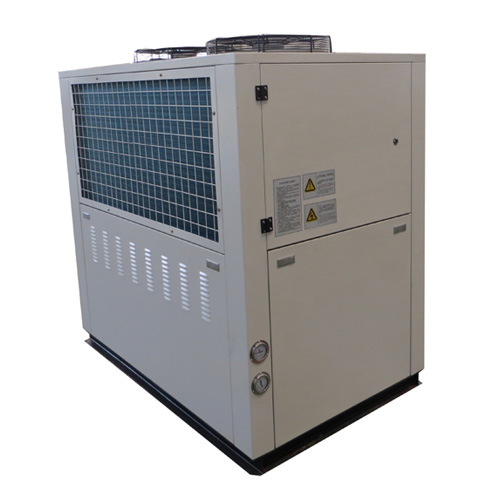
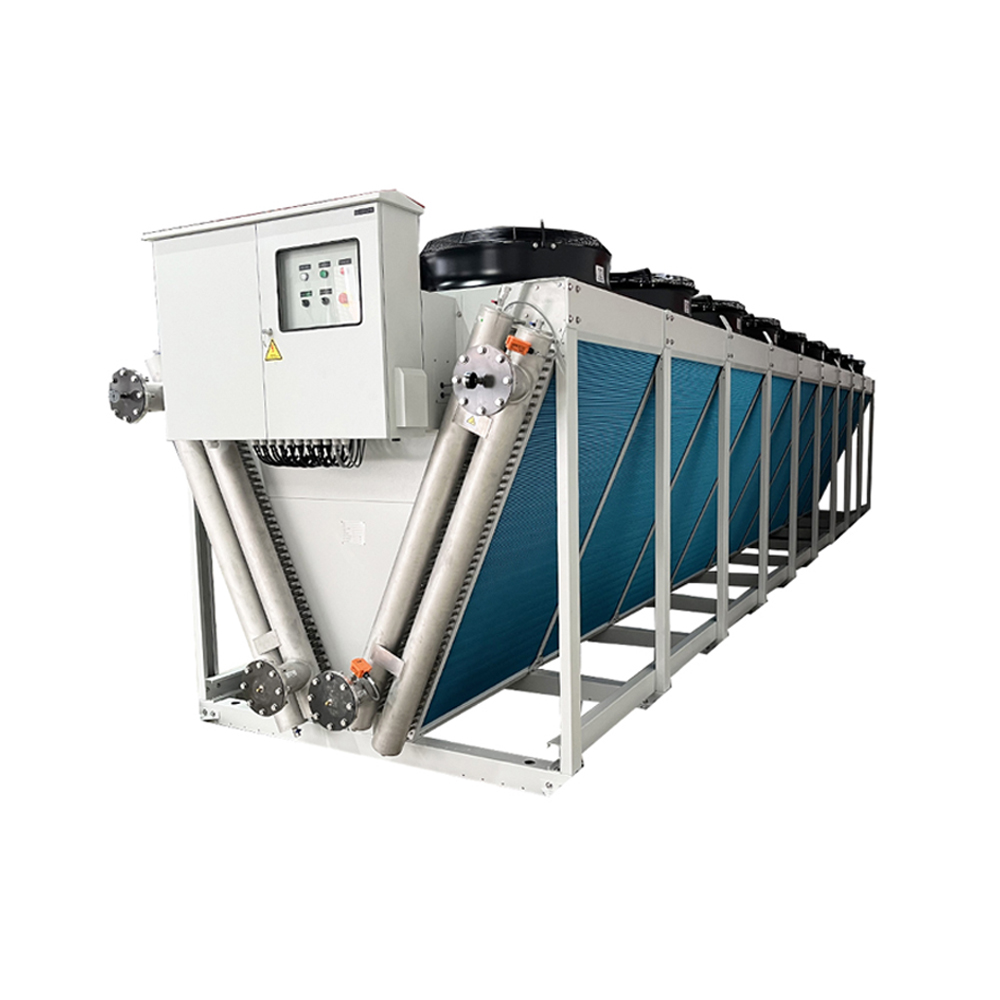
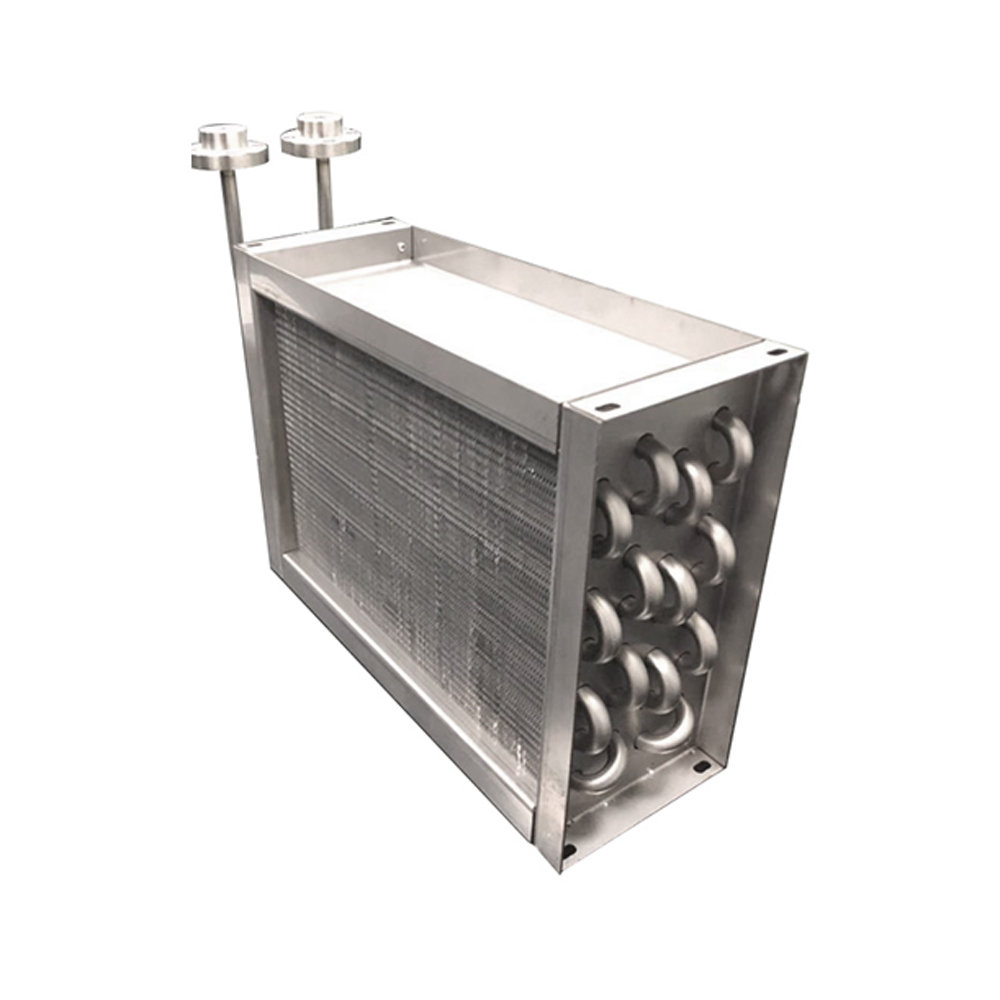
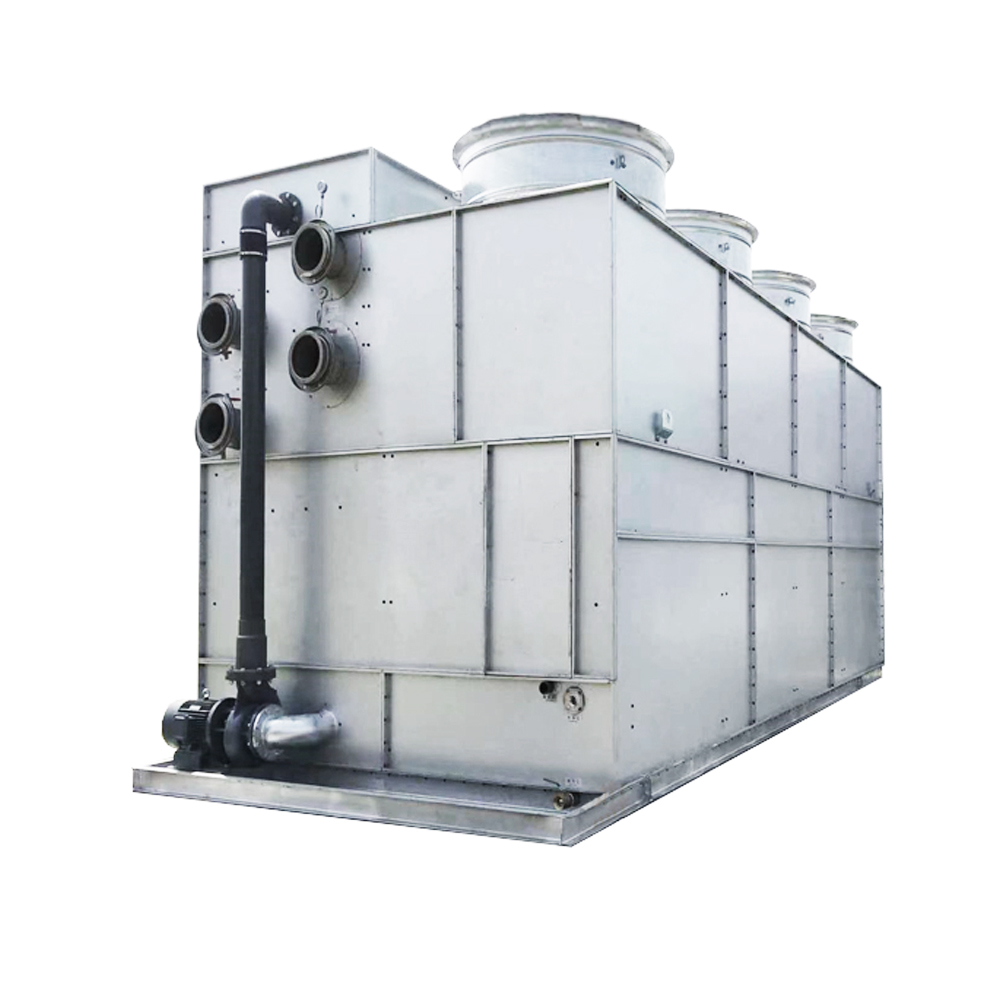
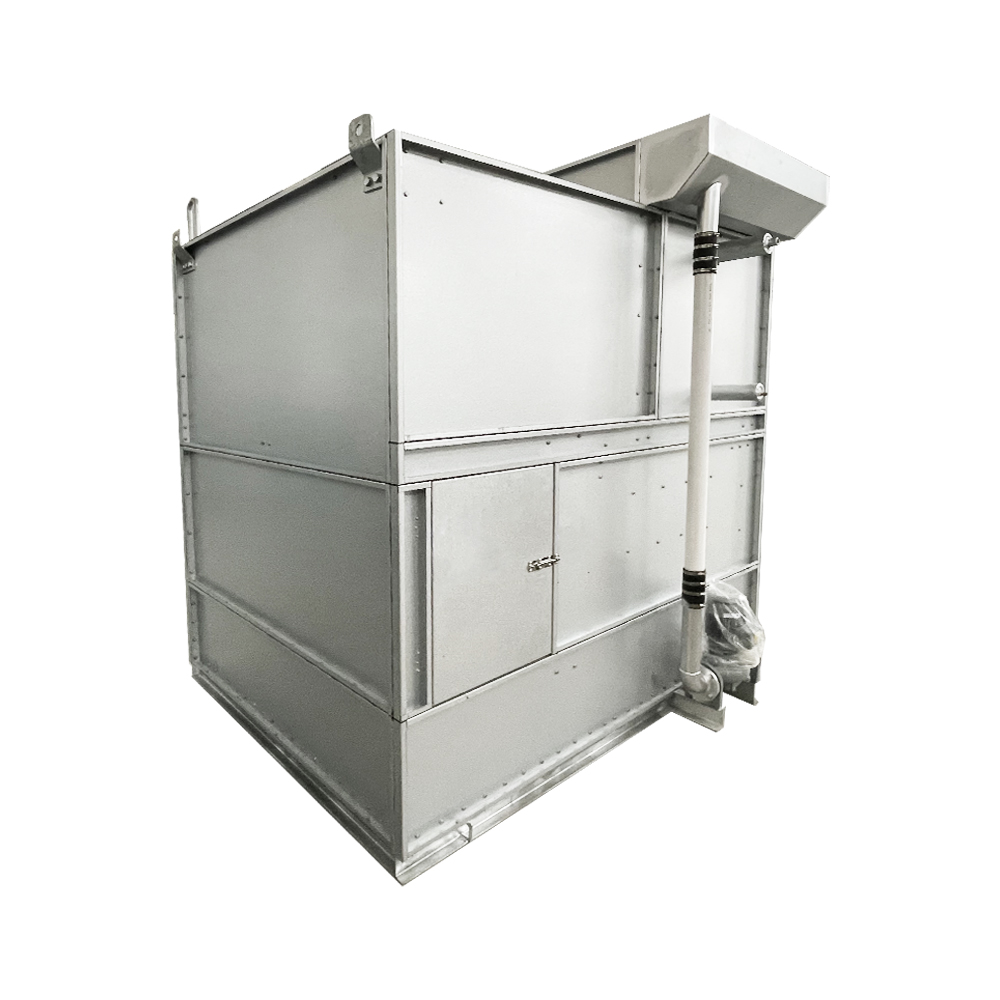
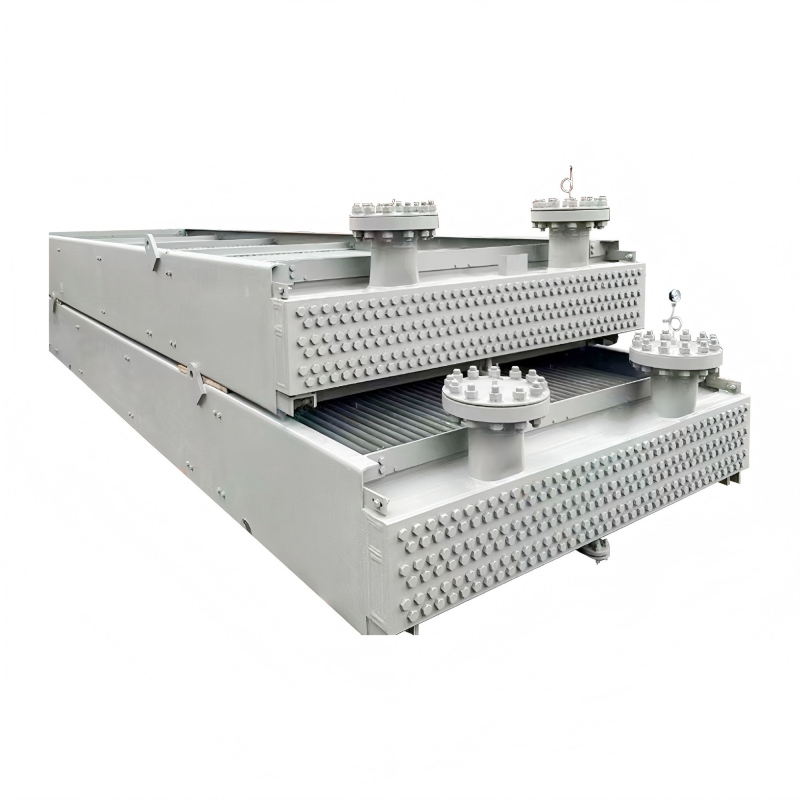
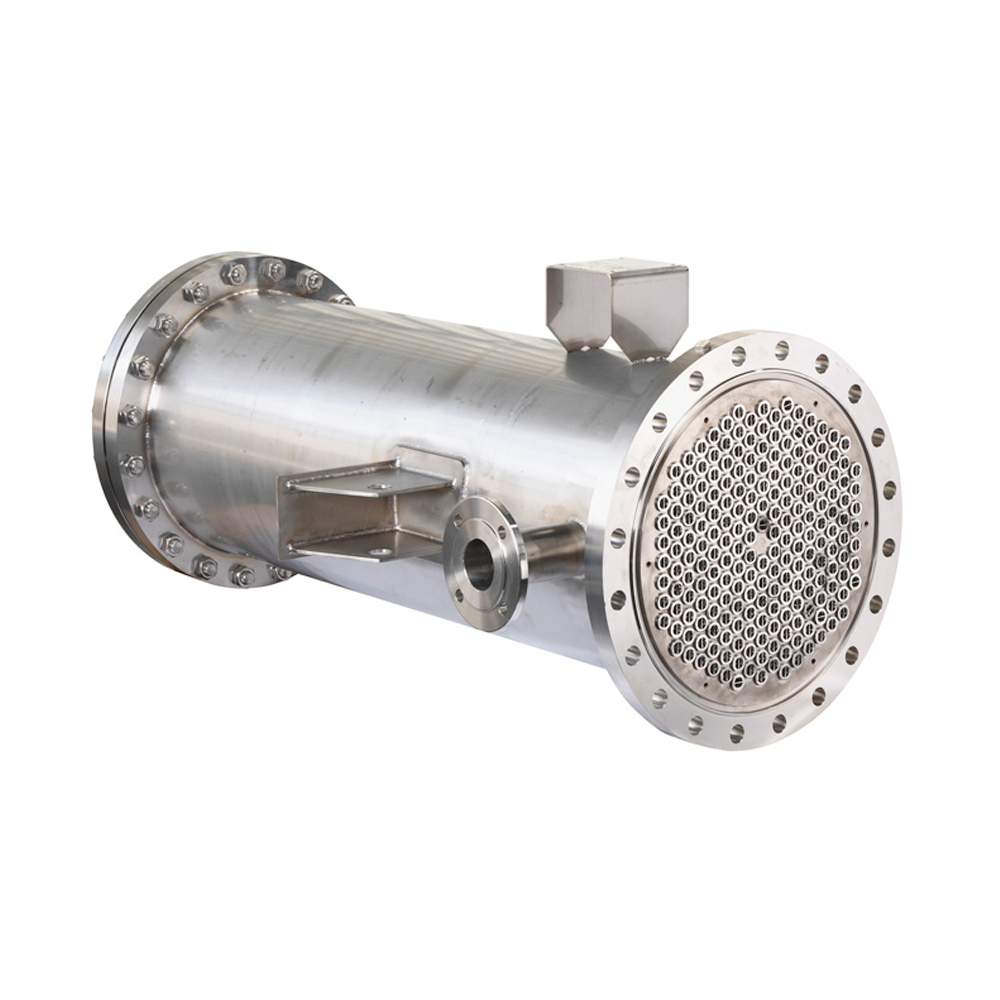
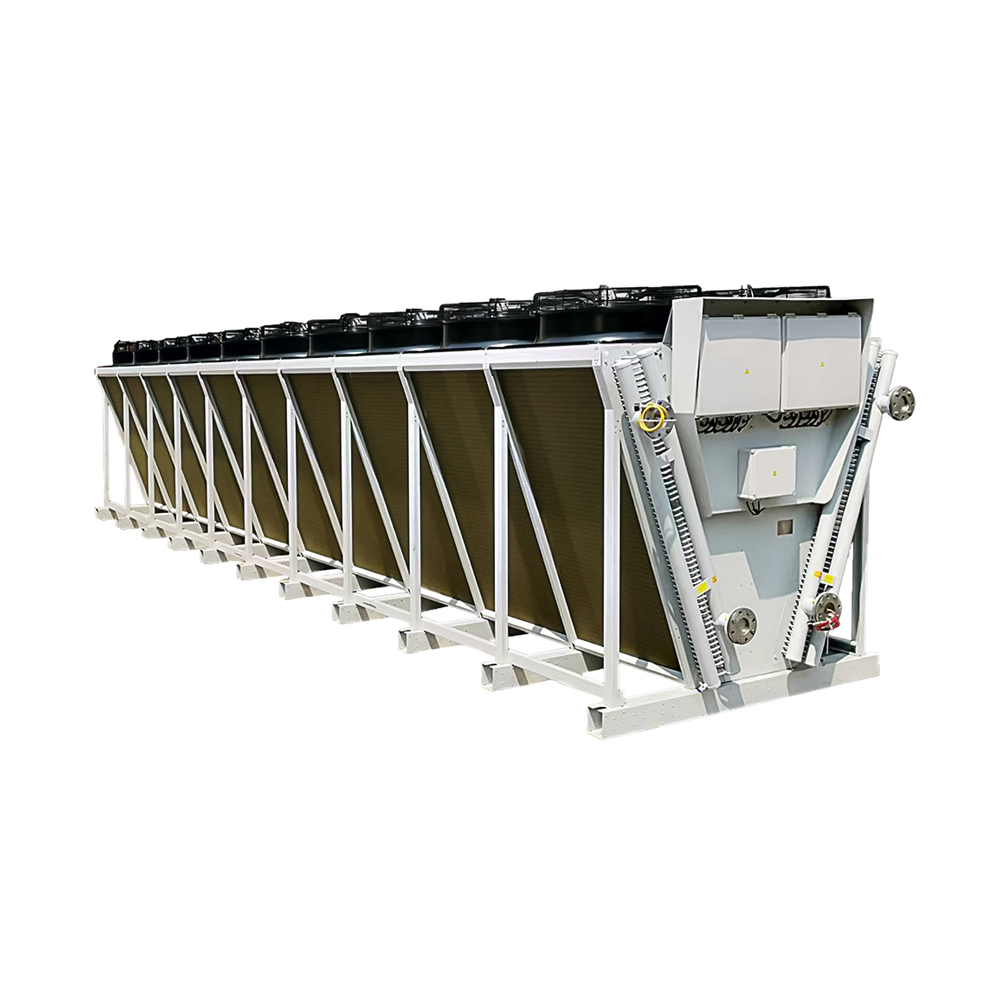
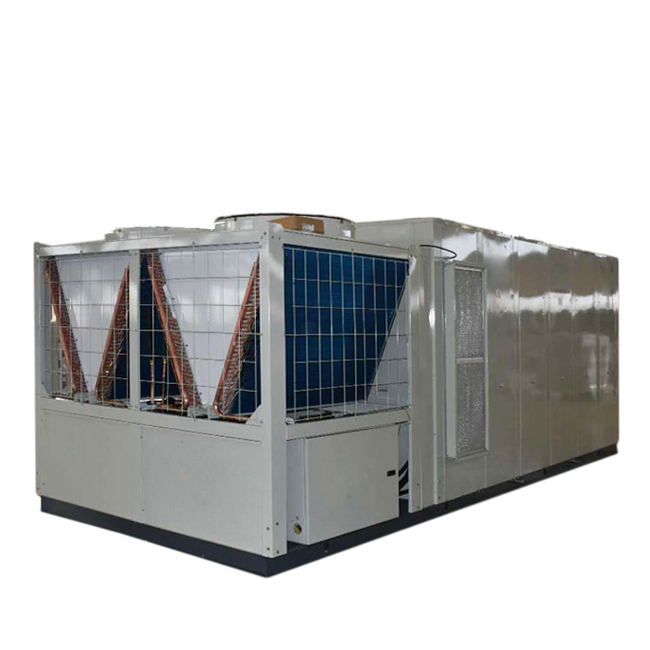
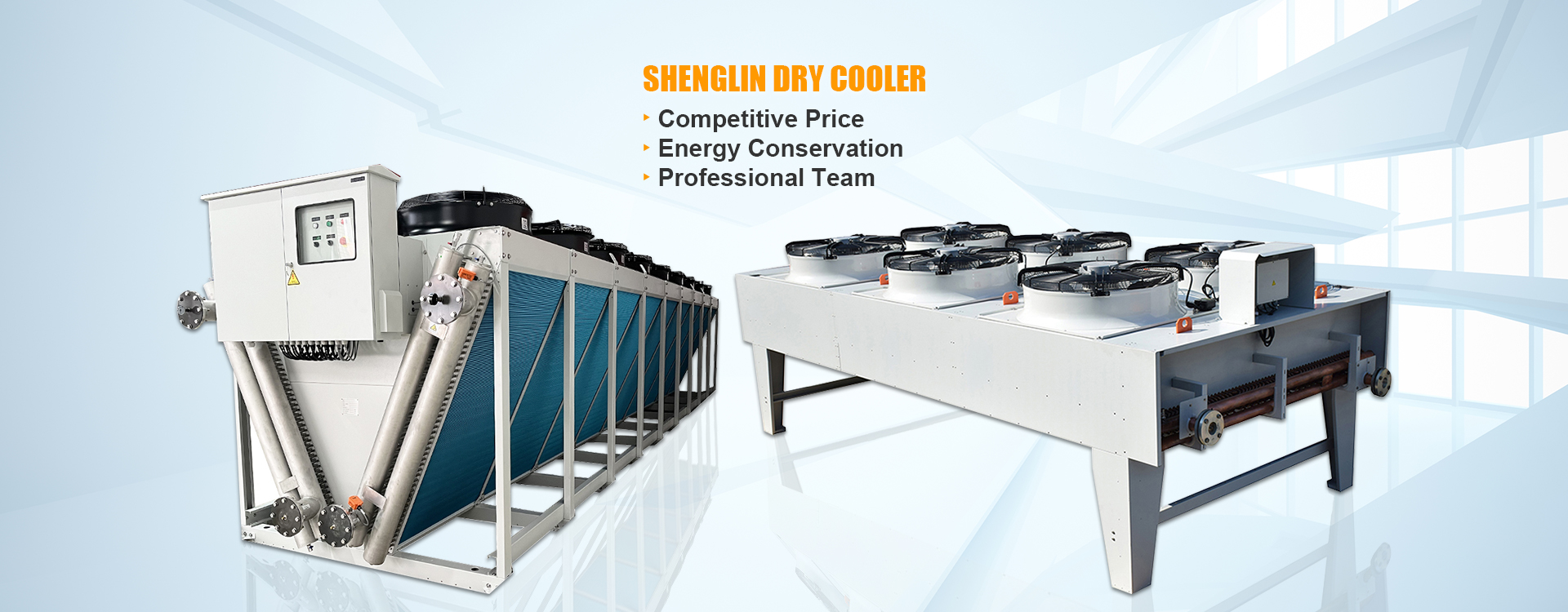
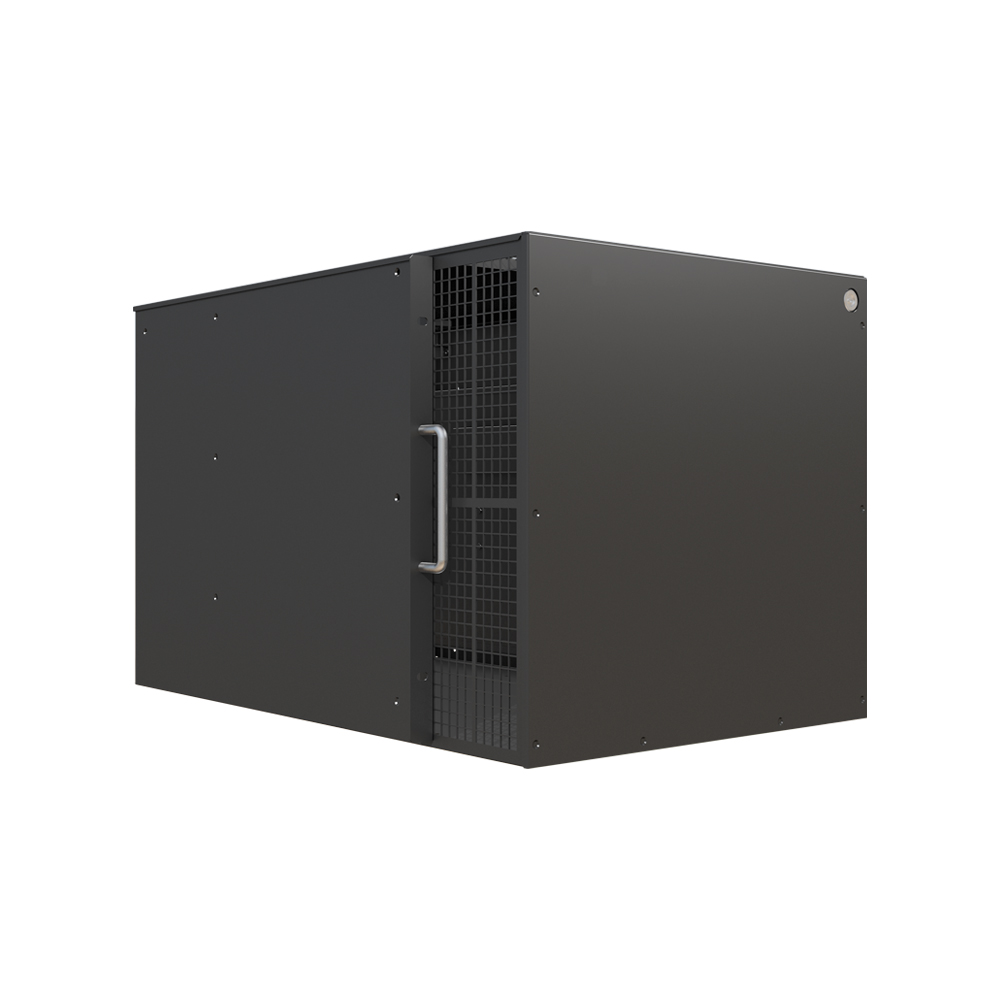
Yet, there’re misconceptions—many assume they’re all about small-scale operations. That's not true; they can be scaled to support massive data requirements. Shanghai SHENGLIN M&E Technology Co., Ltd, known for its cooling solutions, provides technologies that ensure these centers maintain optimum operating temperatures. Their solutions allow for greater power density in smaller areas.
Technical Considerations
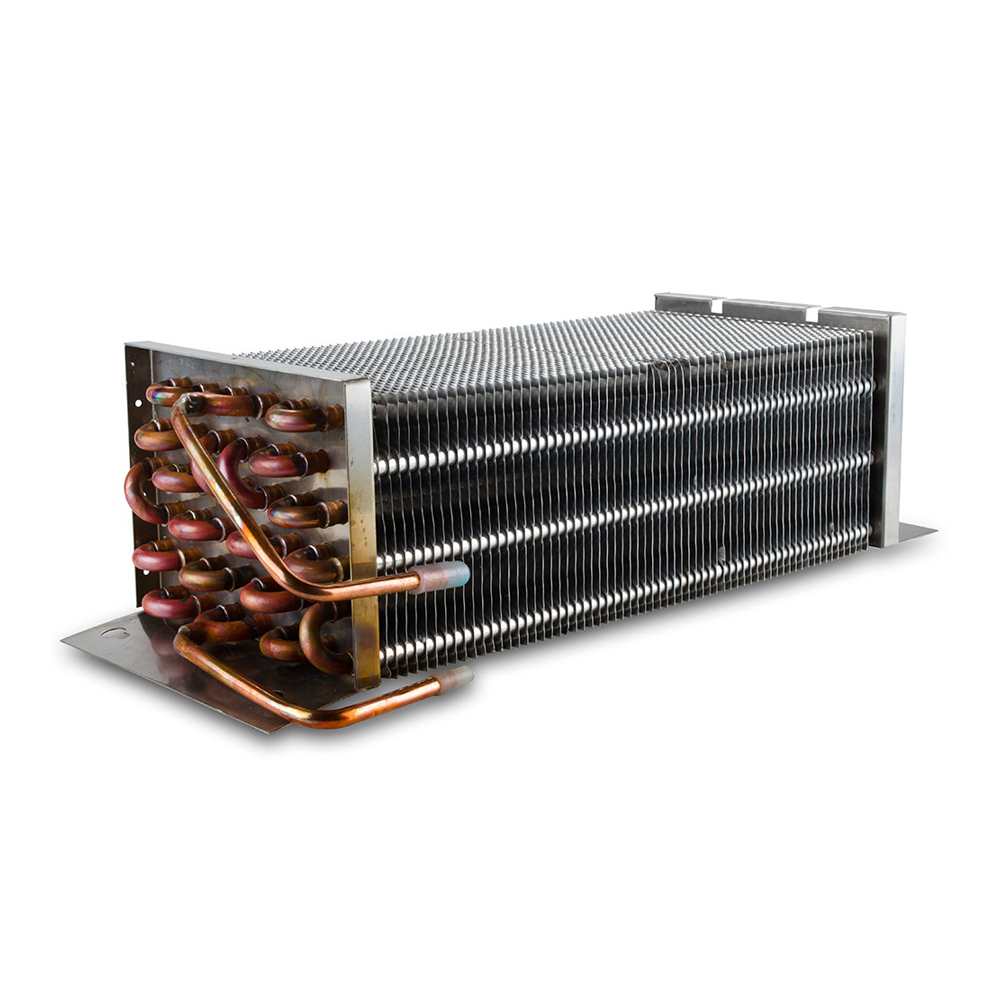
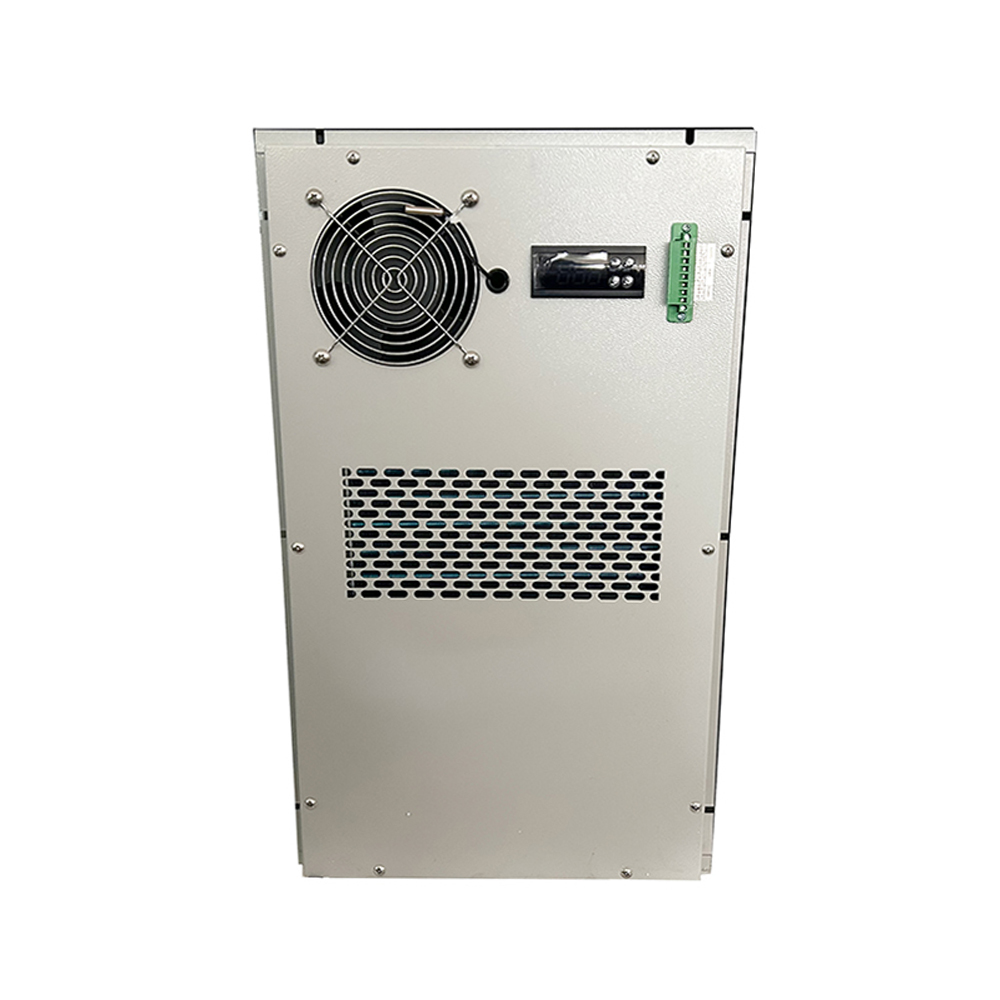
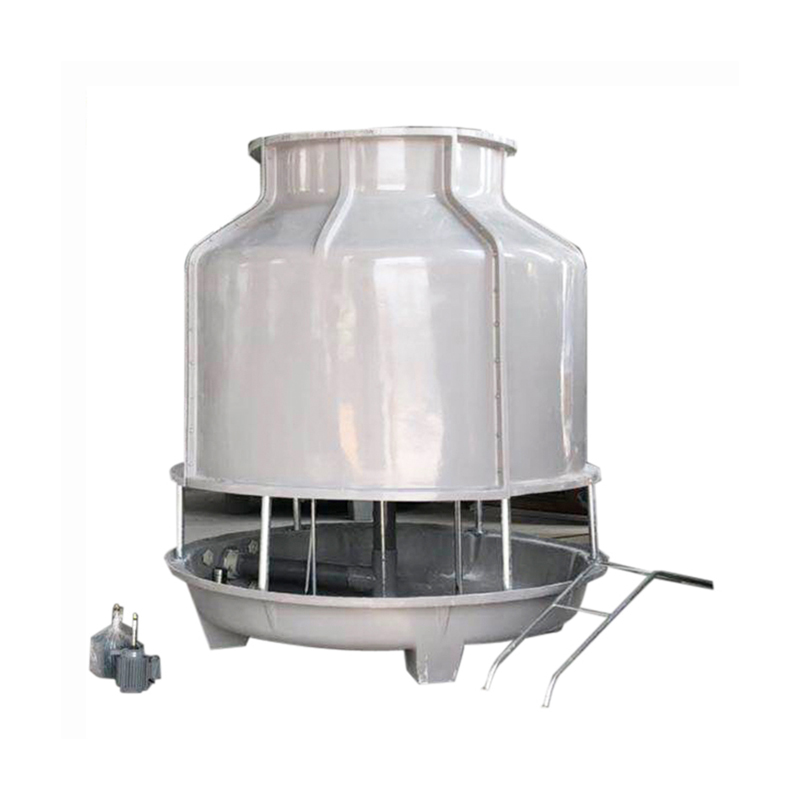
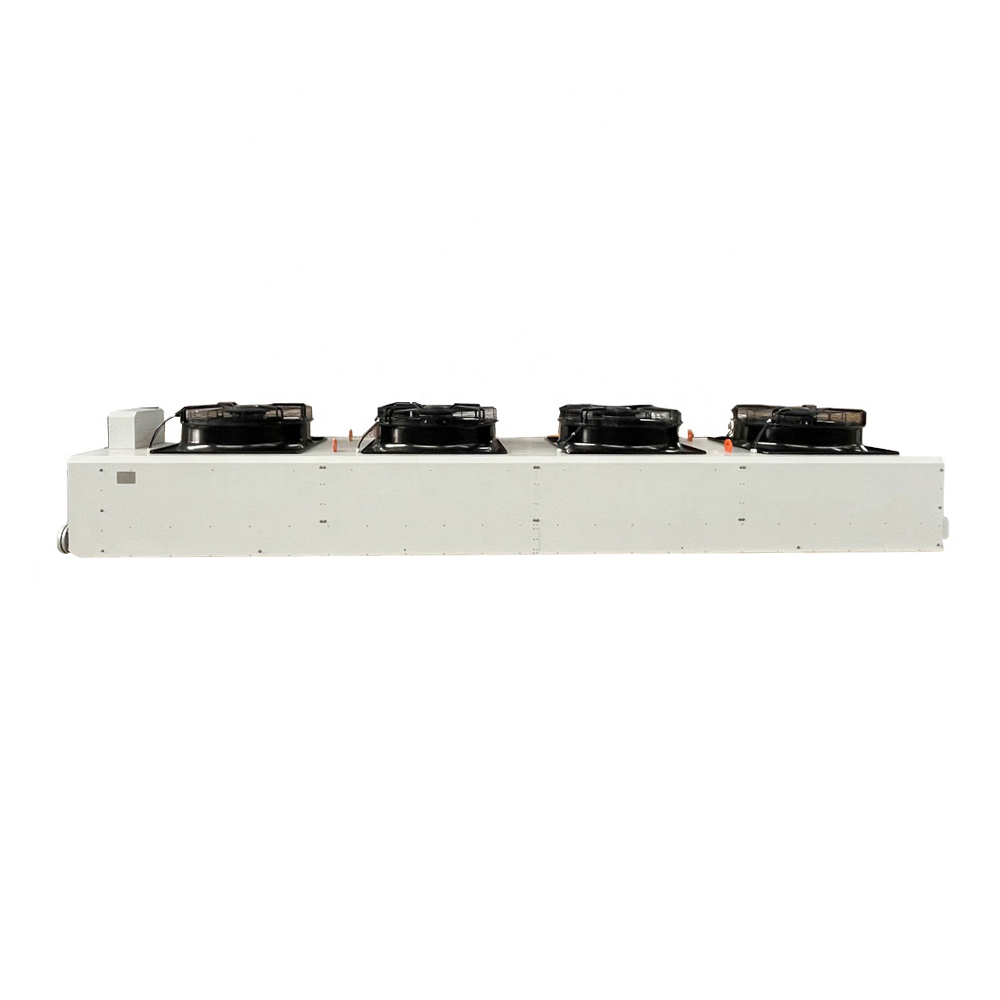
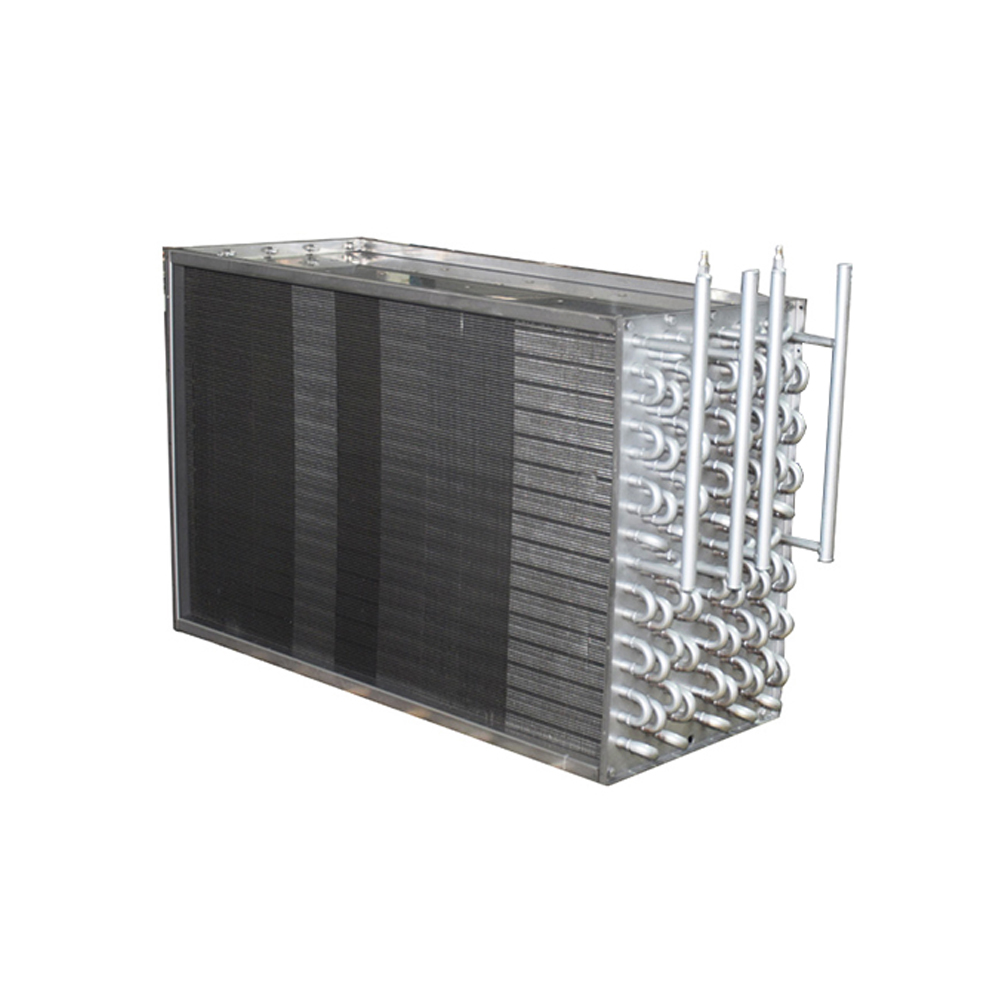
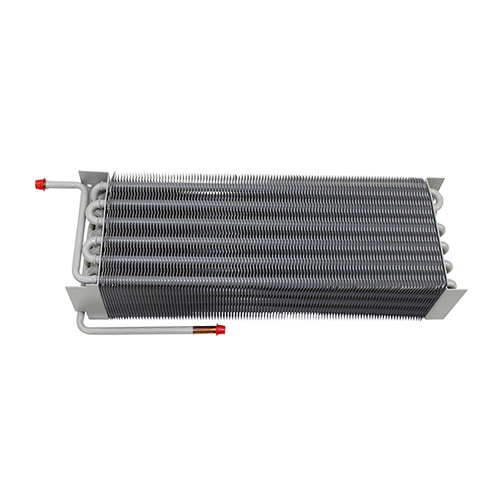
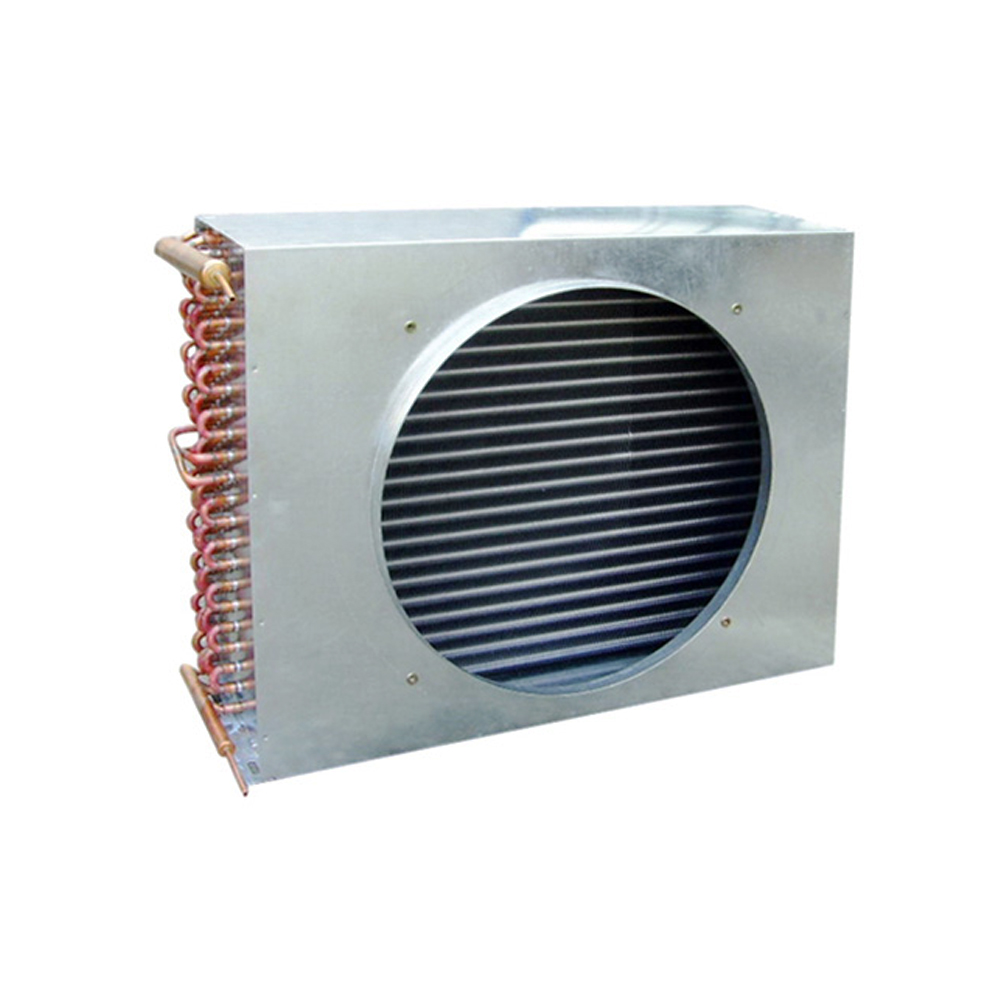
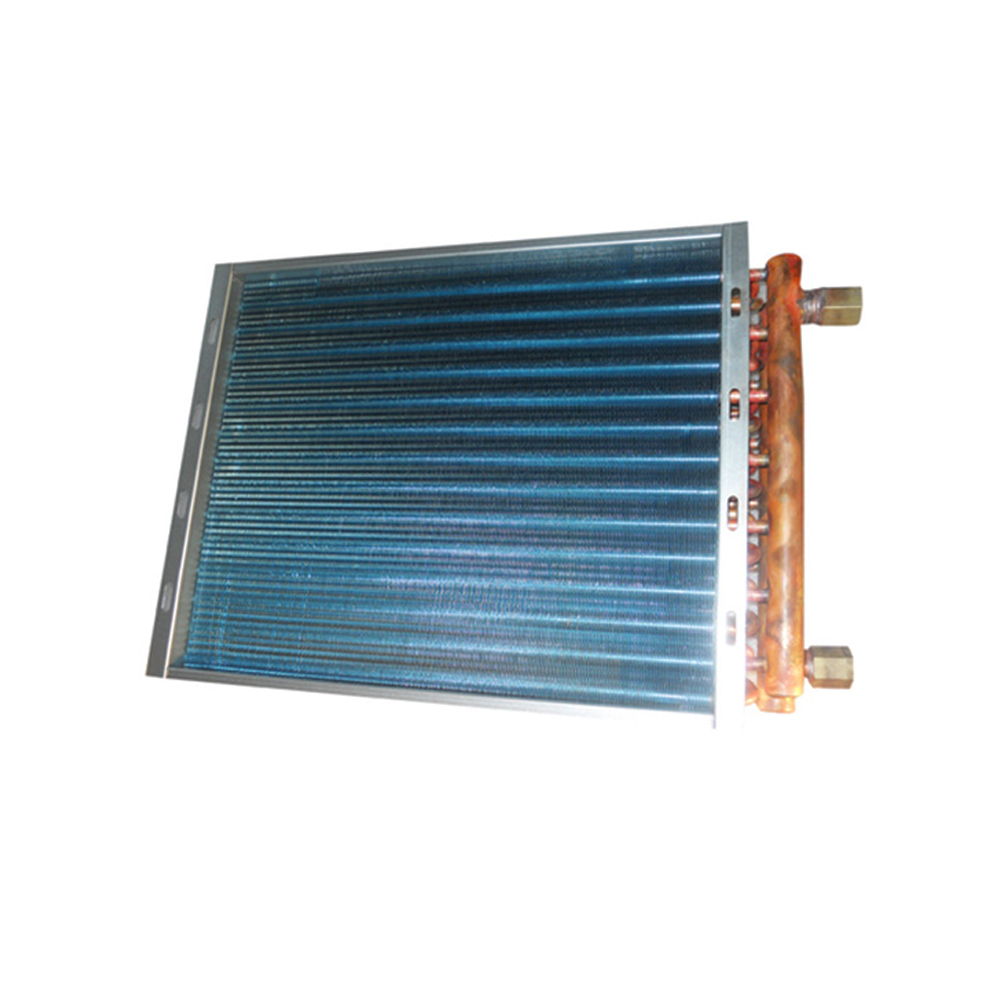
However, dealing with these centers isn't just unplug and play. Designing a portable data center involves significant technical considerations. Power supply and cooling solutions are two areas where companies cannot afford to cut corners. SHENGLIN's work exemplifies a focus on cooling, providing systems that adapt to various climates. Their products found at https://www.ShenglinCoolers.com can make or break the functionality of a portable setup.
In one instance, a project required deployment in a humid coastal town. The initial cooling setup failed because it didn’t consider local climatic conditions. That’s when partnering with specialists in cooling systems, like those from SHENGLIN, provided the expertise to tailor systems appropriately.
Alongside cooling, power supply in remote areas poses another challenge. It's not merely about tapping into existing grid supplies but devising self-sustaining solutions, often through generators or renewable sources. The ability to integrate different power solutions seamlessly is what many service providers strive for.
Deployment Challenges and Solutions
Deploying a portable data center also comes with logistical challenges. The biggest hurdle I’ve encountered is transportation. Size and weight might not seem critical at first glance, but they influence the kinds of trucks or ships needed for transportation. Once, a project faced week-long delays due to transport miscalculations.
Additionally, on-site installation requires a skilled workforce ready to manage complex setups. This expertise isn’t always on standby, especially in remote locations. Training local teams or deploying teams from service providers is often the answer. The expertise provided by companies like SHENGLIN can sometimes play a pivotal role in effective on-site execution.
One solution we've employed involves modular training sessions conducted beforehand, which ensures that the local workforce can take over operations without hiccups. It’s precisely where foresight in planning outshines improvisation.
Security Implications
When you think about security, the typical data center concerns are amplified in portable setups. Being mobile and often in less secure environments introduces unique security vulnerabilities. Physical security becomes paramount. Remote locations might require additional surveillance and restricted access.
Sensitive data handling is another concern. A portable data center might be at risk due to less controlled access compared to a brick-and-mortar establishment. Encryption protocols and secure channels are just starting points to consider when setting up operations.
Real-life scenarios demand adaptability. On one occasion, data breaches were averted by implementing stringent access controls and employing real-time monitoring systems, custom-designed for the project's environment—proactive over reactive measures.
Future Perspectives
Looking ahead, the evolution of portable data centers is inevitable. They are expanding beyond niche applications into mainstream recognition, with tech innovations allowing for even greater efficiencies and capabilities. The next decade could see them becoming as omnipresent as our smartphones, especially with 5G facilitating high-speed, broad-coverage internet capabilities.
Companies like SHENGLIN are at the forefront, providing innovations that ensure the reliability and efficiency of these mobile data hubs. The advancements in cooling and power management will dictate how effectively they can become a fixture within industries requiring swift, reliable compute power where permanent centers are impractical.
Ultimately, the future of portable data centers is bright, but only if industry players continue to tackle existing challenges head-on with strategic planning and robust technological support from seasoned experts in their field.




.jpg)