Exploring Modular Data Center Containers: Efficiency and Flexibility
Modular data center containers have become a buzzword in the tech industry, promising flexibility and efficiency. Yet, there's often a misconception that these containers are a one-size-fits-all solution. Let's delve deeper into what makes them tick and consider insights from industry leaders like Shanghai SHENGLIN M&E Technology Co.,Ltd, who specialize in cooling technologies.
The Rise of Modular Data Centers
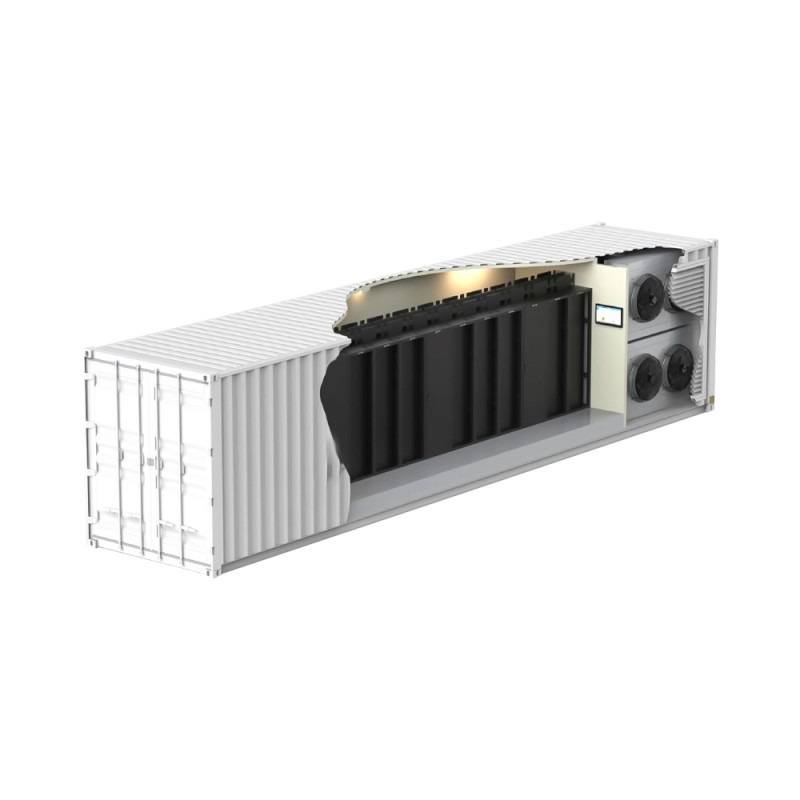
Initially, the concept of a modular data center container seemed almost too good to be true. Imagine an entire data center packed into a shipping container, ready to deploy wherever needed. The idea is enticing — rapid deployment, cost-effectiveness, and scalability all packaged neatly. Companies like SHENGLIN, found at https://www.ShenglinCoolers.com, have observed these emerging trends closely, ensuring their cooling technologies are at the forefront of this evolution.
In practice, the deployment is where some challenges lie. Anyone who's been in the field long enough knows that while the modular approach offers flexibility, it doesn't eliminate the need for careful planning. Are the cooling solutions adequate? Is the power supply stable? At SHENGLIN, these questions form the core of their product development.
Moreover, marrying the cooling solutions with modular designs poses its own set of challenges. The key is integrating industry-specific cooling requirements. Shanghai SHENGLIN M&E Technology Co.,Ltd has tailored solutions that cater to these nuances, showcasing the complexity involved.
Cooling Solutions in Modular Setups
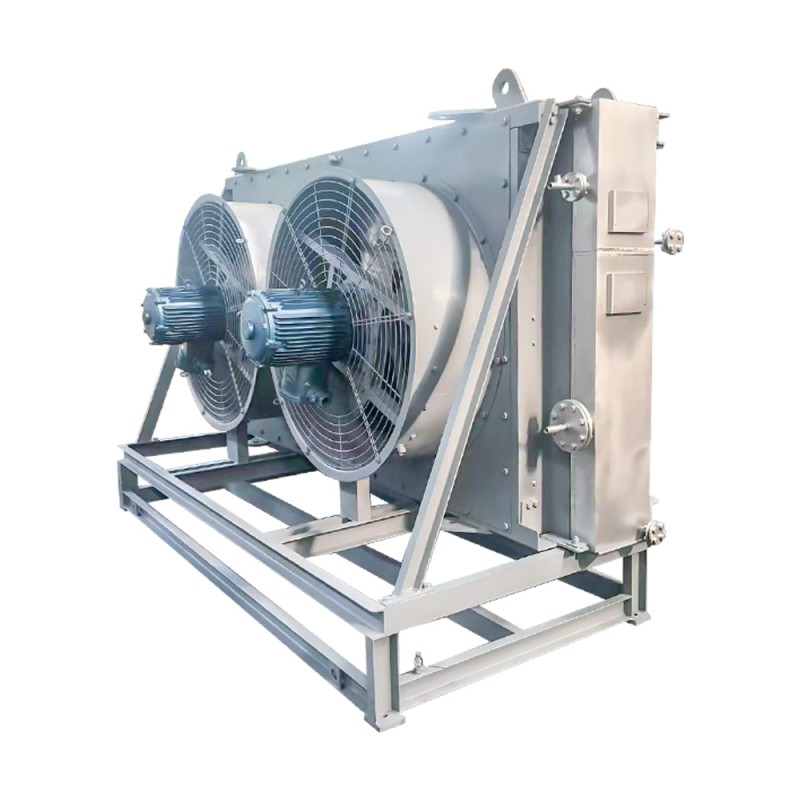
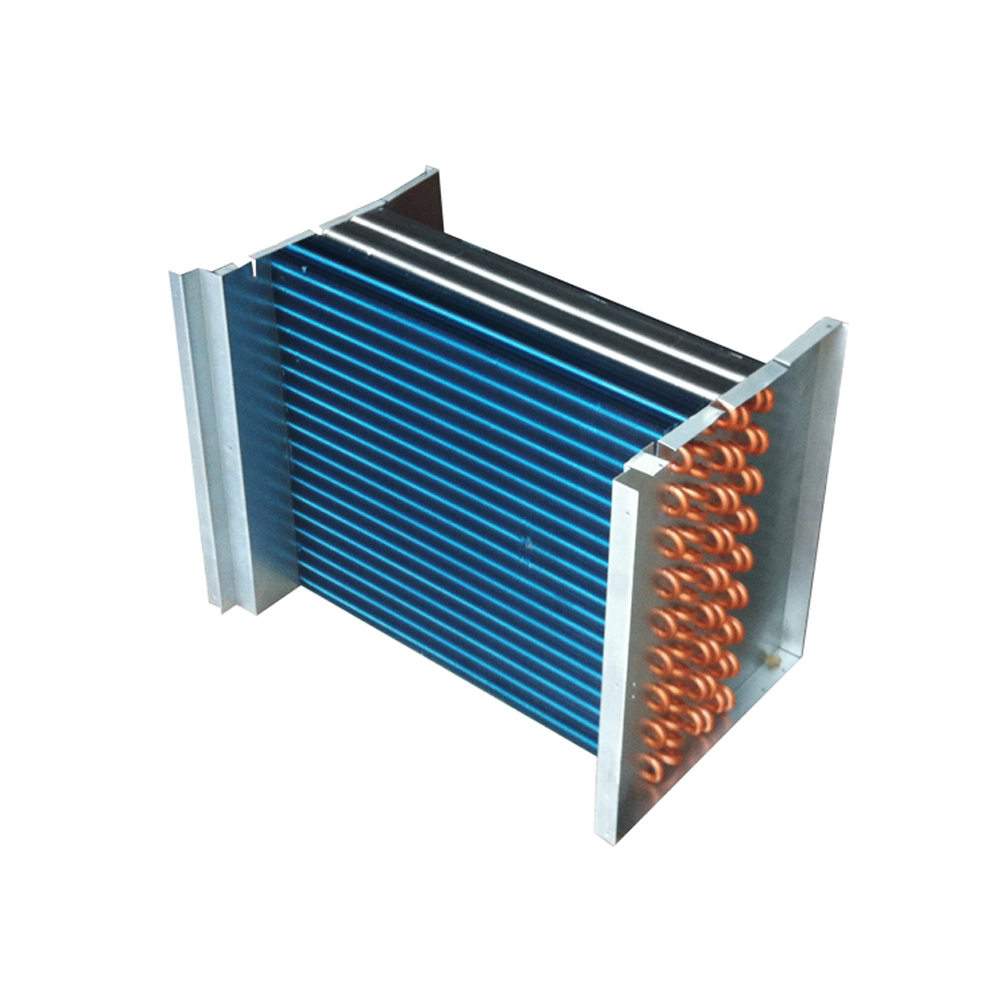
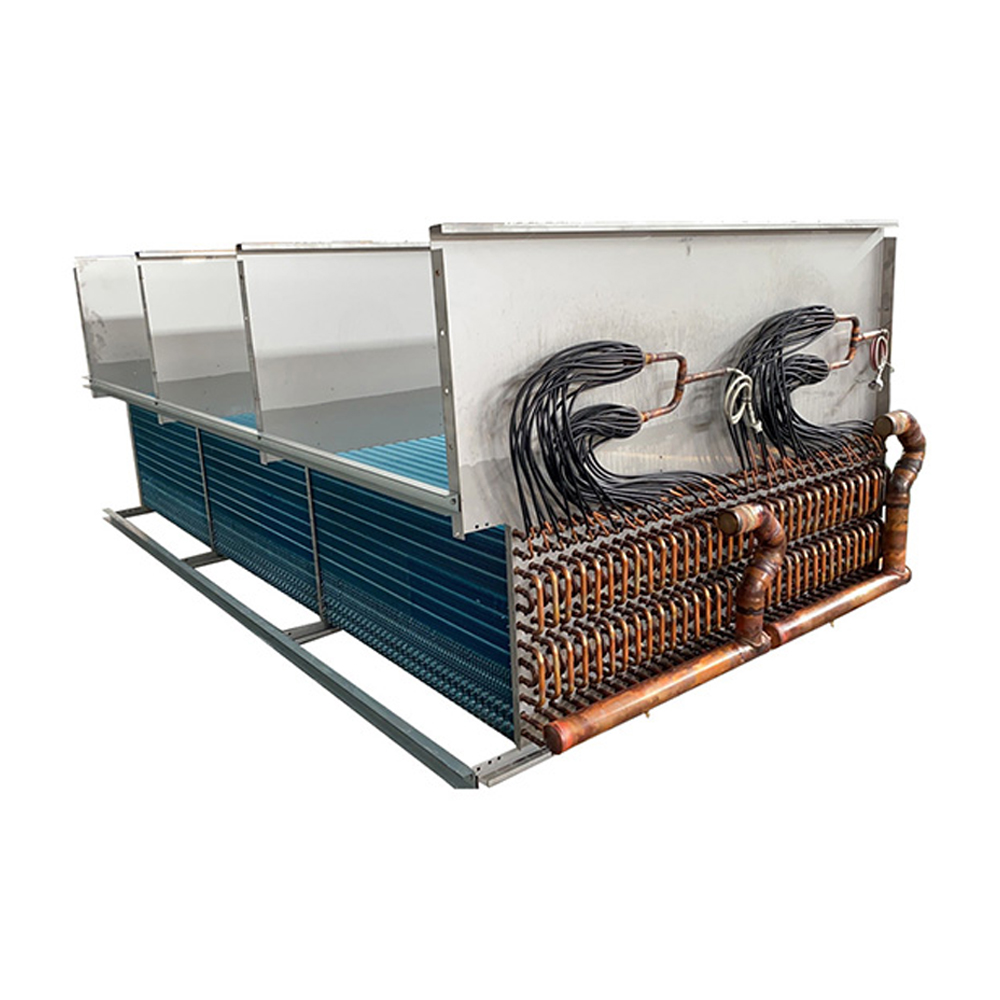
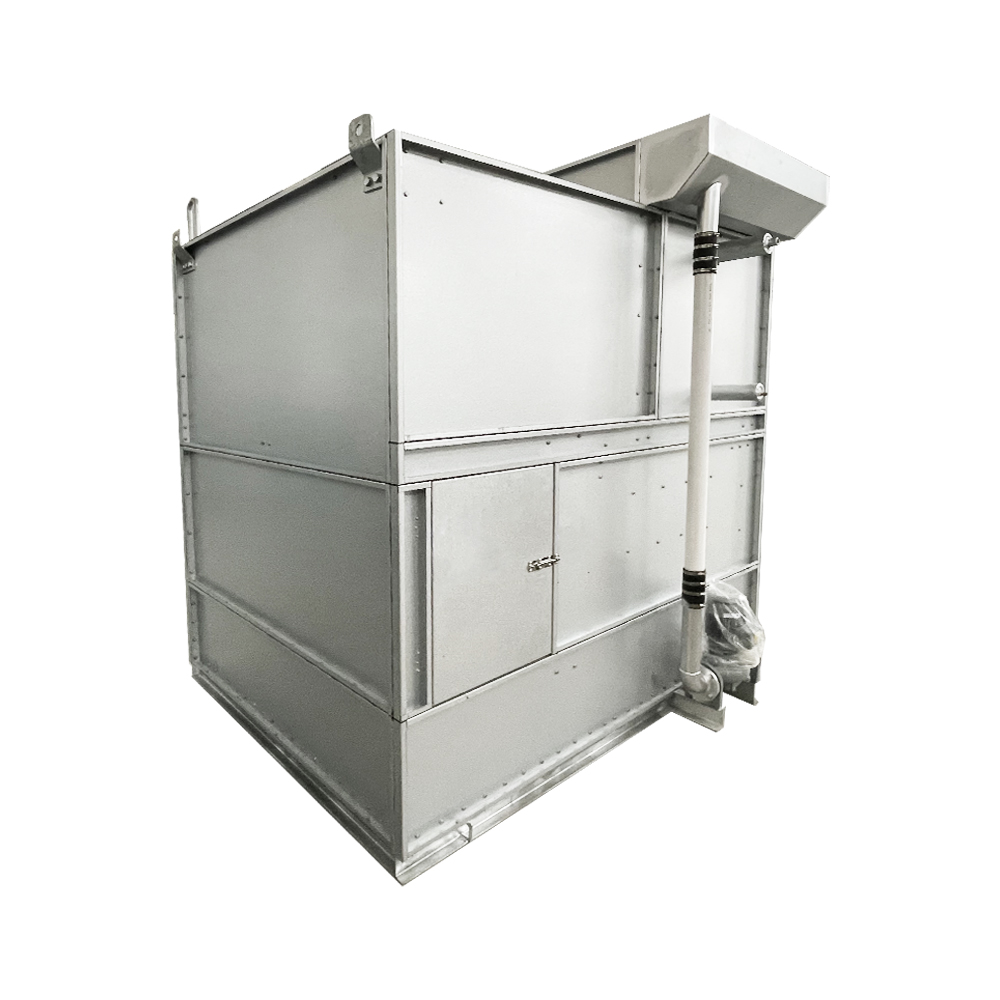
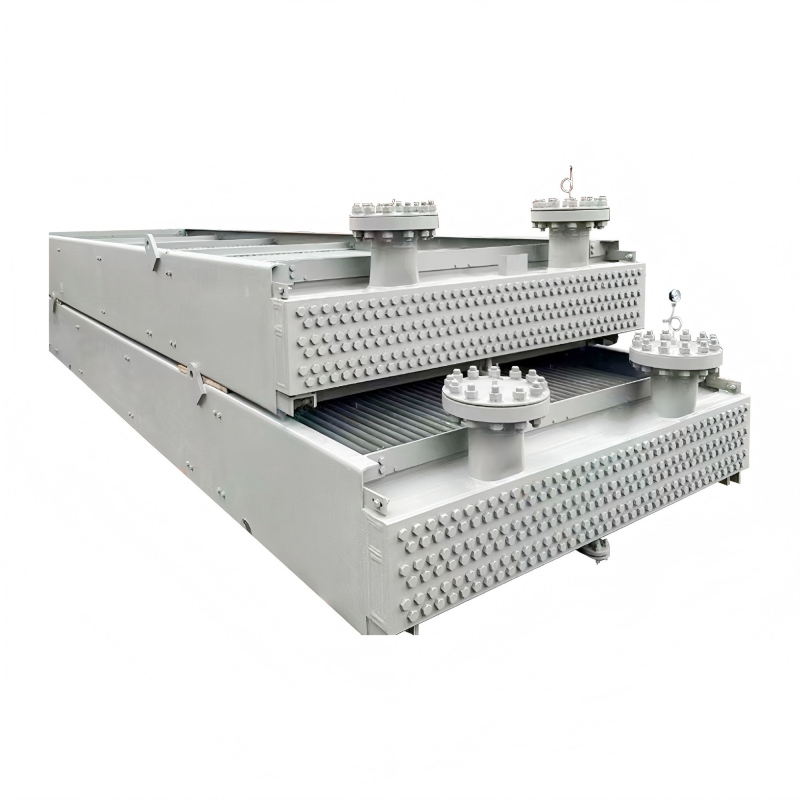
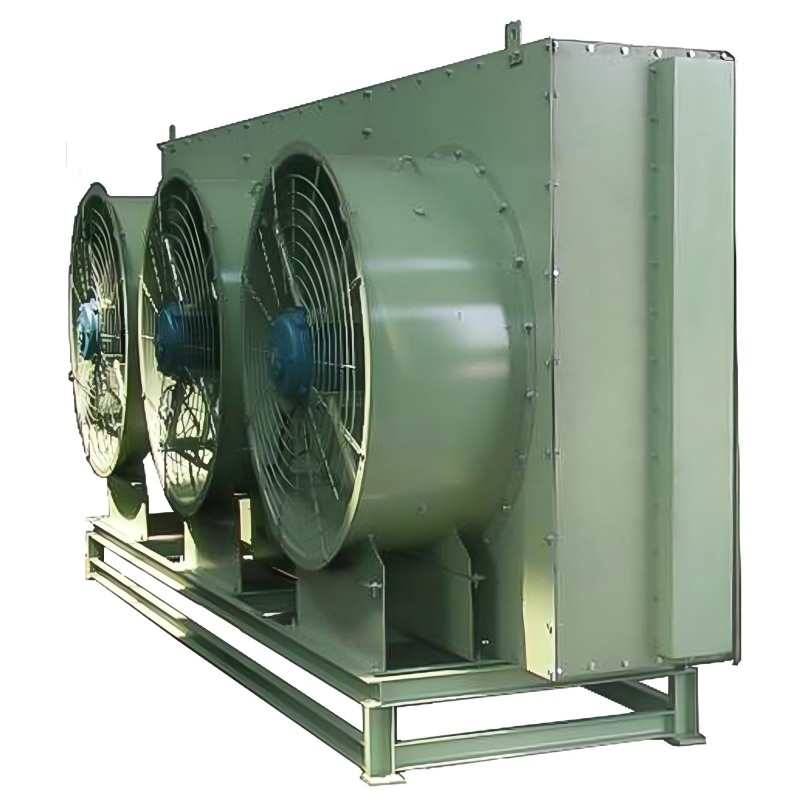
Here’s where cooling systems become vital. Proper cooling within a modular data center container ensures optimum performance and longevity of the equipment inside. SHENGLIN, known for their expertise in the cooling industry, emphasizes this component as critical. You can't obscure the impact temperature has on electronics.
A friend of mine once rushed a deployment without adequately considering the cooling requirements, resulting in overheated servers and costly downtime. This reinforced the necessity for planned cooling systems, a message strongly supported by SHENGLIN's research and expertise.
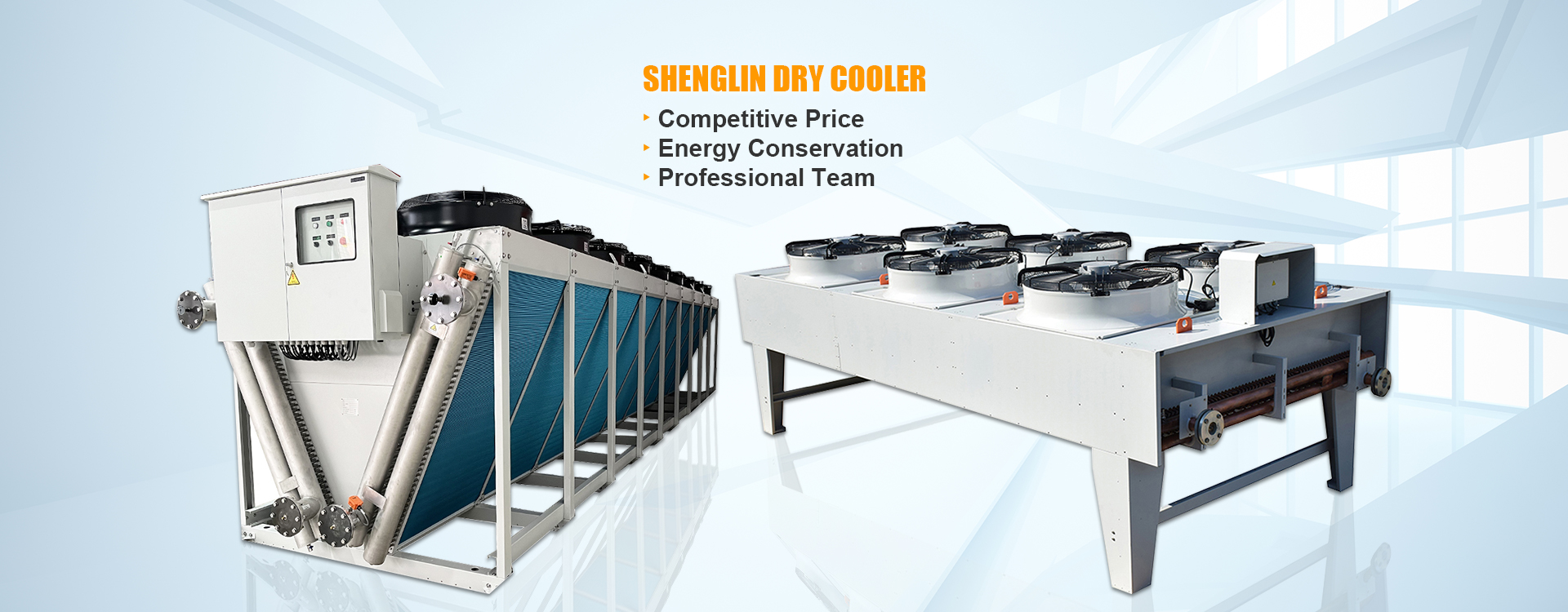
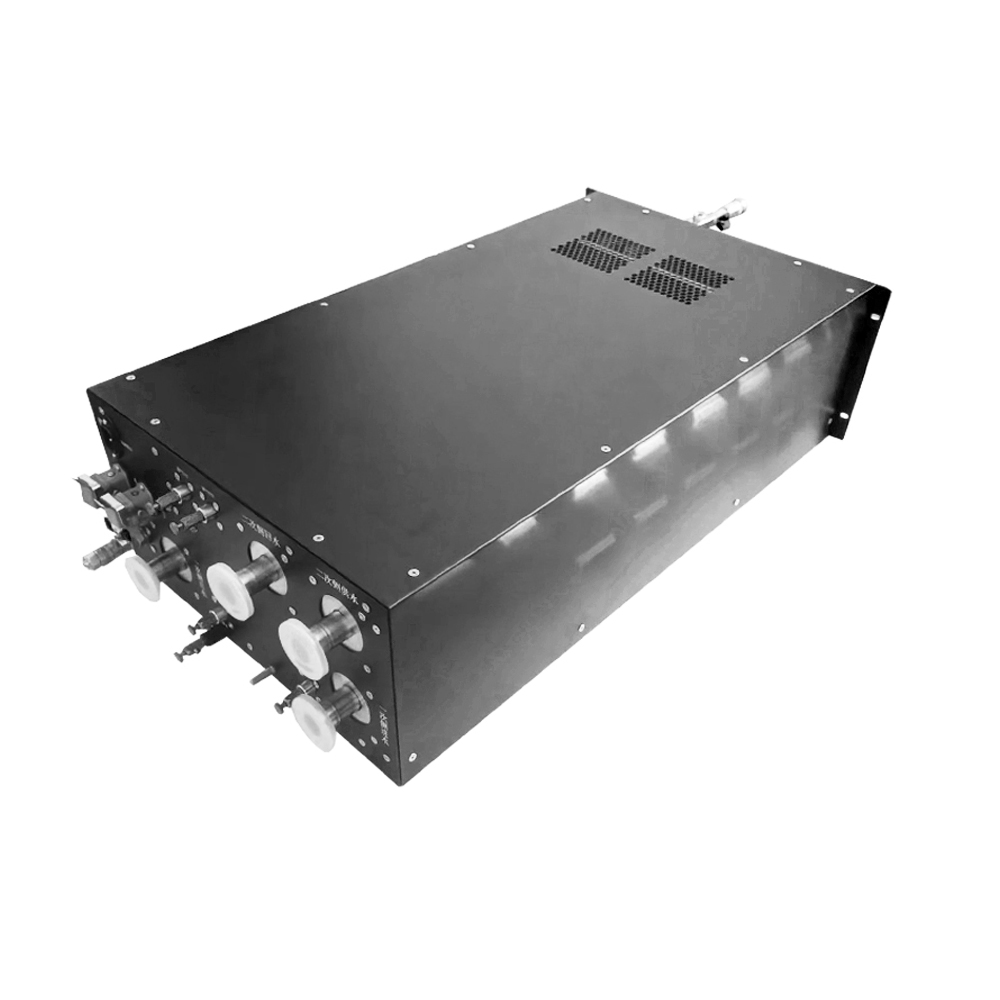
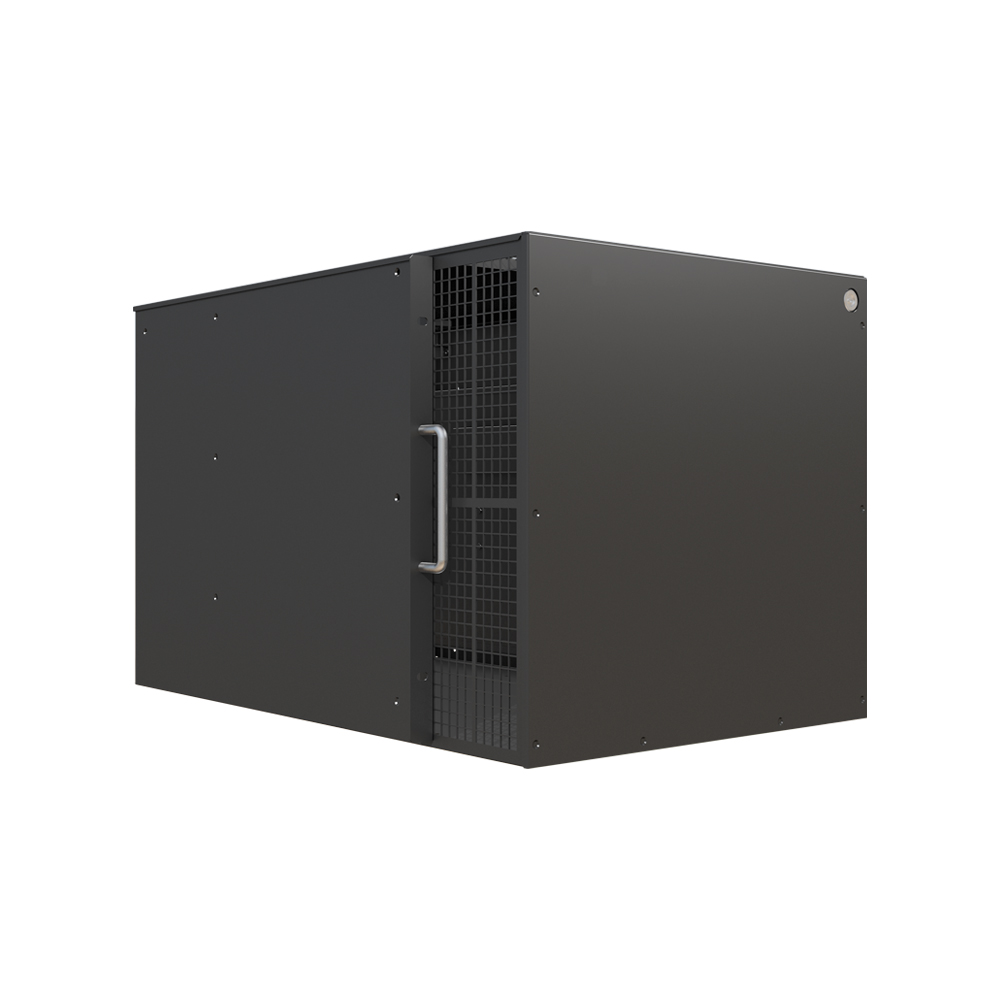
Their approach involves bespoke cooling units designed specifically for these containers, acknowledging that traditional methods often fall short when scalability and mobility are in play.
Flexibility vs. Standardization
One recurring theme in modular data center discussions is the balance between flexibility and standardization. Standard designs offer predictability and ease of deployment, while flexible ones cater to unique, situational demands. SHENGLIN understands this delicate balance, offering solutions that don't compromise on either front.
From their observing, certain deployments demand specific modifications which can be standardized into future designs. The company's continual feedback loop informs future products, tweaking both complexity and efficiency without losing sight of reliability. This flexibility is the driving force behind companies turning to modular solutions.
Customizable configurations are often highlighted in SHENGLIN's offerings, allowing their clients to modify setups according to real-world usage and geographical constraints.
Real-world Applications
In practice, the versatility of these modular data center containers shines in situations where traditional data centers would falter. Disaster recovery operations, remote area deployments, and even temporary surge capacity during major tech events have all seen success with this setup.
For instance, in disaster-stricken areas, rapid deployment can mean the difference between communication lines staying open or going dark. Companies like SHENGLIN, with their expertise in cooling technologies, play a crucial role in ensuring these containers function effectively and efficiently, no matter the environment.
Observing these containers in action provides a real sense of their capabilities. It's not merely about packing servers into a box; it's about creating an ecosystem where each component, including cooling, is reliable and optimal.
Future Perspectives
Looking ahead, the evolution of the modular data center container suggests greater integration with emerging technologies like edge computing and IoT. Companies like SHENGLIN are paving the way by enhancing cooling solutions that meet the demands of these cutting-edge advancements. It’s a field ripe with innovation and potential.
For future projects, considering the intricacies of cooling alongside advanced modular setups will continue to be essential. Efficient energy use, faster deployments, and customization will define the next wave, with player dynamics dictated by those who understand nuance over novelty.
In conclusion, modular data center containers represent a balance of art and engineering. It’s about understanding their capabilities and limitations while leveraging the strengths of companies like Shanghai SHENGLIN M&E Technology Co.,Ltd to meet and exceed industry demands.