Unpacking the Potential of Micro Modular Data Centers
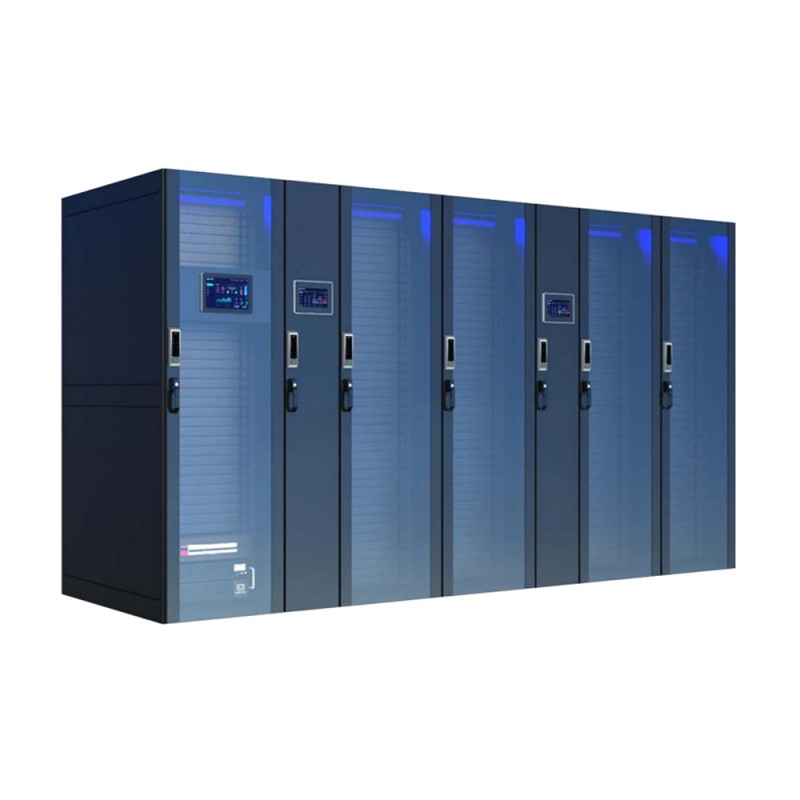
In the rapidly evolving landscape of IT infrastructure, the term micro modular data center frequently surfaces, often with a hint of confusion. Industry veterans sometimes misjudge their scalability or question their operational efficacy. However, as the dynamics of data processing shift and the demand for edge computing surges, understanding these compact, efficient units becomes crucial.
Why the Buzz Around Micro Modular Data Centers?
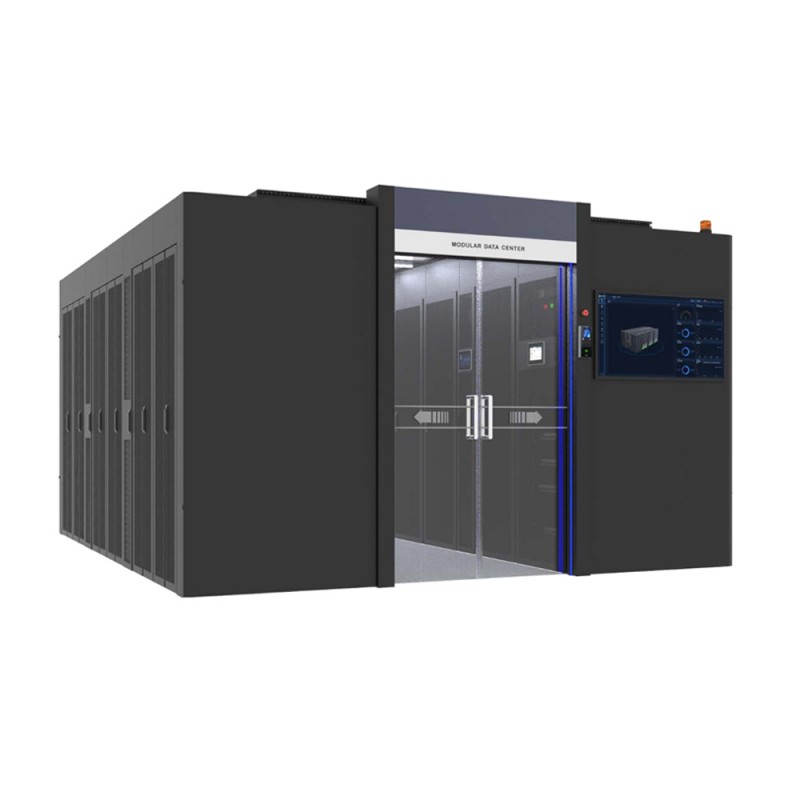
The crux of the matter is flexibility. Micro modular data centers provide scalable solutions that can be deployed close to data sources. They're not just about size; it's the adaptability that appeals. In areas where traditional large-scale data centers falter due to space or environment, these modular setups thrive. Having seen them in action, particularly in remote settings, I can't help but appreciate how they fulfill niche demands.
An example springs to mind—a client, located in a climate-challenged region, faced severe data management issues. Deploying a micro modular setup from a firm like Shanghai SHENGLIN M&E Technology Co.,Ltd, known for their expertise in industrial cooling, addressed their needs efficiently. The customization potential of these setups is another selling point that's tough to dismiss.
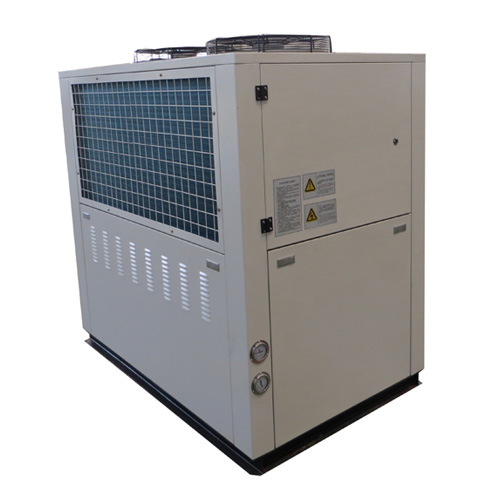
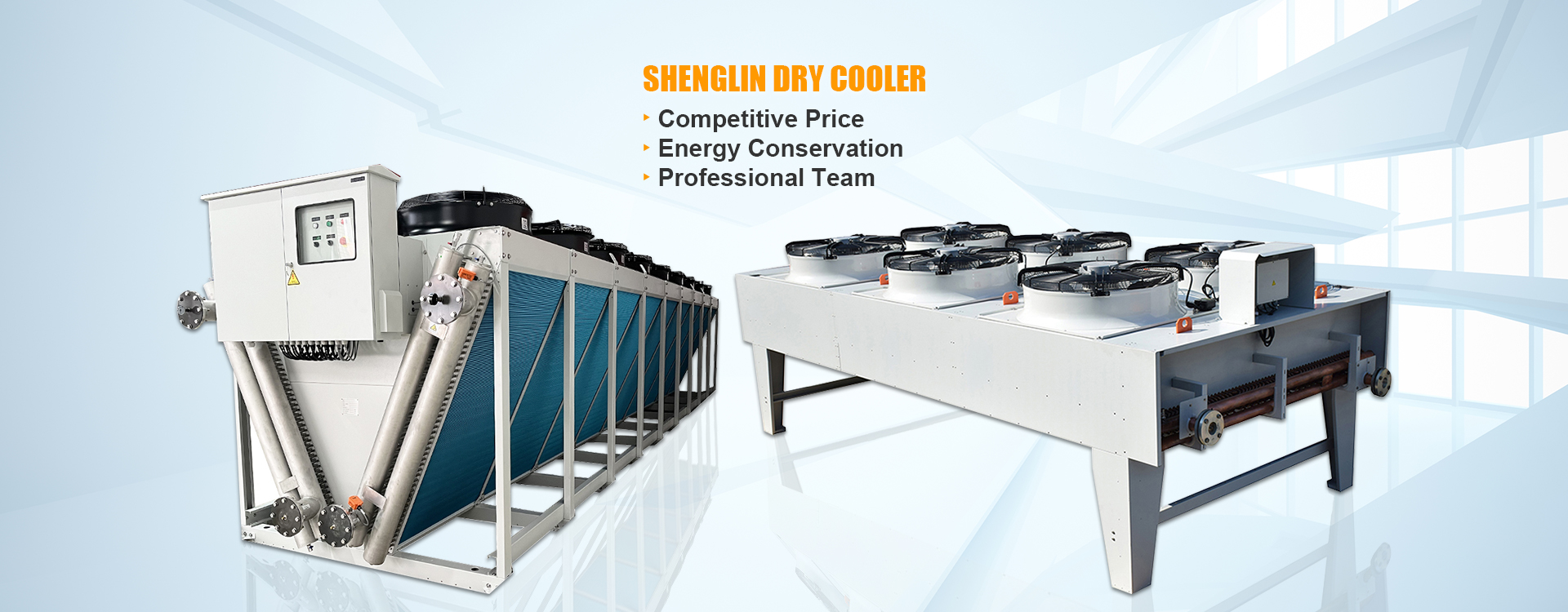
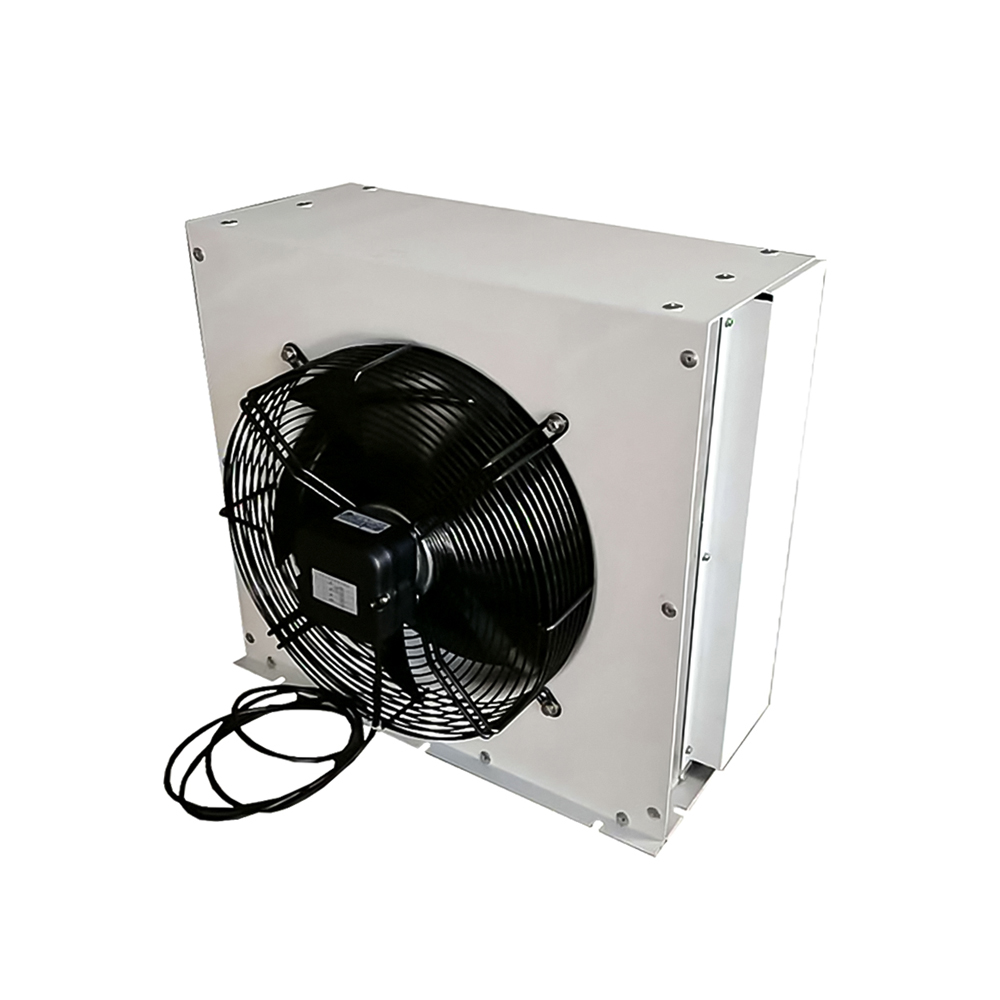
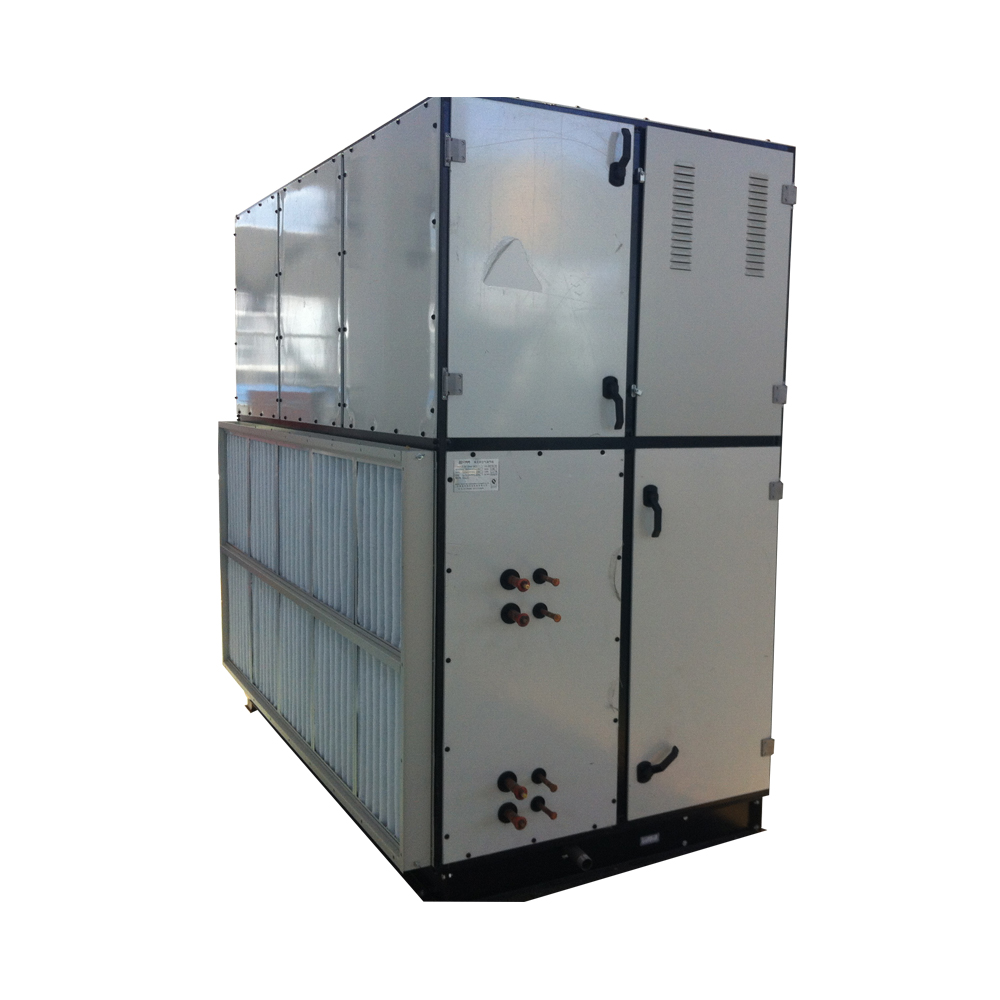
For those still skeptical, consider the technological advancements enabling these centers to maintain optimal performance under varying conditions. The integration of advanced cooling technologies, such as those by SHENGLIN (found more at SHENGLIN Coolers), ensures reliability, even when space and resources are constrained.
Scalability Concerns and Real-world Performance
Scalability is often the first hurdle skeptics point to. It's a valid concern, given the limited footprint of a micro modular data center. But interestingly, modularity itself provides a solution. You can start small, with a few modules, and expand as needed. Having worked on projects where demand scaled rapidly, the ability to add modules without huge capital expenditure was invaluable.
One must also consider performance under pressure. In my experience, the right configuration can handle significant workloads without a hitch. However, this requires an understanding of both your hardware and cooling needs, areas where partnerships with specialized companies like SHENGLIN can prove advantageous.
We occasionally underestimated the cooling dynamics early on, only to find clever engineering played a crucial role in performance. This is where SHENGLIN’s industry expertise in cooling really shone, helping avoid potential overheating issues.
Deployment Challenges: Lessons Learned
No venture into new technology implementation is without its bumps. Initially, deploying these centers in urban settings presented logistical challenges. Local regulations, space constraints, and integration with existing infrastructure were headaches. I recall an instance with an urban client where compliance with city regulations delayed deployment.
From those experiences, it became clear that thorough ground-level planning was vital. Understanding the intricacies of local laws, working closely with suppliers, and optimizing space usage all proved essential. Overlooking these factors can lead to costly delays—something best avoided.
Interestingly, rural deployments provided insights into renewable energy integration, with microgrids being more sustainable. This potential for green energy utilization adds another layer of appeal to micro modular data centers.
Industry Applications and Future Outlook
In practice, these setups shine across industries. From telecom to healthcare, and education to finance, the demand for low-latency, high-efficiency solutions is driving adoption. Recently, I worked with a healthcare provider requiring real-time data analysis. Here, the benefits of localized data processing became starkly evident.
Looking ahead, edge computing strategies are likely to further boost interest. As IoT and smart technologies permeate various sectors, the need for immediate data access points increases. Here, micro modular systems come into their own, particularly when supported by robust cooling solutions like those from Shanghai SHENGLIN M&E Technology Co.,Ltd.
Innovation in cooling and modular scalability will undoubtedly dictate future developments. It’s a fascinating space that promises to transform data management, offering solutions that are not just stopgaps but forward-thinking advancements.
The Importance of Strategic Partnerships
Finally, in this rapidly advancing field, leveraging expertise is paramount. Enter strategic partnerships. For instance, collaborating with entities specializing in their niche—like SHENGLIN with their cooling prowess—can be game-changing. Partnering allows focus on core competencies while trusting experts to handle the technical nuances.
Reflecting on past projects, every successful deployment had one commonality: skilled partners who could anticipate challenges and provide innovative solutions. It's not merely about procurement; it’s a collaborative effort from conception to execution.
The collective insights and shared risks make tackling complex scenarios feasible. As technology evolves, so must our approach, ensuring that solutions are both innovative and pragmatic, continuing to challenge the status quo in data management.




.jpg)