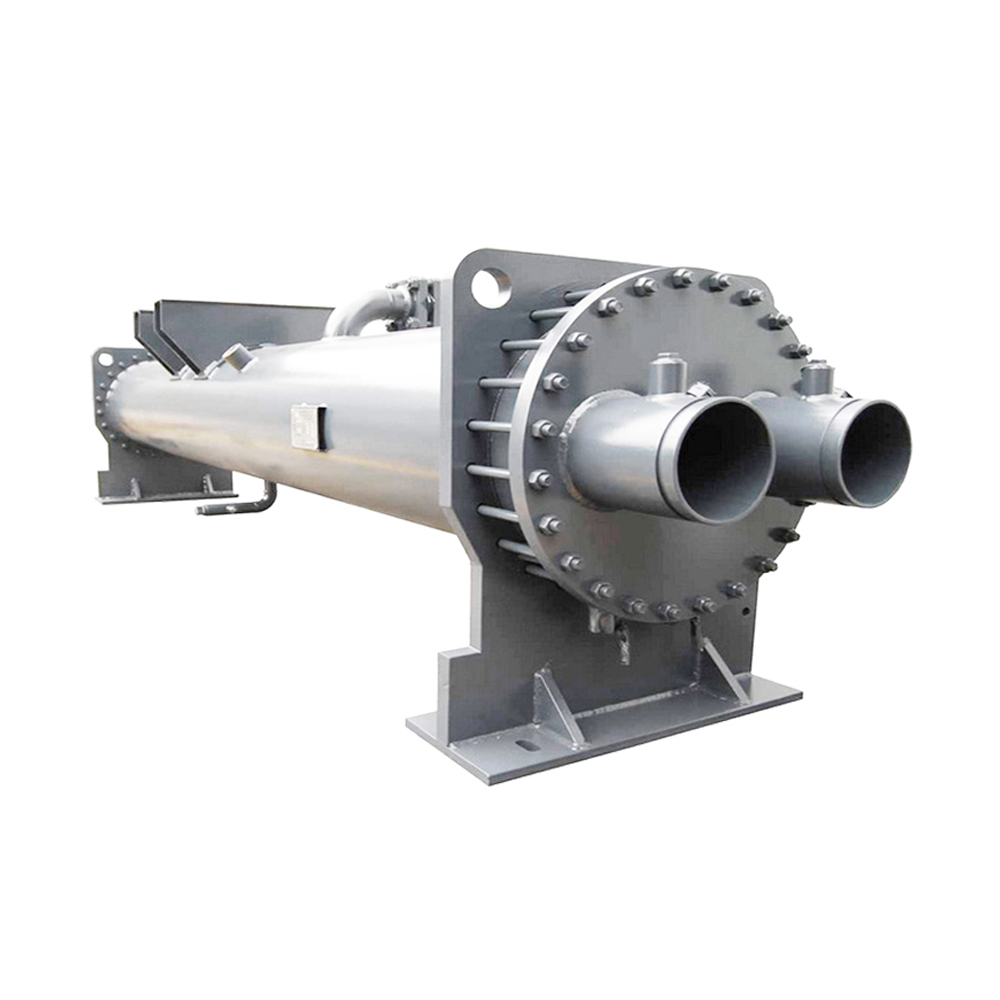
Understanding and Utilizing Fin Fan Heat Exchangers
Many in the industry still confuse a fin fan heat exchanger with other cooling technologies. It's crucial to understand what truly sets them apart to maximize their potential in various applications. Through personal challenges and triumphs, let's explore the nuances of these systems.
The Basics of Fin Fan Heat Exchangers
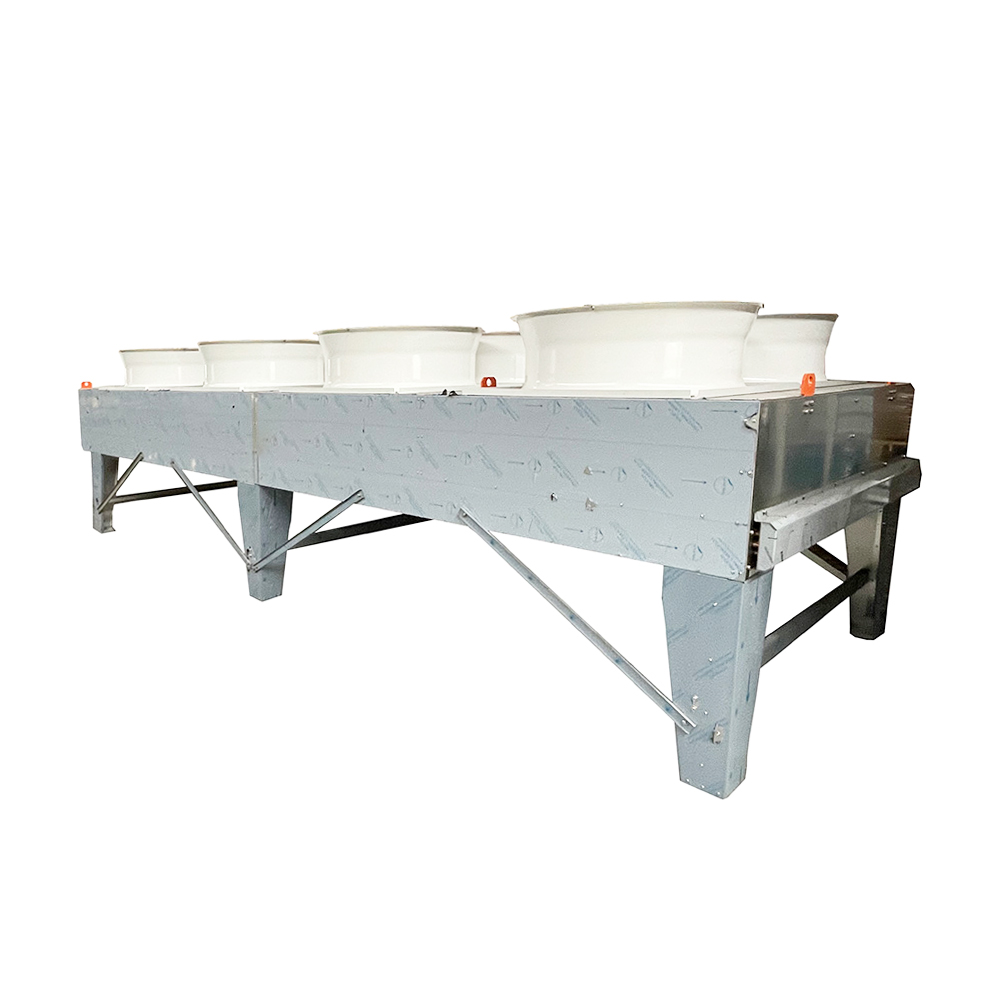
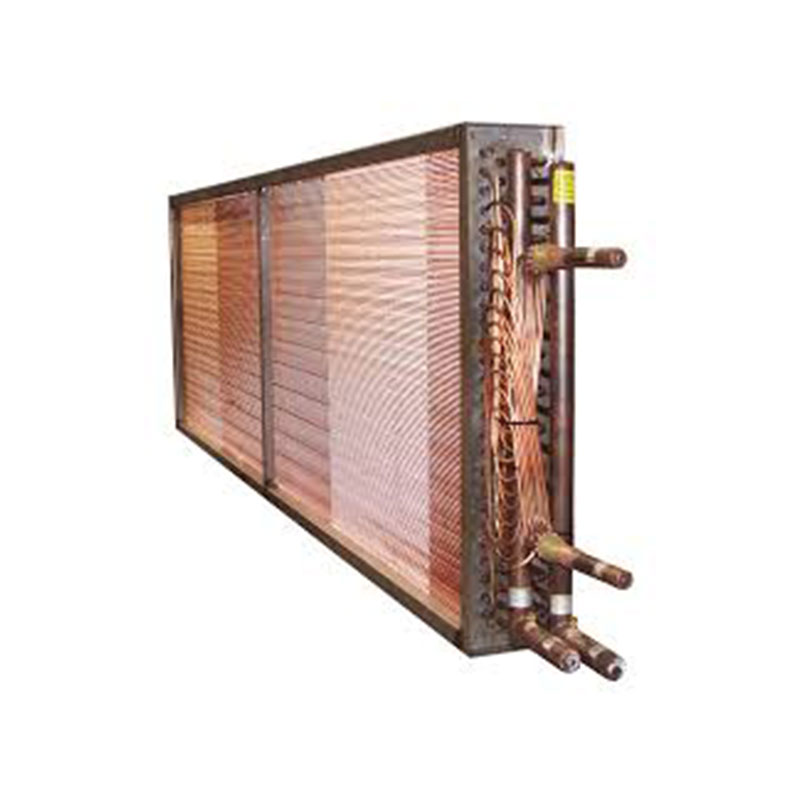
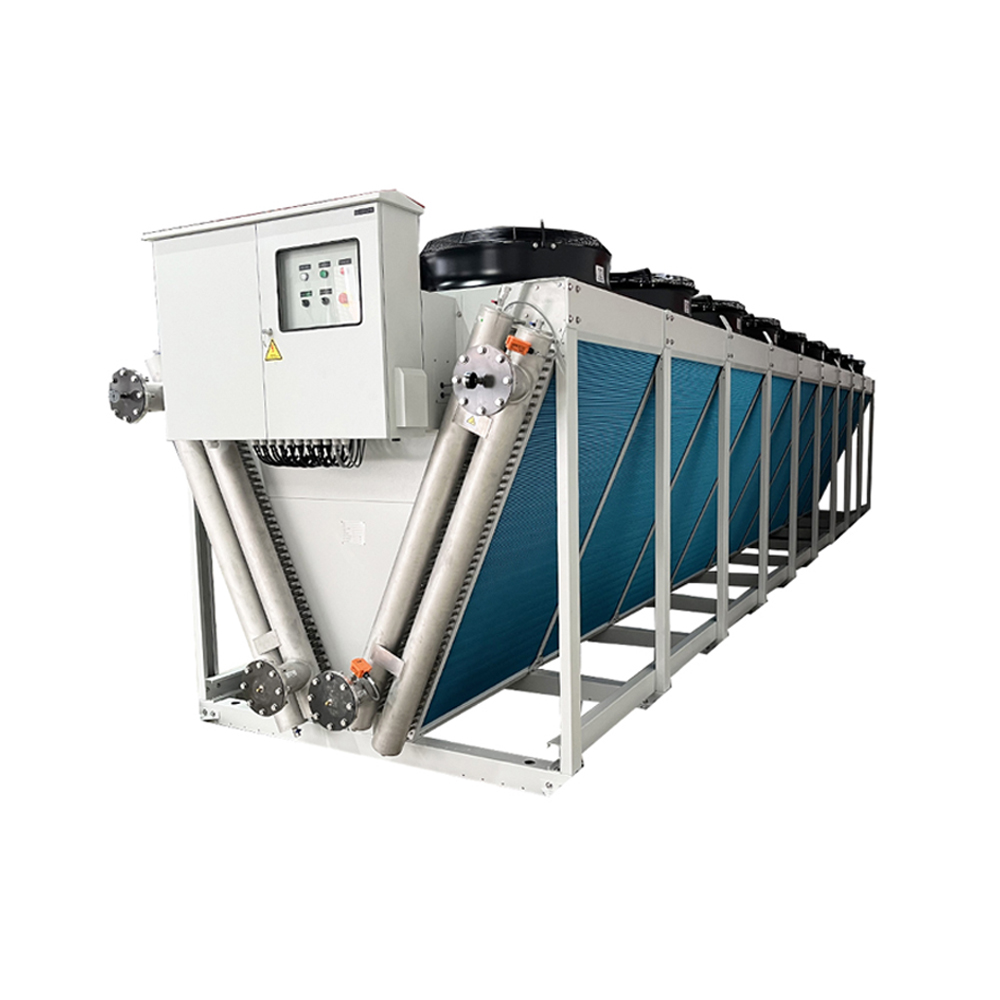
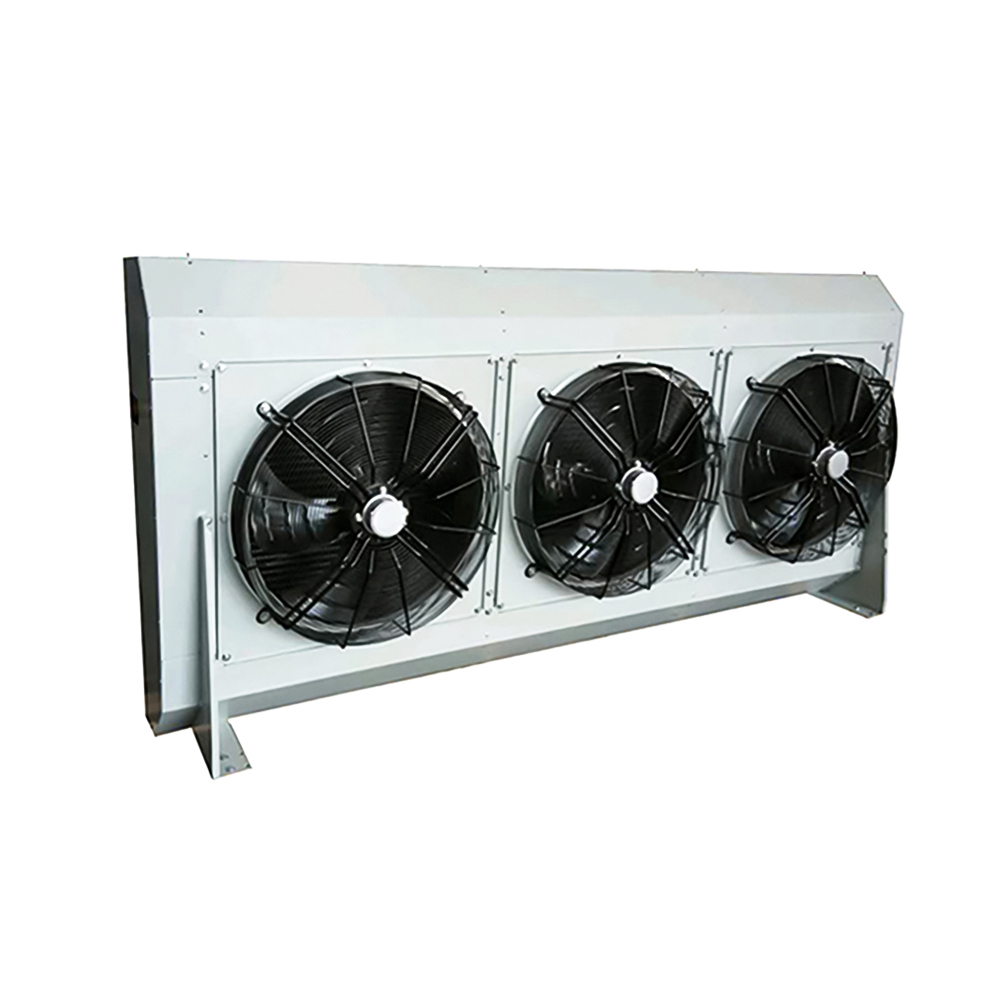
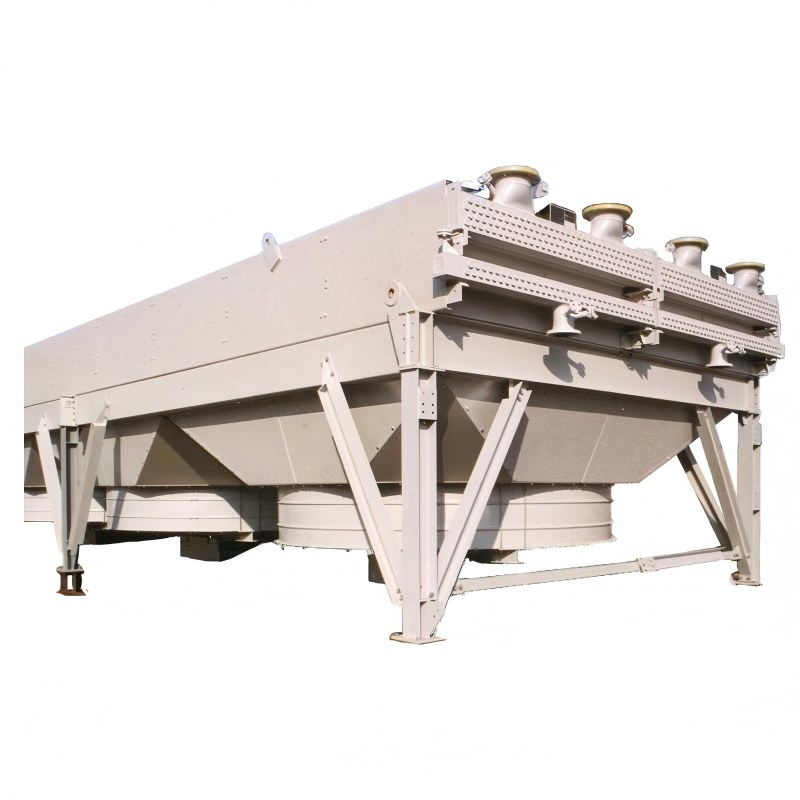
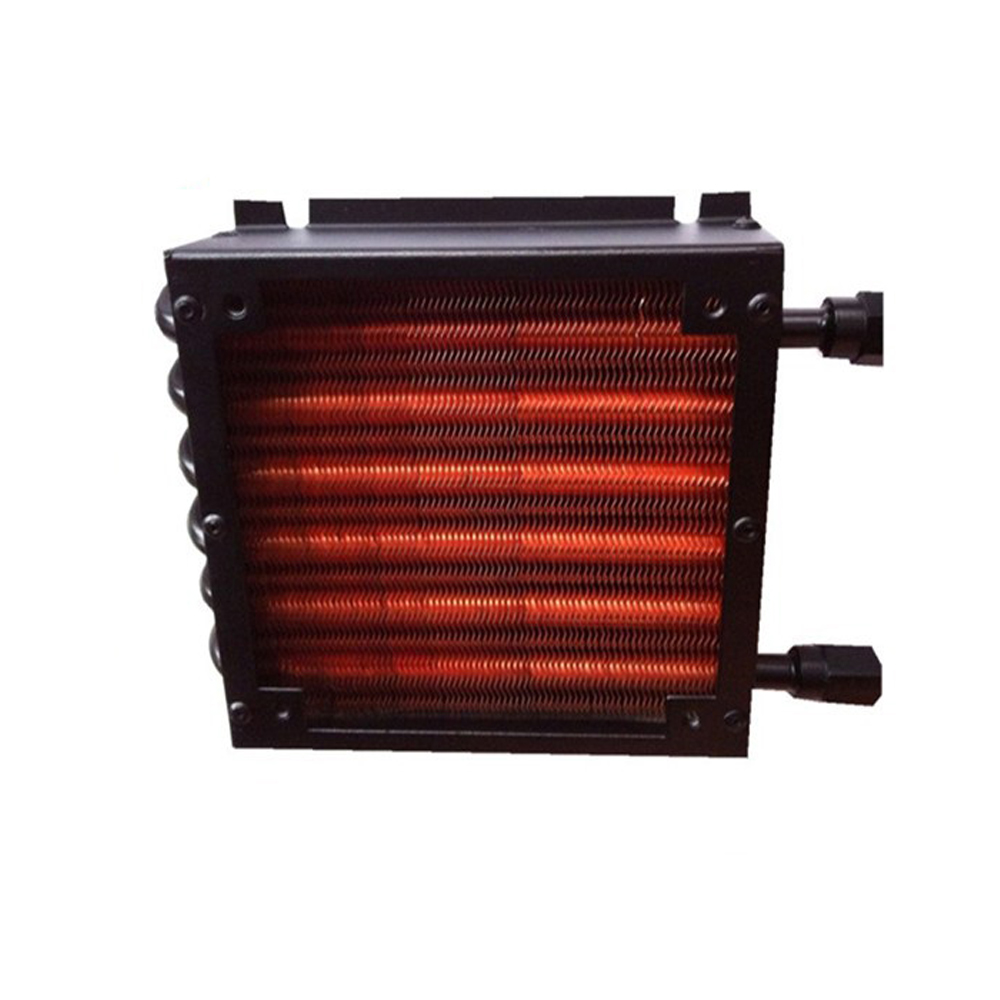
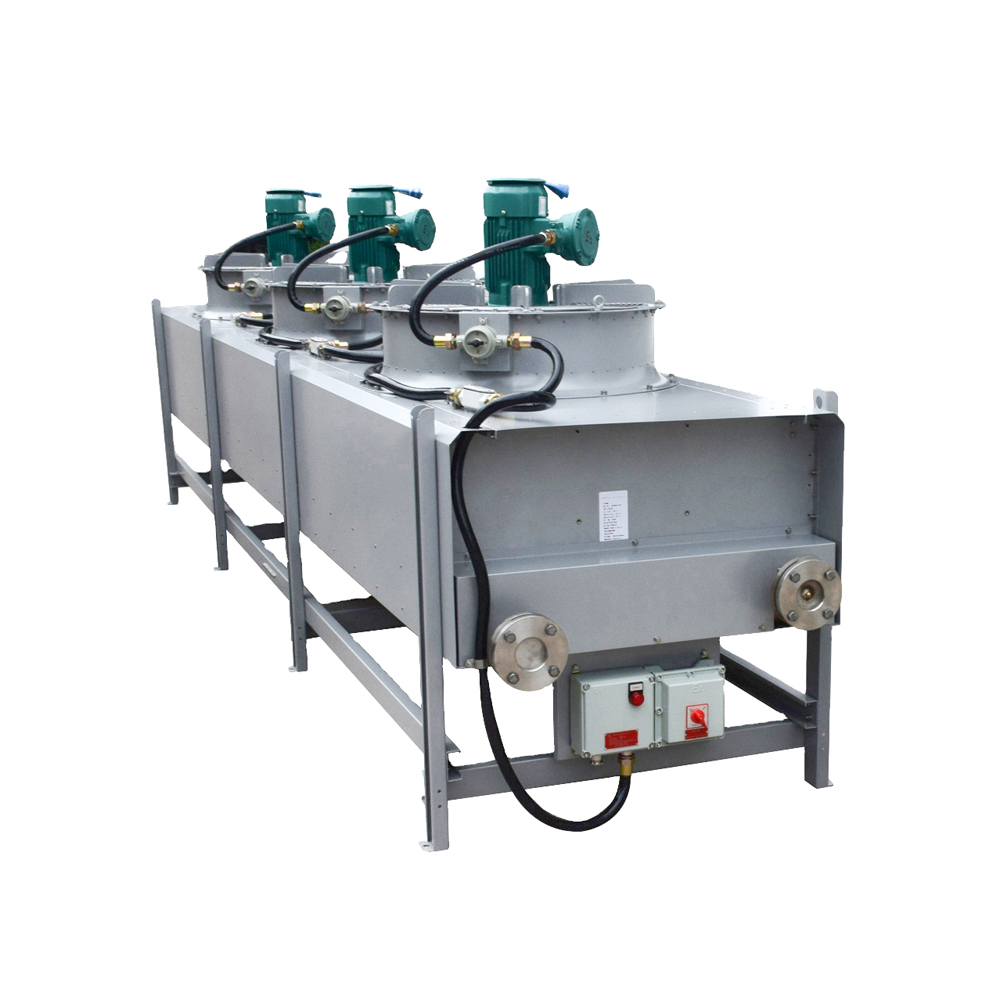
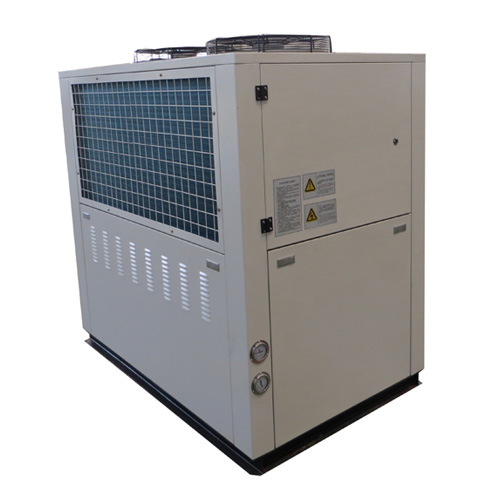
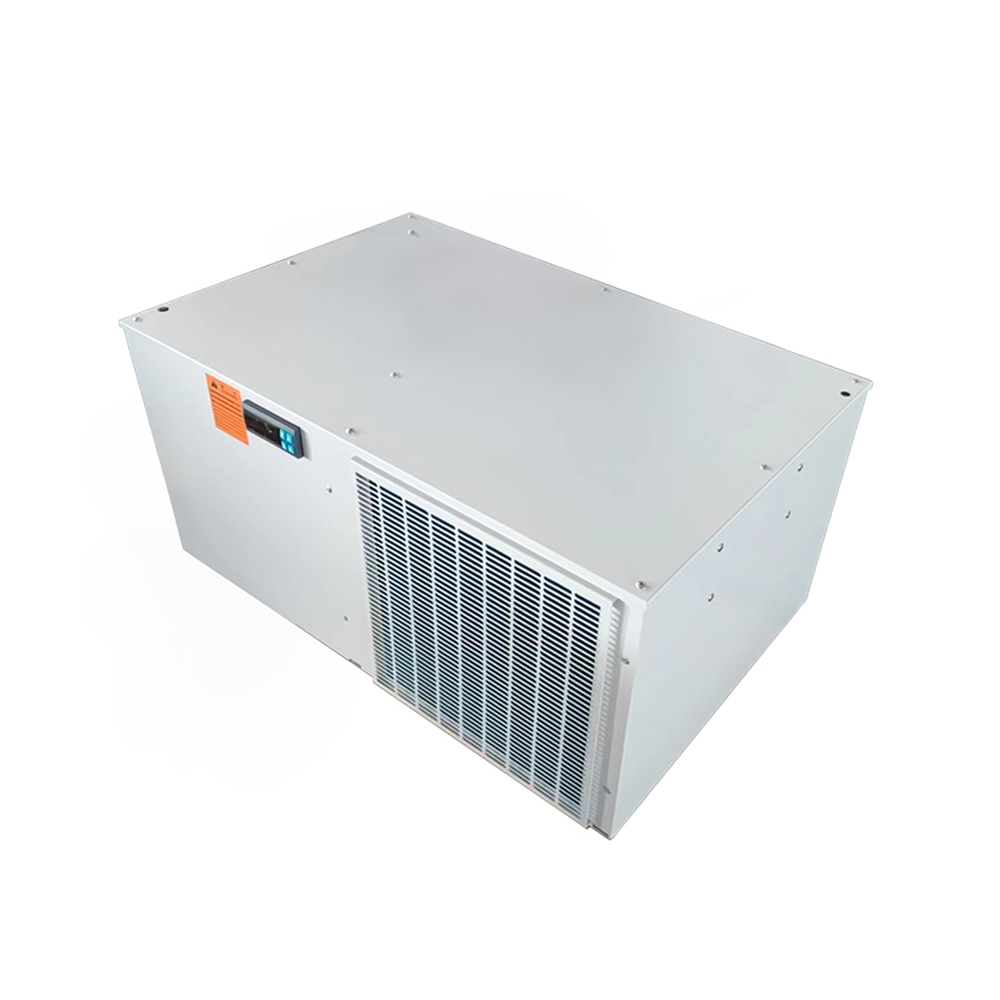
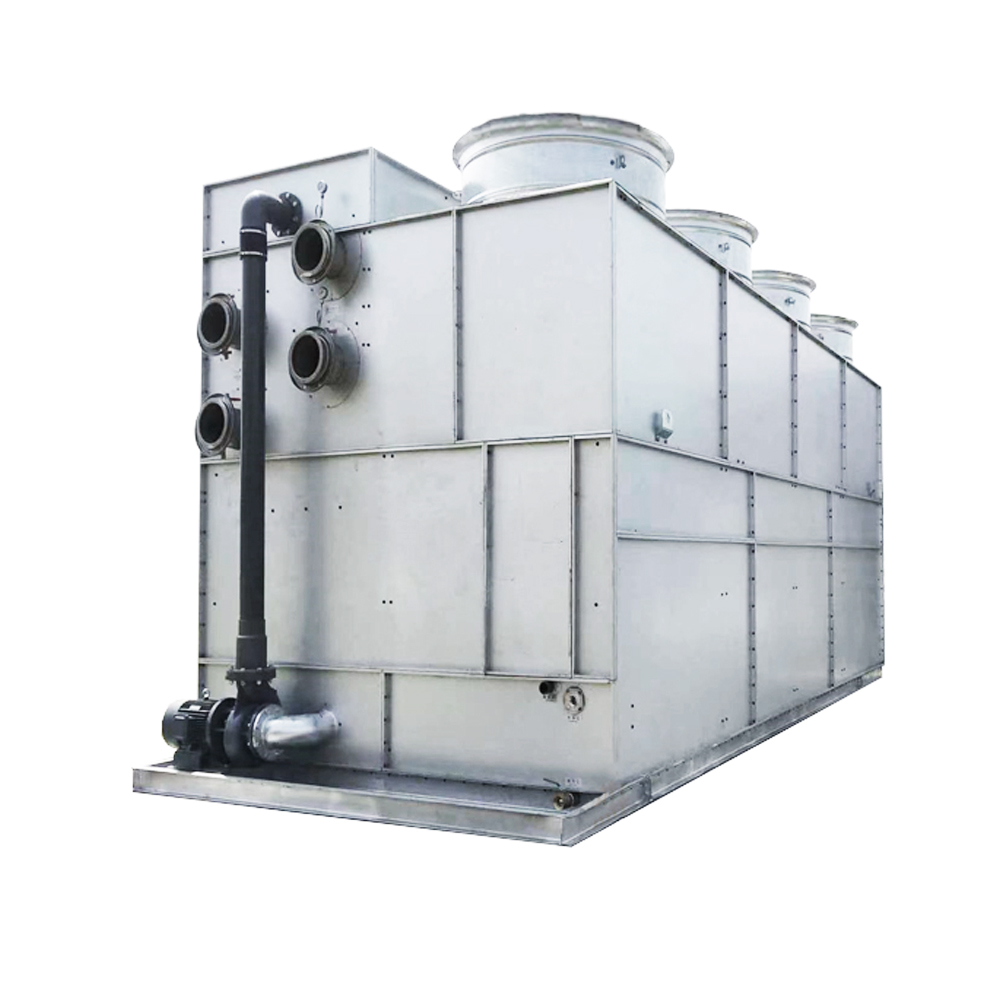
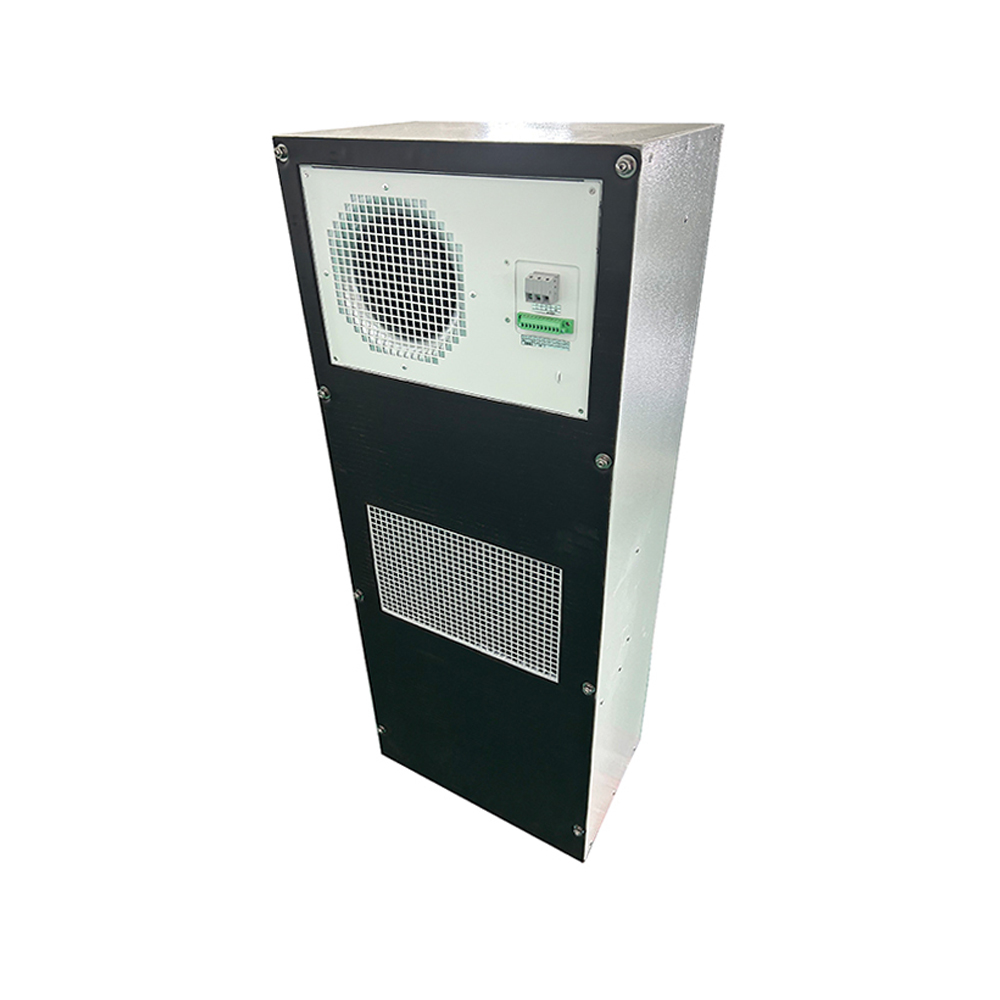
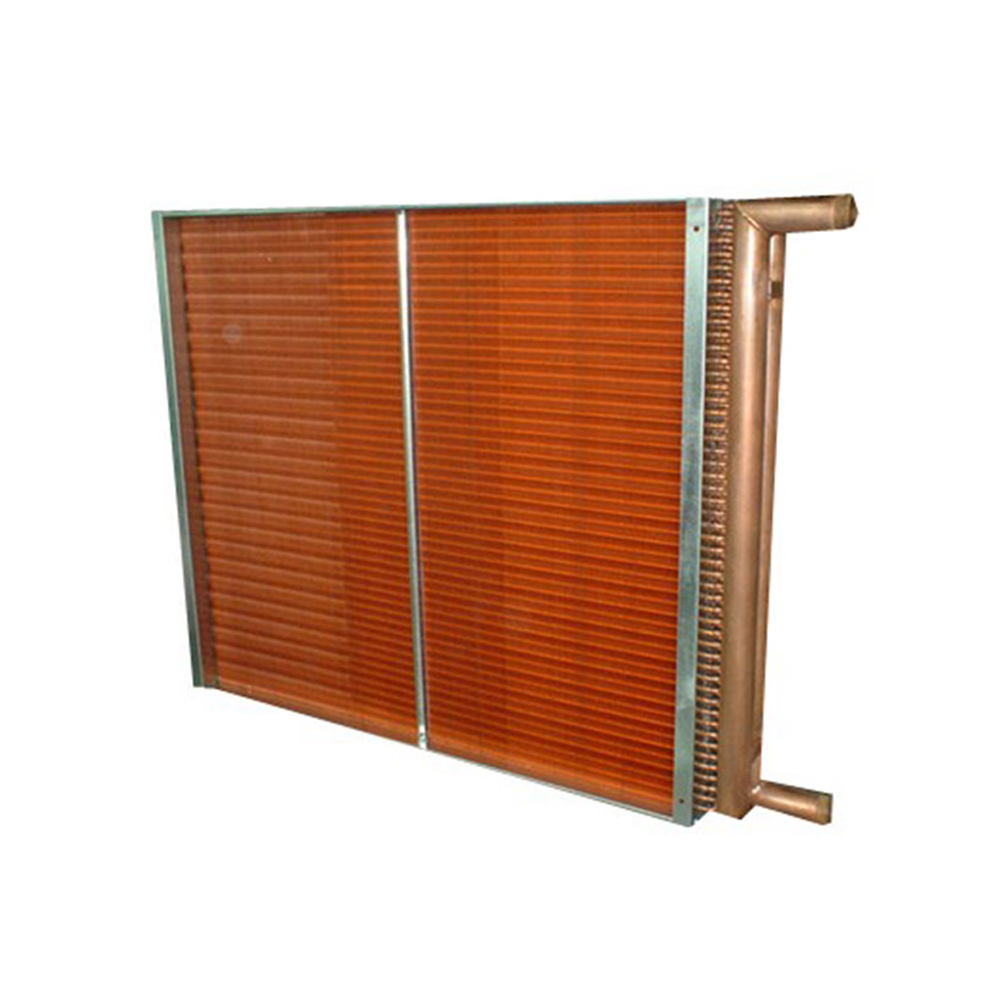
So, what exactly is a fin fan heat exchanger? At its core, it's an air-cooled heat exchanger that utilizes fans to enhance heat transfer. They often feature prominently in applications where water is scarce or not feasible. This makes them more environmentally friendly compared to water-based systems.
In practice, these exchangers are integral to refining oil fields and chemical processing plants. But this isn’t without its challenges. Take corrosion, for example; it’s a persistent adversary due to environmental factors and material choices. Experience teaches us that selecting the right materials can extend the lifespan significantly.
Another factor often overlooked is the positioning. A fin fan heat exchanger improperly positioned can lead to performance inefficiencies. It’s this kind of trial and error you often don’t read about but learn on the field.
Key Challenges and Misleading Assumptions
One common misconception is that these systems are maintenance-free. Frankly, that's a dangerous assumption. Regular inspection is necessary to ensure that the fins and fans are not obstructed by debris or damaged by weather conditions. Ignoring this is a recipe for inefficiency.
Let me tell you about a project in a coastal area. Salt-laden air sped up corrosion despite initial protective measures. It was a learning moment: realize the environment’s impact and plan for it, not merely react to it.
Additionally, the noise generated by fans is another aspect often downplayed. Proper planning and installation techniques can mitigate this, making the system more community-friendly.
Optimization Techniques and Best Practices
On the topic of optimization, variable frequency drives (VFDs) have become a popular addition to modulate fan speed, thus reducing energy consumption. It requires a bit of initial investment, but the savings in operational costs make it worthwhile.
Installation angles also matter more than many realize. Proper angles can improve airflow and cooling efficiency while reducing unwanted strain on the system.
When designing a setup, the space between units cannot be neglected. It affects cooling capacity and operability — lessons often learned the hard way by cutting corners.
Real-Life Case Studies and Lessons Learned
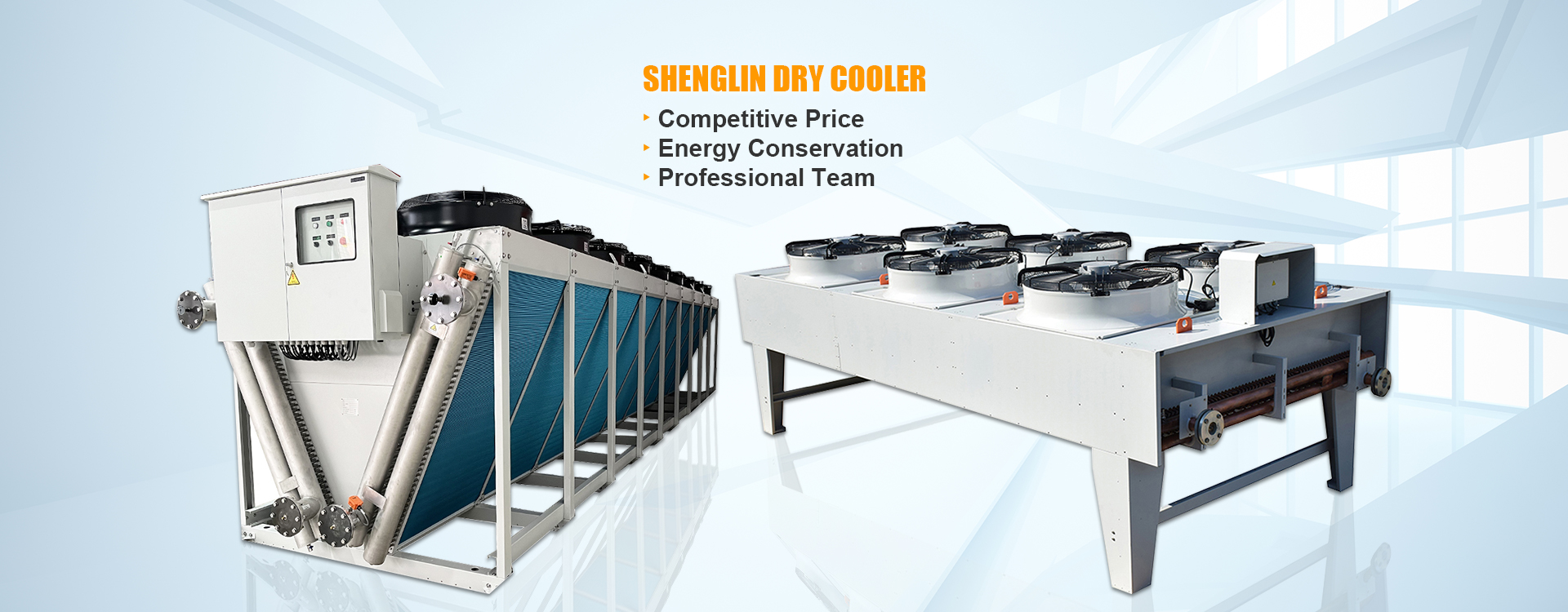
Working with companies like Shanghai SHENGLIN M&E Technology Co.,Ltd, known for their expertise in industrial cooling technologies, we often compare notes on industry best practices. According to their insights, adapted designs for specific industry needs makes for remarkable output. Their website, ShenglinCoolers.com, provides insights into tailored solutions.
Another practical case is when we tackled a high-altitude project. It was essential to take atmospheric pressure into account. Designing for optimal efficiency involved some tweaks that weren’t initially part of the plan. This precise adaptability is what sets apart successful implementations.
Such collaboration highlights the importance of knowing your partner and trusting their capabilities, especially in tailored applications in unique environments.
Future Trends and Innovations
As we look to the future, innovations in fin fan heat exchangers focus on improved materials and smart integration. With IoT making inroads, real-time monitoring can catch inefficiencies before they cascade into larger problems.
We’re also seeing an increasing trend towards hybrid systems that blend air and water cooling, providing flexibility not possible a decade ago. The benefits here can’t be overstated, especially in transitional climates.
The industry is pushing boundaries in reduction of environmental footprints and maximization of energy efficiency. Leading companies like SHENGLIN pave the way by refining existing technologies and incorporating cutting-edge advancements, setting the stage for the next evolution in cooling strategies.