html
Understanding Data Center Modular Design
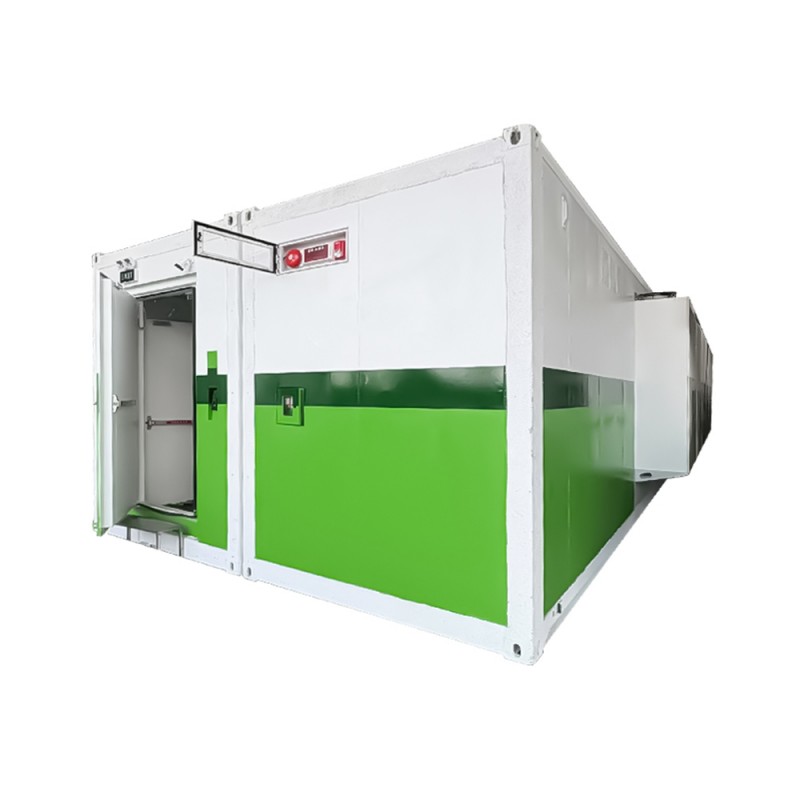
Embracing a tailored approach in data center design, data center modular solutions offer both scalability and efficiency, crucial for addressing varied and dynamic computational demands.
Introduction to Modular Data Centers
In recent years, the term data center modular frequently pops up in industry conversations. But what does it truly mean? Unlike traditional data centers, these modular setups are designed to be flexible and scalable. I’ve often seen businesses unsure about diving into this design, questioning if it’s merely a trend or a long-term solution.
What's often overlooked is the potential for significant cost savings and operational efficiency. Having worked with these systems, I noticed an immediate reduction in energy waste. The key is in how these modules are pieced together, like building blocks that can be individually optimized and upgraded.
One of the more impressive aspects is how easily they integrate with existing infrastructure. I recall a project with a major e-commerce company where we implemented modular units seamlessly into their existing setup, preserving their prior investments while enhancing capacity.
The Evolution from Traditional to Modular
There's a noticeable shift from bulky, traditional data centers to more compact modular solutions. And yes, it’s not just a buzzword. Initially, I was skeptical, especially considering the reliability and robustness of older setups. However, I found the modular approach exceptionally adaptive, catering to specific needs rather than a one-size-fits-all model.
In one instance, I observed first-hand how a utility provider used modular designs to scale their operations during peak seasons efficiently. This flexibility was initially seen as a gamble but it paid off in maintaining uptime with less headache over cooling demands.
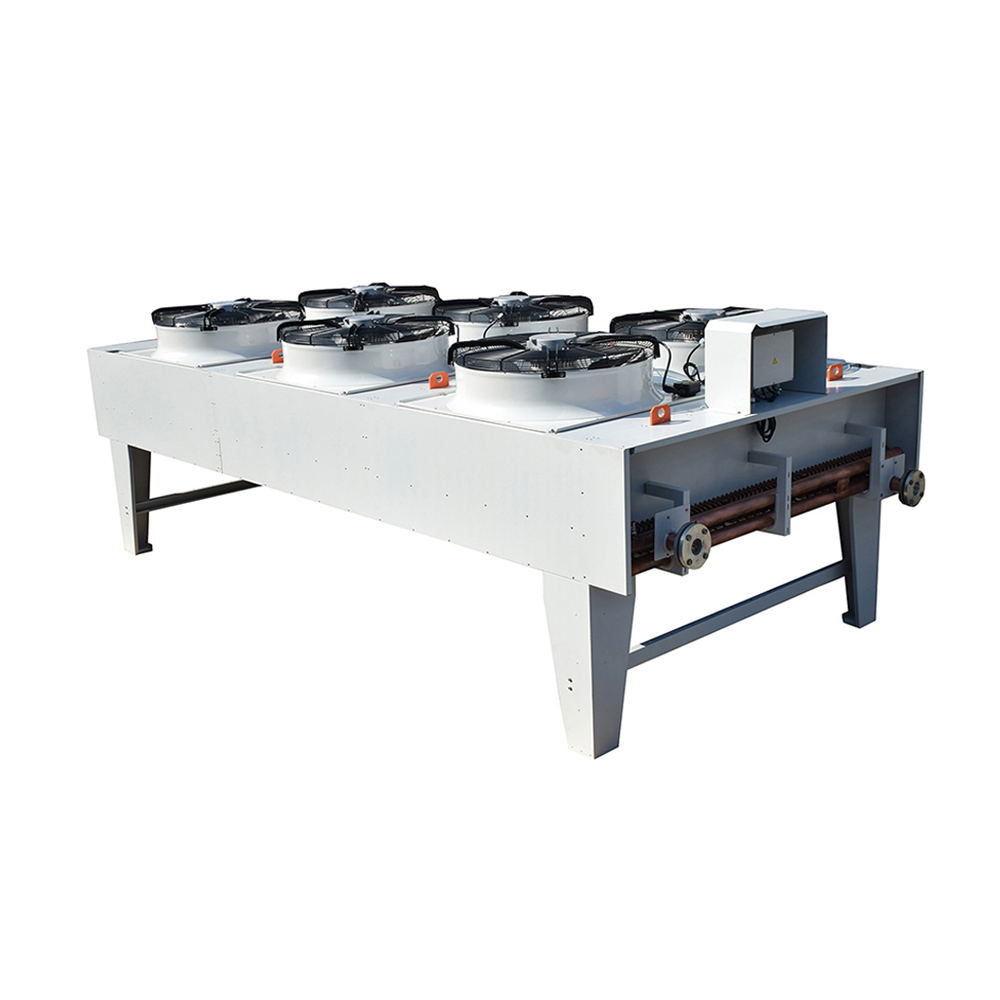
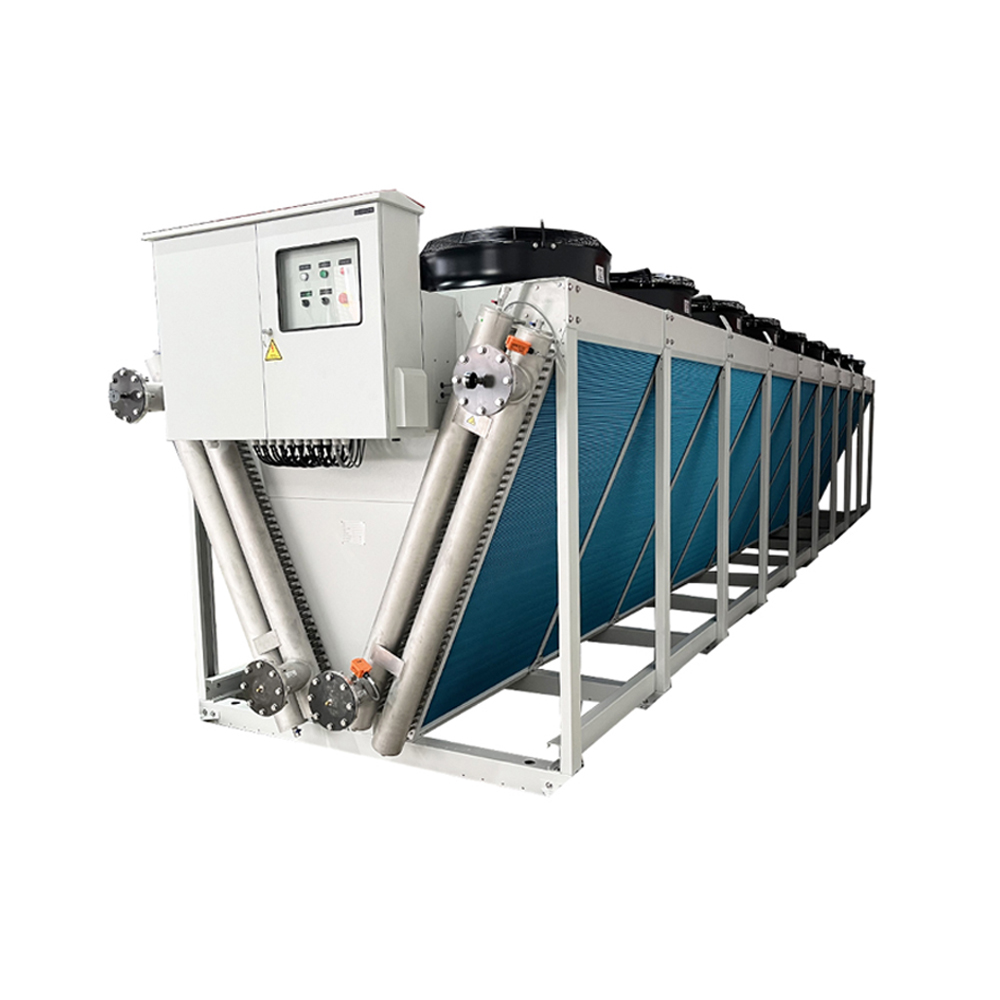
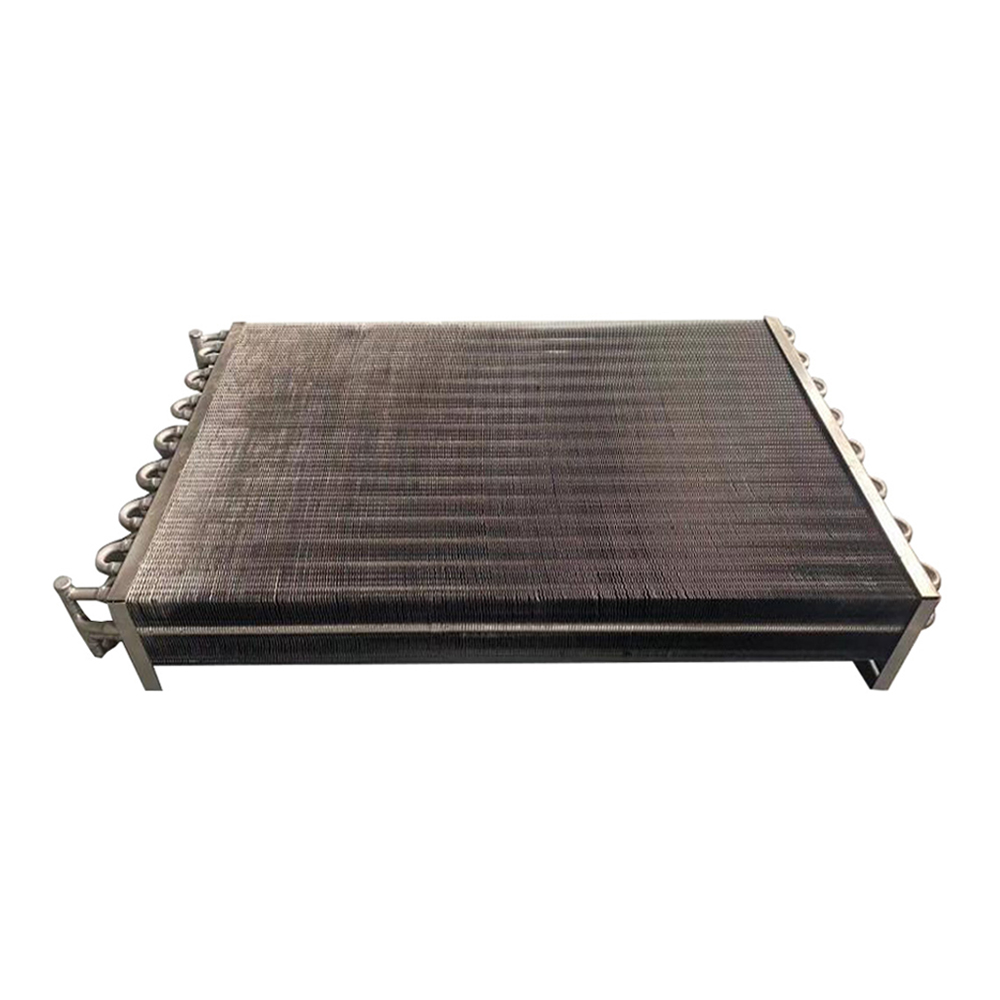
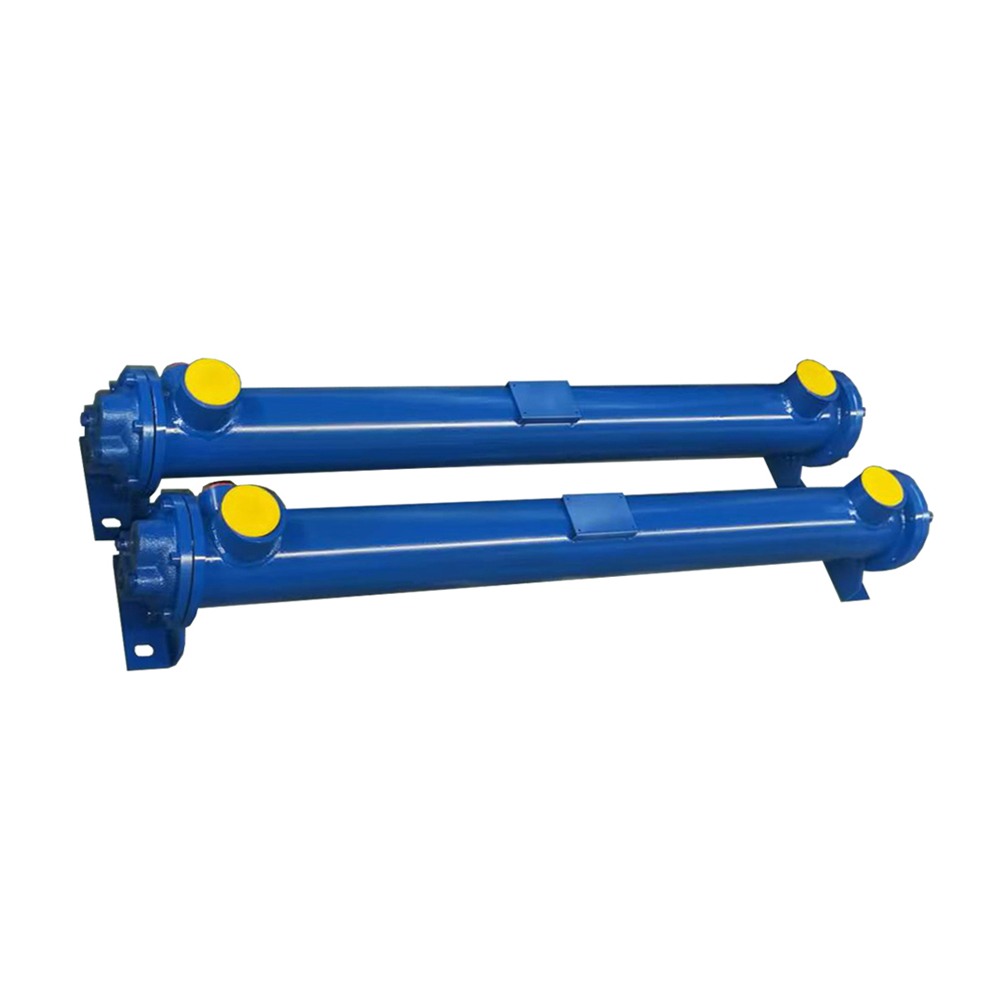
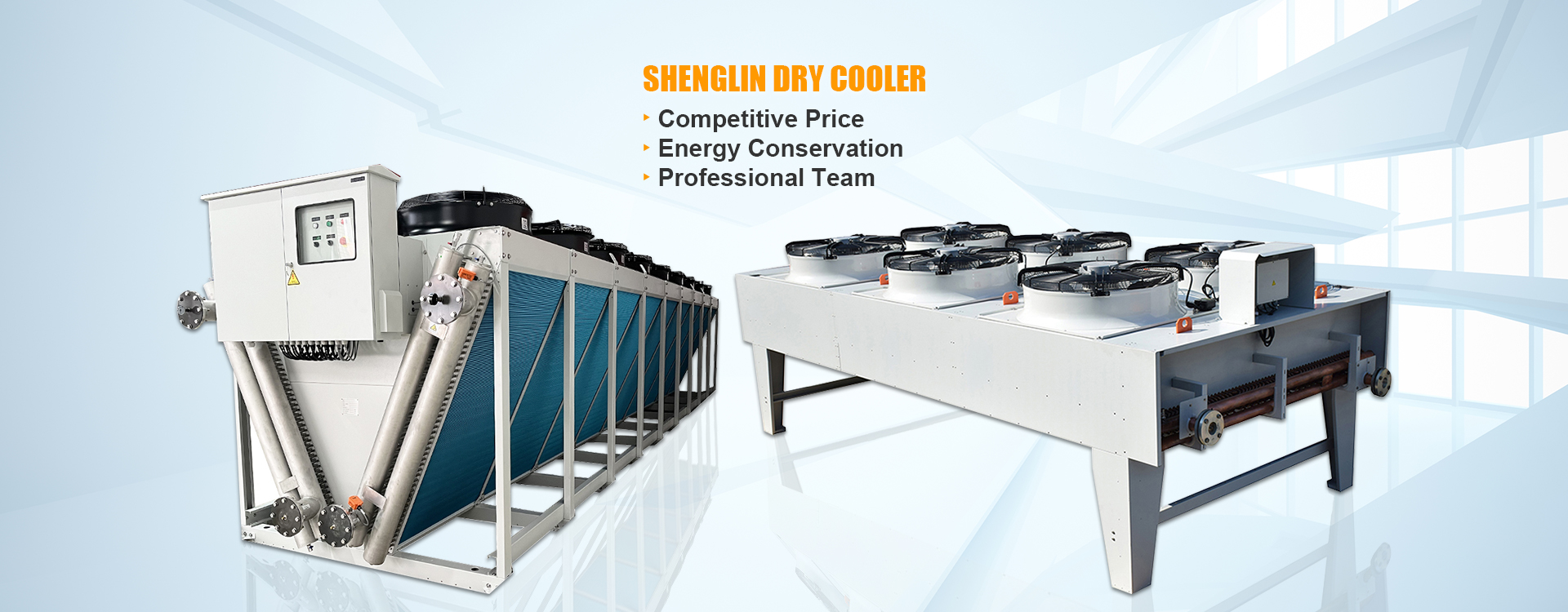
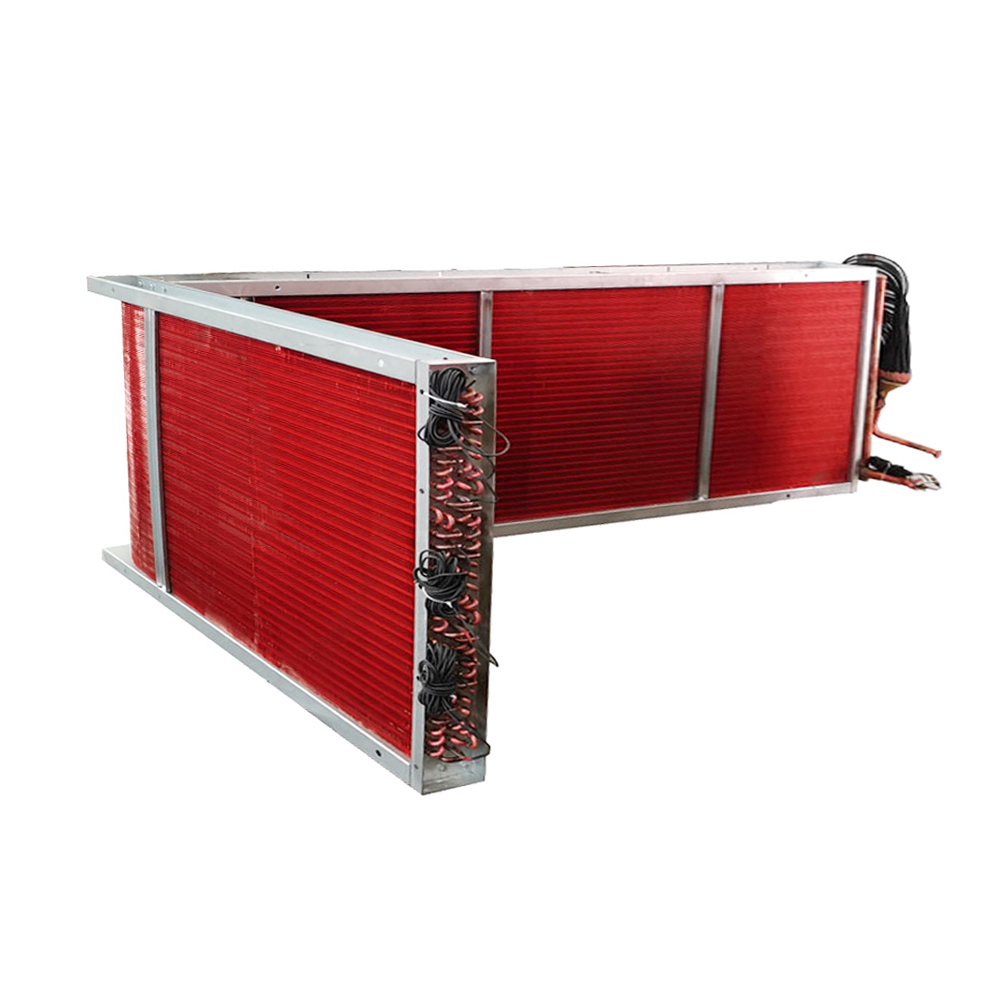
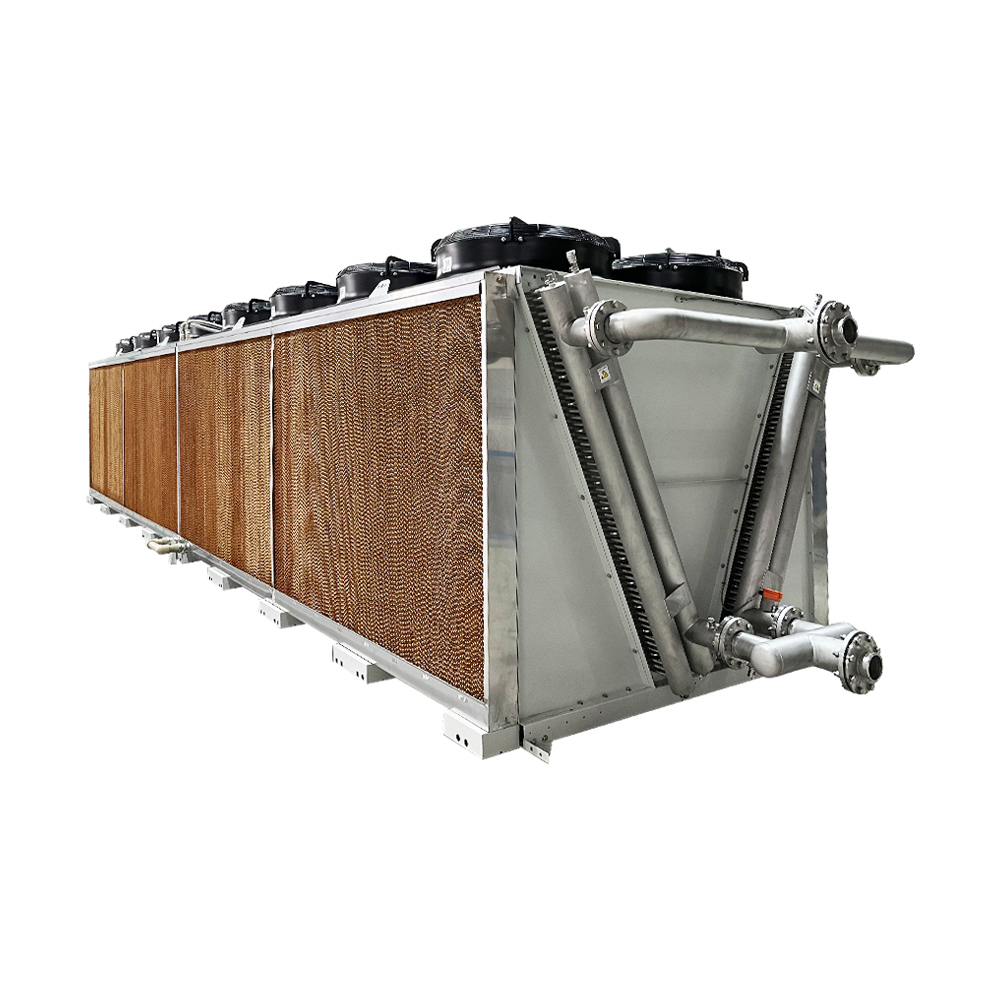
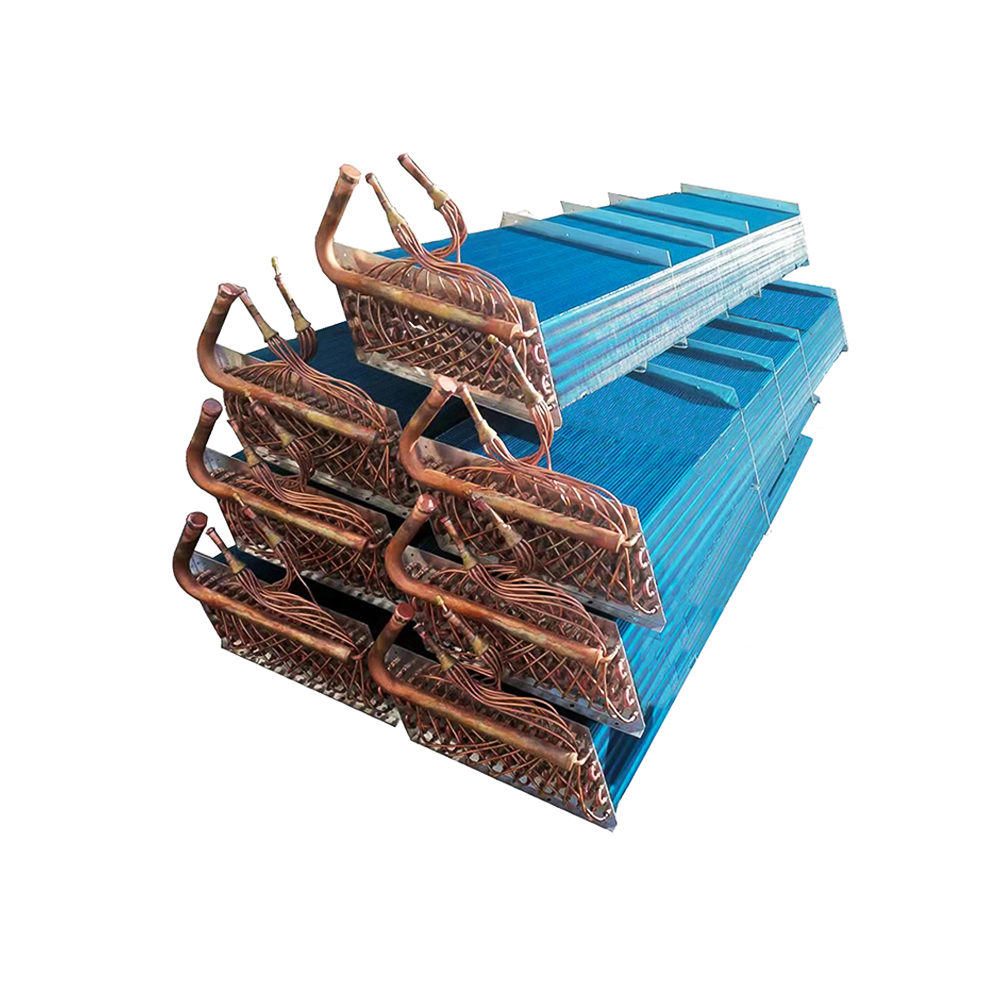
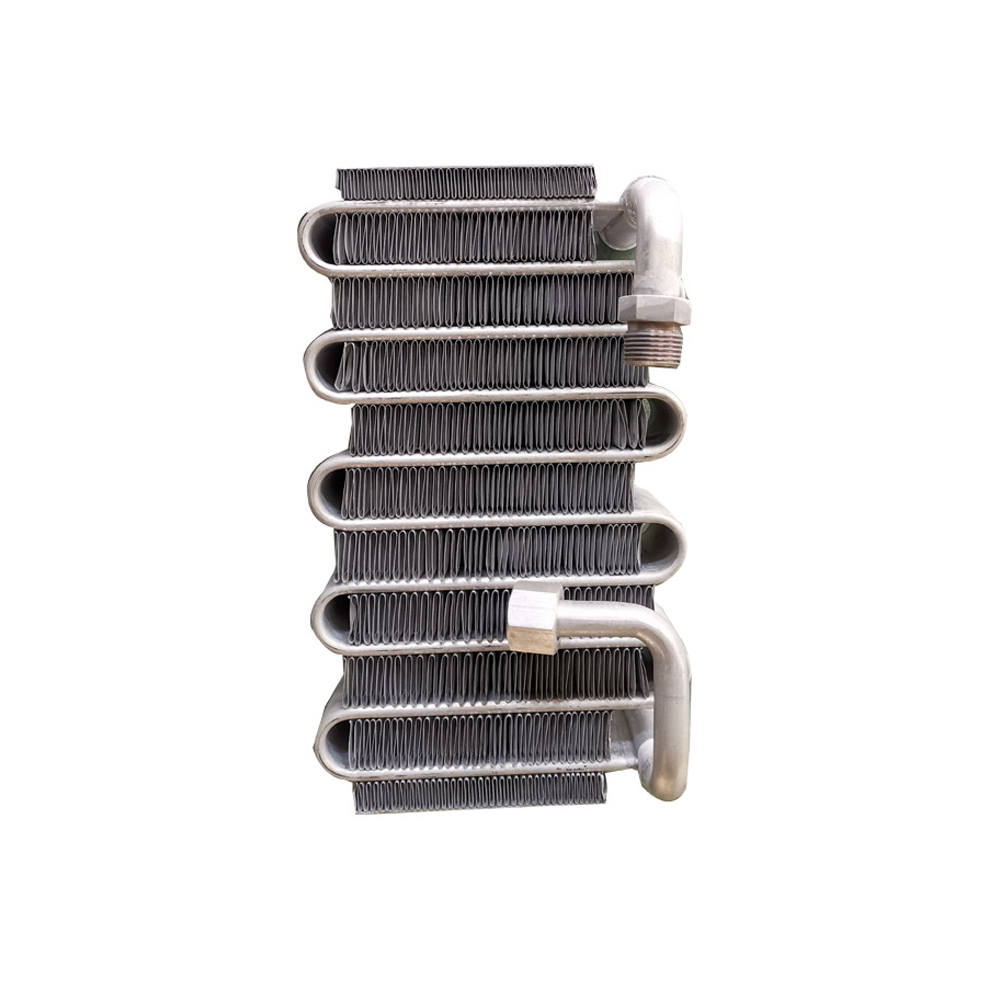
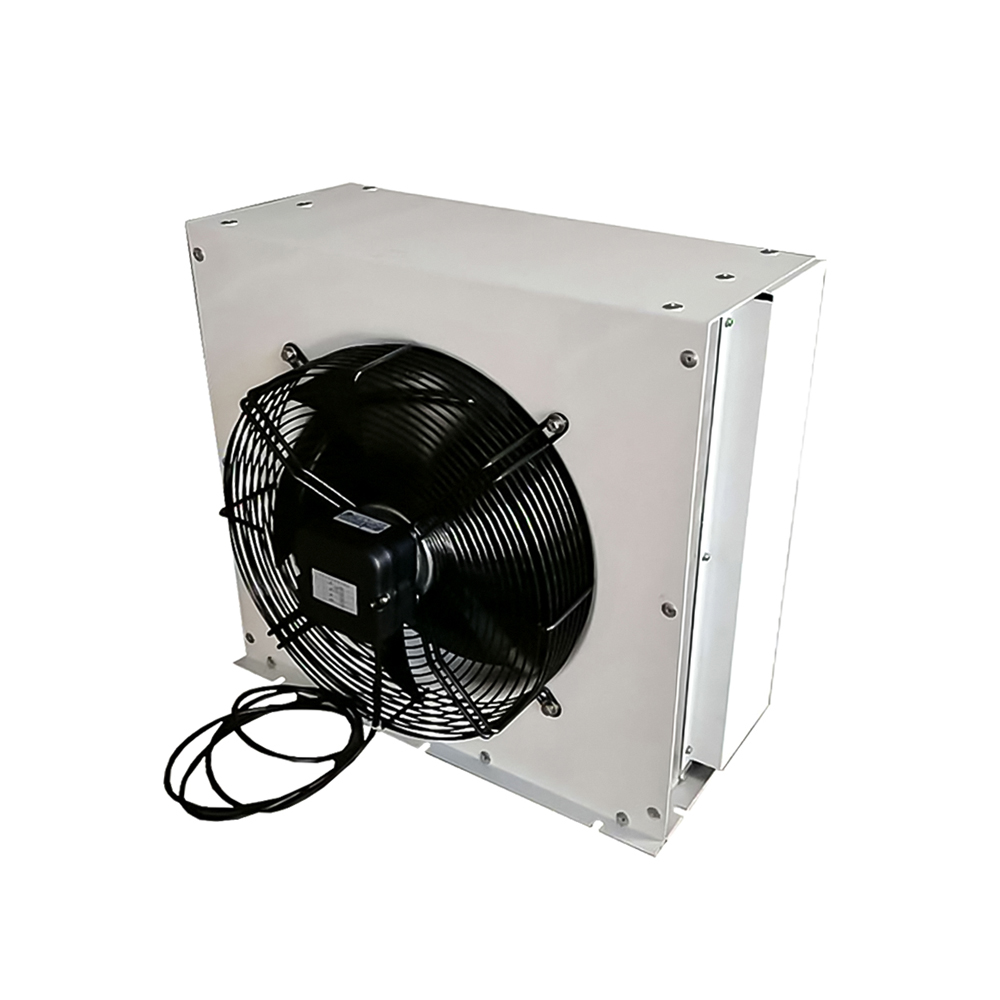
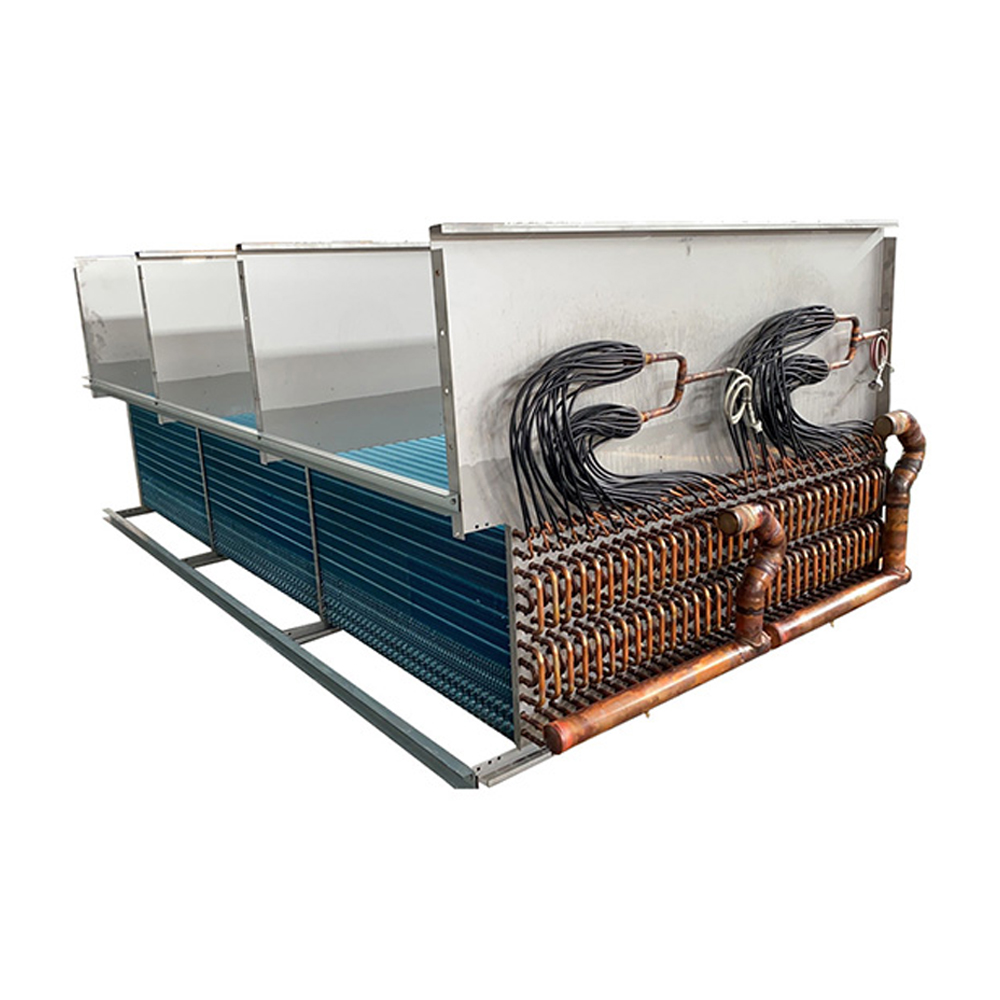
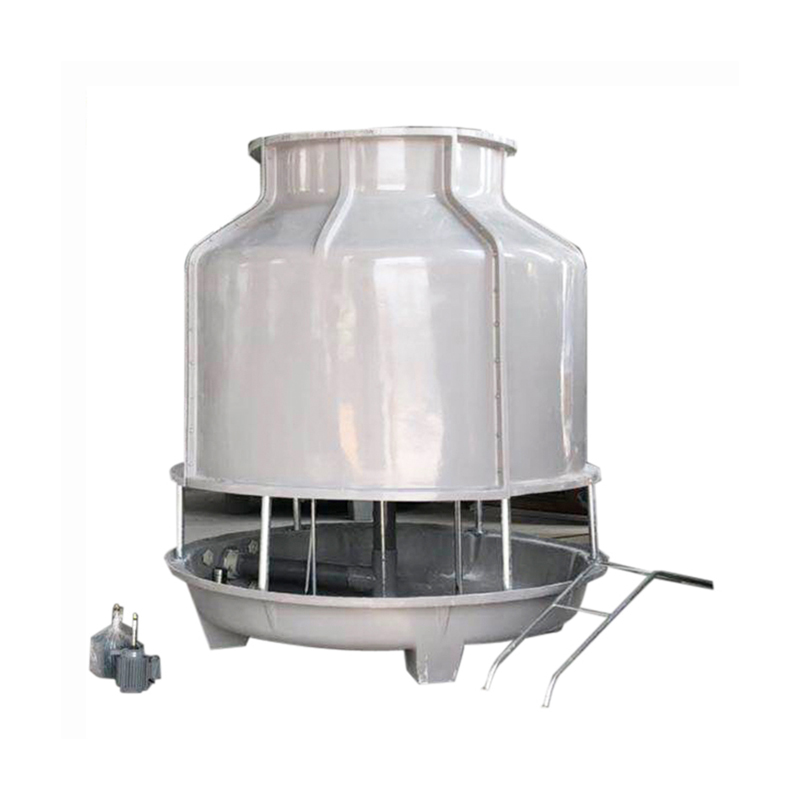
Speaking of cooling, companies like Shanghai SHENGLIN M&E Technology Co.,Ltd are at the forefront, providing targeted solutions for these modular systems. Their role in industrial cooling technologies ensures optimal performance without excessive energy consumption. I've seen them deliver impressive results in some of the most challenging environments.
Challenges in Implementation
Despite its advantages, implementing a data center modular approach isn’t without hitches. Compatibility with existing systems can be tricky and often underestimated. I’ve noticed it's crucial to have a detailed integration plan to avoid unexpected downtimes.
Moreover, the initial cost can be daunting. Companies might shy away initially due to perceived high capital investment. However, I always advise considering the long-term savings in energy and maintenance, which often outweigh the initial expenses.
A vivid example comes from a startup client who hesitated due to budget constraints. Yet, after a thorough cost-benefit analysis, they opted for the change and soon realized noteworthy financial benefits, mainly from reduced energy costs.
Advantages over Traditional Designs
Many might wonder why shift at all when traditional data centers have served well for decades. The answer lies in adaptability and future-proofing. It's not just about current needs but being ready for unexpected growth and changes in tech demands.
I've observed some companies dramatically reduce their carbon footprint through these modular strategies. This environmentally-friendly aspect can even contribute to better corporate image and reputation.
An anecdote from one of my projects illustrates this well. A mid-sized firm prioritized sustainability and switched to a modular design. Not only did they enhance their operational efficiency, but they also received recognition for their green initiatives, something traditional setups didn't offer as easily.
Future Prospects and Trends
Looking ahead, I see the data center modular approach not just as a trend but a cog in the wheel of technological advancement. With the rise of AI and IoT, demand for agile, scalable solutions will only increase.
Companies like SHENGLIN are likely to continuously innovate, offering cutting-edge cooling solutions to support this evolution. The industry will inevitably favor those capable of quick adaptations, and modularity is the key.
Finally, I foresee a shift in how we perceive data centers. The understanding will broaden from being mere physical infrastructures to dynamic ecosystems capable of rapid change, aligning perfectly with today’s fast-paced technological landscape.




.jpg)