Unpacking the Future: Containerized Data Centers
In the rapidly evolving data landscape, the concept of containerized data centers is often met with either excitement or skepticism. Despite their advantages, there's a nuanced debate about their real-world application. We'll navigate through the practicalities and potential pitfalls, sharing insights from industry experiences.
Understanding the Basics
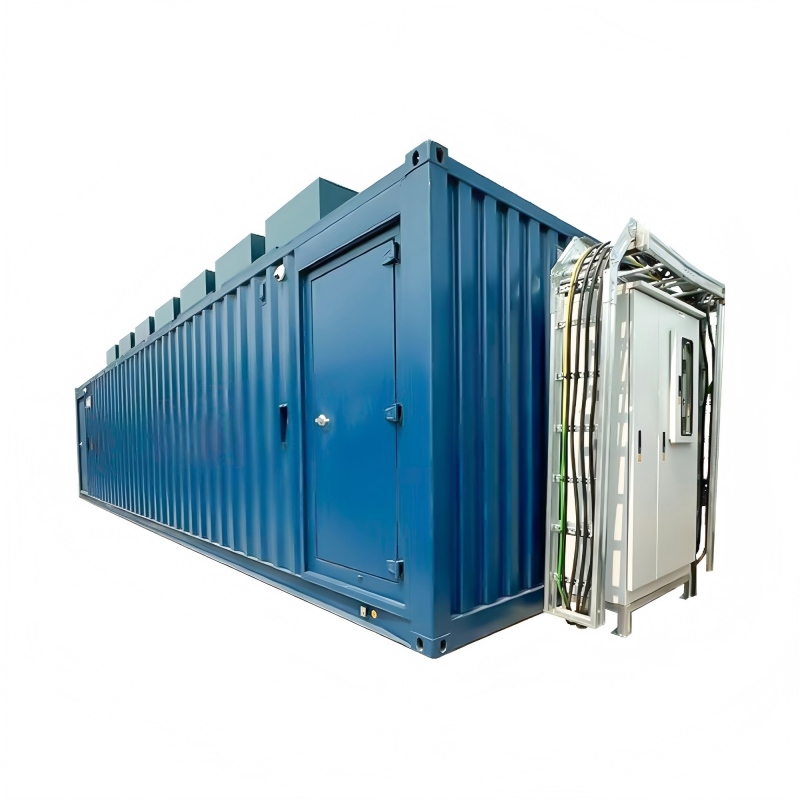
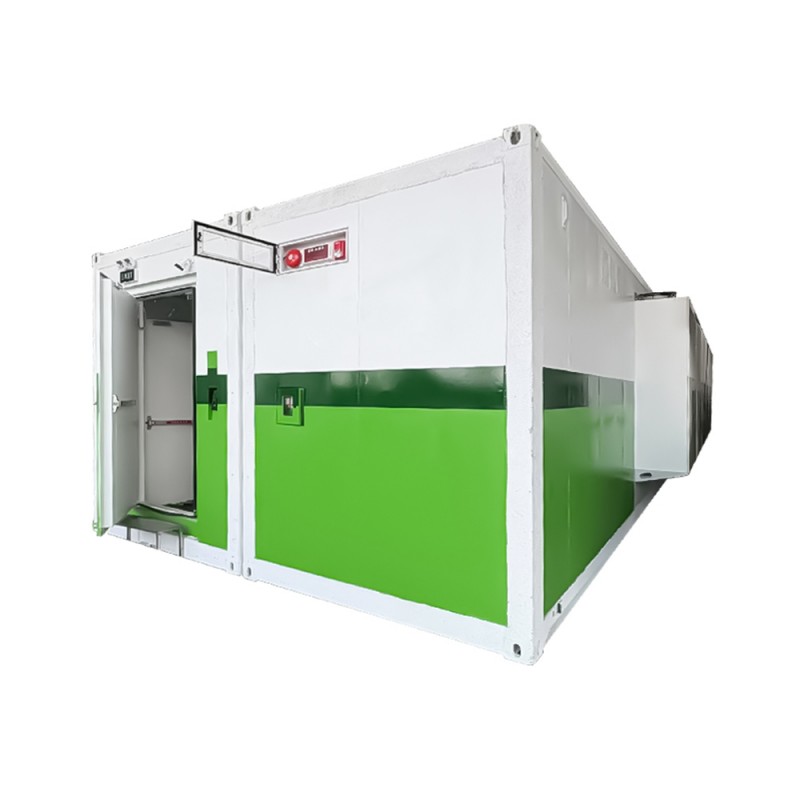
Containerized data centers are essentially pre-fabricated units, designed to meet immediate data processing needs without the traditional infrastructure hassles. They're like modular powerhouses, often appealing for their mobility and scalability. But beyond the surface allure, what do they truly offer?
The vision here is agility. I've seen businesses, overwhelmed by digital demands, instantly drawn to these solutions. Having worked at field sites where land and resource constraints hamper traditional builds, the flexibility of containerized systems becomes glaringly evident. But it's not all smooth sailing.
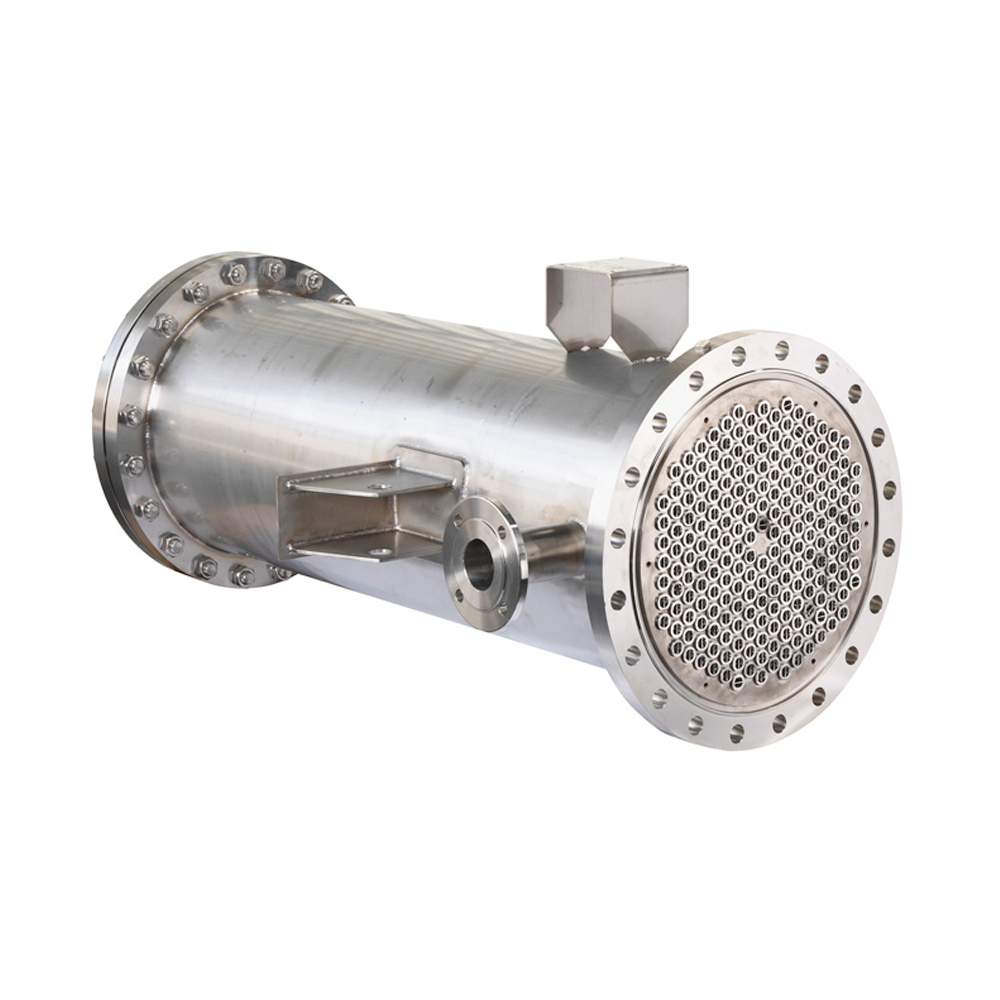
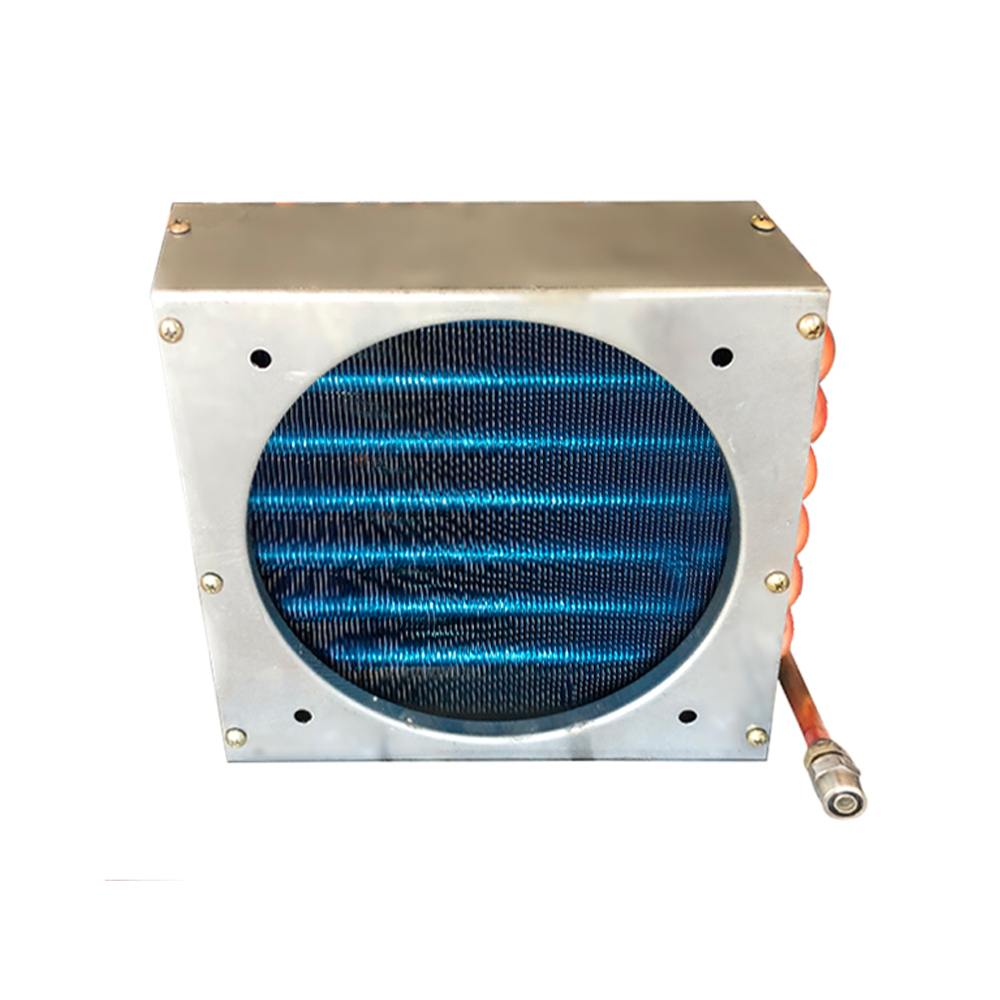
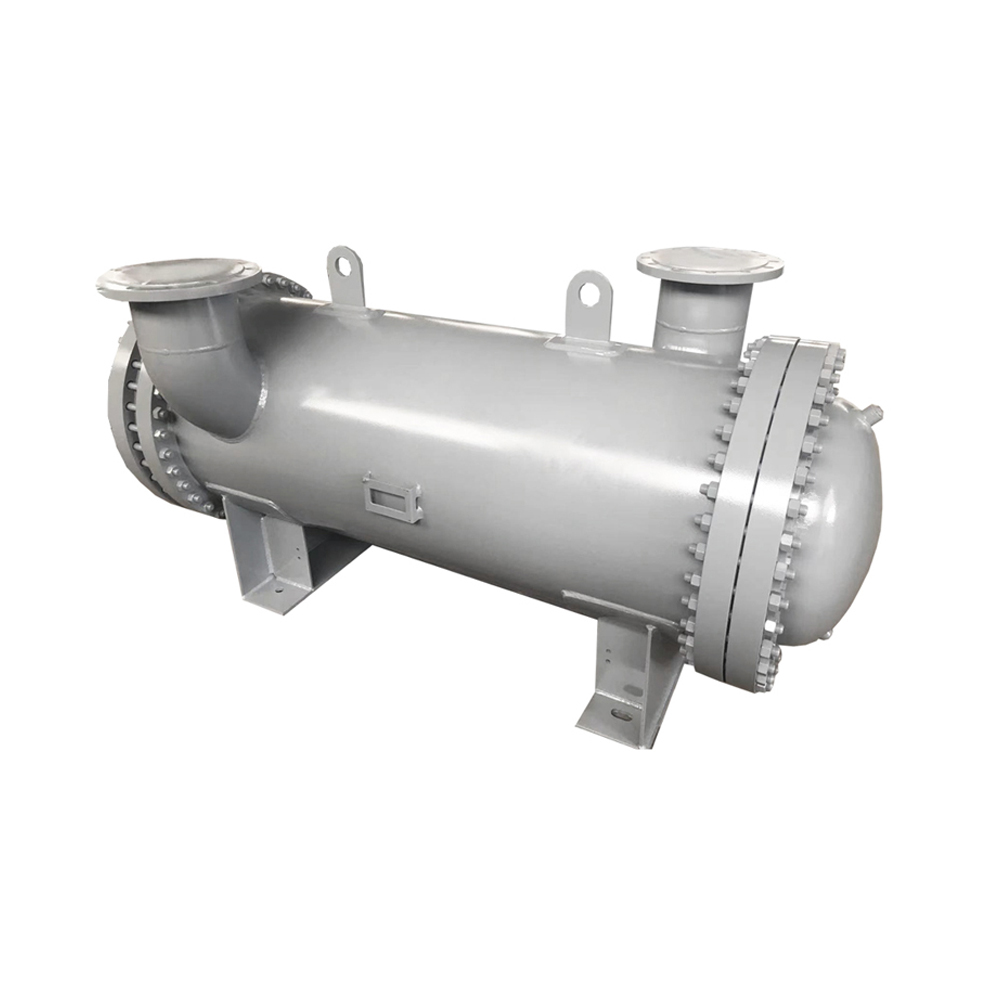
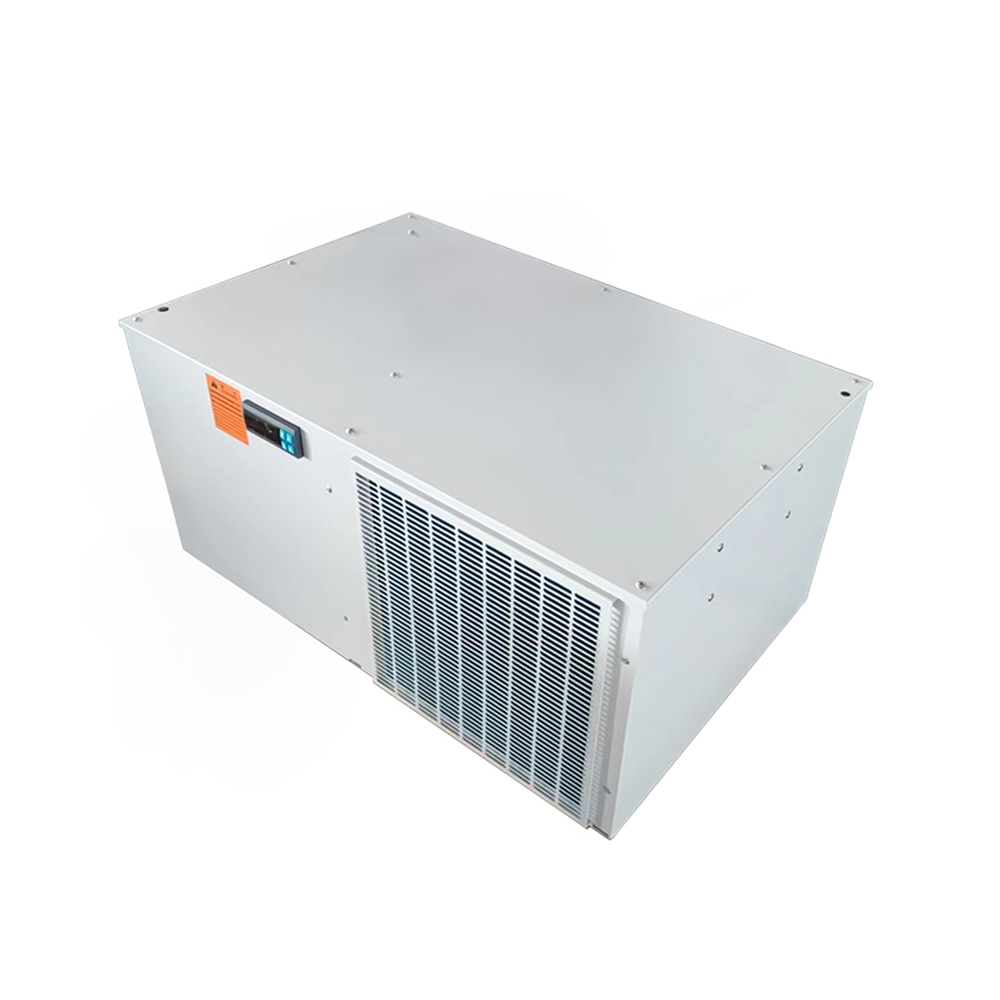
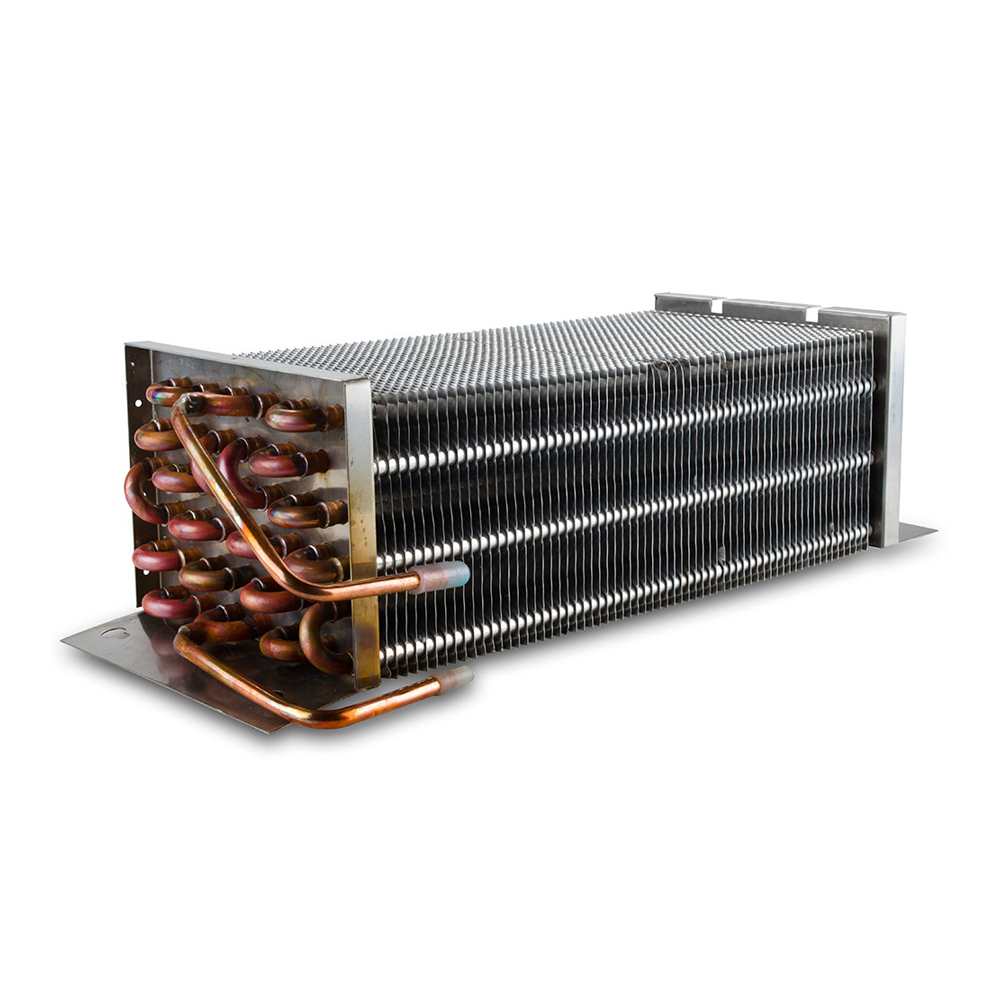
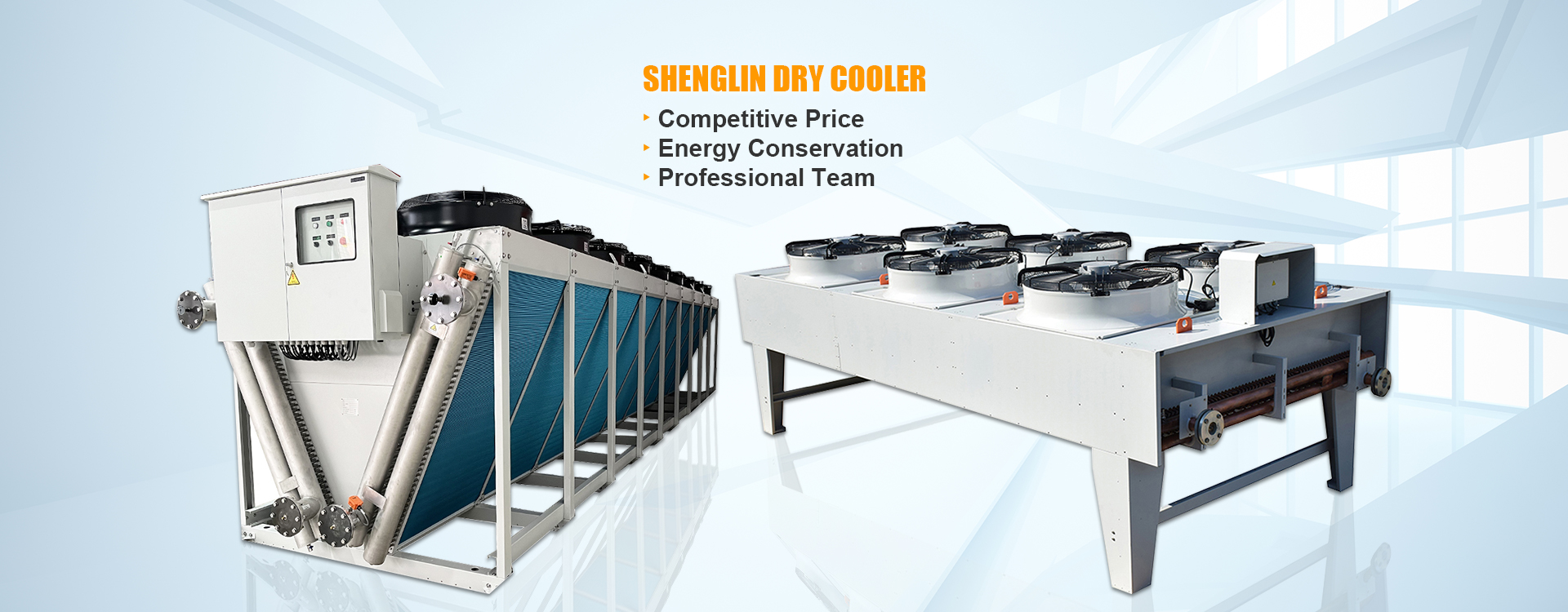
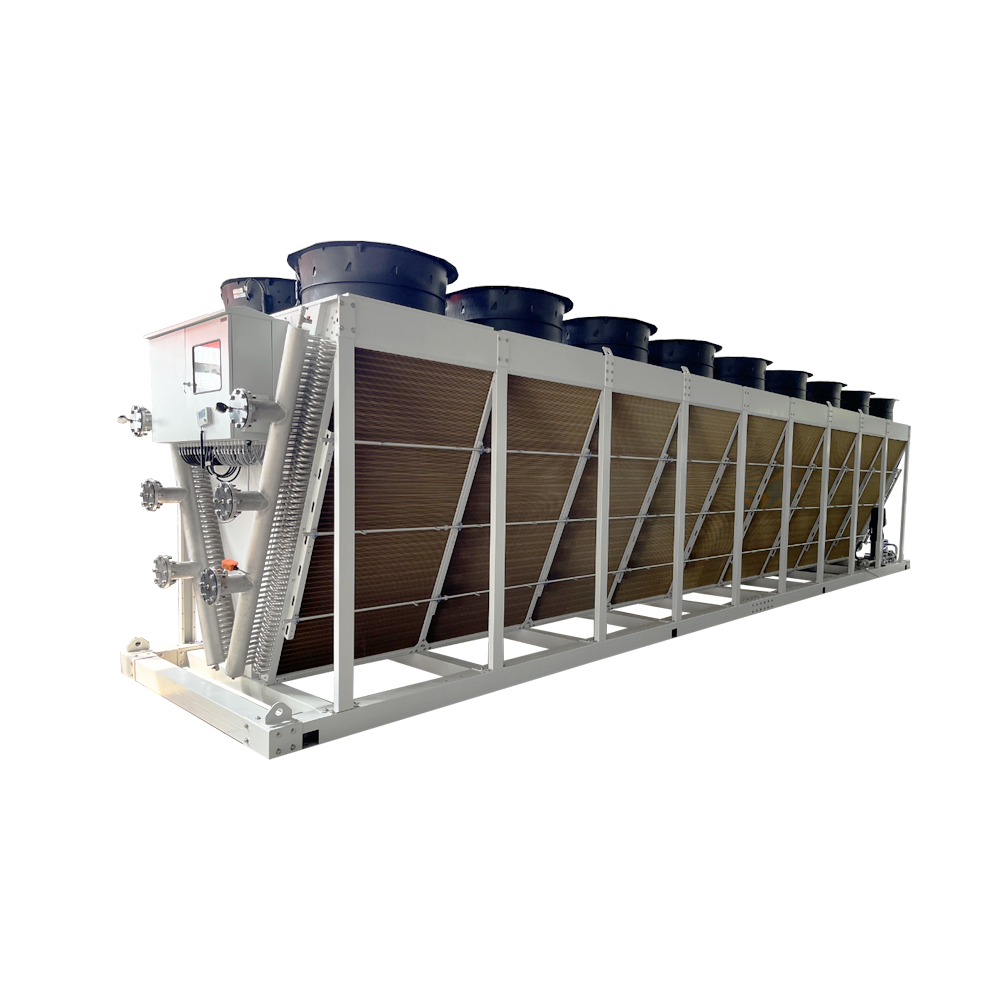
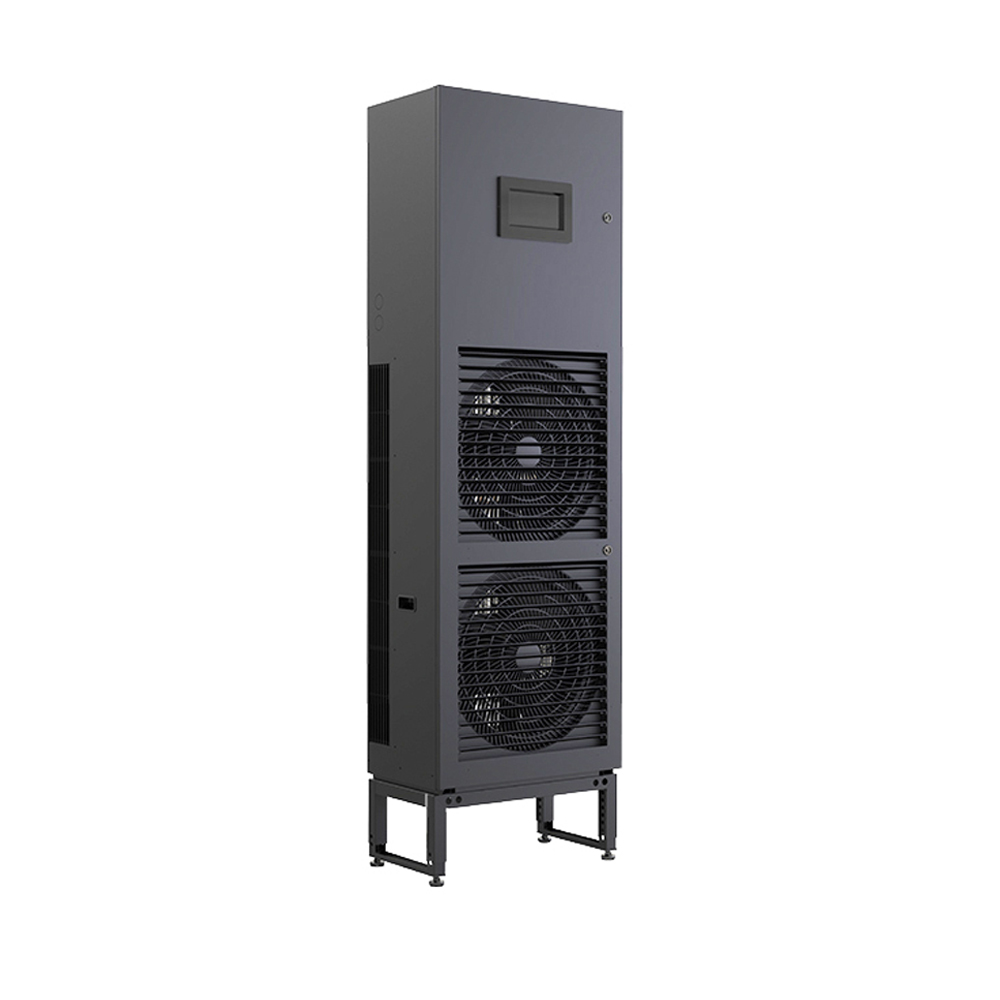
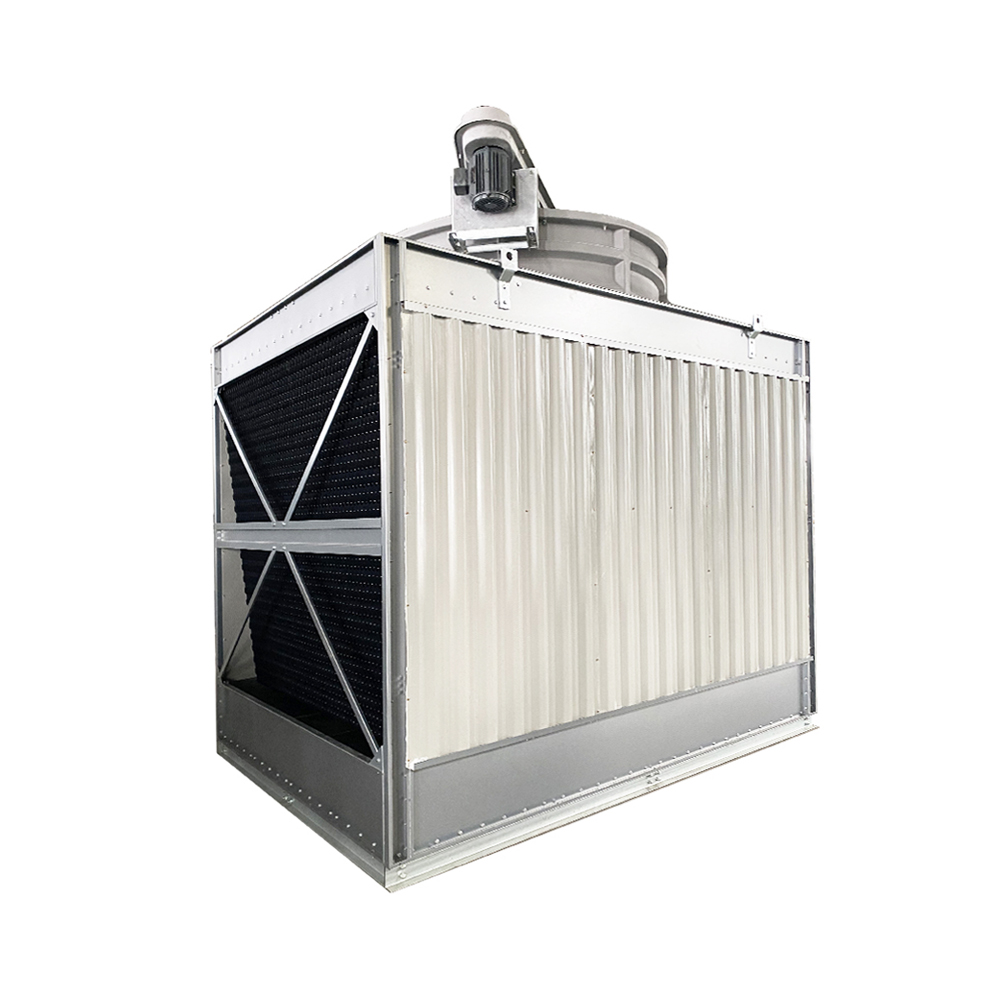
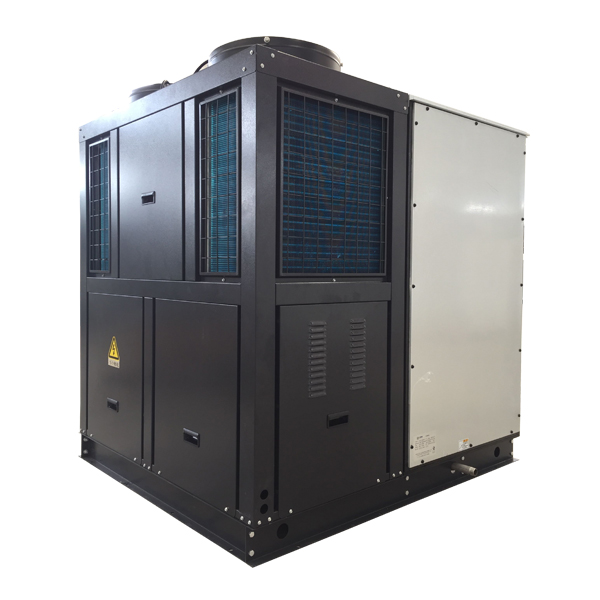
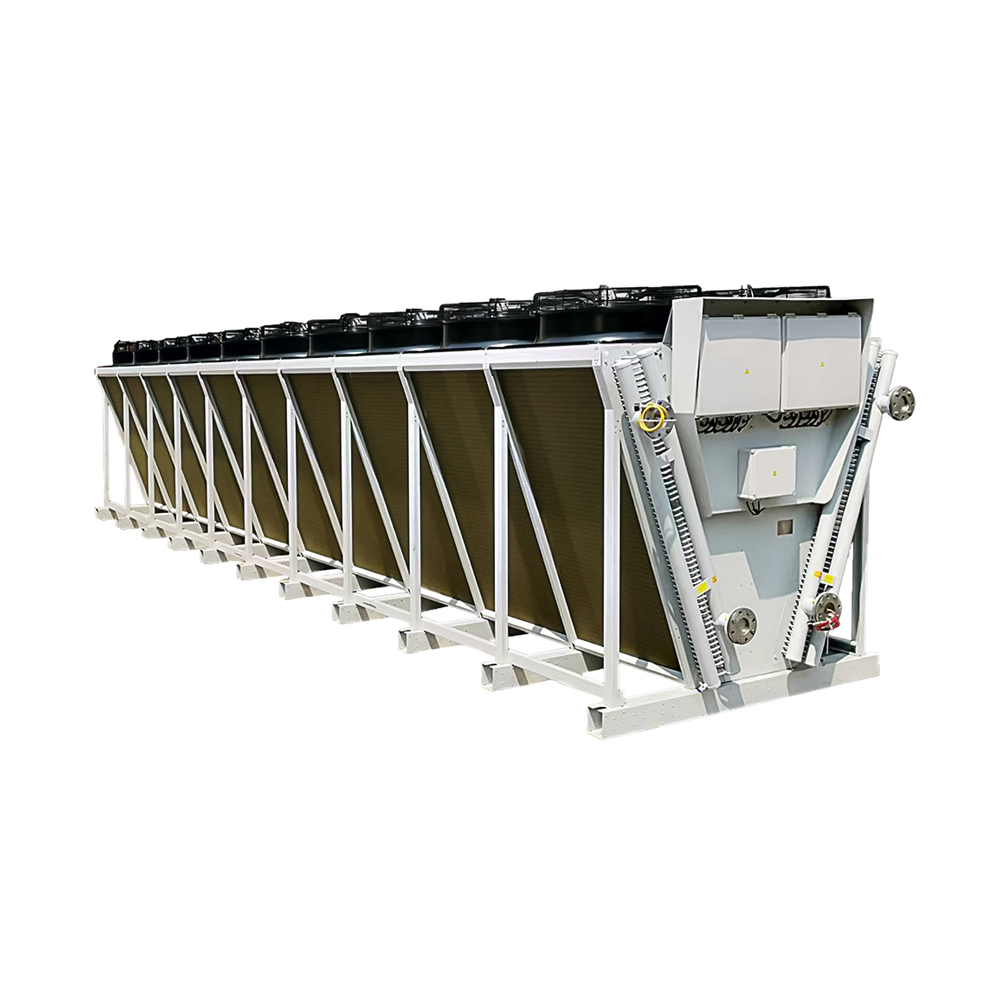
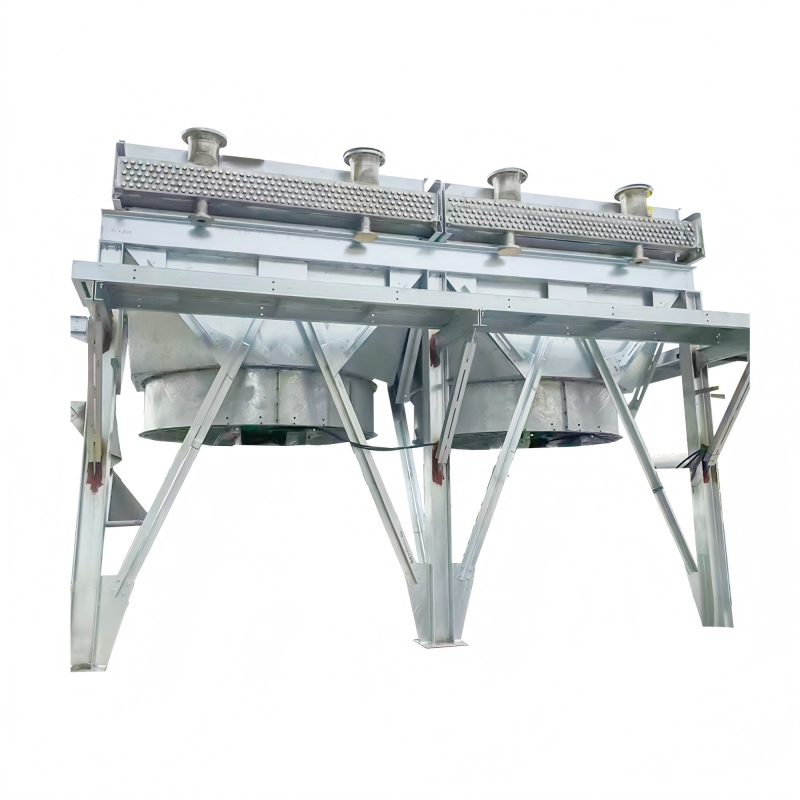
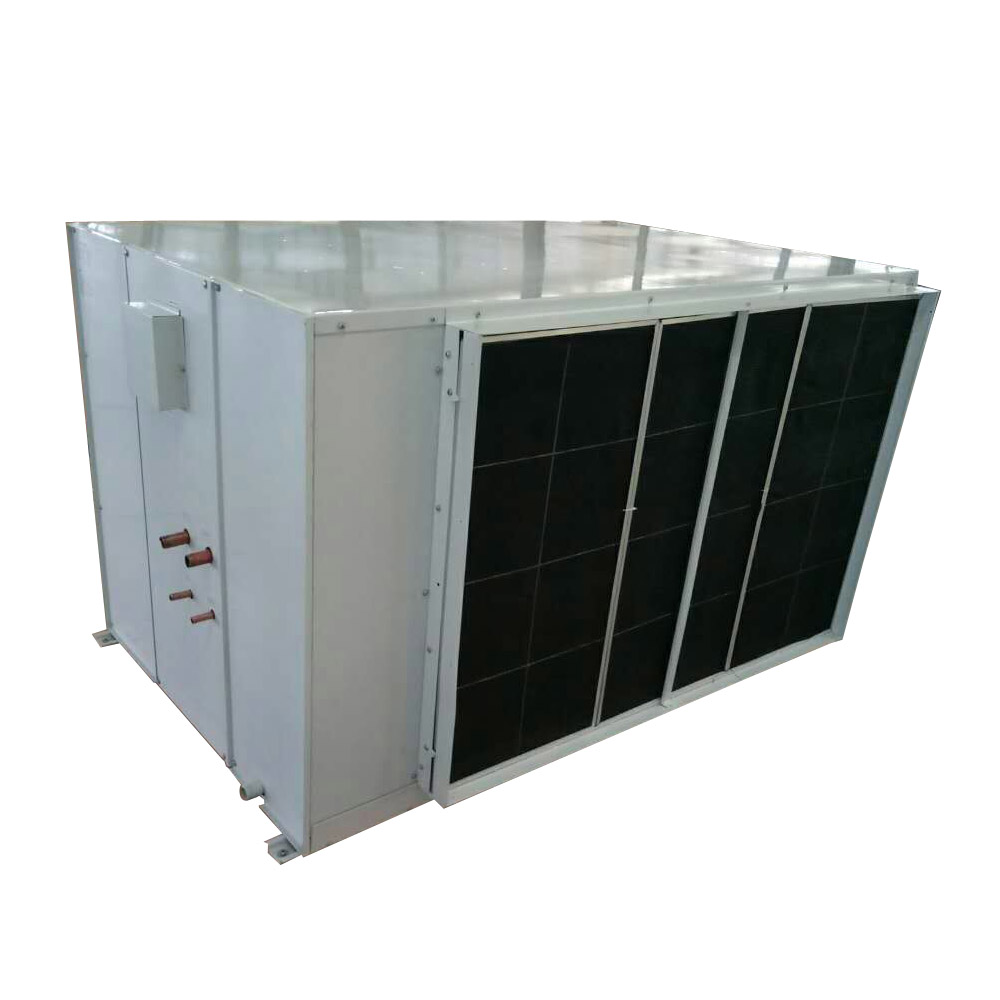
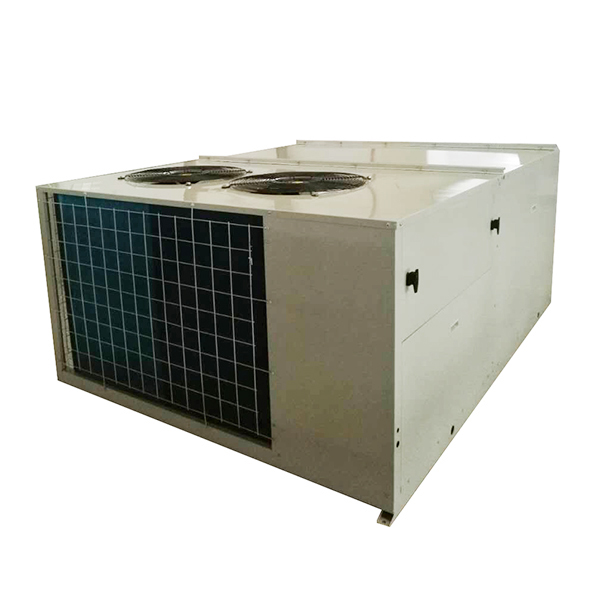
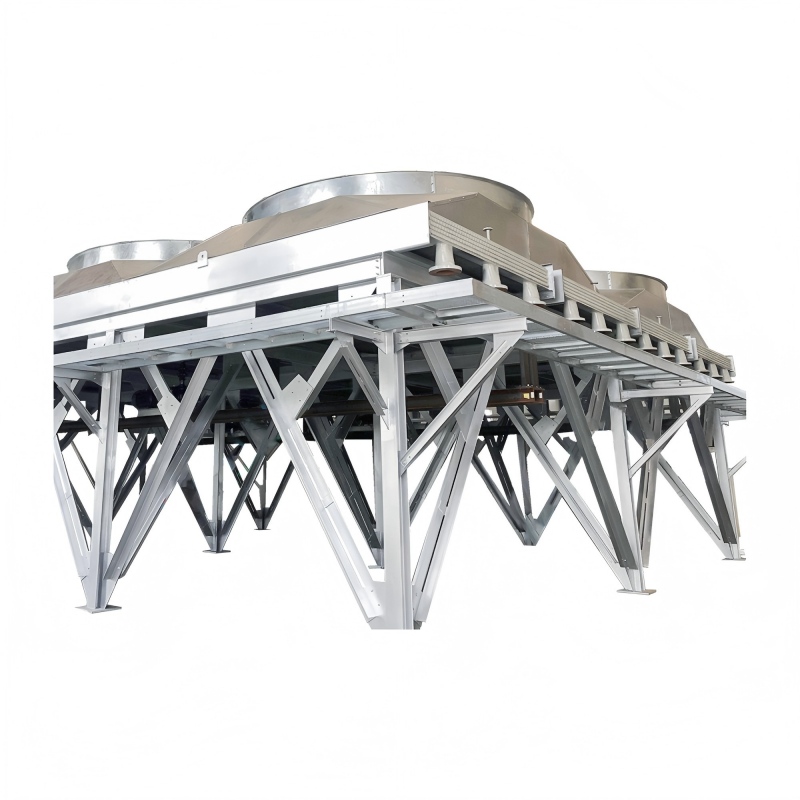
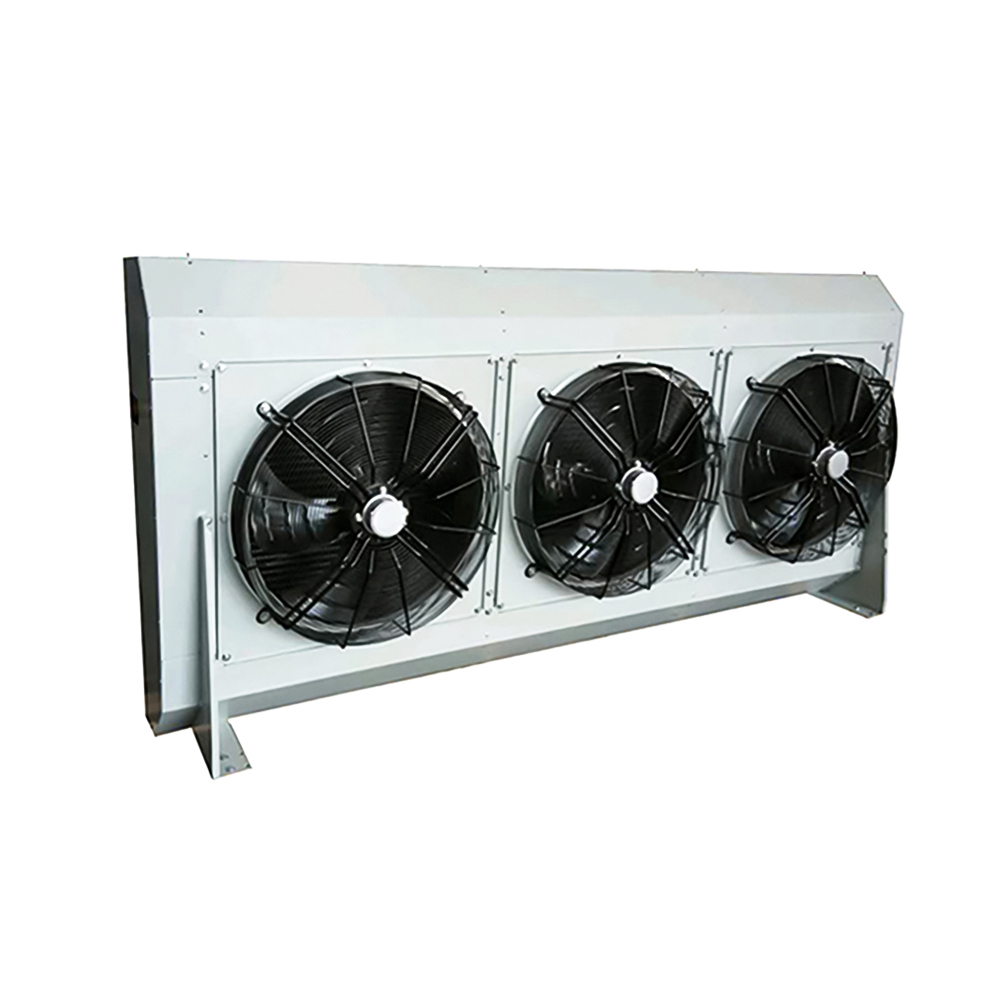
A colleague once shared about an initial phase deployment hiccup, where the excitement led to oversight. If not integrated thoughtfully, these data centers can become isolated tech islands—detached from the broader IT ecosystem. That's where companies like Shanghai SHENGLIN M&E Technology Co.,Ltd come into play, providing the cooling technologies essential for maintaining operations in these compact environments.
Deployment Challenges
One of the recurring challenges with containerized data centers lies in deployment in varying environments. Think about everything from climate to local regulations—it's not just about dropping a box and plugging it in. The devil, as ever, is in the details.
I've been on projects where the regulatory landscape took months to navigate. That can be frustrating, especially when stakeholders expect rapid deployment. In practice, a deep understanding of the local environment can save both time and resources.
For instance, when dealing with extreme temperatures, the cooling systems' effectiveness is paramount. SHENGLIN's containerized data center solutions emphasize this, ensuring that temperature management doesn’t become a last-minute scramble.
Cost Implications
Cost is always a critical factor. While an initial price tag might seem hefty, it's crucial to assess the long-term savings. A significant portion of the cost in traditional data centers comes from the physical infrastructure and maintenance. The containerized version, streamlined and focused, can bring substantial savings.
Yet, those savings aren't automatic. I've seen businesses get caught off-guard by unexpected expenses, like the cost of advanced cooling solutions or specialized maintenance. Containerized data centers demand a meticulous cost-benefit analysis, something I've had to emphasize repeatedly in budget meetings.
Real-world cases show differing outcomes. While some companies manage to harvest savings effectively, others stumble due to unforeseen operational costs. Thus, integrating these analyses early in the decision-making process might prevent future financial strain.
Scalability
Scalability is often touted as a major benefit. But it's not just about being able to add more units. It involves scaling efficiently, ensuring new deployments integrate seamlessly with existing systems. This is where I often see businesses overextend themselves, not realizing the complexities of scaling until it's too late.
In real scenarios, incremental additions can lead to management nightmares if not planned properly. I recall one particularly chaotic expansion attempt where the network infrastructure couldn't keep pace. A painful lesson but one that forced a reevaluation of expansion strategies.
Collaborations with experts like SHENGLIN have, in some cases, smoothed out such growing pains by providing the requisite technical support and expertise to scale without compromising performance.
Real-World Applications
Looking at practical applications, containerized data centers shine in disaster recovery, military setups, or remote locations. Their mobility and ease of setup offer unmatched advantages in these scenarios. I've worked on projects in remote areas where the ability to quickly deploy a data solution changed the game entirely.
However, there are limits to this flexibility. Operating in harsh environments requires not only robust technology but also thorough planning and support. The cooling tech from companies like SHENGLIN plays an unsung hero role, ensuring systems run optimally in less-than-ideal conditions.
In everyday business settings, the use of these centers is still expanding. It's not one-size-fits-all, and understanding the unique needs and constraints of your organization will dictate success. Professionals in the field appreciate that blend of innovation and practicality that containerized data centers bring to the table.