The Evolution and Nuance of Container Server Rooms
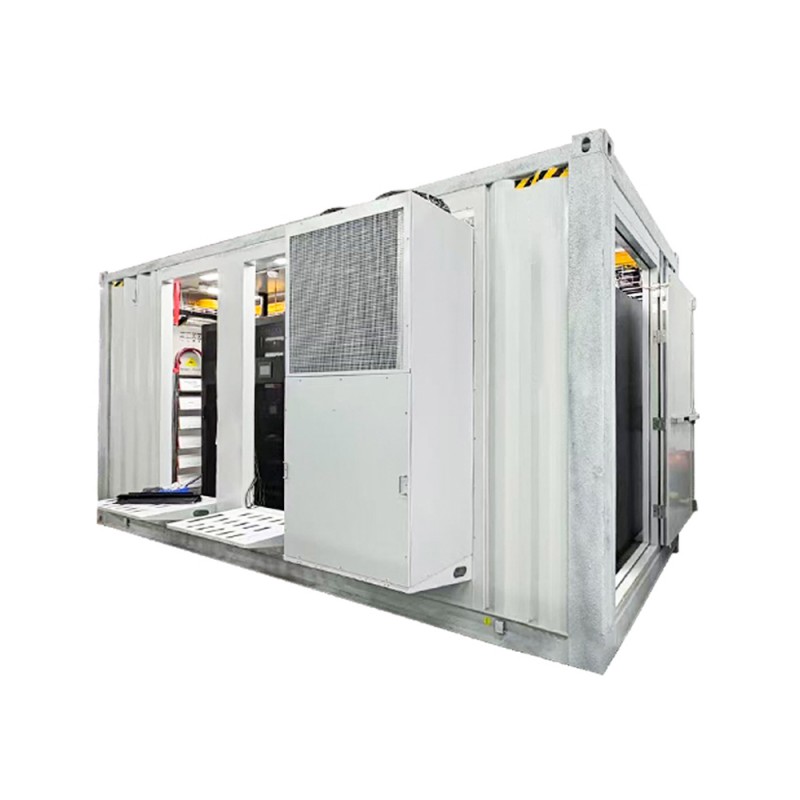
As data demands surge, the concept of the container server room is emerging as a versatile and efficient solution. These mobile data centers, essentially self-contained units, are reshaping how companies approach IT infrastructure. But what are the true benefits and potential pitfalls? This discussion aims to dig into the practical aspects, sharing lessons learned and exploring how the industry, including companies like Shanghai SHENGLIN M&E Technology Co., Ltd offers unique solutions.
Understanding the Basics
The first time I heard about a container server room, my initial thought was simple: portability. The idea of being able to move an entire data center to where it’s needed—without building from scratch—is immensely appealing. But beyond the surface simplicity, what are the real factors at play?
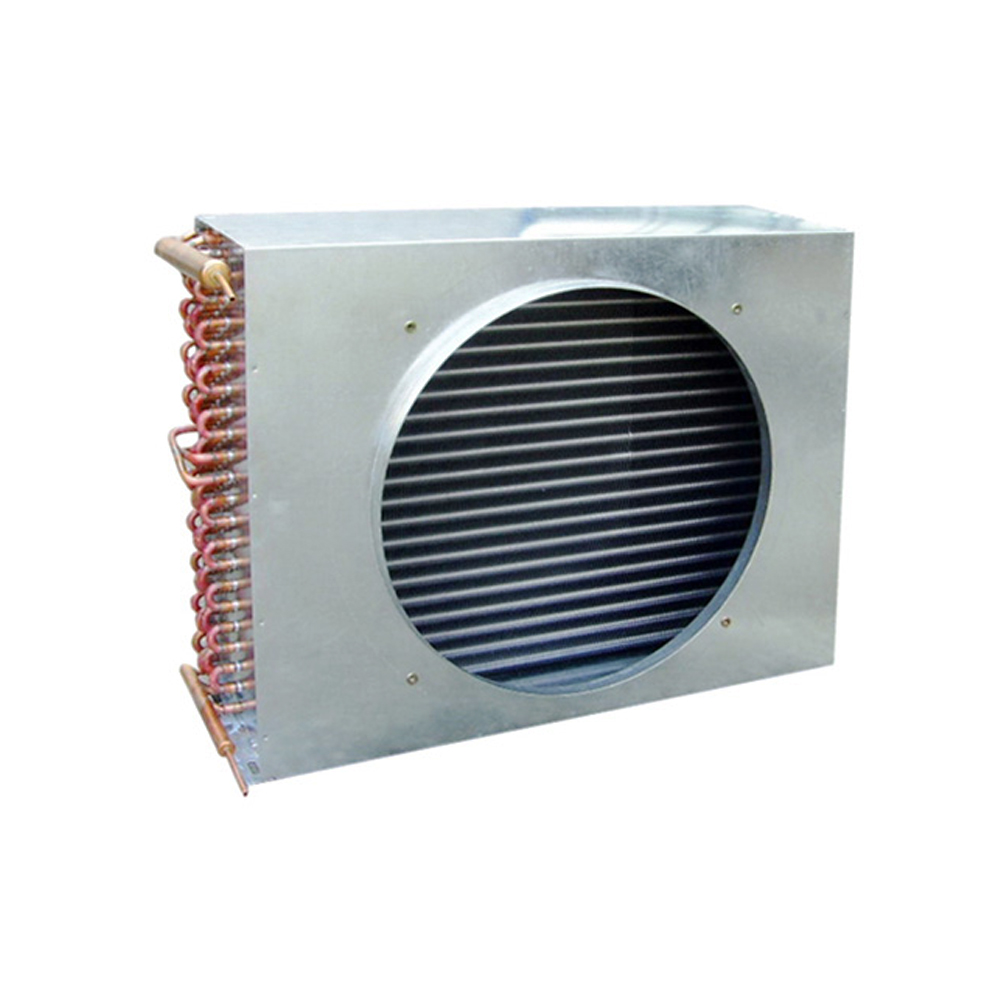
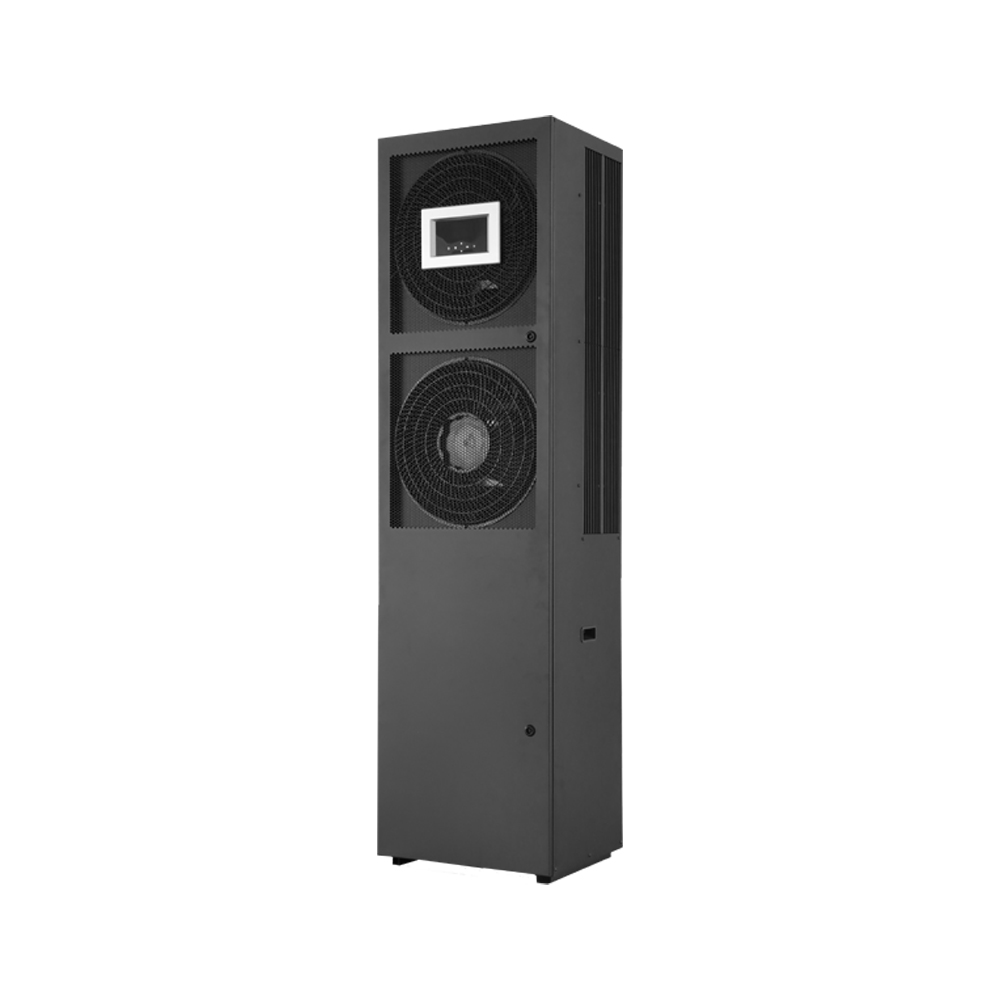
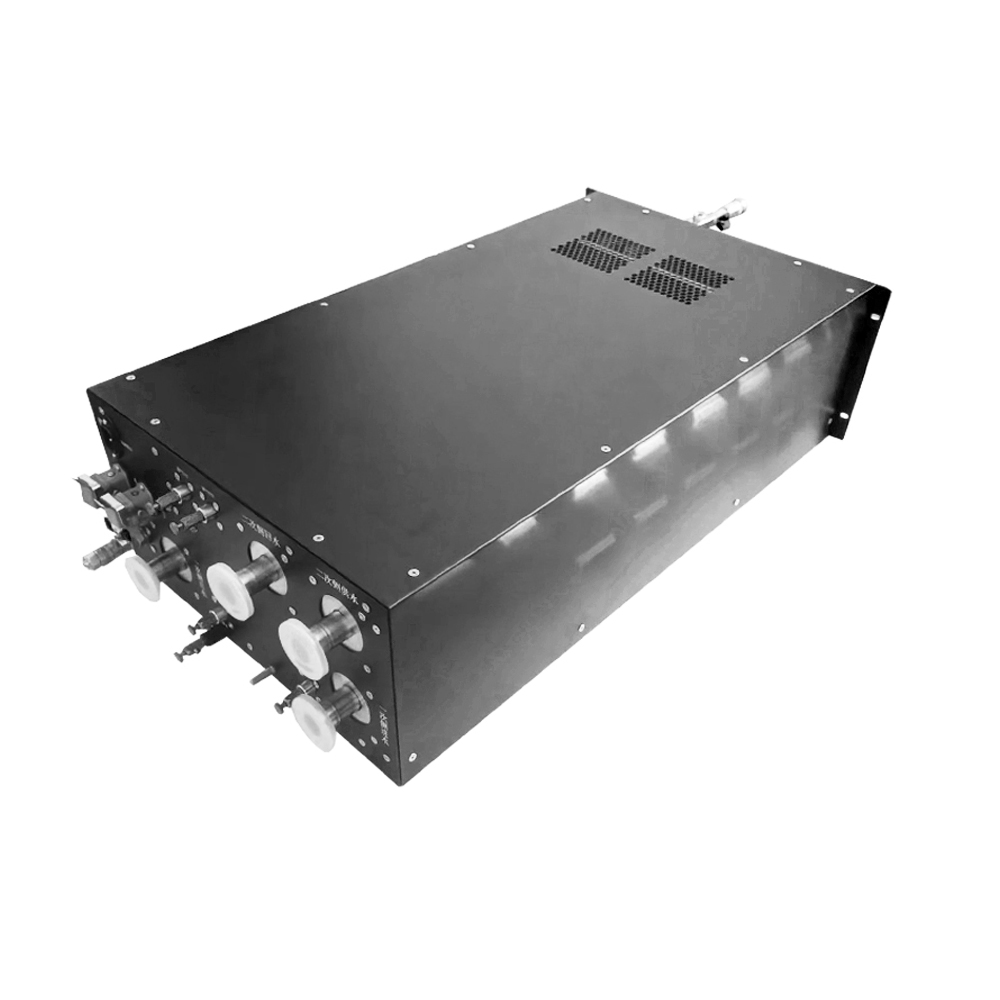
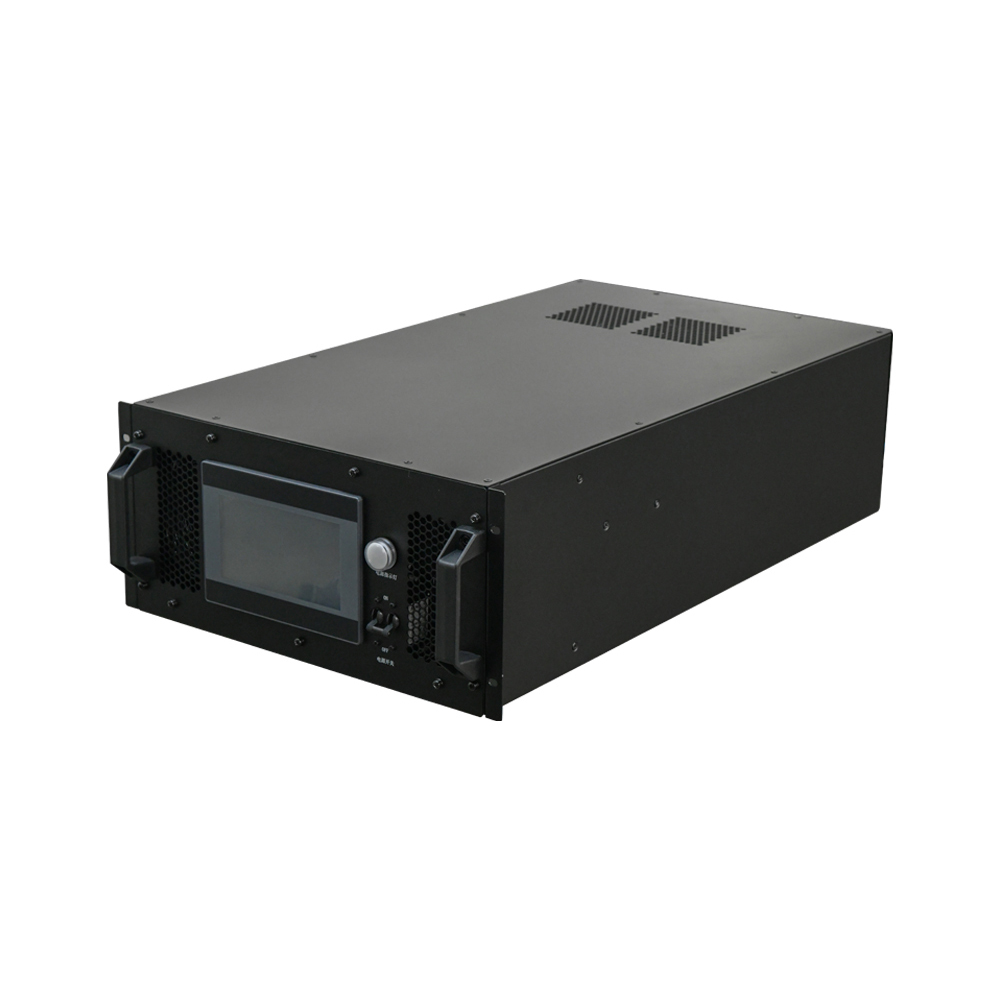
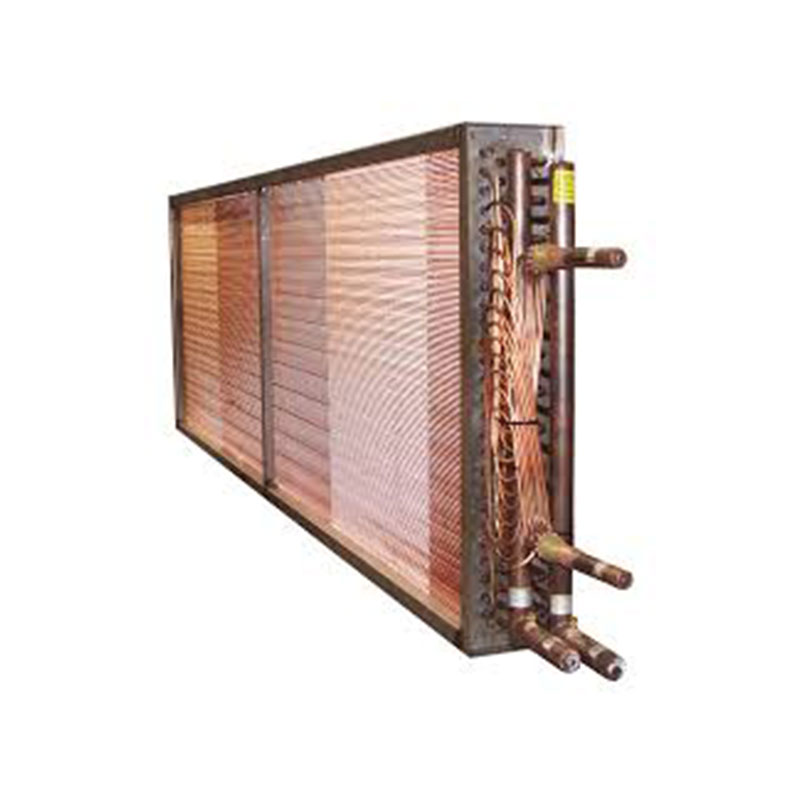
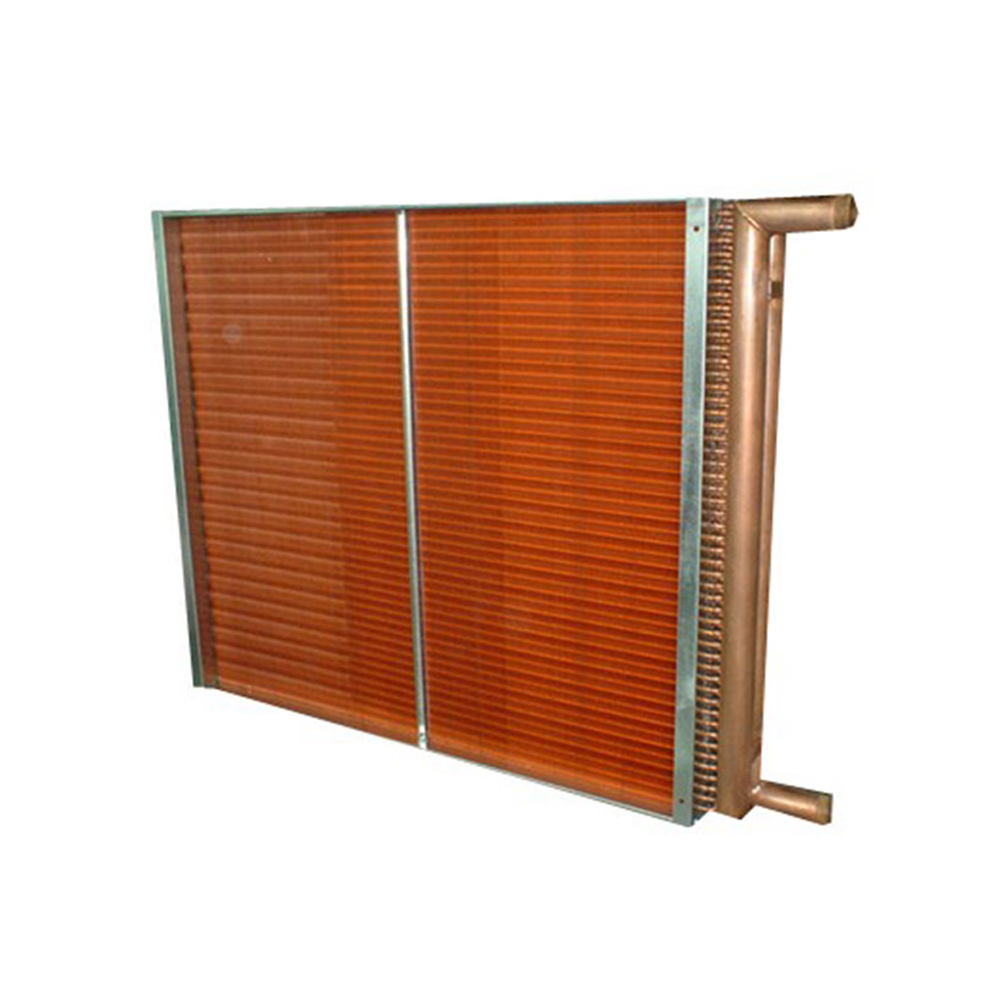
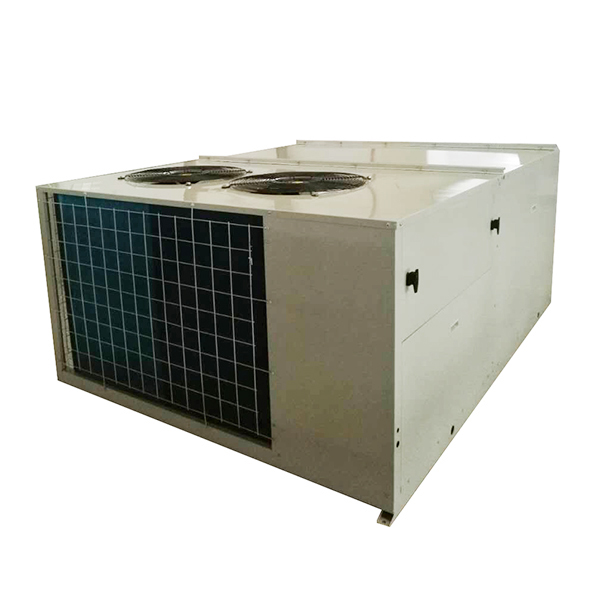
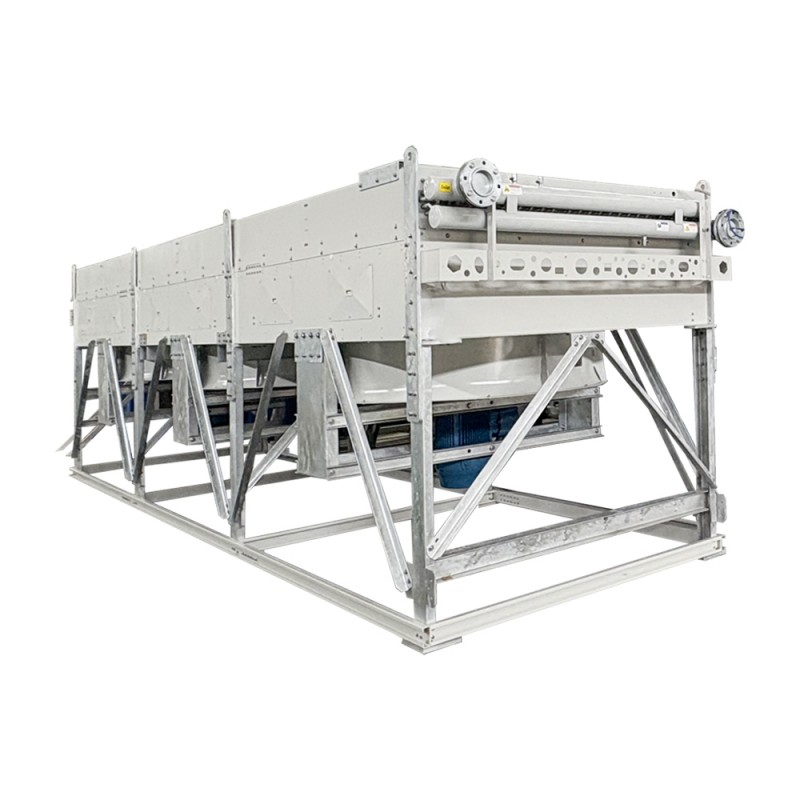
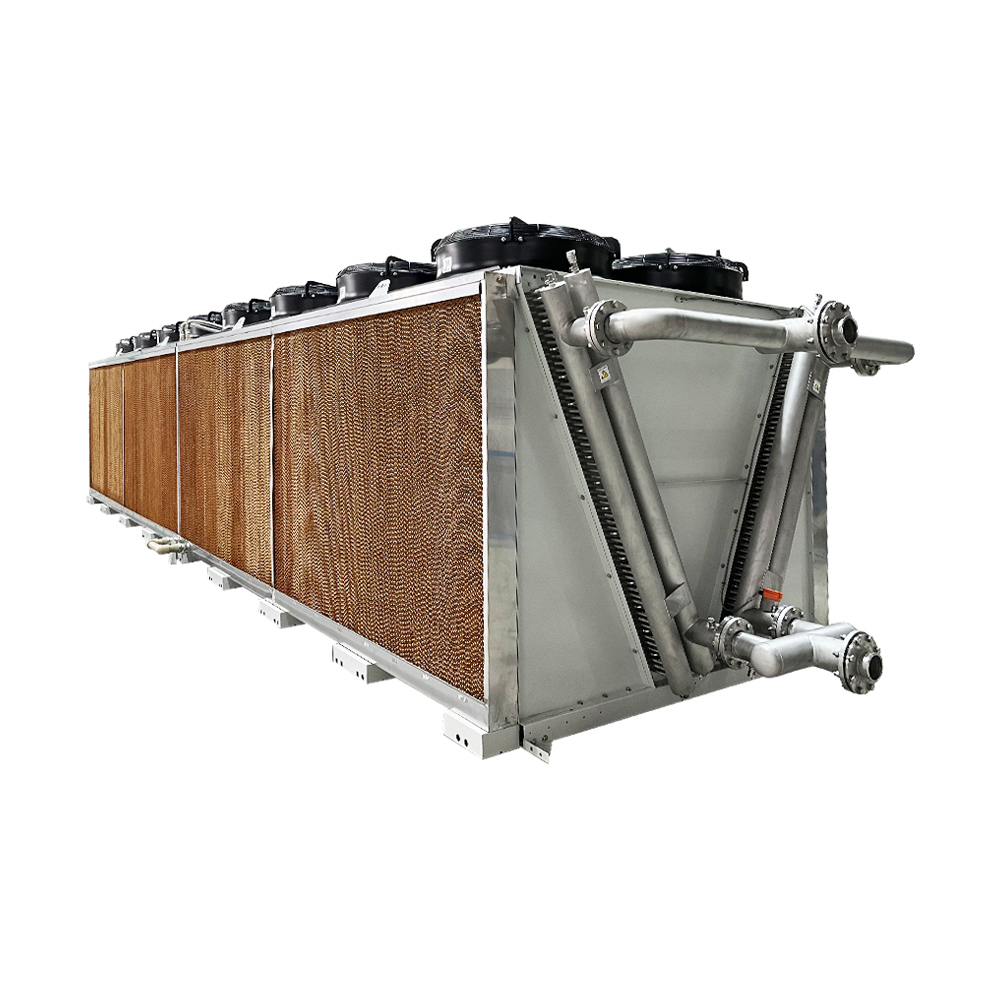
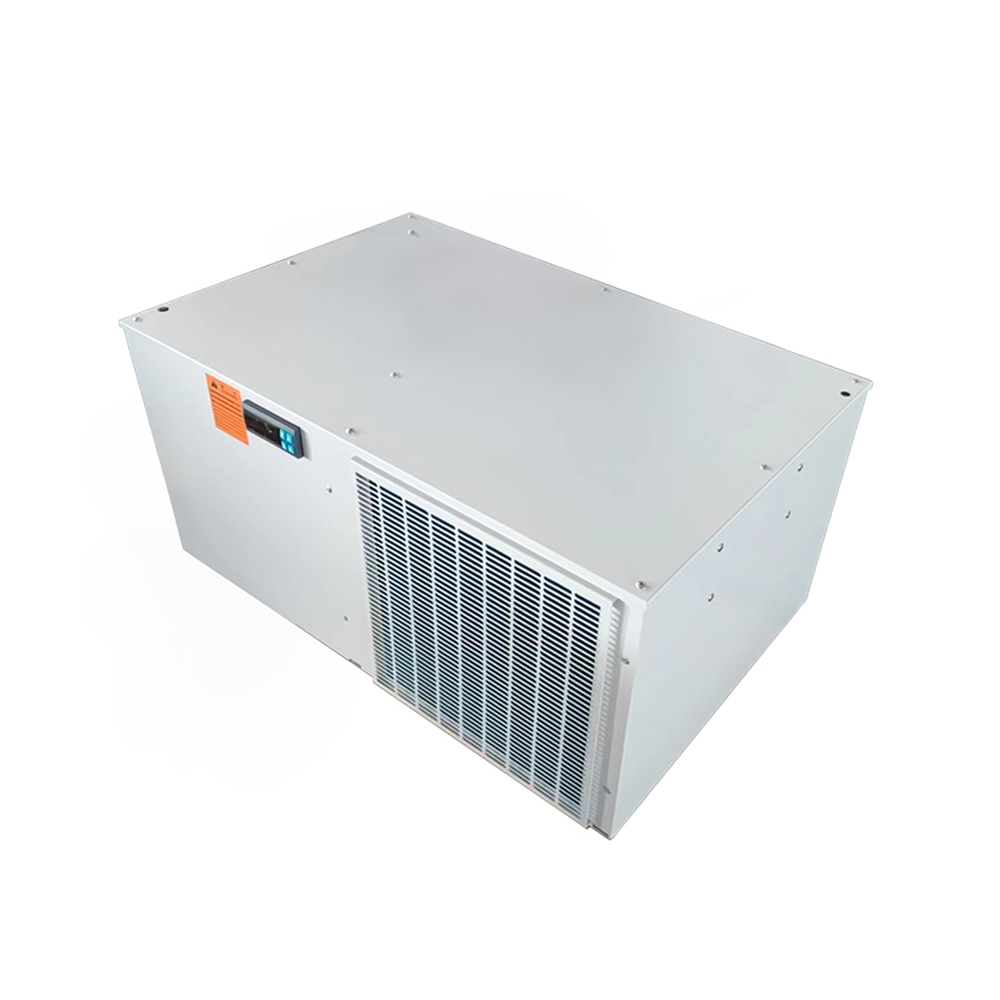
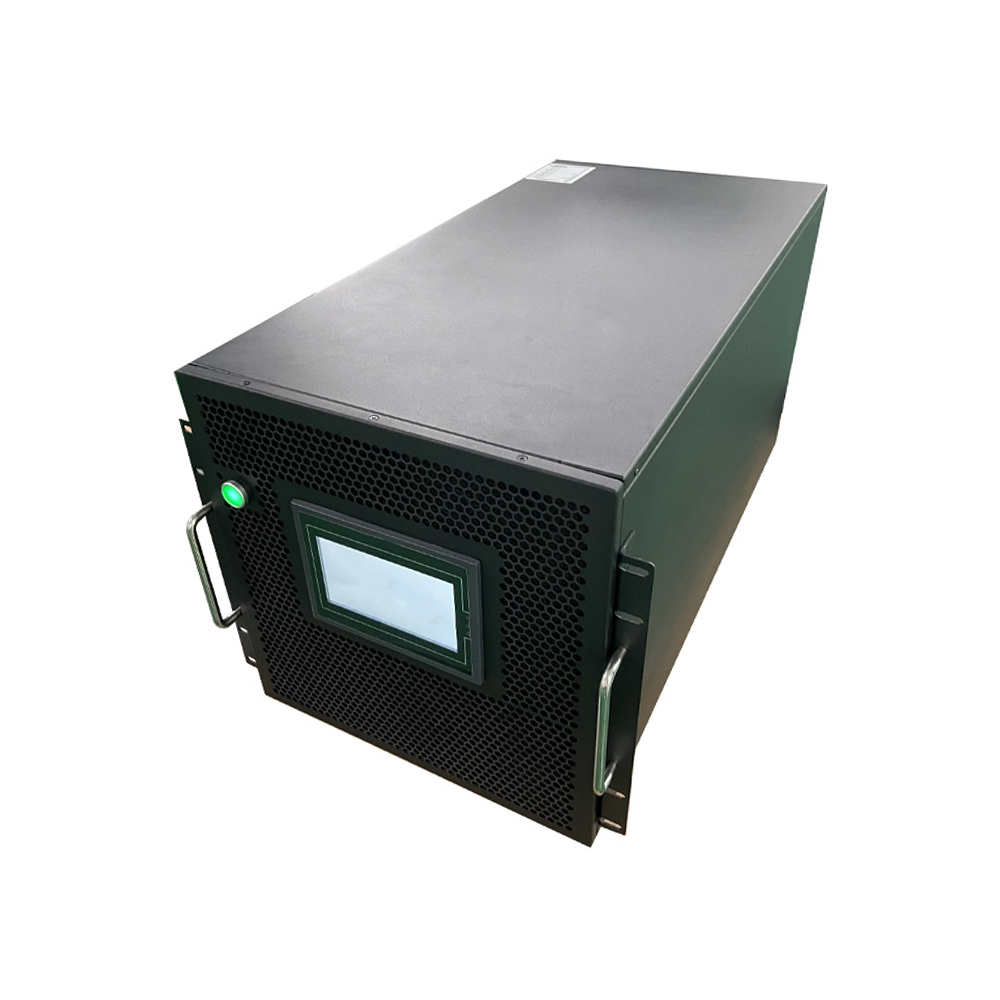
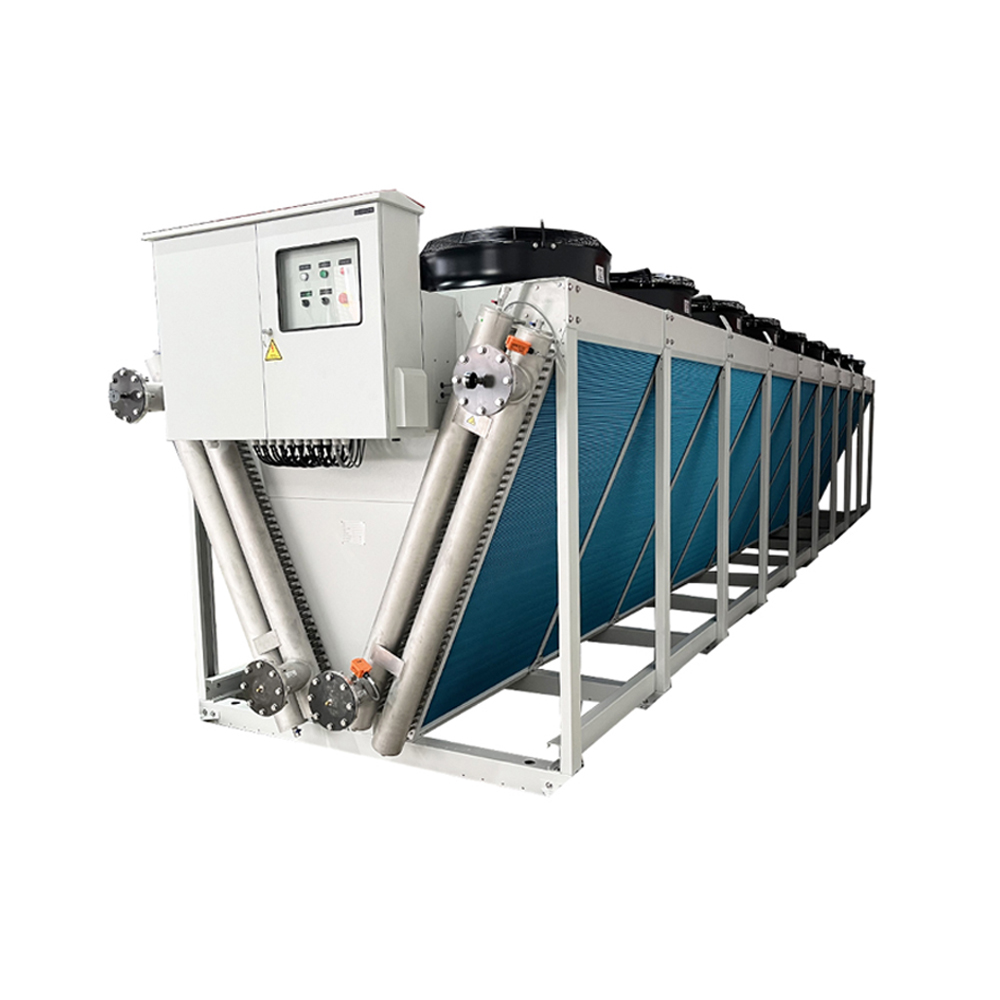
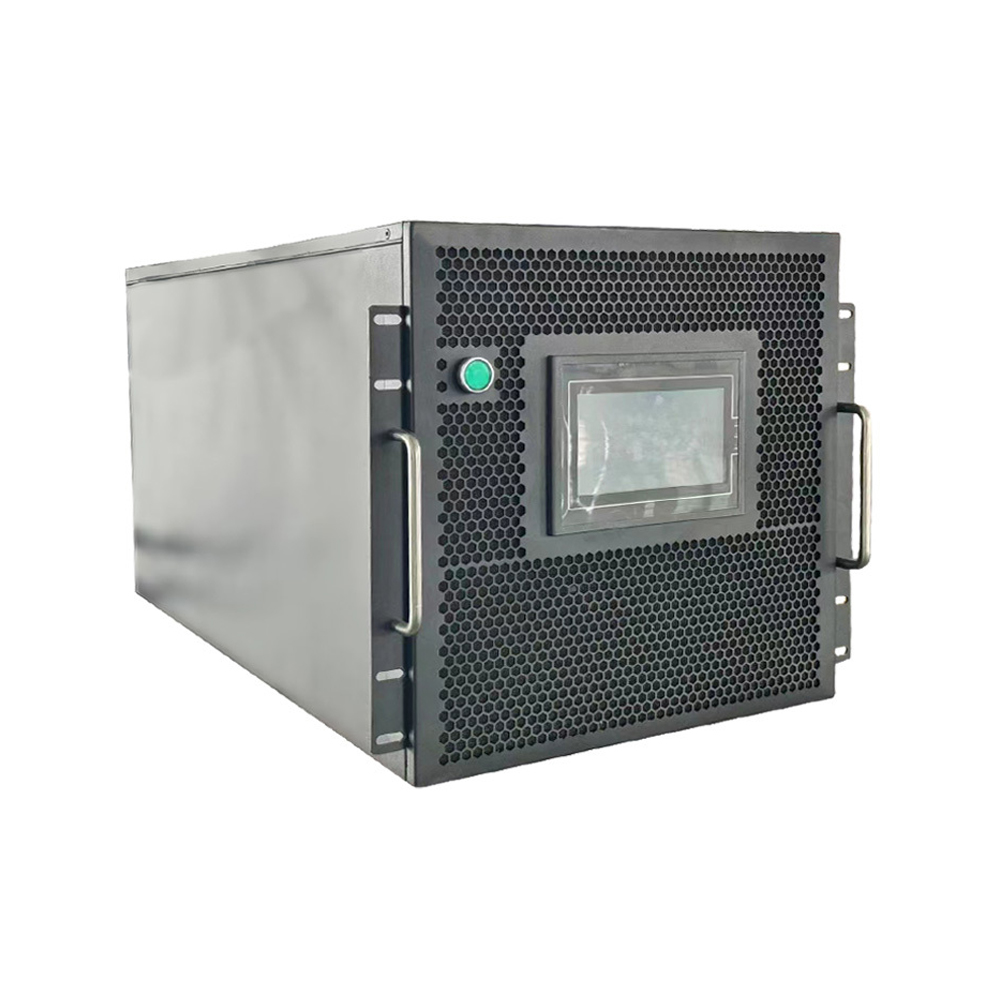
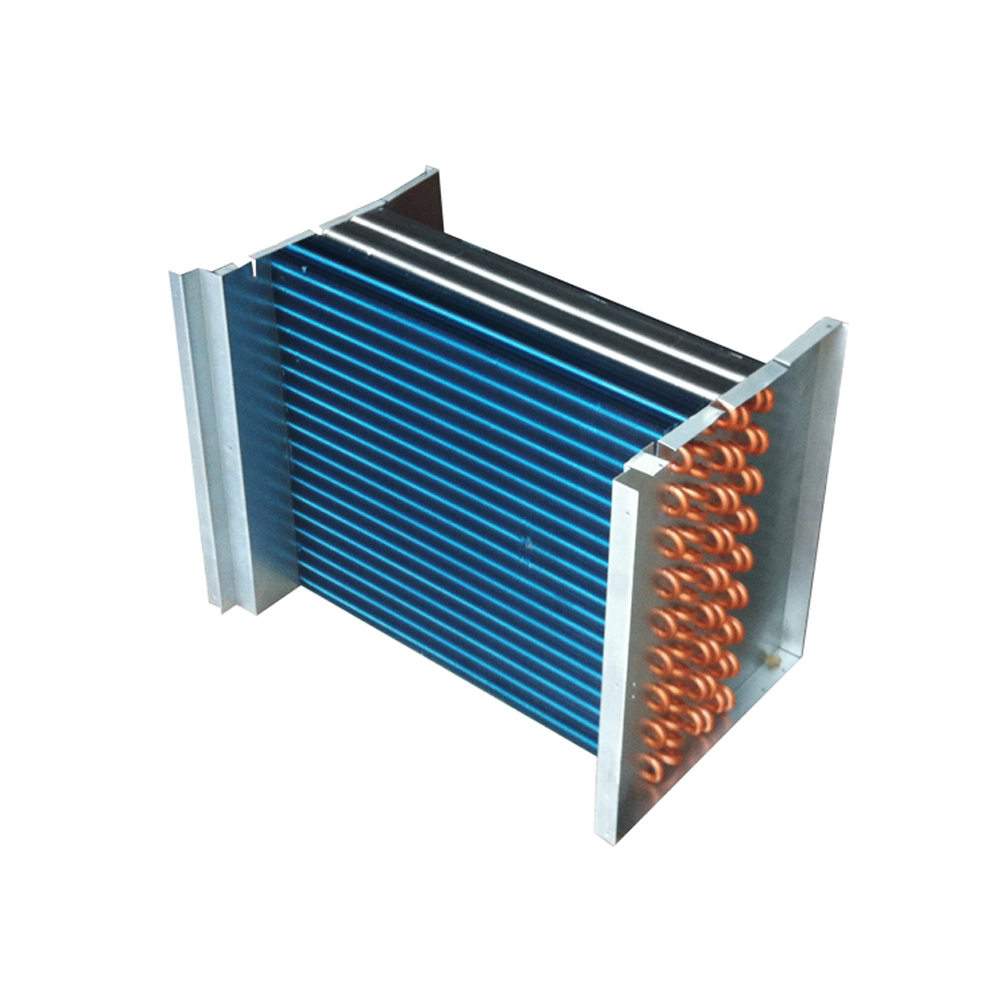
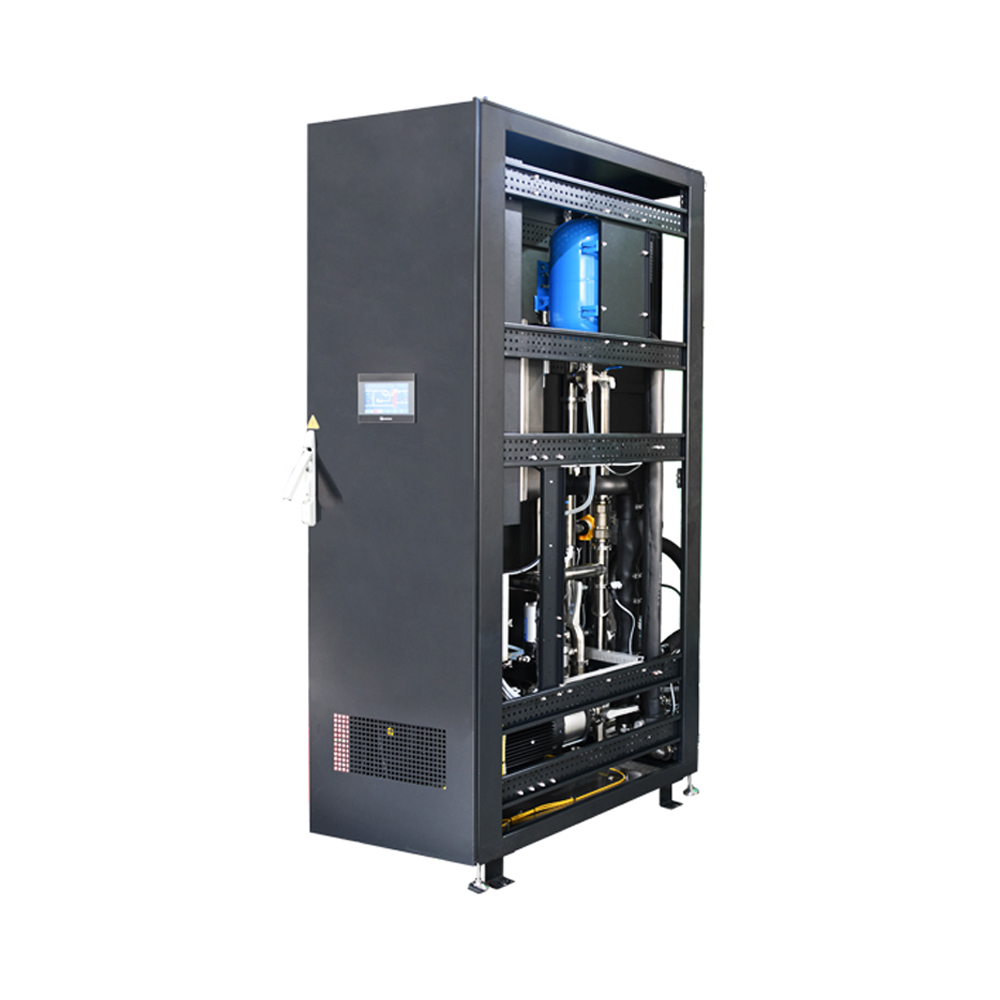
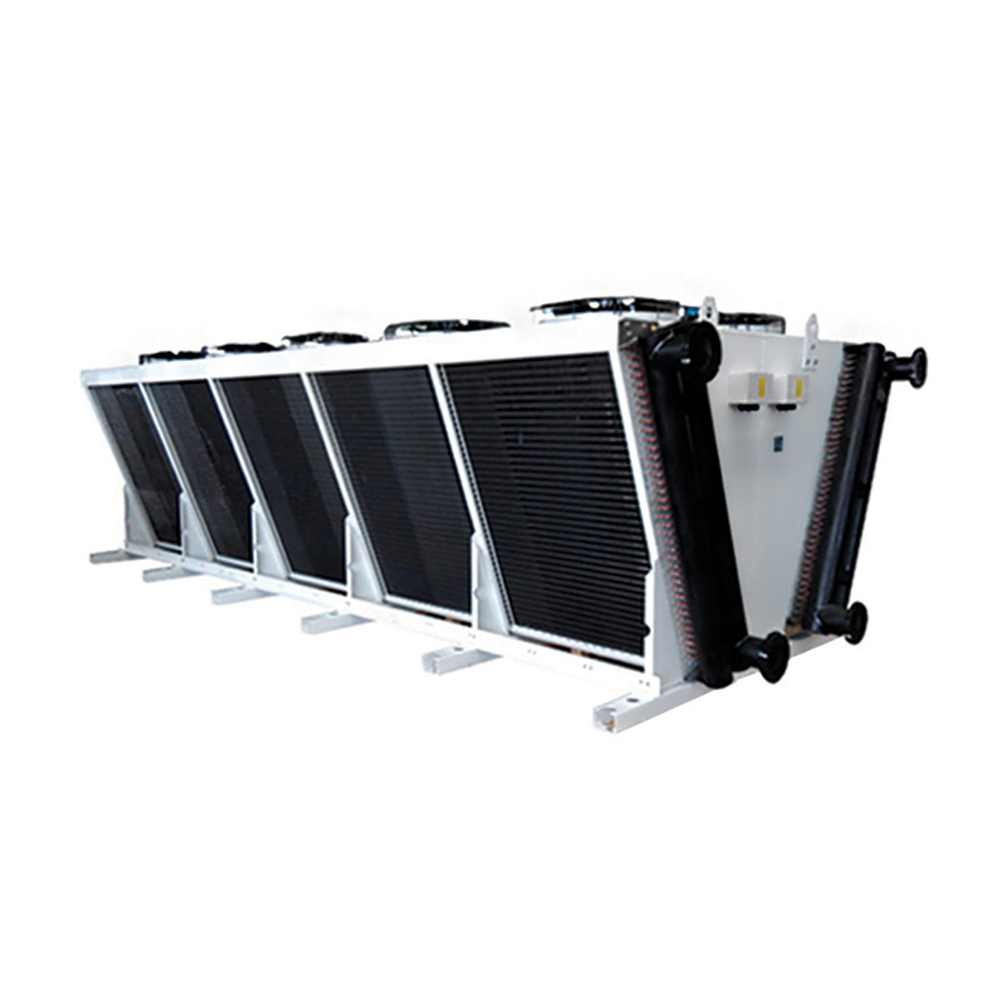
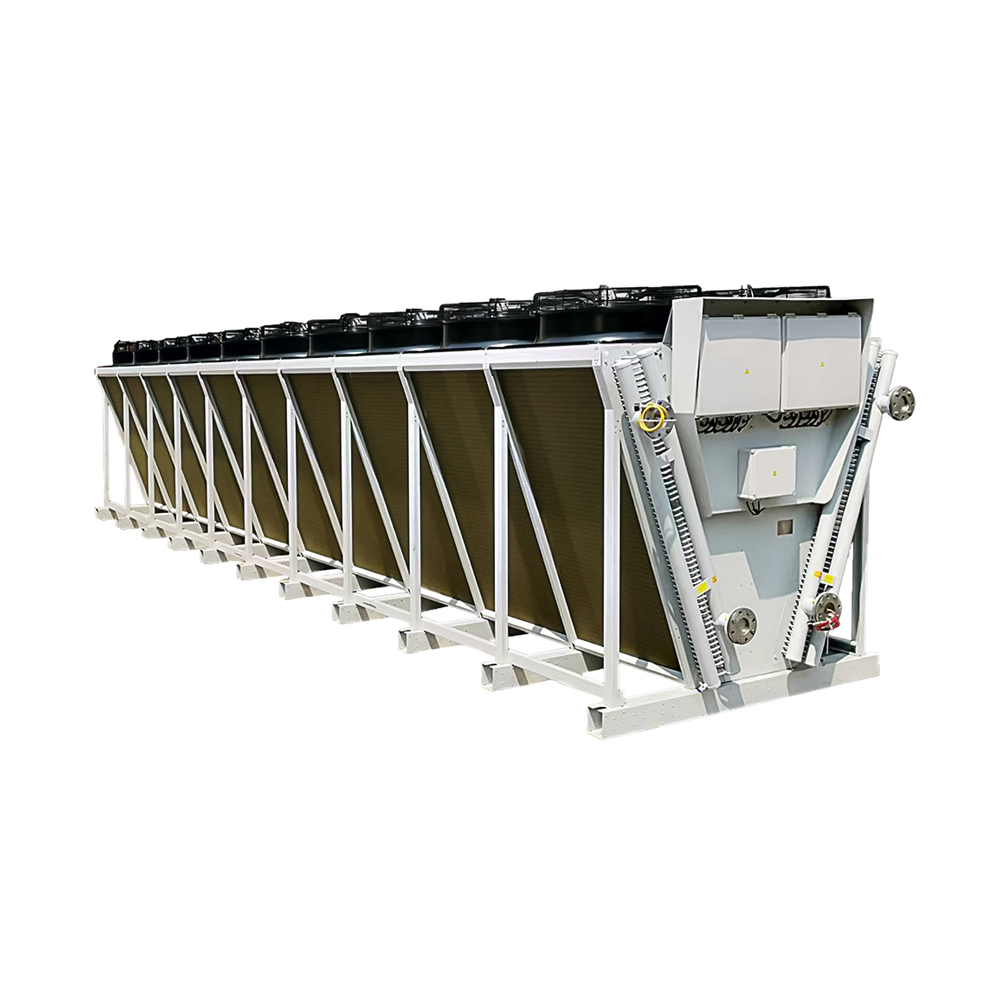
Inside these containers, you have to think about everything from cooling solutions to power delivery. And this is where companies like SHENGLIN come into the picture. Their expertise in industrial cooling technologies ensures that high-density servers are kept at optimal temperatures, even inside compact environments. For more information, you can always visit their website at https://www.ShenglinCoolers.com.
One aspect often overlooked is the logistical considerations. Moving a container might sound straightforward until you account for local regulations and the physical setup. It's here that real-world experience shines through, as every deployment has its unique challenges.
Challenges Faced in Implementation
Deploying a container server room isn't without its headaches. I recall an instance involving a project that seemed simple on paper. The container was ready, all systems checked, and then the unexpected happened: the delivery truck couldn’t access the site due to size restrictions.
That situation taught us to always check site access plans down to every last detail—not just for the container itself but for the vehicles that deliver it. Realistically, this meant getting familiar with municipal code and potential obstacles like overhanging trees or narrow turns.
Then there’s the matter of ensuring onsite infrastructure compatibility. Power supply might be adequate, but what about backup systems? Each time we overlook this, it turns into a scramble to mitigate risks at the last minute. We learned to verify all dependency integrations beforehand.
Cooling Solutions
Cooling remains one of the most critical concerns in maintaining a functional container server room. When I first worked on these projects, heat management was often underestimated, until we faced equipment failures due to inadequate cooling.
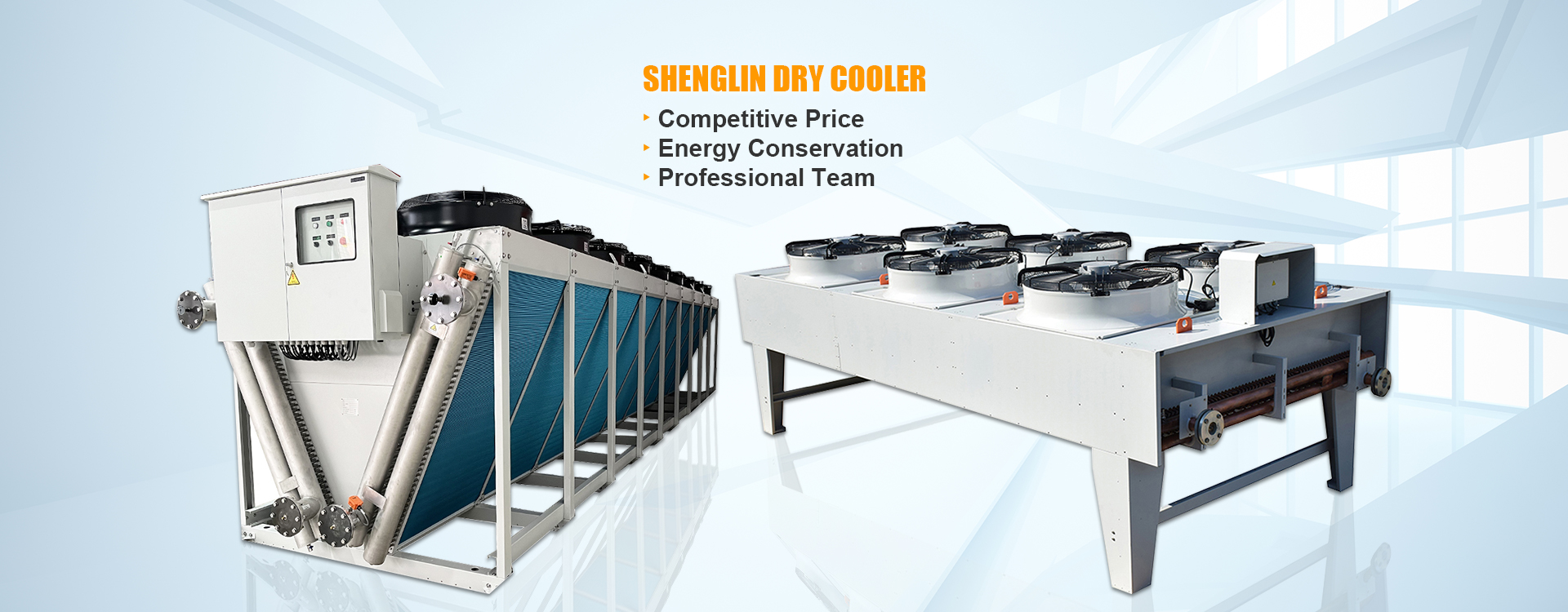
That's where companies like SHENGLIN come into play. Leveraging their expertise, particularly with their advanced cooling systems, offers peace of mind. SHENGLIN collaborates closely with us to design tailored solutions that fit each project's specific needs, keeping servers running smoothly regardless of external temperatures.
Another key lesson is redundancy. Redundant cooling paths are essential, ensuring that even if one system falters, others can seamlessly pick up the slack, preventing costly downtime.
Real-world Benefits
Despite these challenges, the benefits of a well-implemented container server room are undeniable. One of the most impressive real-world cases involved rapidly deploying a data center in a disaster-struck area.
The modular nature of the container allowed us to set up swiftly, providing critical infrastructure support that would have been impossible with traditional methods. It offered elasticity—aligning IT resources with unexpected demand shifts.
Ultimately, the true test is the operational resilience. With preventive maintenance and real-time monitoring technologies, these containers can offer reliable performance, often surpassing traditional data center metrics.
Future Prospects and Innovations
Looking ahead, I believe the field of container server rooms will only grow more critical. As technology advances, these solutions will become even more sophisticated. We’re already observing integration with AI-driven management systems that promise to optimize operations.
There's also an increasing push toward sustainable energy solutions. Companies like SHENGLIN are at the forefront, exploring eco-friendly cooling technologies that provide not only efficiency but also a reduced carbon footprint.
As the data landscape continues to evolve, so will the requirements for agility and scalability. Containerized solutions offer a glimpse into a future where IT infrastructure continually adapts to meet the ever-changing digital demands.




.jpg)