The Essential Role of Air Gas Coolers in Industrial Cooling
Air gas coolers play a pivotal role in industrial cooling. They mitigate overheating in complex systems by efficiently managing heat exchange. Despite their importance, many overlook their nuances, leading to inefficiencies.
Understanding Air Gas Coolers
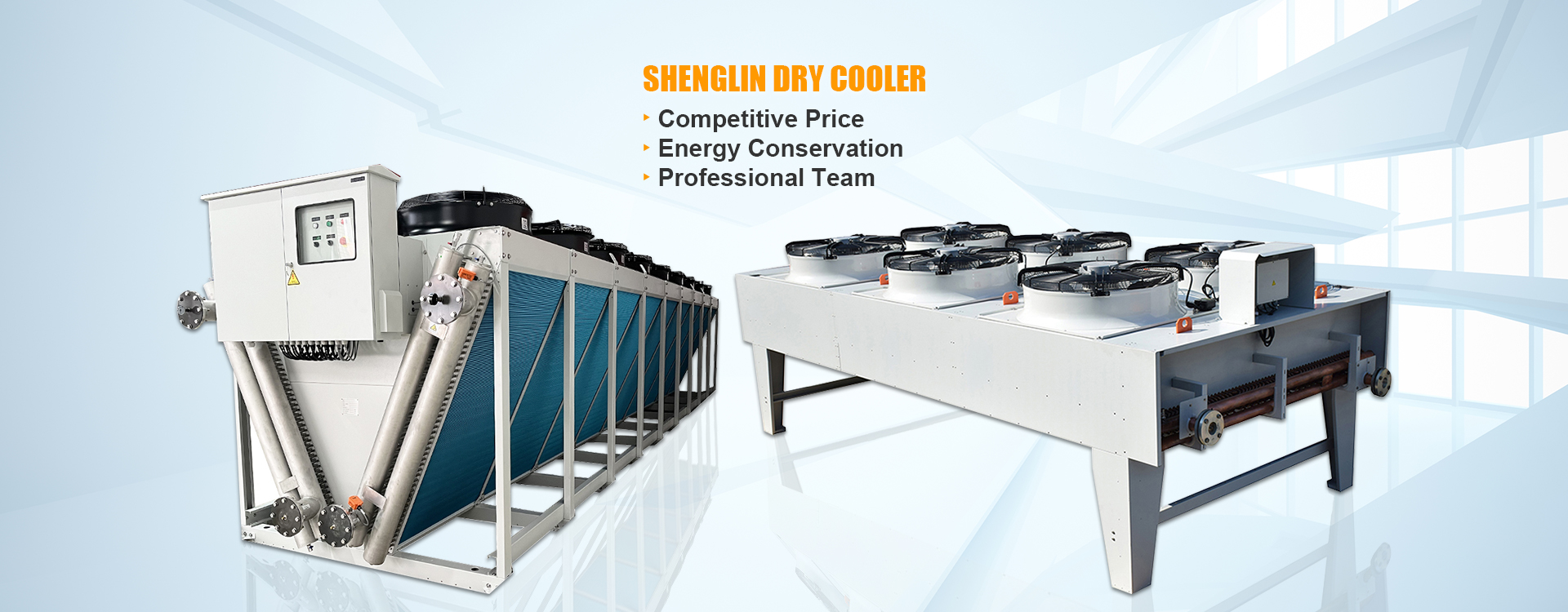
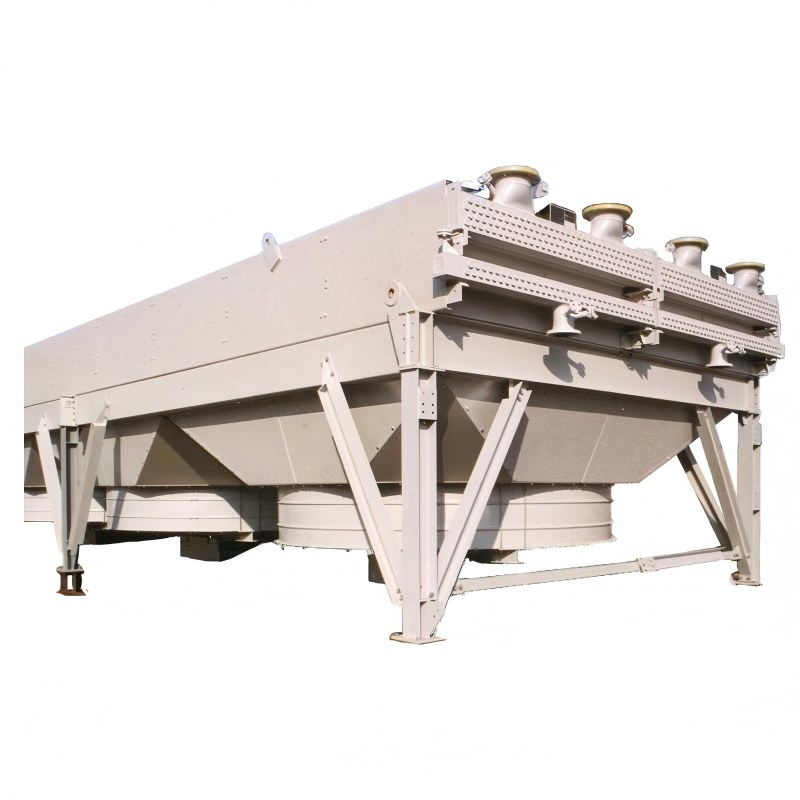
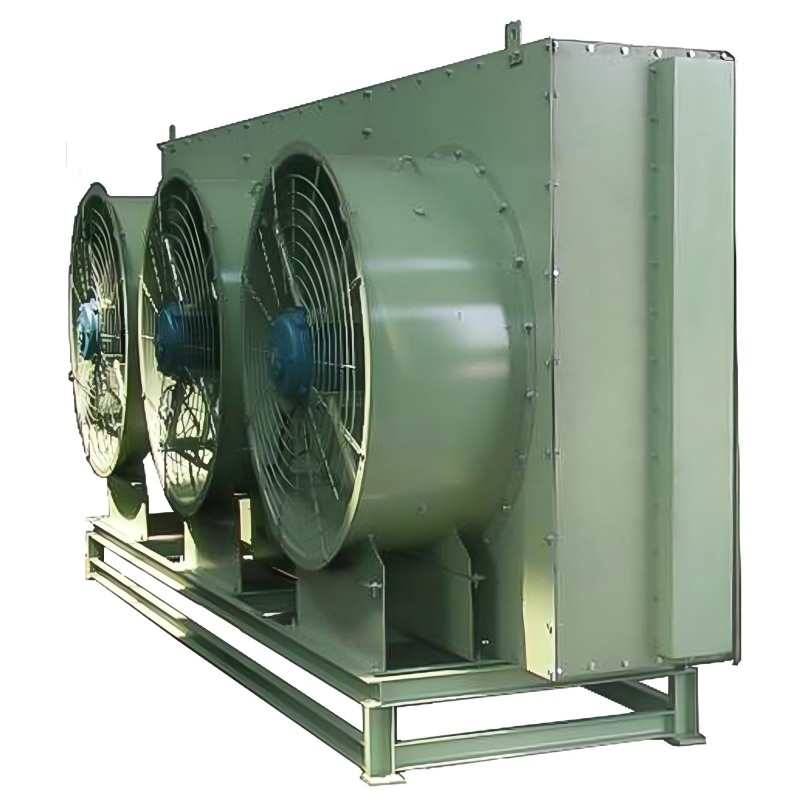
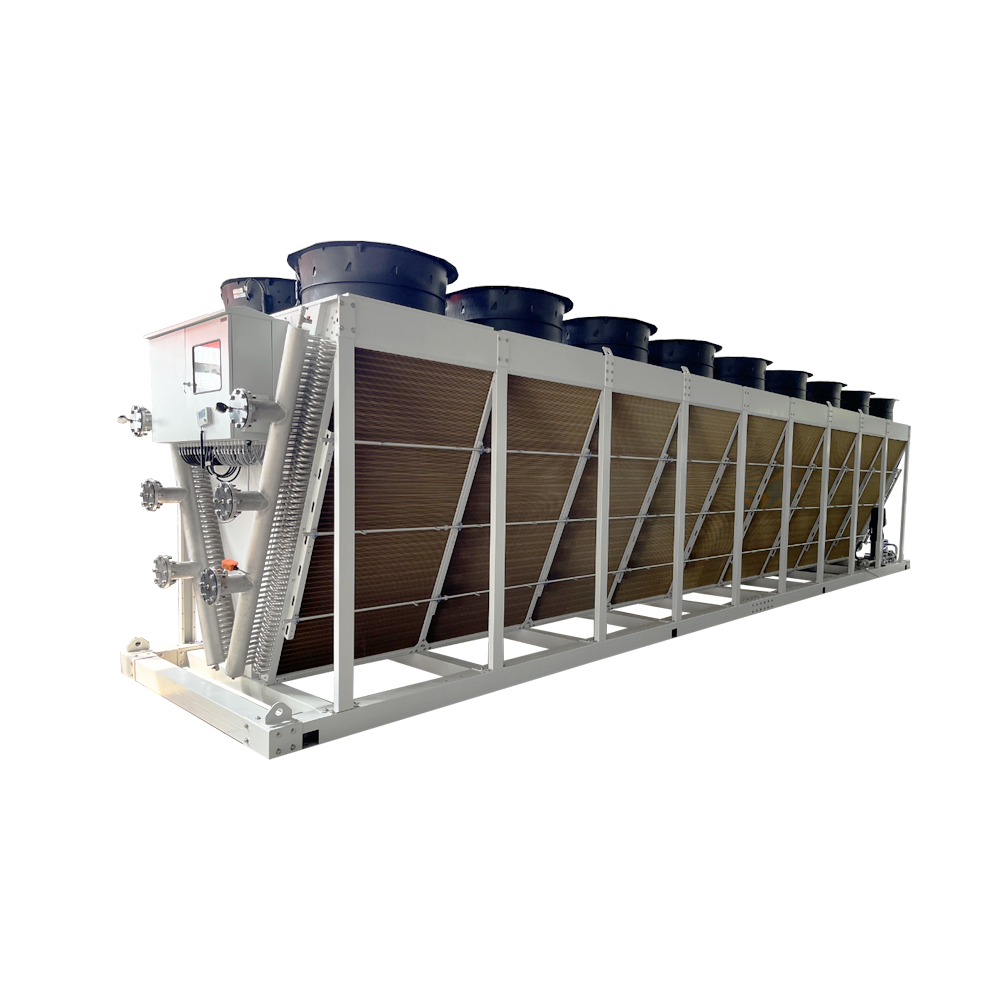
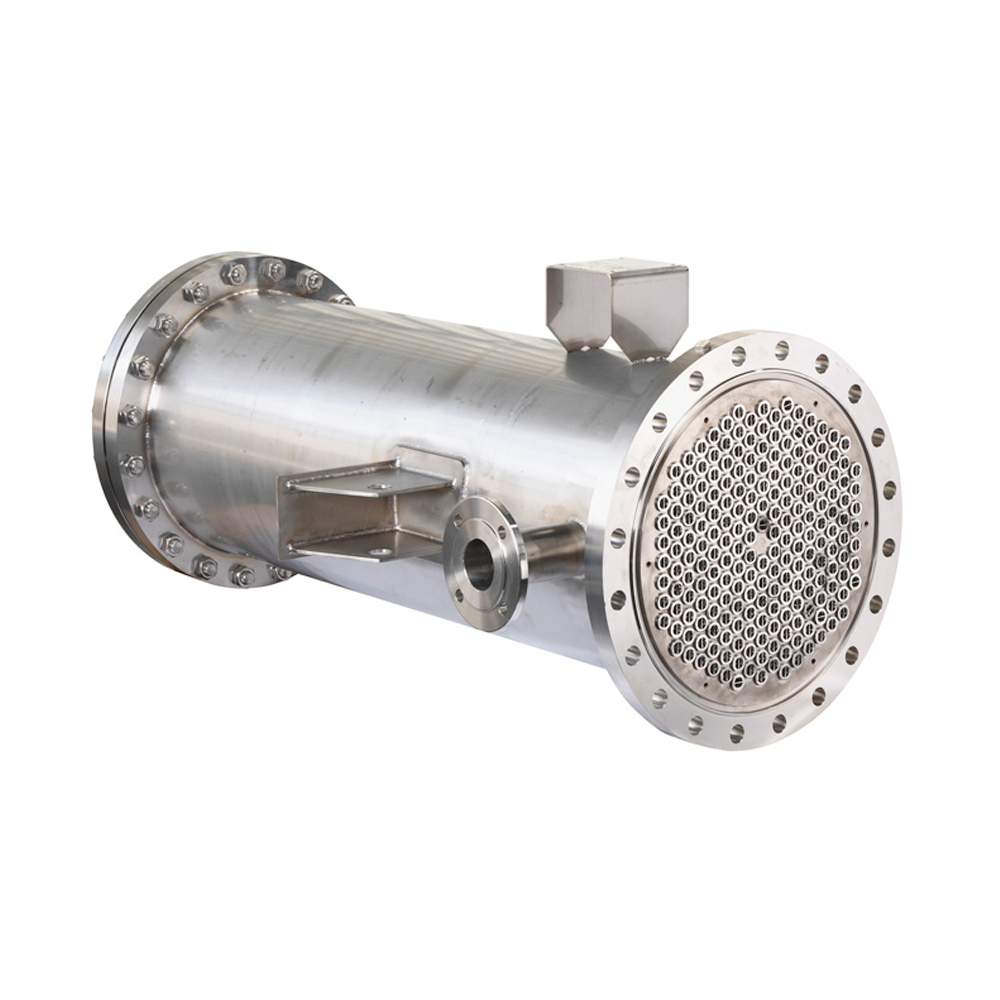
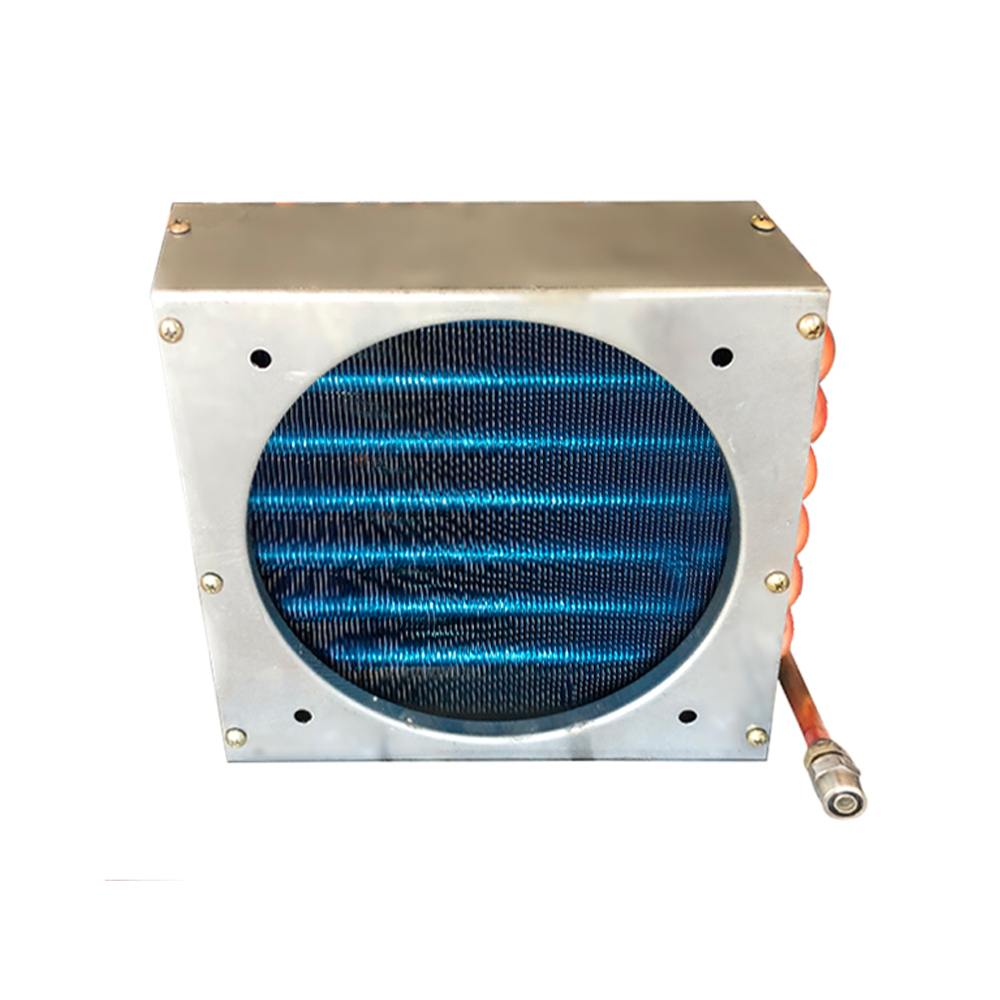
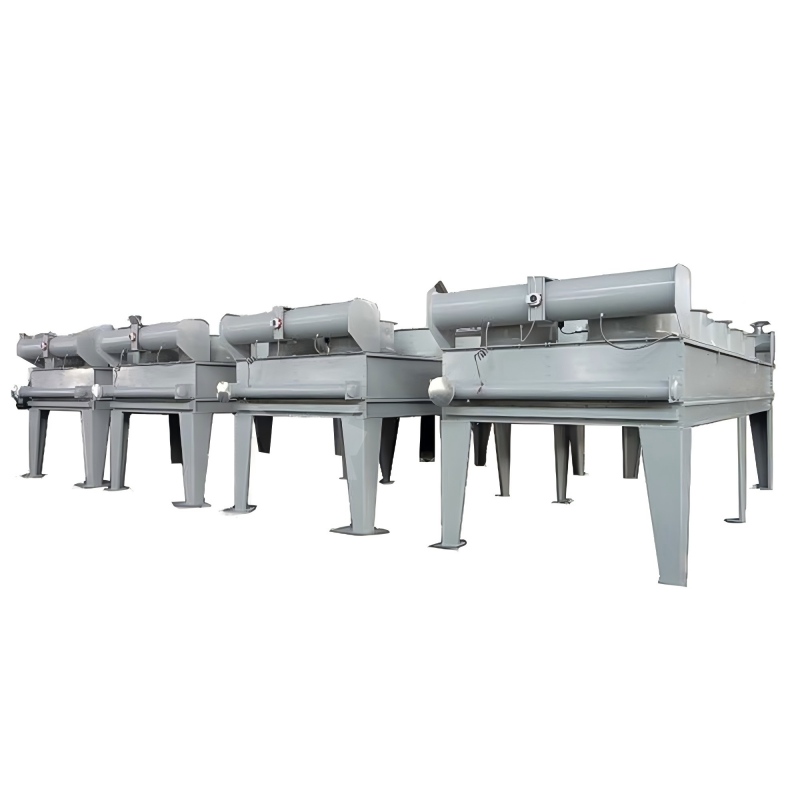
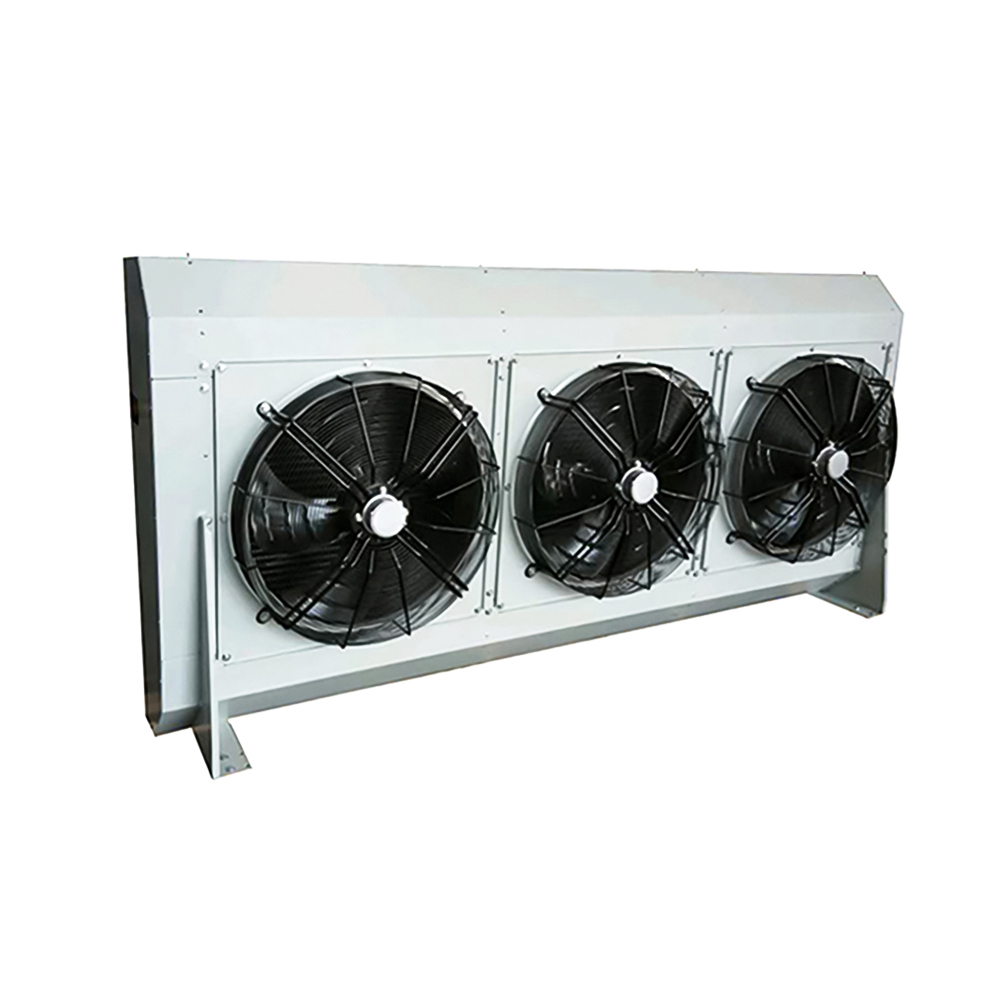
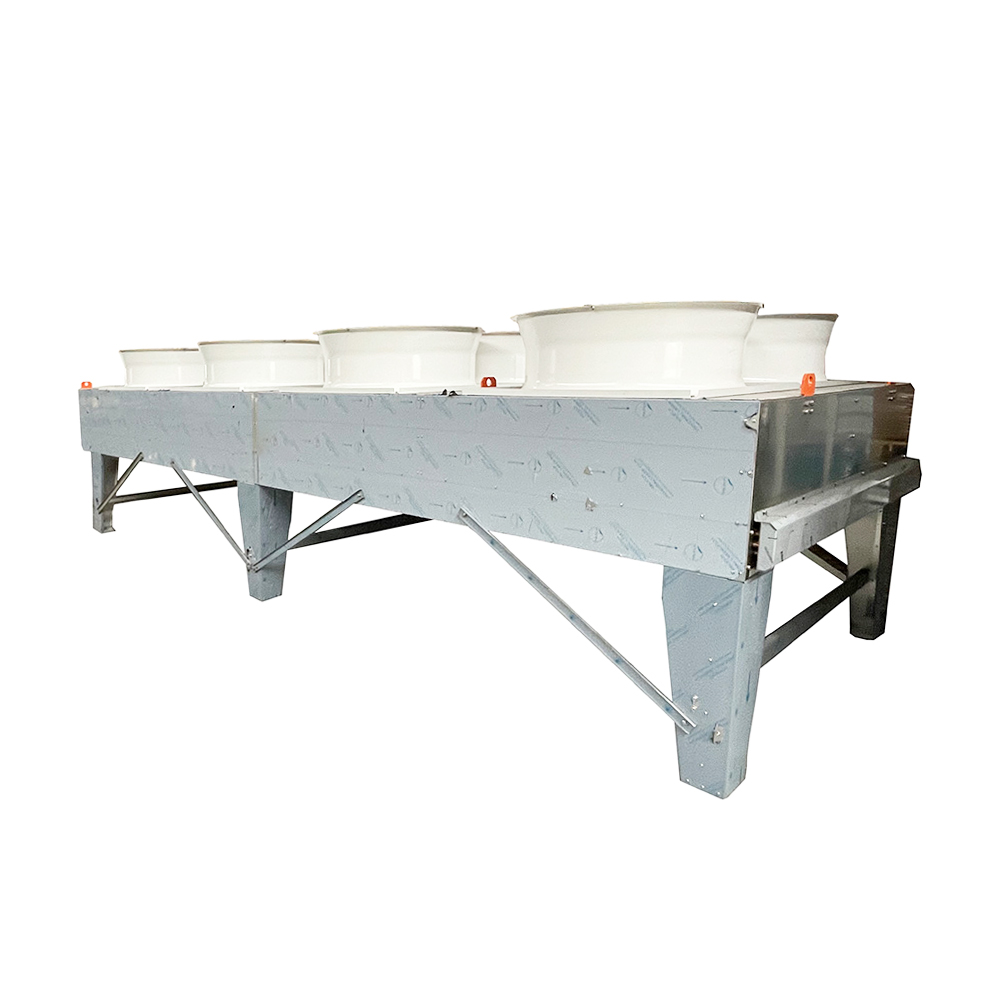
When we talk about an air gas cooler, we're referring to a device that has become almost indispensable in sectors like manufacturing and energy. These coolers take heated gas, often leaving compressors or turbines, and remove the excess heat by using ambient air. It's simple yet intricate.
Now, what some might miss is how crucial the environmental conditions are. Ambient air can significantly affect performance. I remember a case where a site disregarded local humidity levels, which led to frequent system failures until adjustments were made.
Another common hiccup involves material selection. Corrosion is a silent destroyer. If you're working with aggressive gases, you'll want to delve deeper into material specifications. I cannot stress how often I've seen facilities skimp on this, only to face costly overhauls.
Operational Challenges and Solutions
Installing an air gas cooler isn't just about location. Acoustic and vibration considerations can’t be ignored. Once, we had a setup near a residential area, and the noise complaints were relentless until we addressed it with a robust enclosure.
Maintenance often gets kicked down the road. But periodic checks are not just beneficial—they're necessary. A colleague once shared how their filters clogged due to lax oversight, leading to significant downtime. Lesson learned: preventive maintenance saves more than it costs.
Then, there's the issue of fouling, especially in dusty environments. The first instinct is to jump on high-tech solutions, but sometimes a simple redesign—like better air intake positioning—can be surprisingly effective.
Case Study: Lessons from the Field
Working on a project with Shanghai SHENGLIN M&E Technology Co.,Ltd, we delved into a gas processing facility setup. SHENGLIN, with its expertise, suggested several customizations, particularly focusing on the heat transfer surfaces. It was a game-changer for efficiency.
Despite having state-of-the-art designs, the team quickly found that real-world variables could not be underestimated. We tweaked the air circulation based on initial trial runs, tweaking setup without major overhauls. SHENGLIN’s proactive approach made a significant difference.
Adaptability was key. Even with the right setup, onsite conditions demanded iterative adjustments. This flexibility is where SHENGLIN shines, fostering collaboration between engineers and field operators, which truly optimized the system.
Custom Solutions in Industrial Settings
Bespoke solutions have become critical. While off-the-shelf products serve the general needs, specific scenarios often require customization. At https://www.ShenglinCoolers.com, one can find tailored systems that address unique industry challenges—something many oversee.
For instance, in petrochemical plants, handling gases at varied pressures demands custom fin-tube configurations. Neglecting this can lead to inefficiencies and operational headaches. It’s not about one-size-fits-all; it’s about fitting the right size at the right spot.
Besides, energy consumption is another vital aspect. High energy use doesn’t always equate to better results. Targeted designs that optimize flow and heat exchange can lead to significant reductions in costs. Real-time monitoring can provide feedback loops that refine these systems further.
The Future of Air Gas Coolers
Looking ahead, the integration of smart technology with air gas coolers could redefine the landscape. Imagine systems that self-adjust based on ambient conditions or predict maintenance needs before failures occur.
Renewable energy push is another driver for evolution. As industries go green, coolers must adapt, becoming more efficient while supporting new, sustainable energy systems.
In this dynamic environment, companies like SHENGLIN will likely lead the charge. With a deep understanding of both traditional engineering principles and forward-thinking innovations, they are set to sculpt the future of cooling technology in the industry.




.jpg)