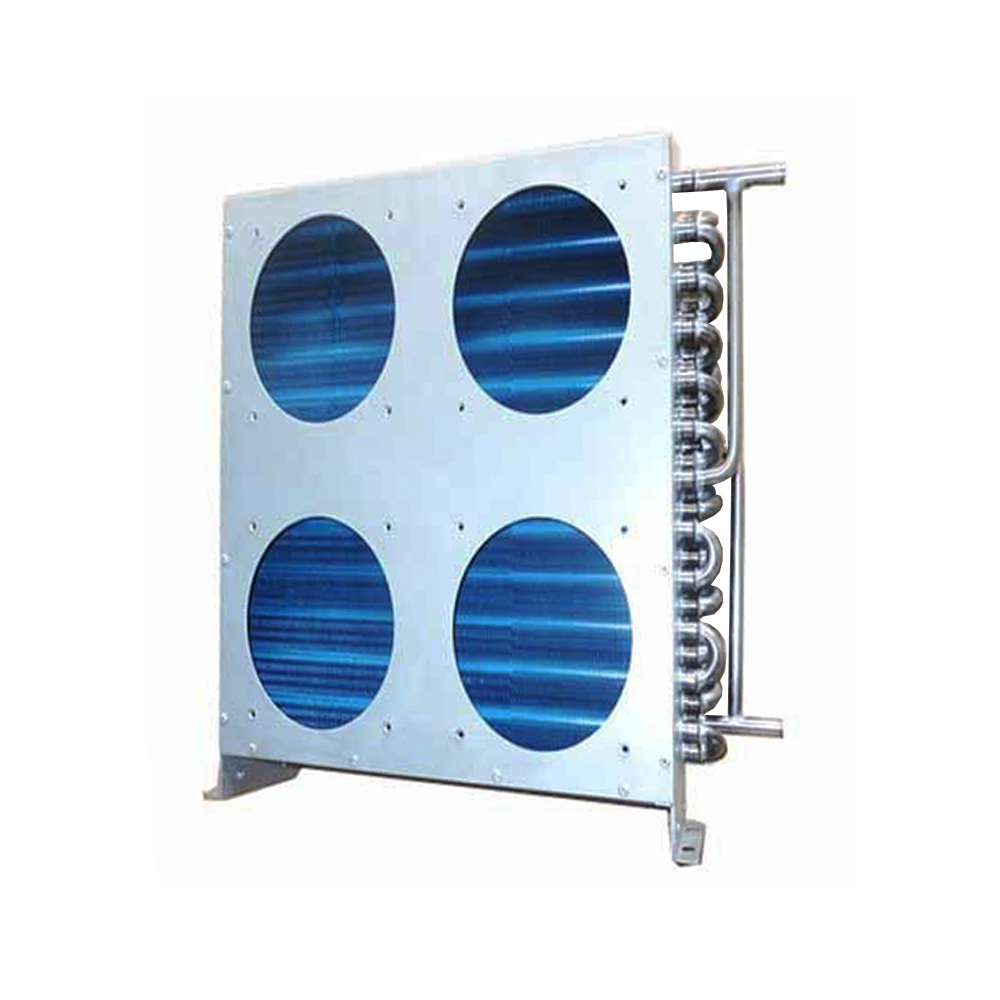
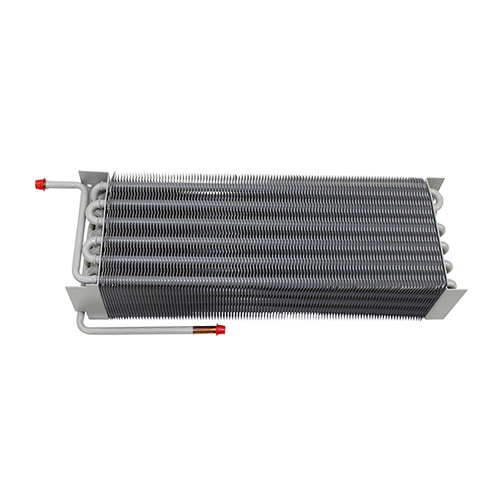
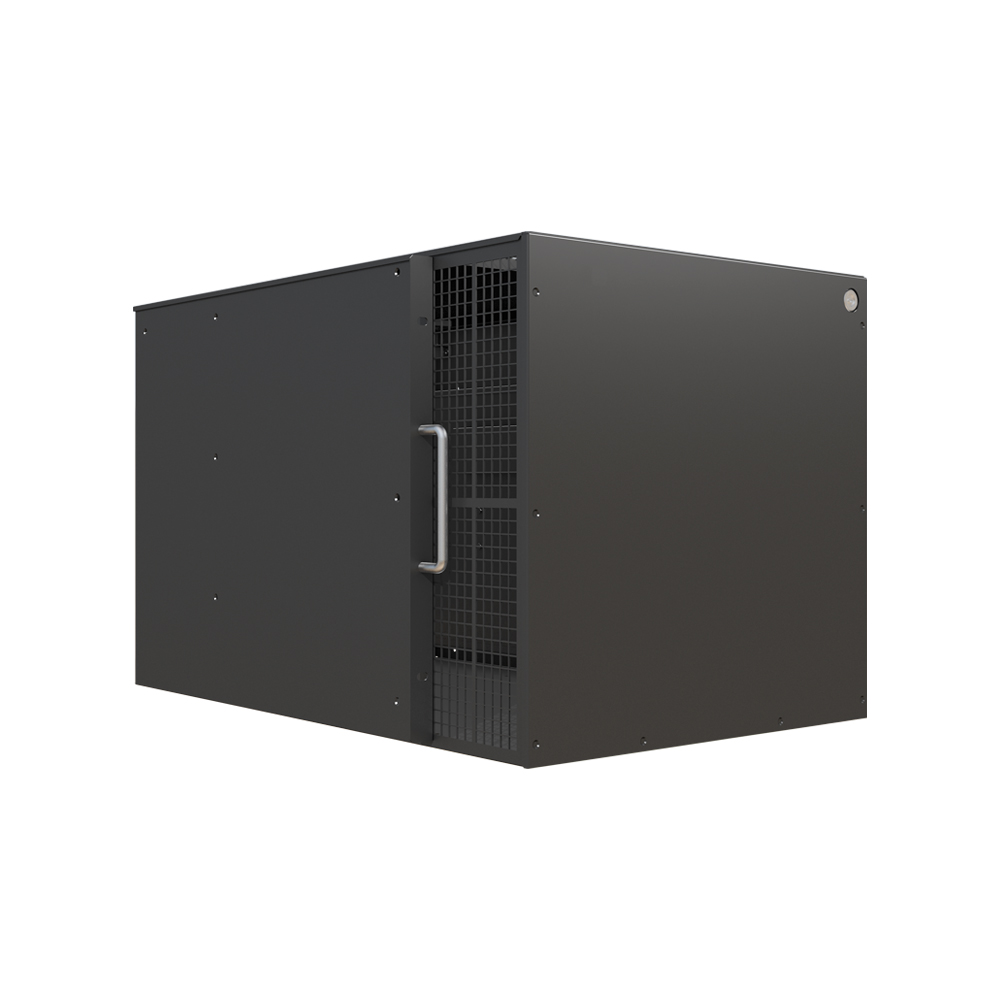
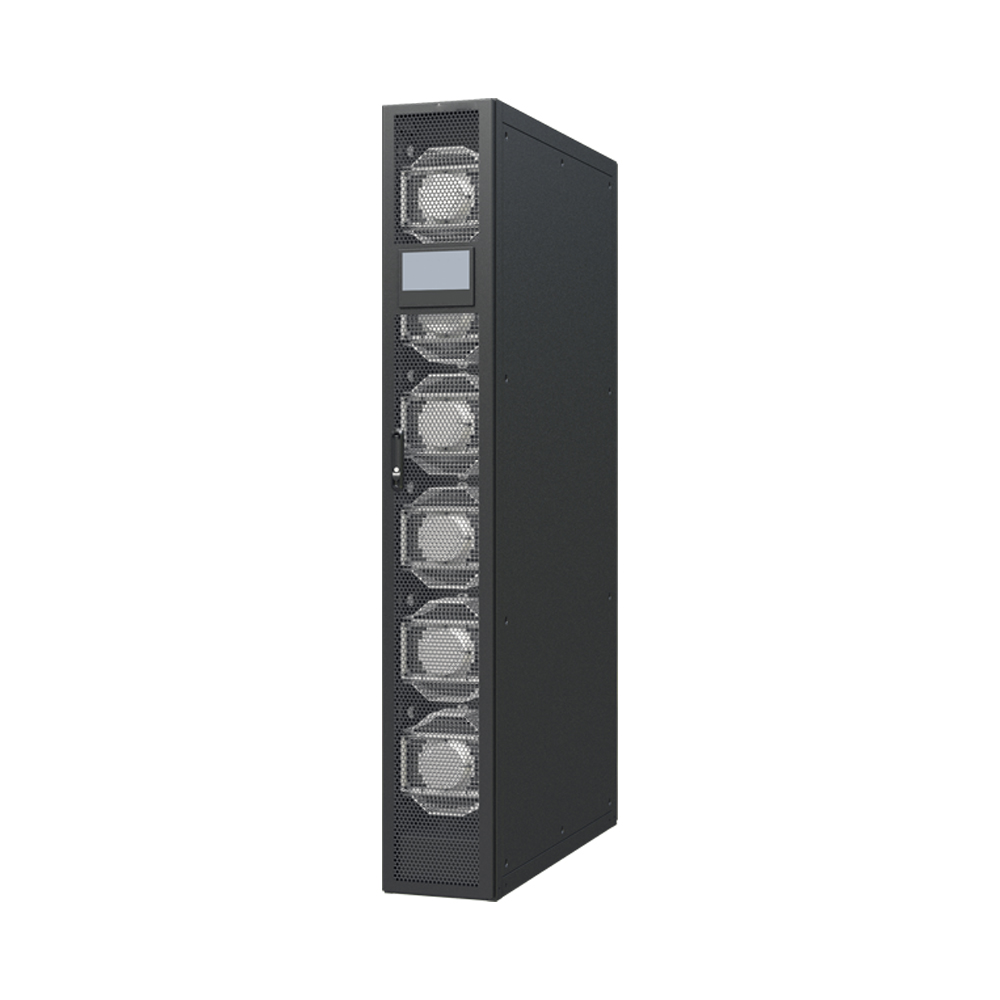
Understanding Air Cooler Exchangers: A Practical Perspective
When dealing with heat, it's crucial to choose the right air cooler exchanger for your industrial needs. Underestimating this step can lead to inefficiencies and unnecessary costs. Let's dig into the crux of why this technology makes a difference.
Why Air Cooler Exchangers Matter
Industrial setups often require meticulous heat management. An air cooler exchanger isn't just a piece of hardware. It's the backbone of temperature regulation. Earlier in my career, I underestimated the impact of choosing the right one. Those discrepancies taught me that efficiency isn't just about numbers but matching the device to the precise requirements of the system.
One of the critical missteps I observed in the industry is the tendency to over-spec hardware, thinking more power always equates to better performance. In reality, it's about balance. Ensuring the system fits well within the operational scope of the air cooler is essential.
At Shanghai SHENGLIN M&E Technology Co.,Ltd, where I had the opportunity to explore diverse cooling solutions, the attention to this meticulous balance stood out. Their approach brought efficiency and reliability together.
Assessing the Environment
Before getting into specifics, it’s wise to understand the environmental demands of your project. Does it operate in high ambient temperatures? Is there high humidity? These factors can drastically influence the choice of an air cooler exchanger.
A project in Southeast Asia I worked on required special attention. The local climate was a factor that increased the need for robust cooling capabilities. We had to ensure that our equipment could withstand these conditions without compromising on performance or reliability.
Adapting to environmental factors is about going beyond specifications. It's about understanding your specific needs rather than just following a standard protocol. Customization can often save costs and enhance efficiency.
Learning from Failures
It’s not all smooth sailing when dealing with industrial cooling technologies. A miscalculation of the air cooler exchanger capacity can lead to system failures. It's not just a theory; I’ve seen firsthand how quickly things can go wrong.
One situation involved a facility where the cooler’s capacity was overestimated, which resulted in energy waste and increased operational costs. The lesson here was clear: proper load calculation is non-negotiable.
Failures are as much a part of the process as successes. They teach us to re-evaluate and adjust our approach, ensuring that we achieve the best possible outcome on the next attempt.
Technological Advances
The world of cooling is constantly evolving. Modern air cooler exchangers incorporate advanced technologies, offering improved efficiency and control. Integrated systems that allow for remote monitoring and adjustments are increasingly common, providing a level of control that was previously unavailable.
Embracing these technologies can significantly reduce downtime and enhance operational efficiency. At SHENGLIN, we’ve incorporated smart systems to offer dynamic responses to real-time data, ensuring systems operate at optimal levels.
This approach not only improves sustainability but also aligns with the current industry focus on smart technologies. It’s about staying ahead of the curve and using technology to make informed decisions.
Looking Ahead
As we look to the future, the role of the air cooler exchanger in industrial processes continues to expand. It’s not just about cooling; it’s about integrating into a comprehensive energy management strategy.
Partnerships and collaborations, often highlighted at SHENGLIN, push the boundaries of what’s possible in the cooling industry. By working closely with manufacturers and technical experts, there’s potential to innovate and improve systems continuously.
Ultimately, the goal is to not only meet today's demands but anticipate tomorrow’s. That comes from remaining informed and proactive, engaging with advances in the field, and always seeking to understand the needs of the client and the capabilities of the equipment.




.jpg)