The Intricacies of Air Cooled Heat Exchangers
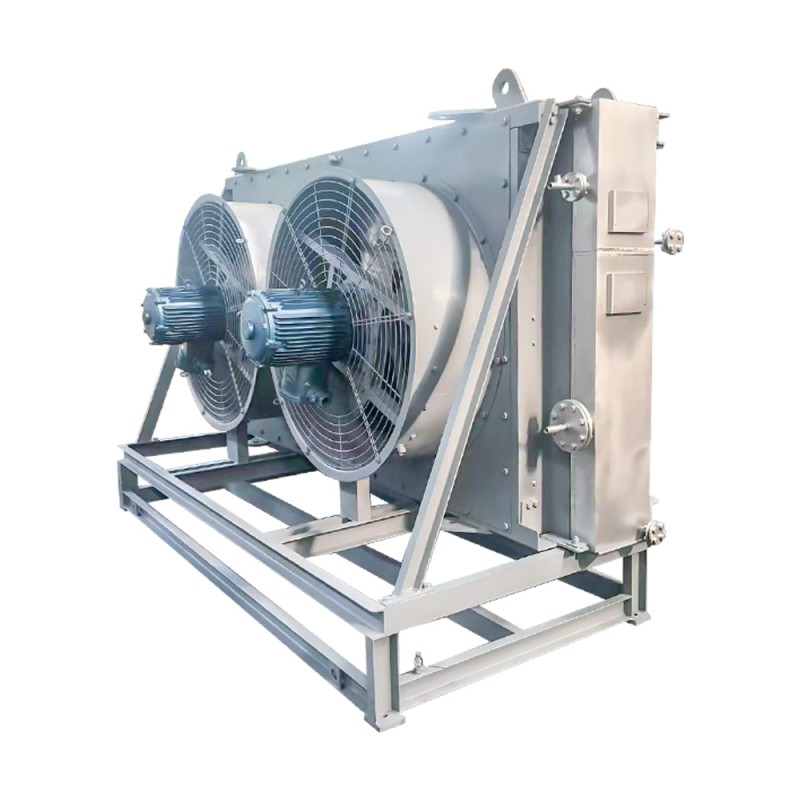
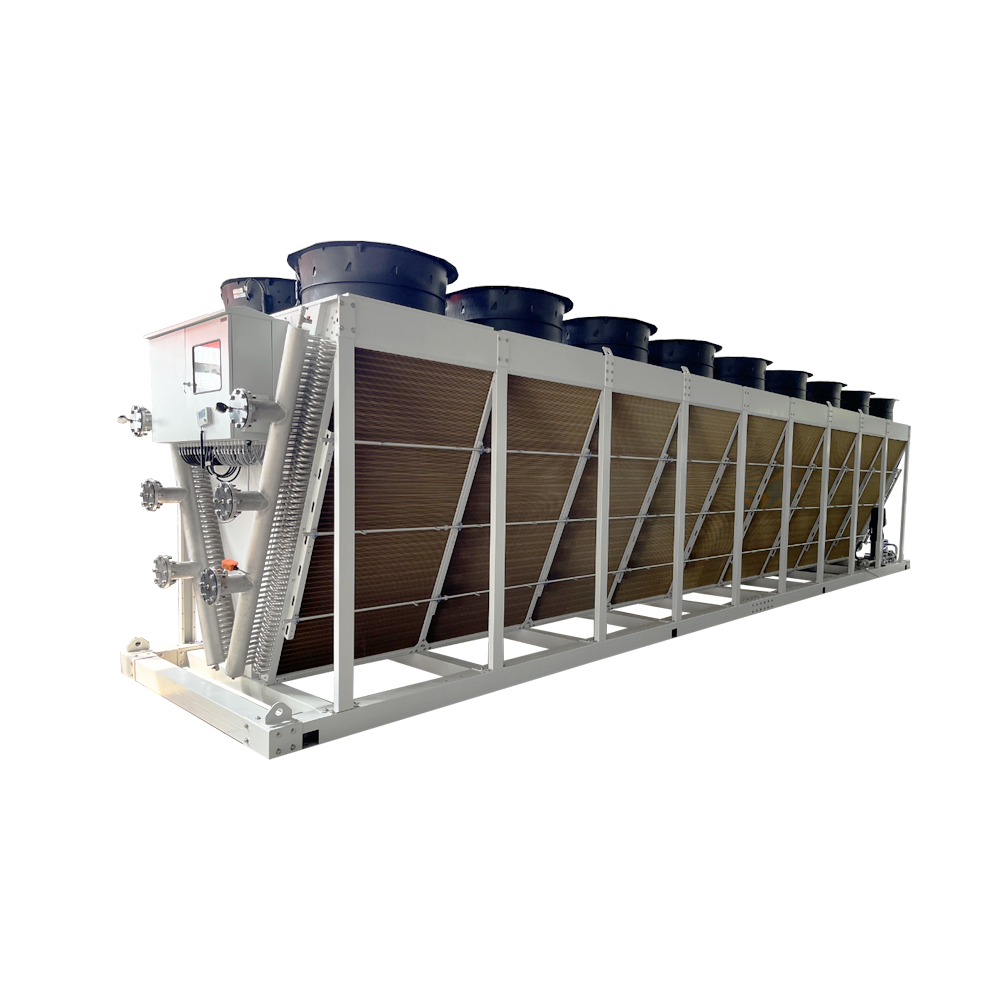
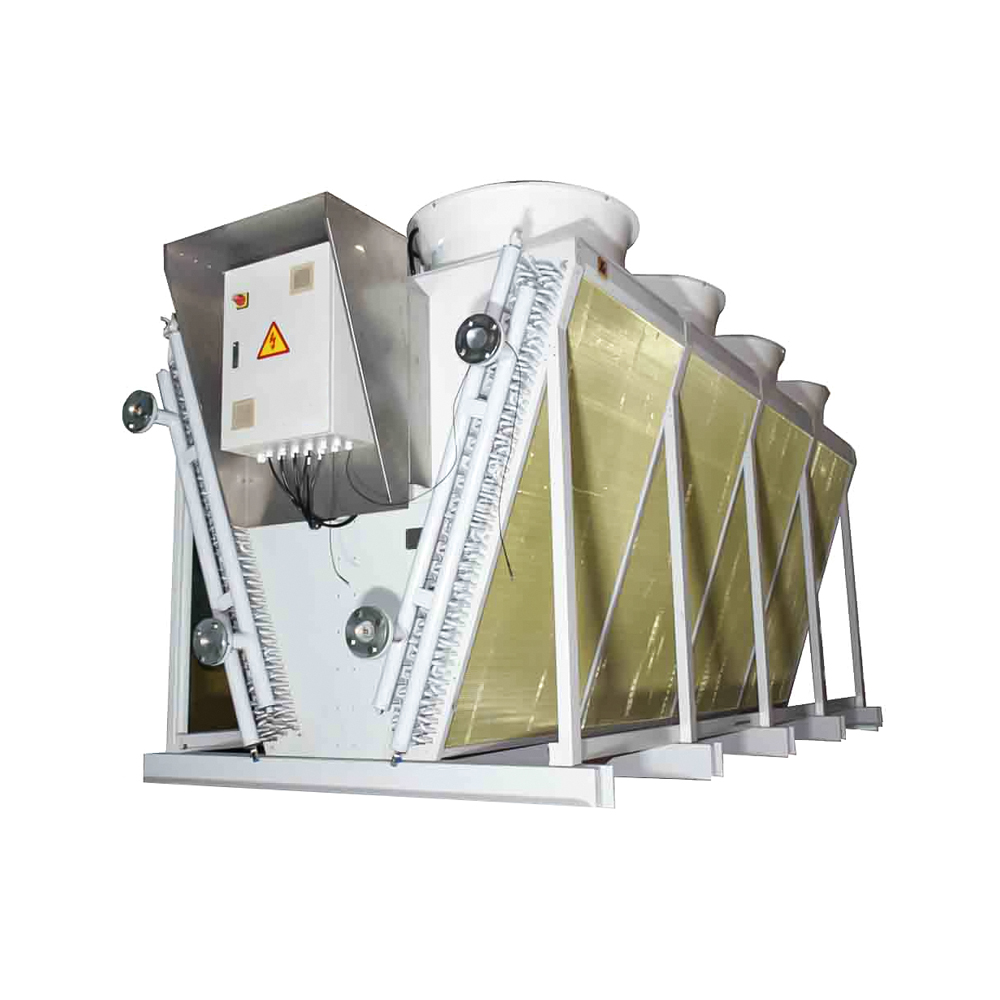
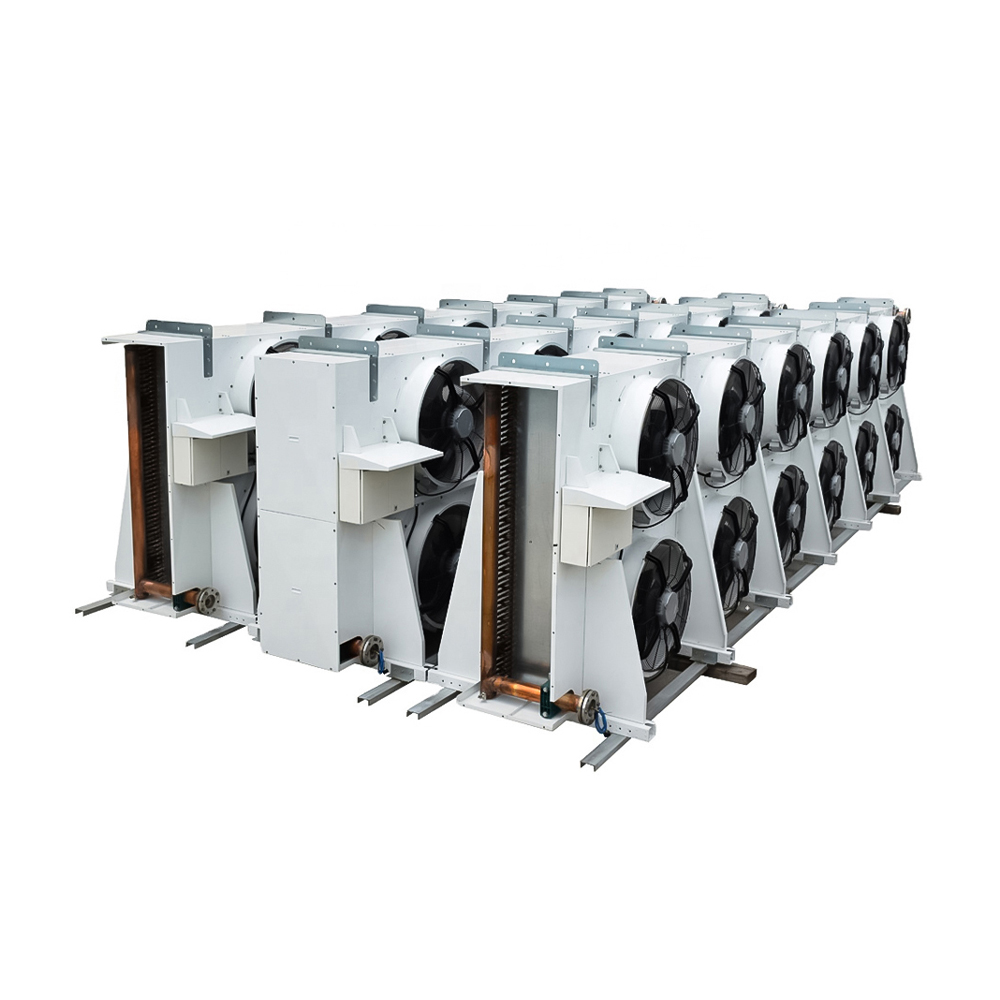
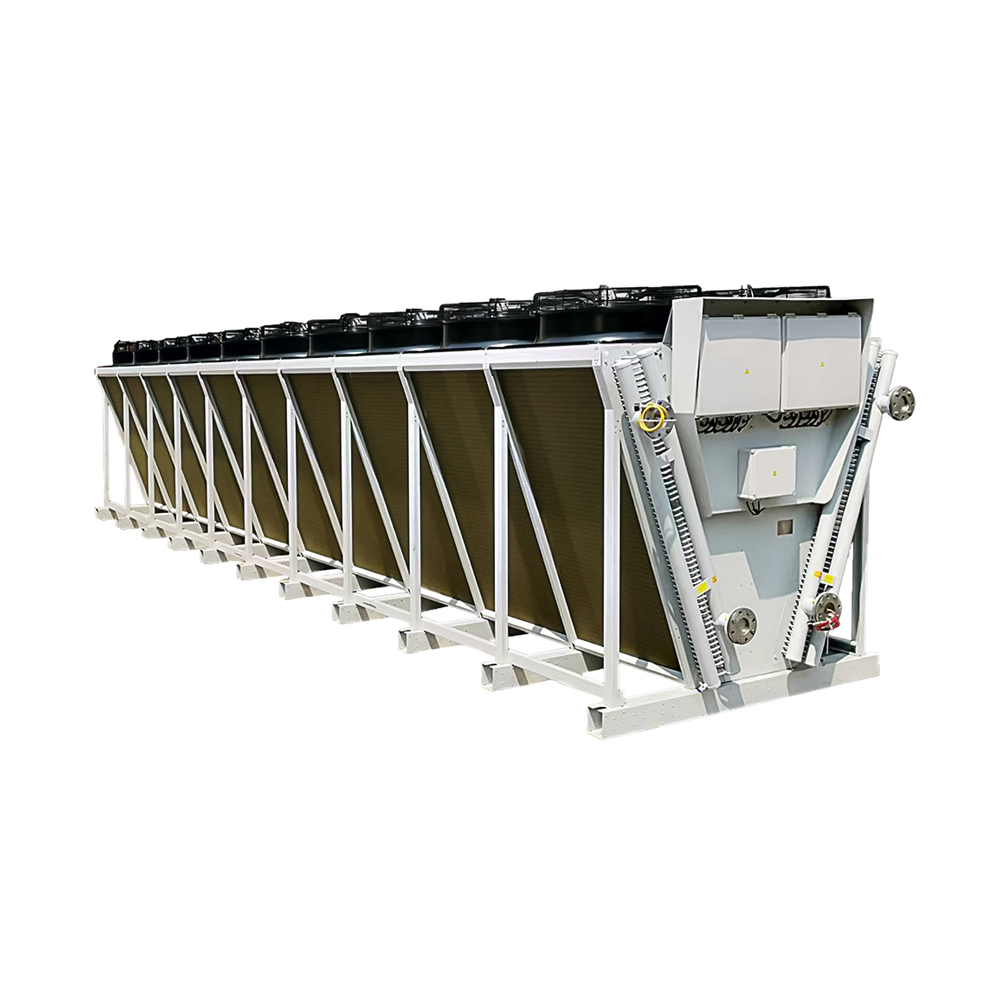
The concept of an air cooled heat exchanger often seems straightforward—using air to cool a fluid or gas. However, the practicality of implementing these devices involves numerous considerations that might not be obvious at first glance. Many assume it's just about blowing air across tubes, but from my experience, the reality is more nuanced, with several factors like ambient temperature, airflow, and even equipment positioning playing crucial roles.
Understanding the Core Mechanism
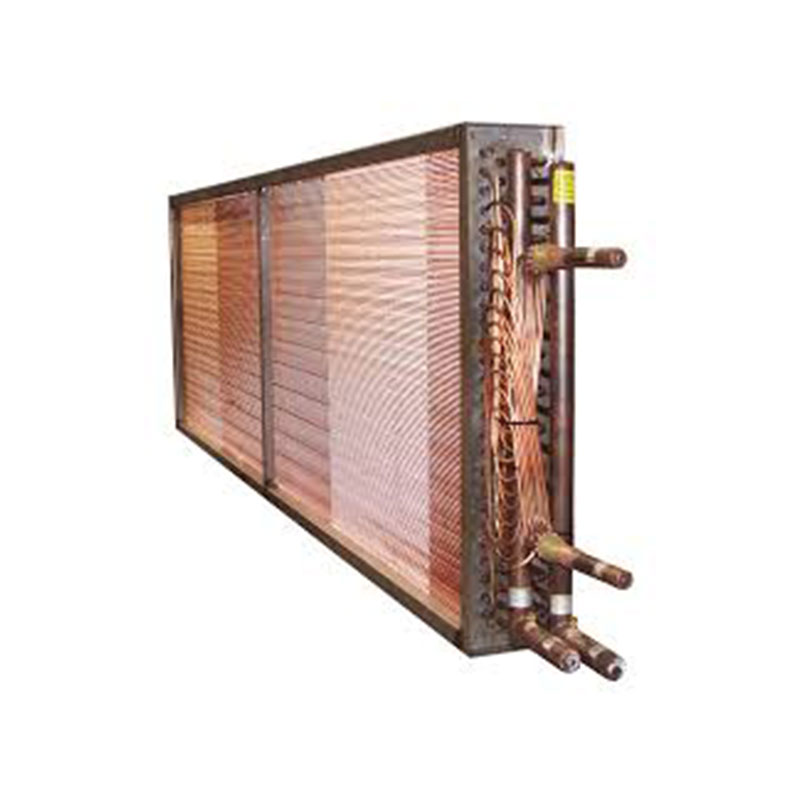
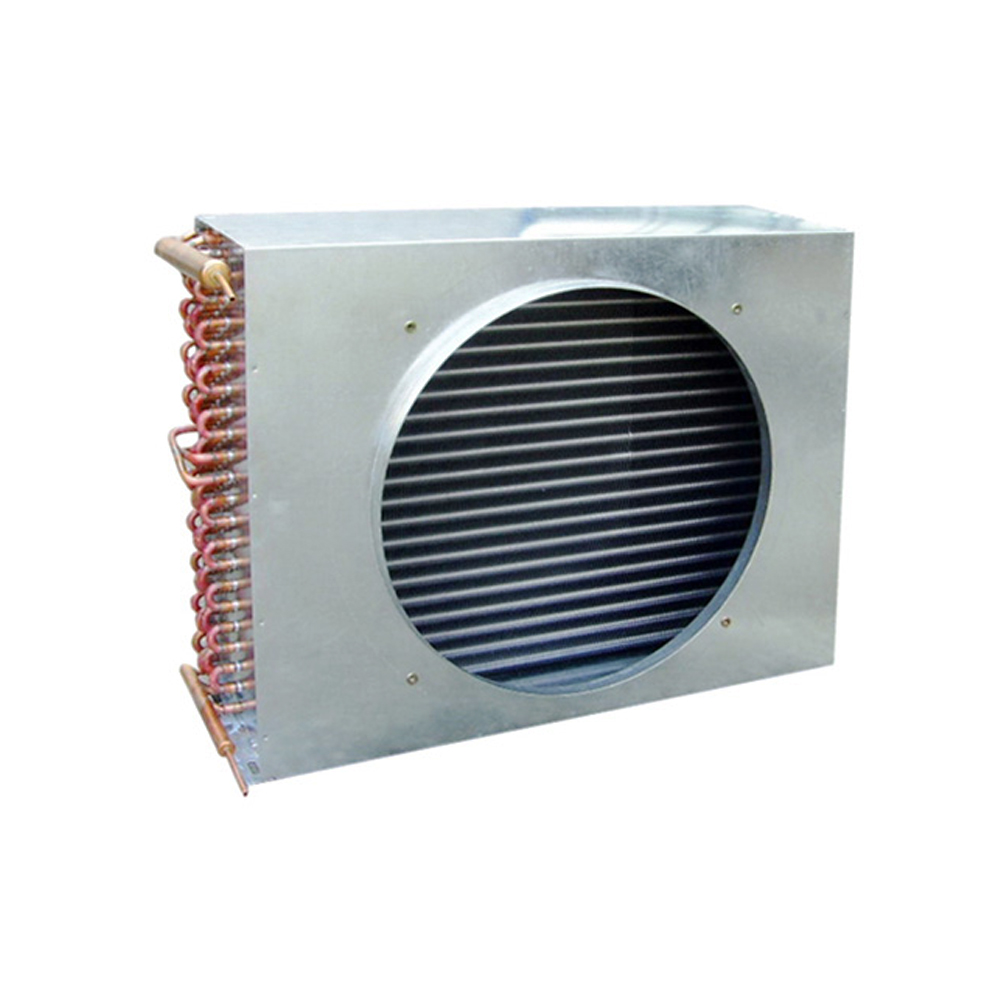
At its heart, an air cooled heat exchanger operates by using ambient air to cool fluids circulating within its tubes. The underlying principle might be simple, but the devil, as they say, is in the details. One common oversight I've observed is neglecting the impact of varying ambient conditions. For instance, during a hot summer day, the efficiency of the system might drop, a fact often overlooked during the design phase.
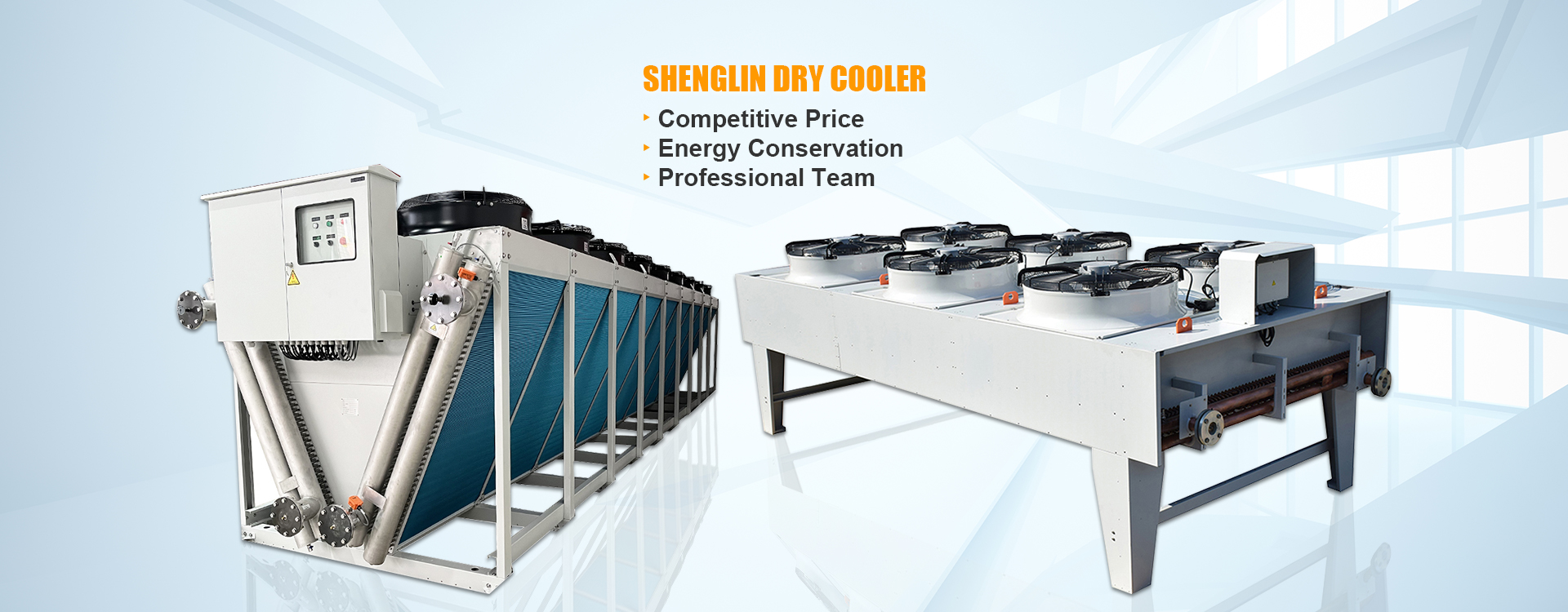
Years ago, with Shanghai SHENGLIN M&E Technology Co.,Ltd, we were tasked with optimizing a system for a plant where space constraints were a significant issue. The project taught us the importance of carefully balancing fan speed and noise levels, especially in urban settings. This balance is critical not only for efficiency but also for regulatory compliance—a factor that can complicate installations in densely populated areas.
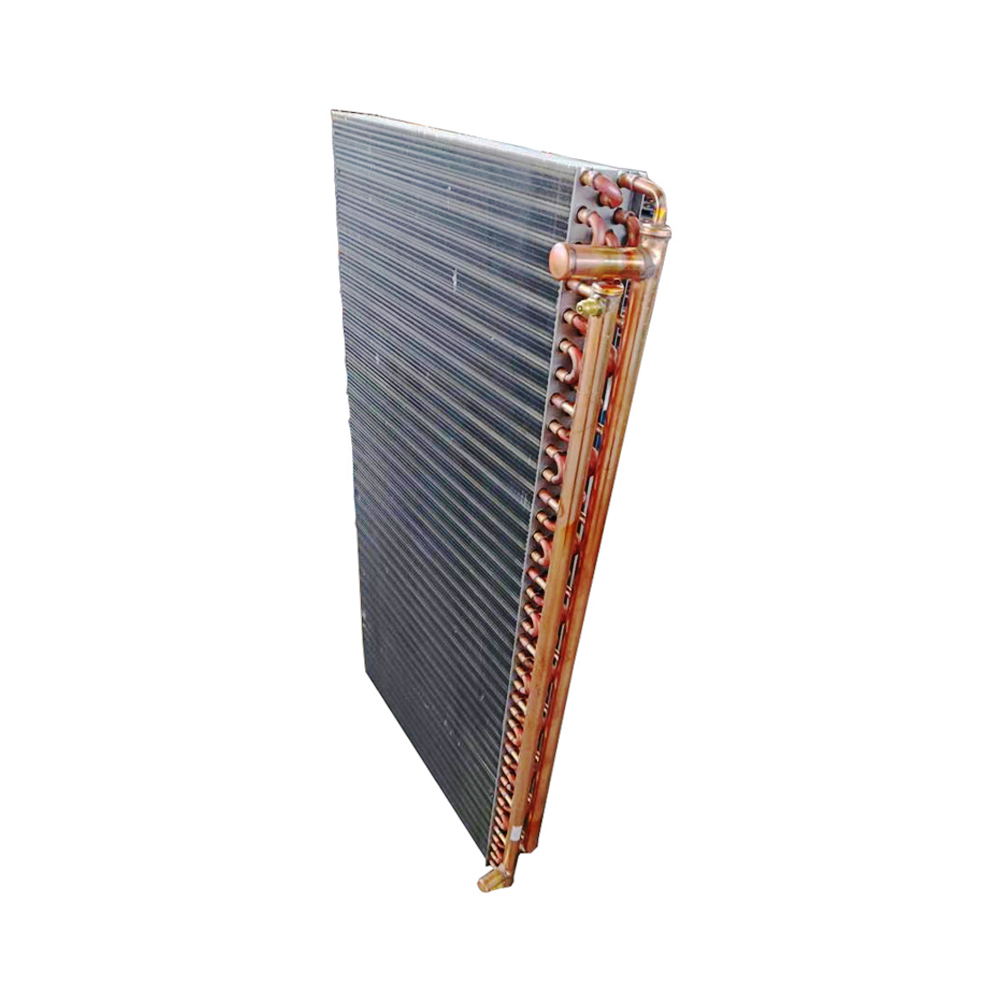
Another aspect that often trips up newcomers is the notion of fouling. Dust, pollen, and other particulates can accumulate on heat exchanger surfaces, reducing their efficiency over time. Regular cleaning and maintenance are crucial to sustain optimal performance, something that can be easily underestimated in initial project plans.
Design Considerations and Challenges
Designing a reliable system isn't just about selecting the largest possible unit; it's about precision in matching the exchanger to its environment. A memorable project involved customizing units with varied fin designs to maximize heat transfer rates. Here, minor adjustments led to significant improvements in the system’s efficiency without substantial cost increases.
Involving fluid dynamics experts early in the design phase can prevent headaches later. I remember a case where we teamed up with specialists to simulate airflow patterns for an exchanger placed near large structures—something that impacted wind flows in unexpected ways.
Another crucial challenge is accommodating future expansions. I've seen scenarios where a successful expansion was delayed simply because the original heat exchanger wasn’t designed with scalability in mind. Network capacity evaluation at design inception can mitigate such issues, allowing smoother scaling in response to growing demands.
Installation Best Practices
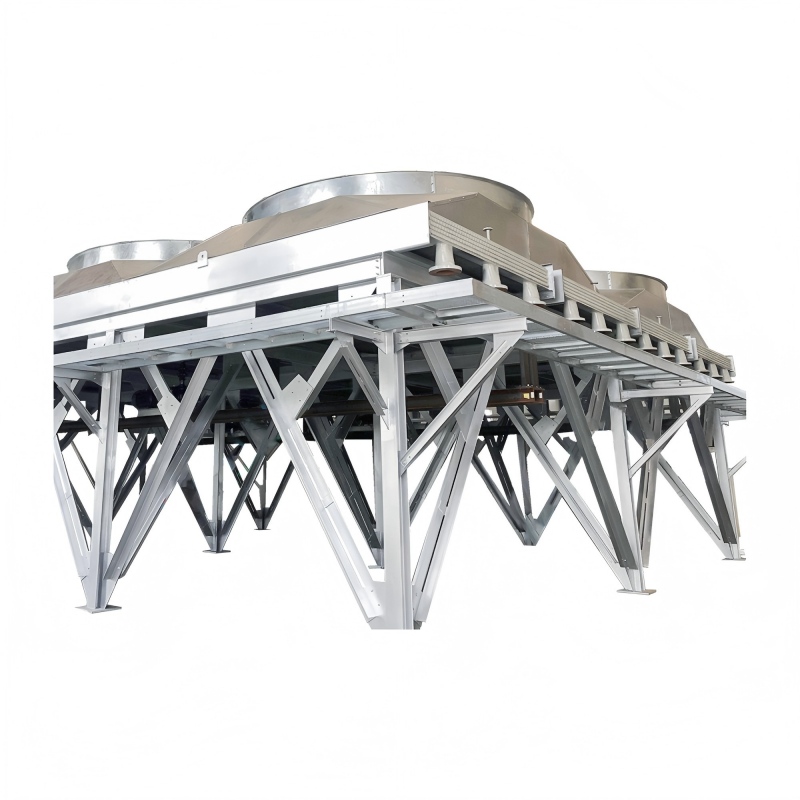
Even the best-designed exchanger fails without proper installation. Positioning, for instance, can significantly impact performance. Ensuring adequate airflow is as simple as strategic placement and clearances but can be easily overlooked. It's surprising how often these details slip through the cracks during project execution.
One project in particular highlighted this when we placed exchangers too close to a building wall, restricting airflow. A minor adjustment, considering prevailing wind directions and optimizing the placement, provided an immediate efficiency boost.
And let’s not forget about vibration issues. Improper mounting can lead to vibration transfer to the structure, causing more than just noise—potential long-term damage and energy loss. Proper dampening solutions are essential to address this aspect from the get-go, ensuring longevity and consistent performance.
The Importance of Proper Maintenance
When SHENGLIN conducts maintenance for our clients, we stress the necessity of regular check-ups. Recently, a site visit revealed that neglected fan belts were the source of decreased efficiency. It's a simple fix but one that underscores how small oversights can lead to larger issues.
I've seen a system operate at sub-optimal performance simply because of misaligned fans. Regular realignment checks are essential—they may seem trivial but impact energy efficiency significantly. Comprehensive maintenance protocols should outline every possible issue, even those seemingly insignificant ones.
Predictive maintenance technologies are changing the game, allowing for more proactive than reactive measures. The integration of IoT sensors provides valuable data, helping us anticipate and prevent issues before they cause serious downtime.
Future Directions and Innovations
Looking forward, the industry is slowly pivoting towards more sustainable solutions. I recall discussions during conferences where emissivity and alternative cooling fluids were hot topics. As regulations tighten, these innovations will play crucial roles.
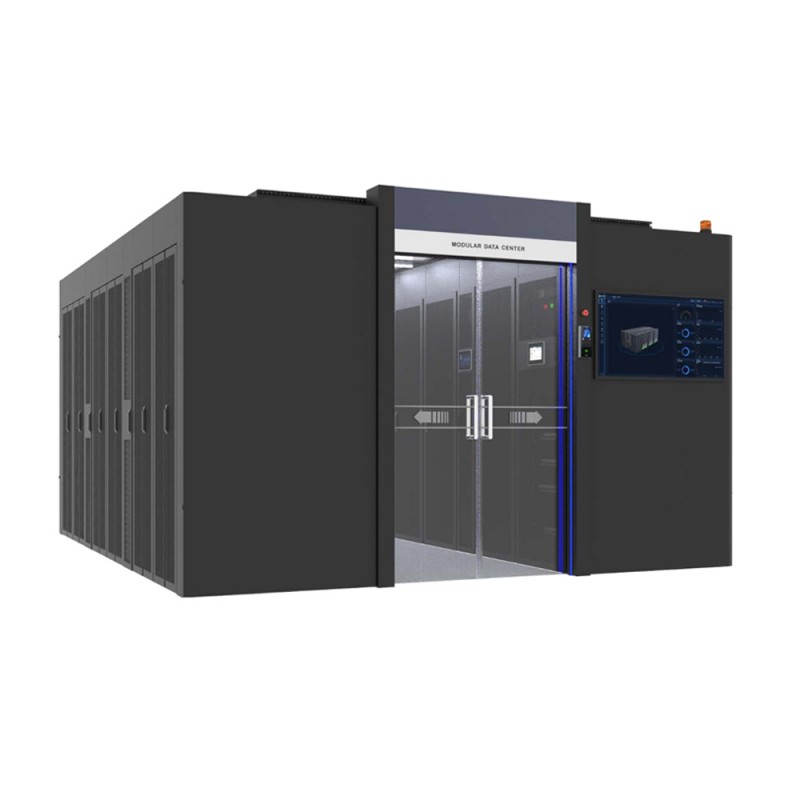
Moreover, there's an observable shift towards modular designs. This adaptability not only provides flexibility during installation but also paves the way for gradual upgrades. Companies like SHENGLIN are investing heavily in research to streamline these processes, ensuring products meet future demands without extensive overhauls.
In summary, while an air cooled heat exchanger might appear as just another component in industrial cooling, the considerations surrounding its implementation are anything but simple. From design and installation to maintenance, each step requires informed decisions to ensure optimal functioning—a testament to the complexity and sophistication of these vital systems.