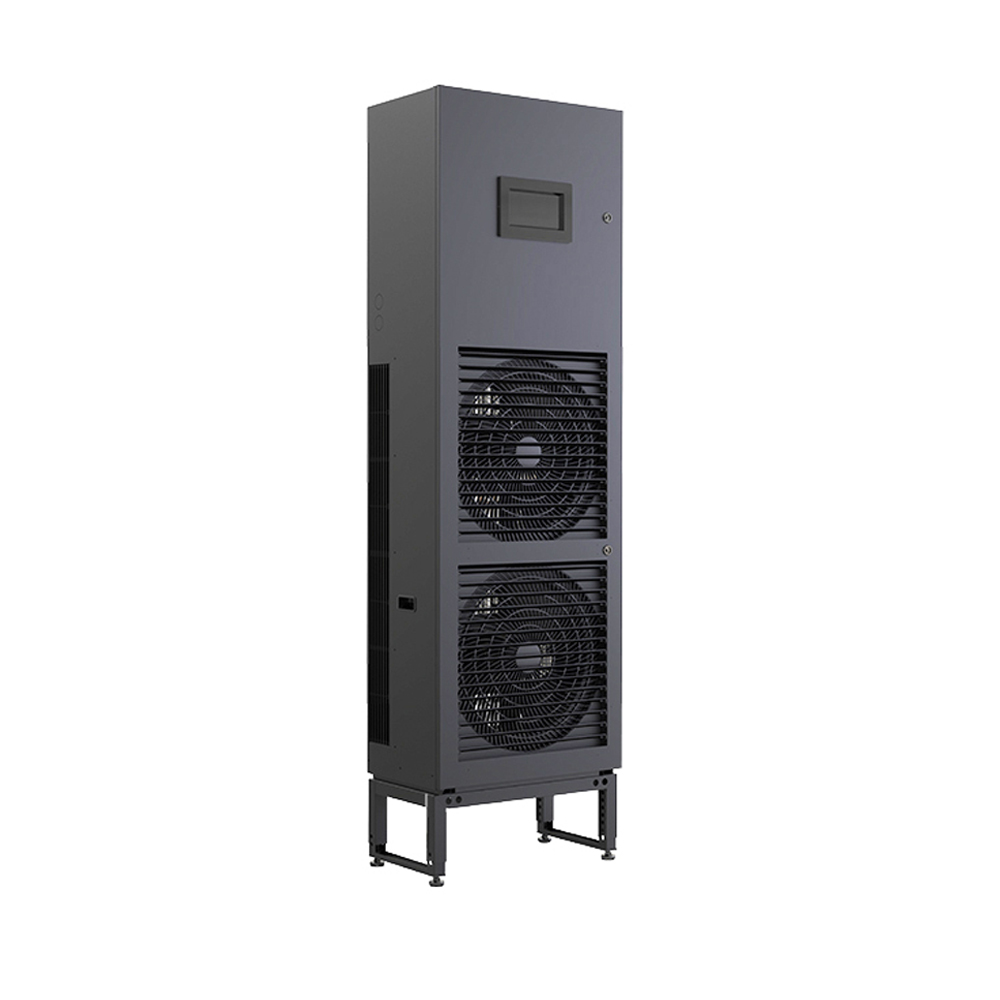
The Intricacies of Air Cooled Exchangers in Industrial Applications
The role of an air cooled exchanger in industrial settings is often misunderstood. Many assume it's simply about keeping things cool, but there's a lot more beneath the surface. From material choices to installation challenges, these systems demand careful consideration. Let's dive into the complexities and nuances surrounding their use.
Understanding Air Cooled Exchangers
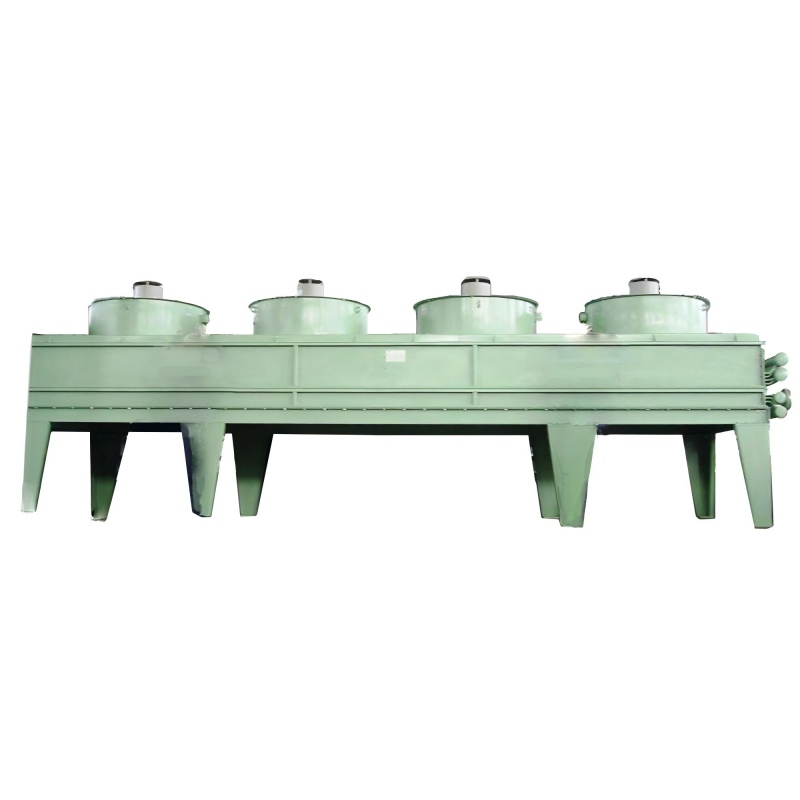
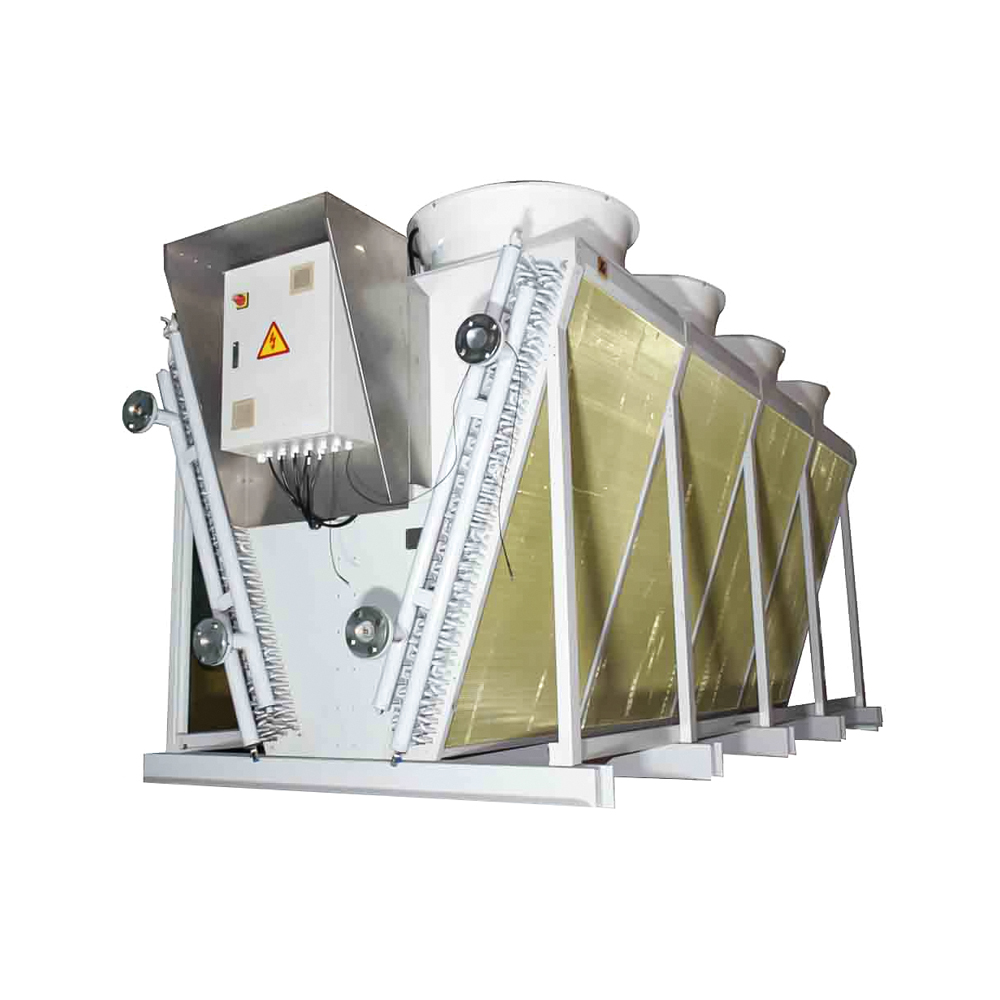
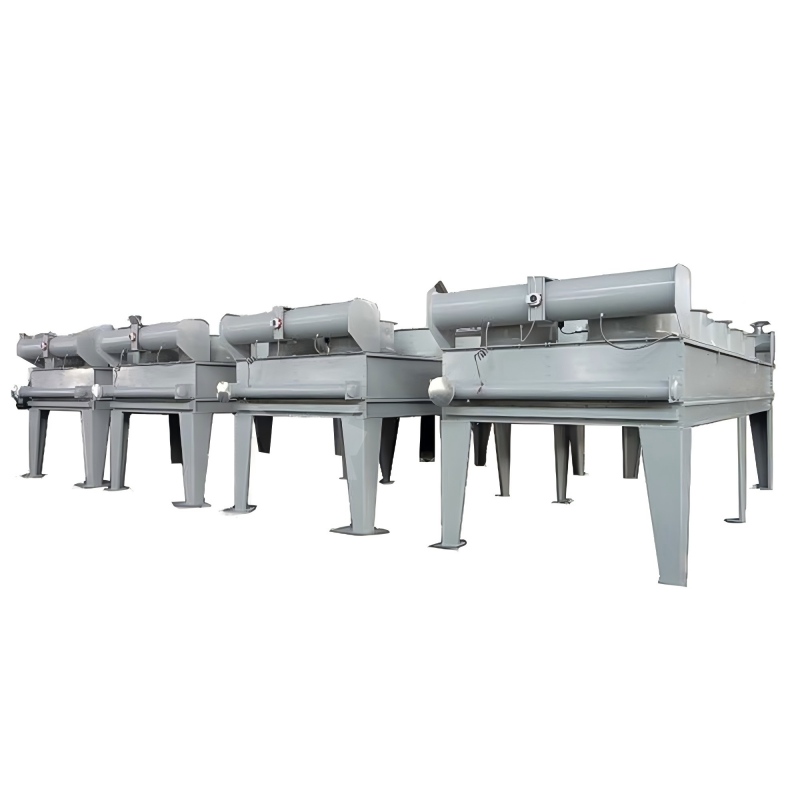
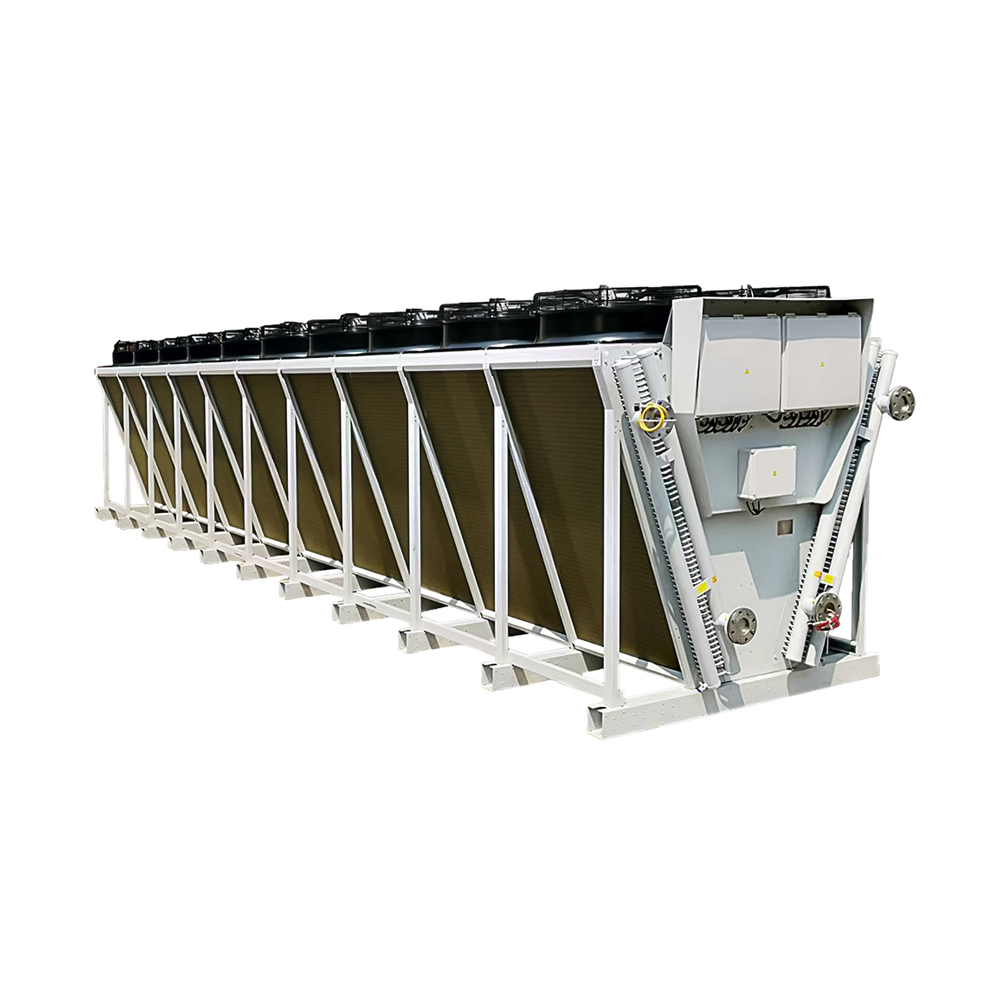
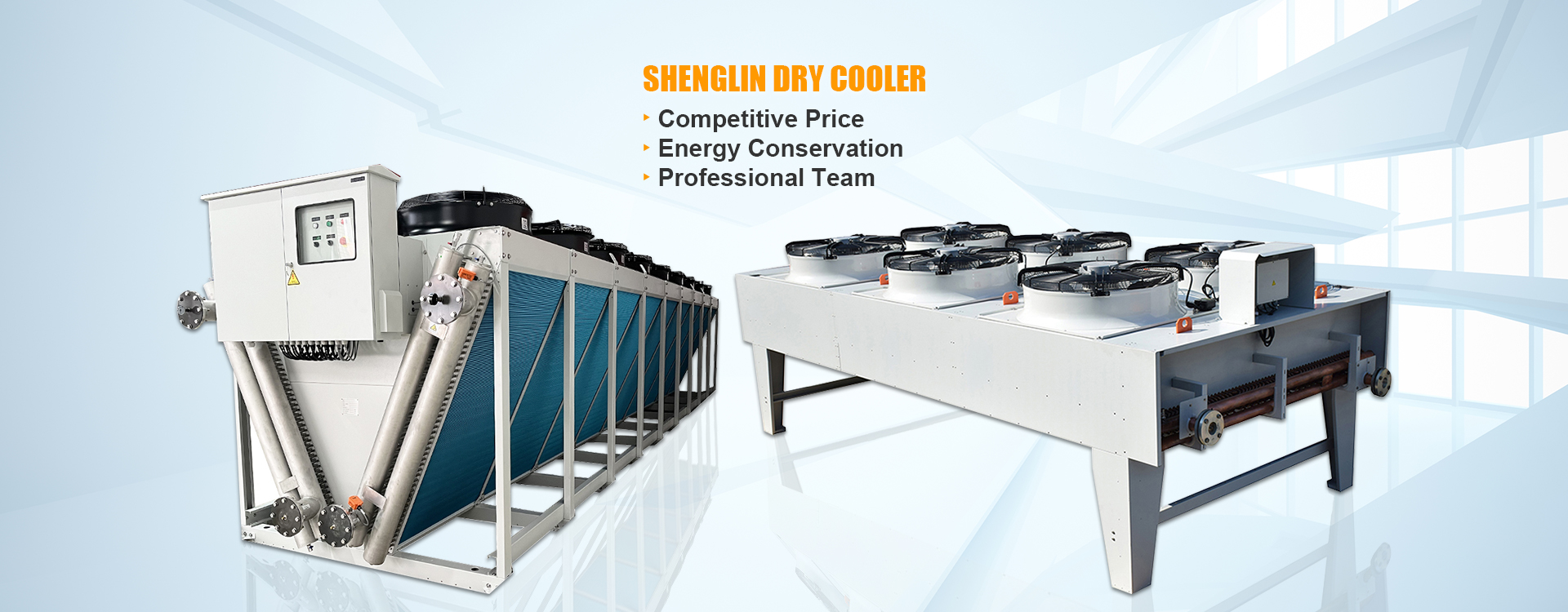
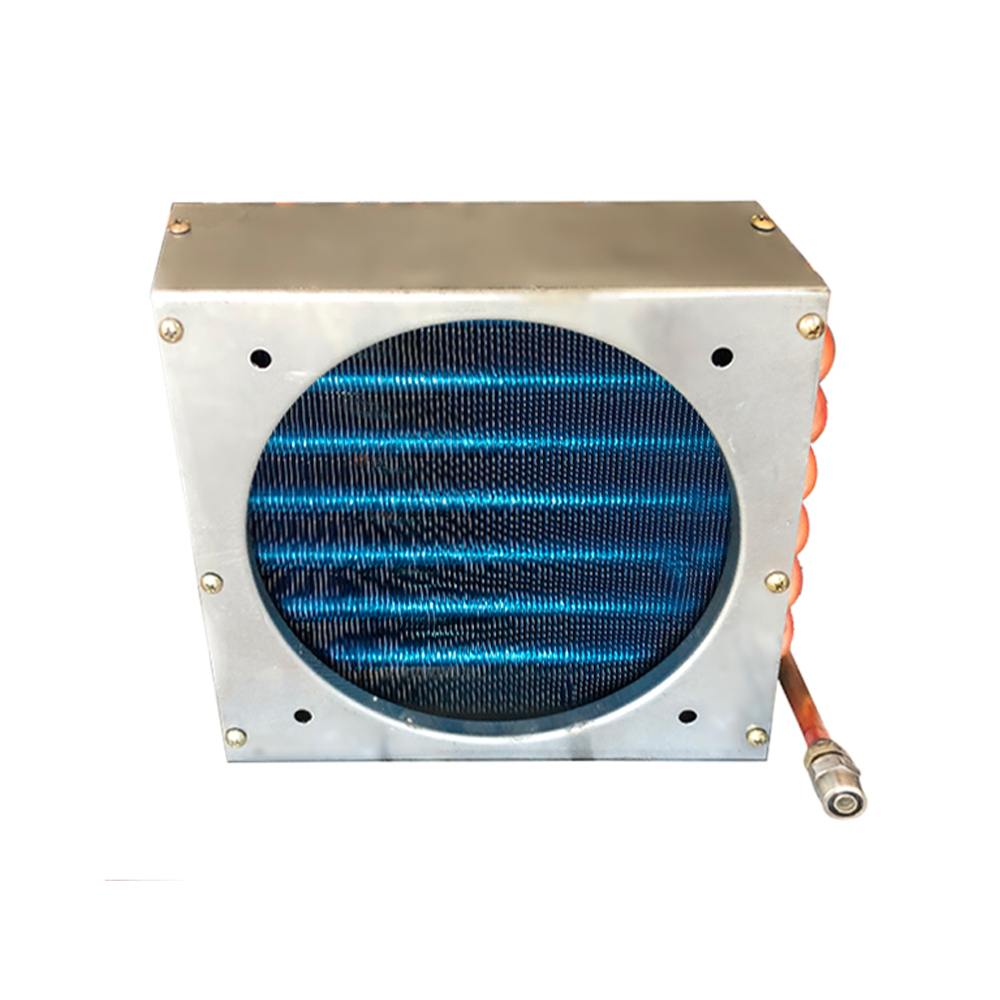
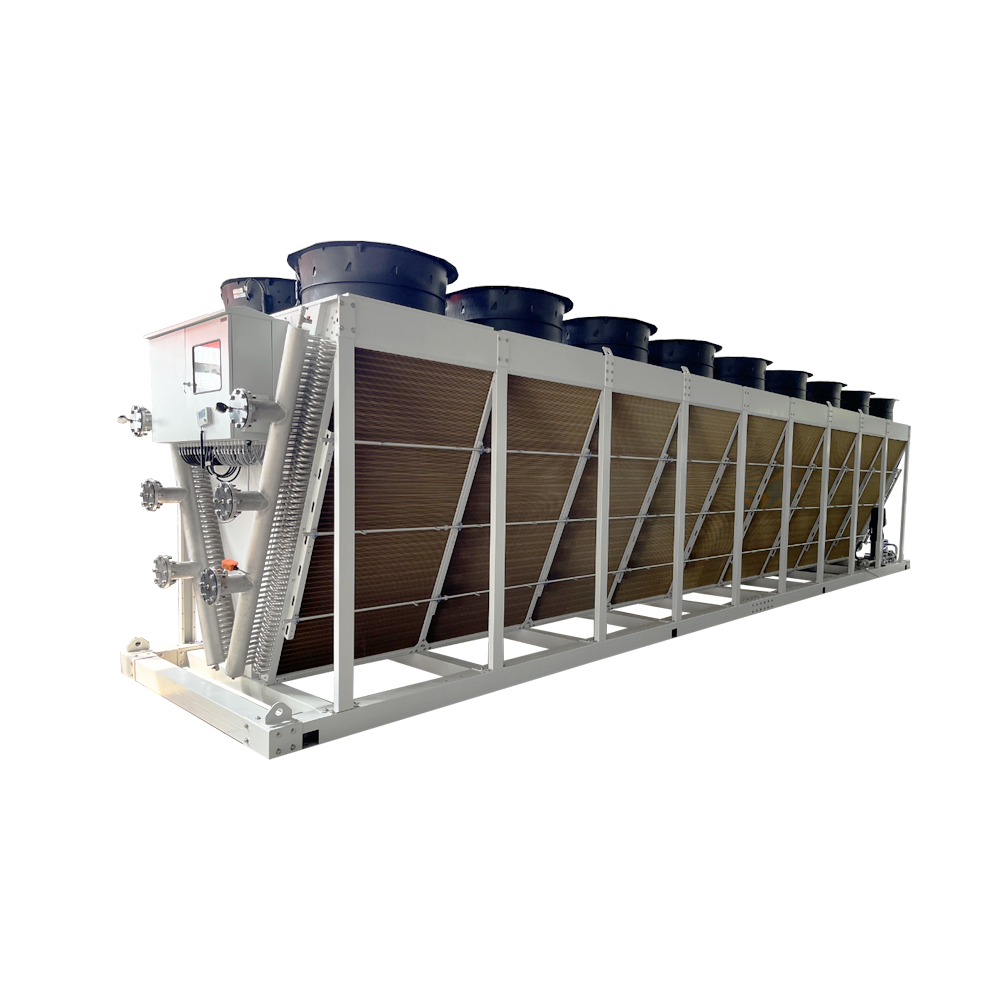
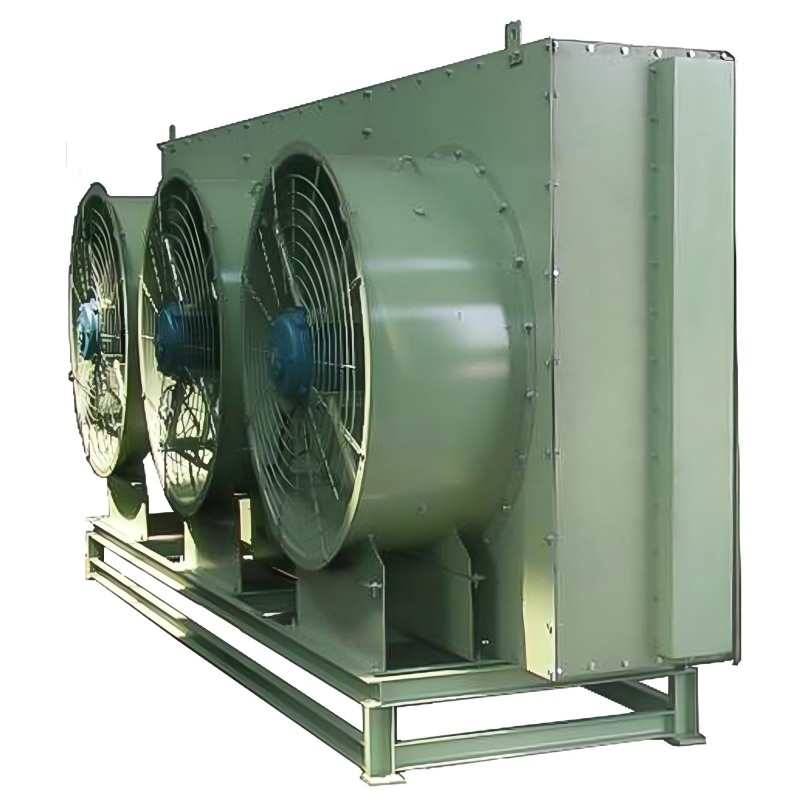
An air cooled exchanger is essentially a device that cools a fluid by circulating it through a series of pipes exposed to the atmosphere. It sounds straightforward, but the functionality depends heavily on precise engineering. The environment, temperature variations, and even the altitude can impact its efficiency.
I recall a project where our team at SHENGLIN tackled the issue of overheating in a manufacturing plant. The ambient temperature was higher than expected, leading us to redesign certain elements to enhance airflow. This real-world scenario speaks to the adaptability required for such systems.
Another layer of complexity is material selection. Aluminum is popular for its heat dissipation ability, but in corrosive environments, stainless steel becomes the material of choice. Each decision impacts the long-term performance and reliability of the exchanger.
Installation: A Critical Phase
During installation, location is crucial. Positioning an air cooled exchanger where it can maximize natural airflow can significantly boost efficiency. However, this isn't always feasible, especially when retrofitting older facilities.
On one occasion, we were faced with spatial constraints that required creative solutions. By elevating the unit slightly and angling it towards predominant wind patterns, we managed to achieve the desired cooling without additional energy consumption.
These experiences highlight the importance of site evaluations before installation. It's a step that's often rushed or overlooked but can save significant resources in operational adjustments later.
Maintenance: An Ongoing Responsibility
Developing a maintenance routine is not just recommended; it's essential. Air cooled exchangers, like those available at Shanghai SHENGLIN M&E Technology Co., Ltd, integrate into complex systems that require regular checks.
Unexpected fouling or blockages can drastically reduce efficiency. Regular inspections can preempt failures, saving time and money. We once diagnosed a subtle decline in performance through routine checks that led to a quick fix rather than a costly overhaul.
Small details such as keeping the fins clean and ensuring adequate lubrication of moving parts can hinder a potential shutdown. It's about preventing minor issues from snowballing into major disruptions.
Design Challenges and Innovations
Designing an air cooled exchanger requires balancing multiple factors. You need to consider the type of fluid, the temperature drop required, and environmental factors. The design phase is where innovation often emerges.
Heard about modular designs? They allow for flexibility and scalability, accommodating future expansion without redesigning the entire system. It's one of those why didn't we think of this before moments that make life easier for both engineers and operators.
Enhancing fin efficiency and experimenting with novel materials are other areas where innovation is driving improvements. At SHENGLIN, we're continually exploring these avenues to see how they might better serve our clients' needs.
Common Pitfalls and Lessons Learned
One of the common pitfalls with air cooled exchangers is underestimating the impact of environmental conditions. We've seen systems fail due to unaccounted dust or pollution, which could have been mitigated with proper screening or filtering.
Lessons also stem from scaling systems. Overestimating needs can lead to unnecessary energy expenditures, while undersizing may cause cooling deficits. Finding that sweet spot takes experience and analytical foresight.
In conclusion, while the concept of an air cooled exchanger seems simple on the surface, deploying them effectively requires a deep understanding of both engineering challenges and environmental factors. Through careful planning and insightful execution, these systems can bring substantial benefits to industrial cooling operations.