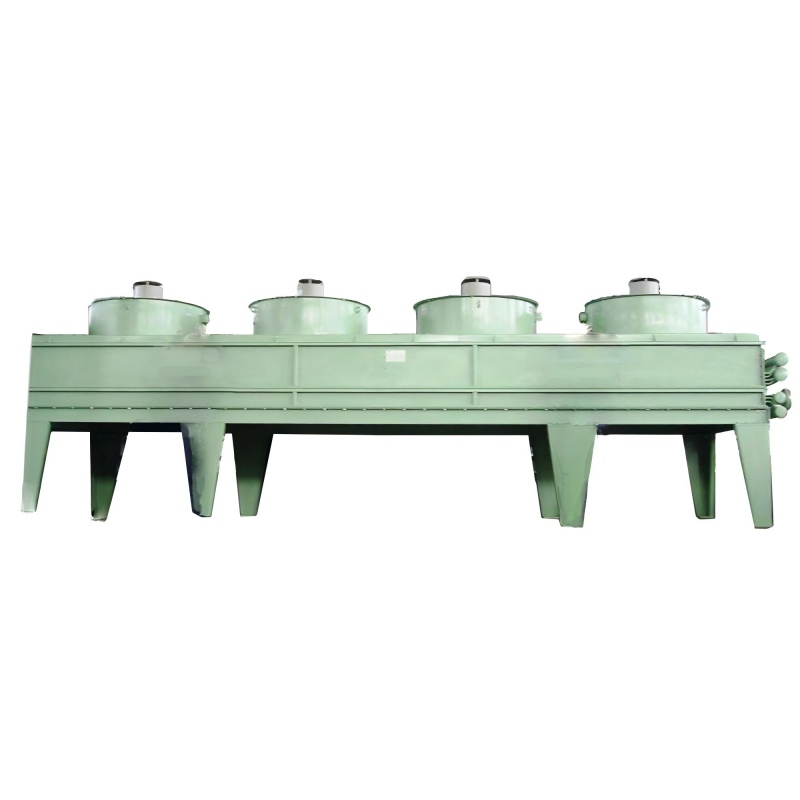
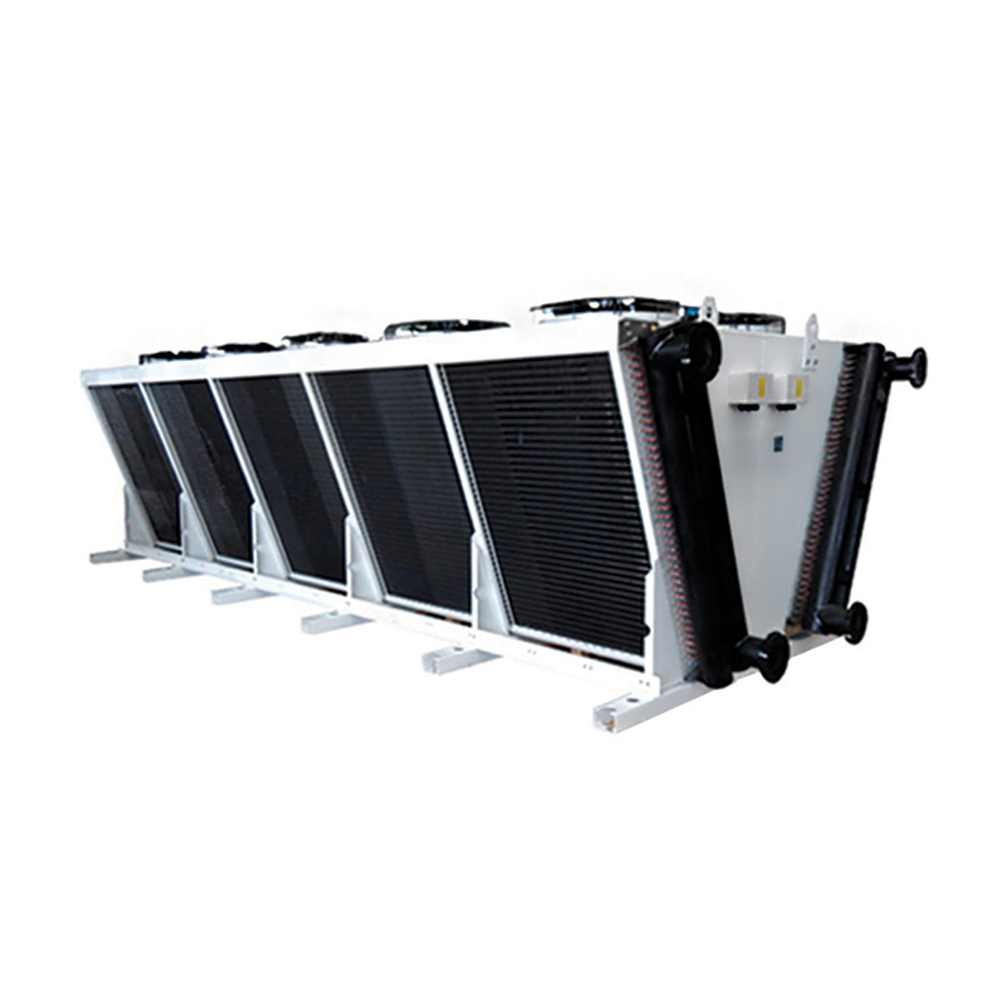
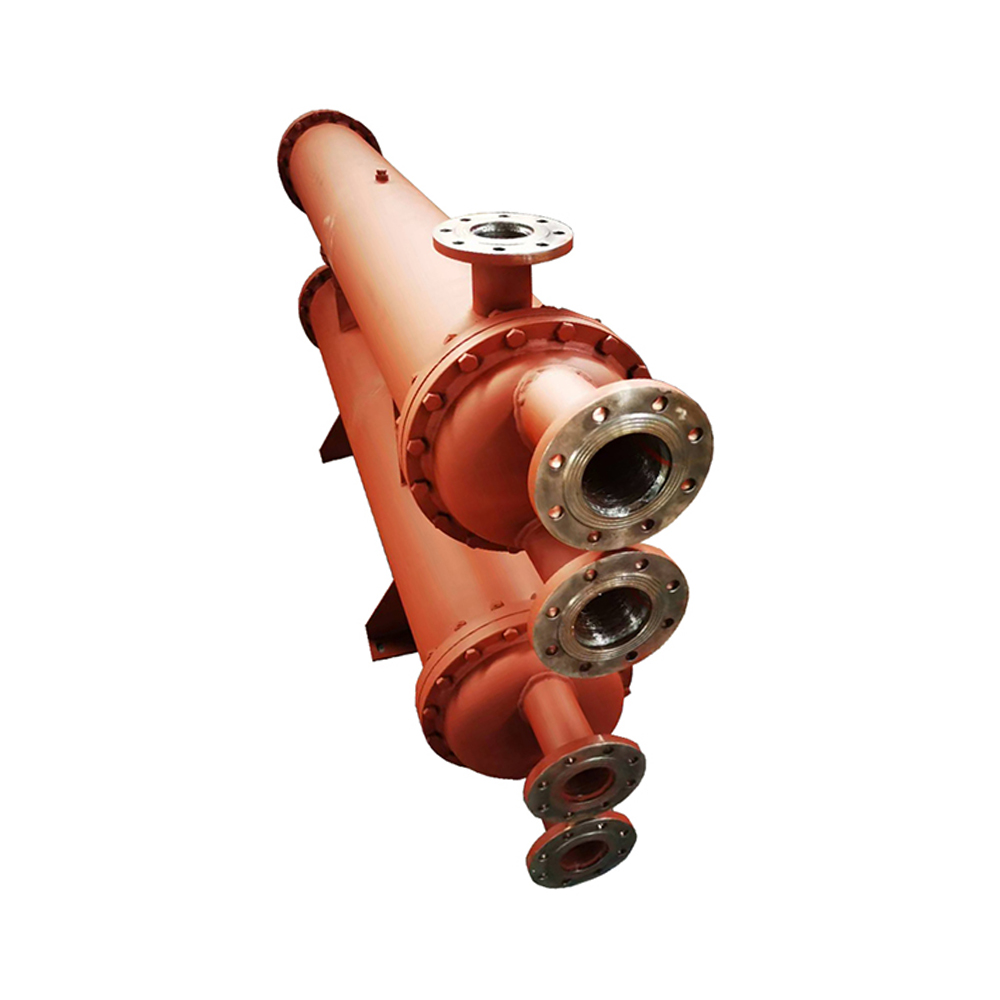
You hear remote radiator and the first thought is often just moving the heat exchanger further away, right? That’s the surface-level take. In practice, it’s a fundamental rethinking of the thermal boundary, and whether it’s the future hinges less on the concept itself—which is sound—and more on the brutal economics of piping, pumping, and the real estate in between.
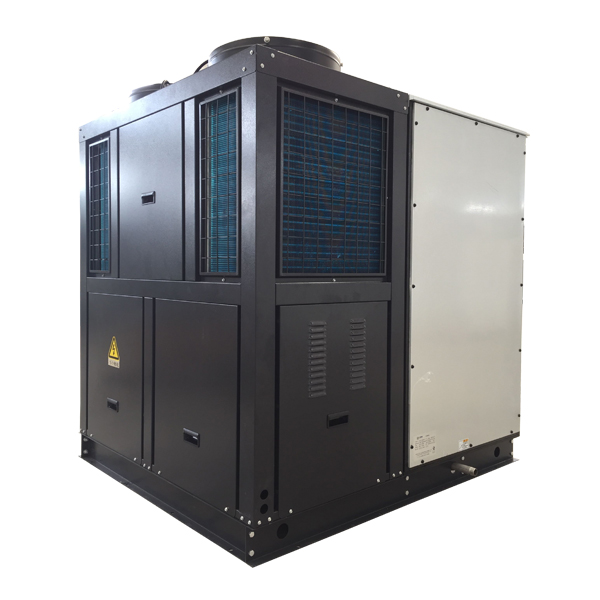
Beyond the Server Room Door
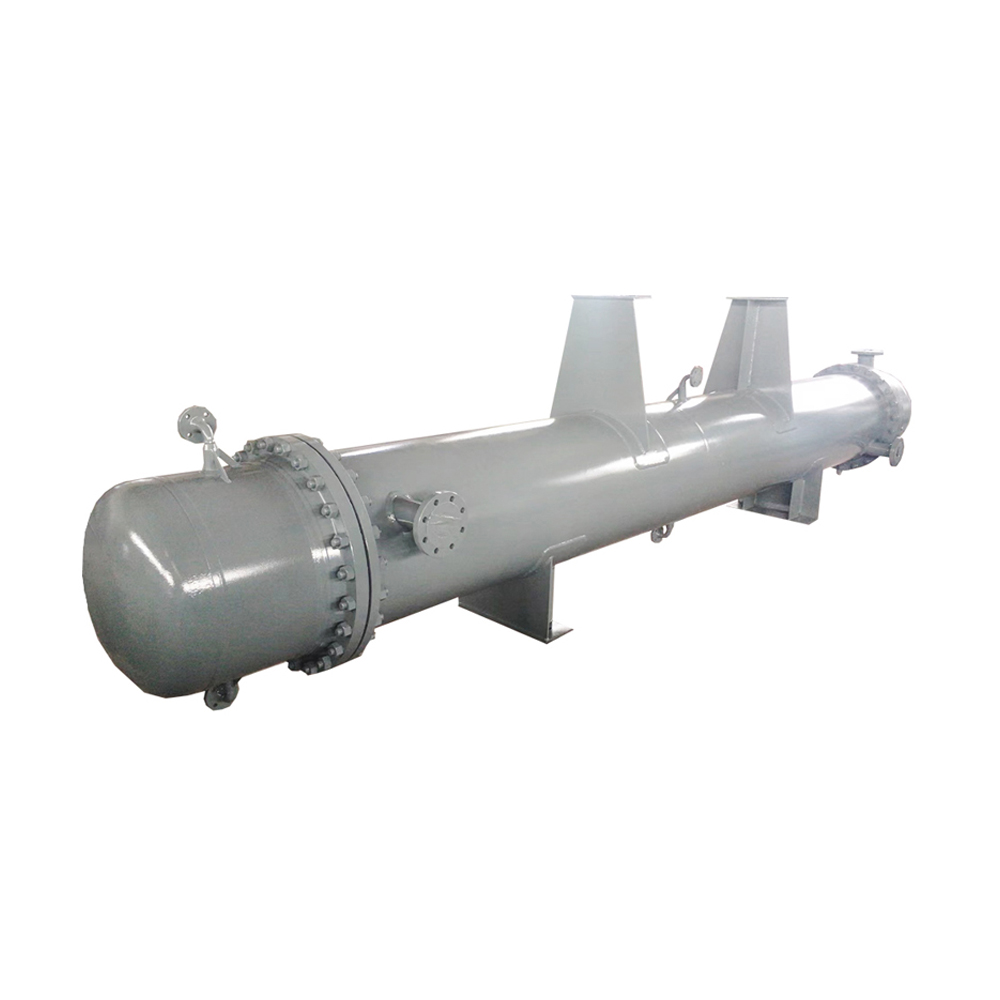
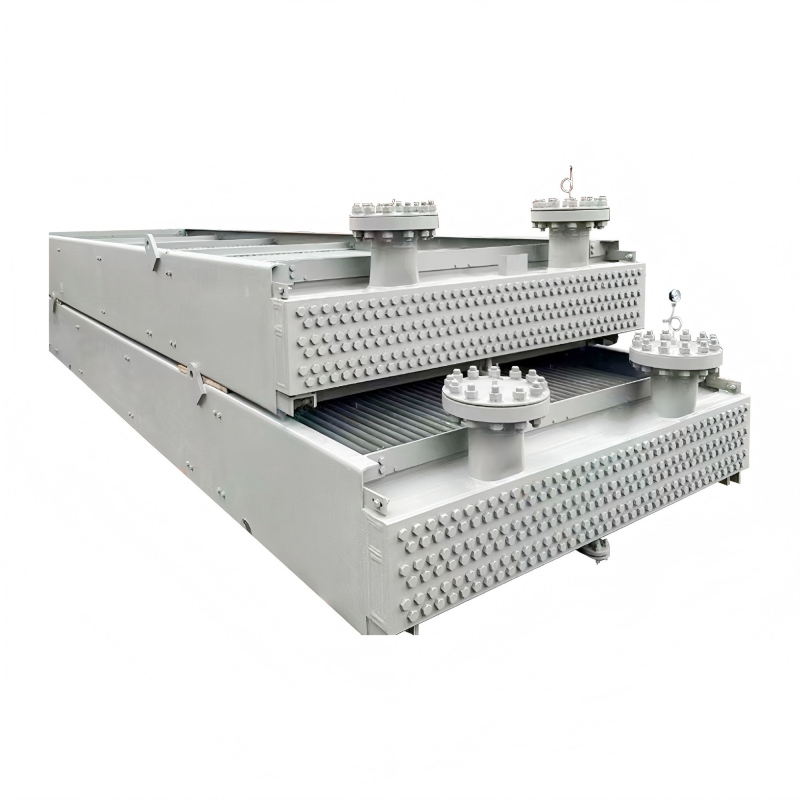
The core idea is seductively simple: decouple the heat rejection from the IT hall. Instead of cramming remote radiator units or CRACs inside, you place dry coolers or fluid coolers outside, potentially hundreds of meters away, with a coolant loop connecting them. The immediate win is reclaiming floor space for more racks. I’ve seen designs where the entire mechanical plant for a 5MW facility was shifted to a rooftop or a separate utility yard, turning what was a noisy, cramped hot aisle containment project into a surprisingly clean white space. But that’s the brochure version.
The real shift is in risk profile and management. You’re now managing a long, pressurized, glycol-mixed loop. A leak isn’t a localized drip; it’s a potential system-wide shutdown and a major environmental clean-up if it’s in a buried pipe section. I recall a mid-sized colo project in Frankfurt where a faulty weld on a buried secondary loop led to a 48-hour scramble. The remote radiator bank was fine, but the interstitial piping failure cost more in downtime than the saved energy over the previous year. It taught me that the radiator is the easy part; the artery is the vulnerability.
This brings us to the pump work. Everyone calculates the static head, but the dynamic losses over long runs with multiple bends are often underestimated. You end up with larger pumps, which means more power for the cooling plant itself, eating into your PUE gains. The choice between a variable primary loop and a primary-secondary setup isn’t academic here; it’s a direct trade-off between control fidelity and Capex. Most operators I talk to now lean towards robust, slightly oversized primary-secondary systems for these remote setups, sacrificing some peak efficiency for resilience.
The Fluid Question and Material Realities
Water or dielectric fluid? If you go remote, the loop length often forces you toward water-glycol for its superior thermal capacity and lower cost per meter. But that introduces water into the equation, adjacent to the IT load. The industry’s fear is palpable, even with double-walled plates and leak detection. I’ve been in debates where the CFO would rather accept a higher PUE with an in-row dielectric system than sign off on a water pipe above his million-dollar AI servers. It’s not always rational, but it’s a real barrier.
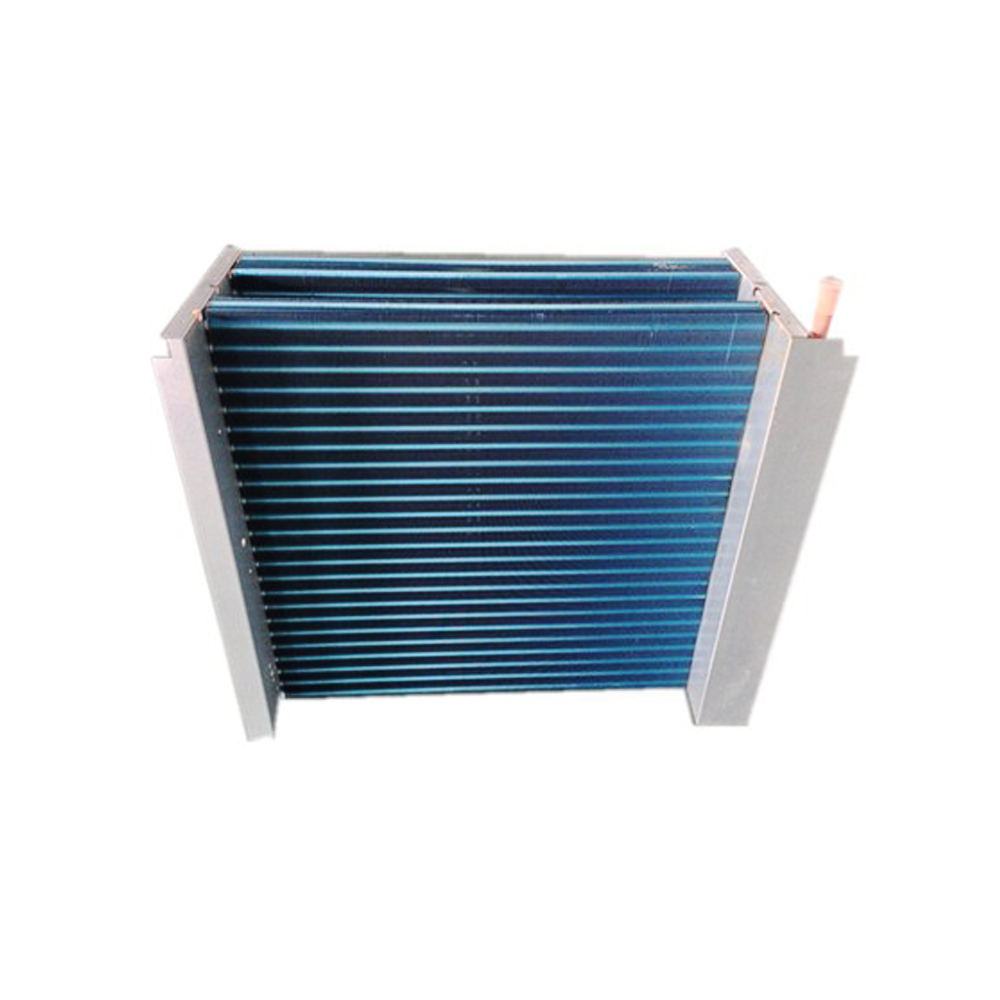
This is where the quality of the remote radiator unit itself becomes critical. It’s not a commodity. We’re talking about units that must handle constant, year-round operation, often in coastal or polluted air environments. Corrosion on fin coils is a silent killer. I’ve specified units from manufacturers who understand this industrial duty cycle, like Shanghai SHENGLIN M&E Technology Co.,Ltd. Their focus on industrial cooling tech translates to heavier-gauge coils, better fin coatings, and casing designs that manage condensation effectively. You can check their approach at https://www.shenglincoolers.com. It’s the difference between a unit that lasts five years and one that lasts fifteen with minimal performance degradation.
The control logic also gets more complex. You’re fighting ambient temperature swings, trying to enable free cooling as much as possible. A good system modulates fan stages and integrates bypass valves seamlessly. A poor one cycles fans aggressively, causing power spikes and mechanical wear. I’ve seen installations where the control system was an afterthought, leading to the pumps and fans working against each other, essentially short-circuiting the efficiency benefits.
Case in Point: The Hybrid Reality
So, is it the future? In a pure, high-density, dedicated facility, yes, it’s a strong contender. But the future I see more often is hybrid. A recent project for a hyperscaler in the Nordics used a remote radiator loop for base load free cooling, but kept a compact, in-building chilled water system for peak summer days and redundancy. This mitigated the single-point-of-failure fear and kept the main water loop outside the critical hall.
Another angle is retrofits. It’s rarely feasible to rip out an existing chilled water plant. But I’ve worked on projects where we added a remote dry cooler bank in parallel with the existing chillers. During low-ambient conditions, the chillers shut off, and the building loop is cooled directly through a plate exchanger by the remote loop. It’s a Capex-heavy modification, but the OpEx savings can justify it if the climate profile is right. The key is a flawless integration control layer.
The economics are brutally local. In a place like Singapore, with high ambient humidity and temperature, a remote dry cooler’s free cooling hours are limited. You might be better off with a different technology. In Toronto or Amsterdam, it’s a no-brainer. The future is therefore geographically fragmented.
Operational Nuances They Don’t Tell You
Let’s talk about winter. Free cooling is great until you risk freezing the loop. Glycol concentration, flow rates, and control setpoints become mission-critical. I’ve had to respond to a midnight alarm where a sensor failure caused a pump to slow, and a section of exposed pipe nearly froze. The system had safeguards, but the event highlighted that remote thermal management requires a different ops mindset. It’s not just set-and-forget.
Maintenance access is another. That radiator bank on the remote pad needs cleaning, fan motor checks, and seasonal inspections. If it’s on a separate plot, you need security protocols and easy vehicle access. I’ve seen a beautifully designed system where the maintenance road was too narrow for the crane truck needed to replace a fan assembly, creating a huge cost later.
Conclusion: A Tool, Not a Panacea
So, future of data centers? It’s a significant part of the future thermal toolkit, especially for new builds in temperate climates and for operators obsessed with maximizing IT space. The technology from experienced industrial players like SHENGLIN, who treat these as heavy-duty assets, makes it more viable. But it’s not a universal answer.
The promise of the remote radiator is ultimately about architectural flexibility. It lets you treat heat as a utility to be transported, like power or fiber. But like any utility distribution network, its reliability defines its value. The future belongs to designs that master the entire loop—the radiator, the pipes, the pumps, and the controls—with a pragmatic eye on total cost of ownership, not just the headline PUE. It’s a engineer’s solution, not a marketer’s dream.
In the end, we’ll see more of them, but they’ll often be part of a mosaic of solutions. The data center that puts all its thermal eggs in one remote basket might be in for a rude awakening. The smart ones are already designing for hybrid resilience.