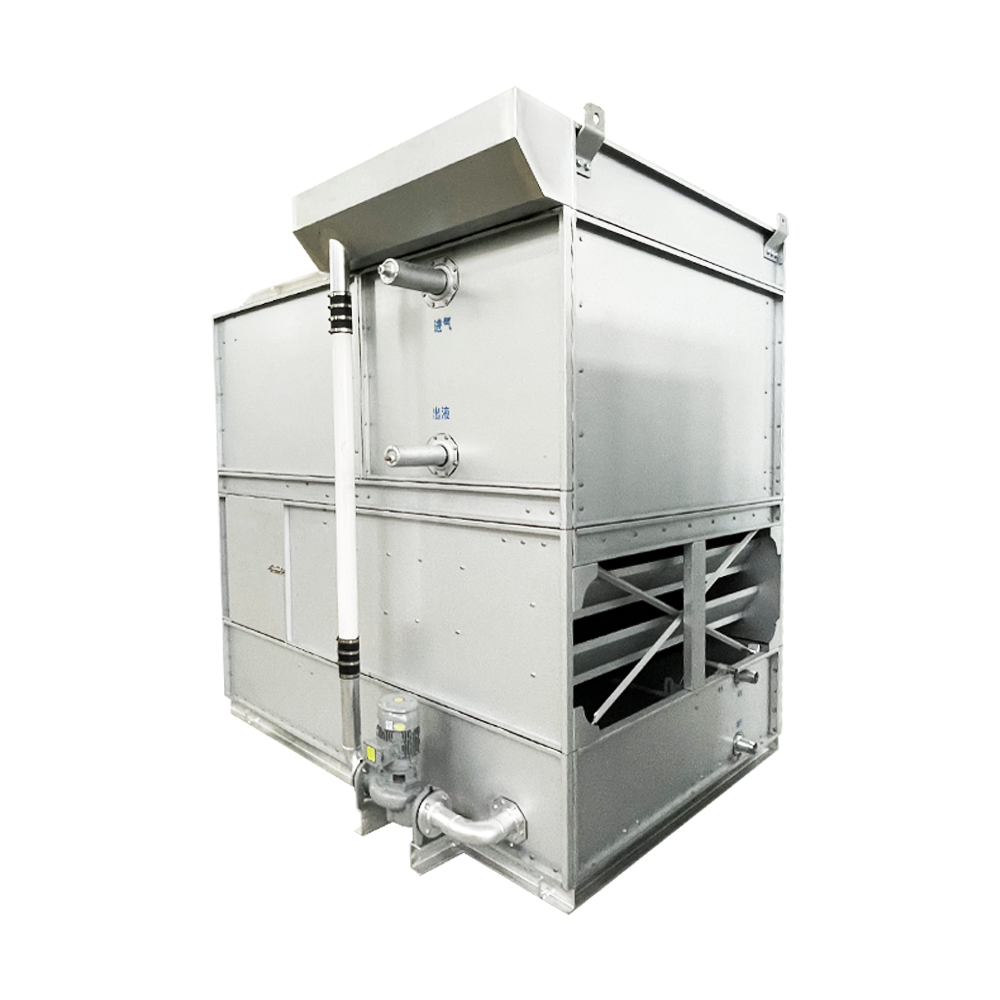
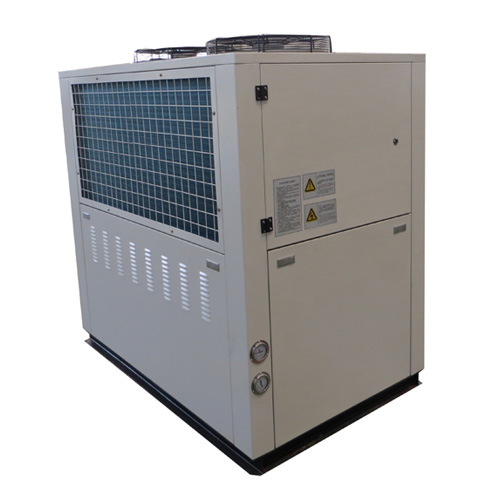
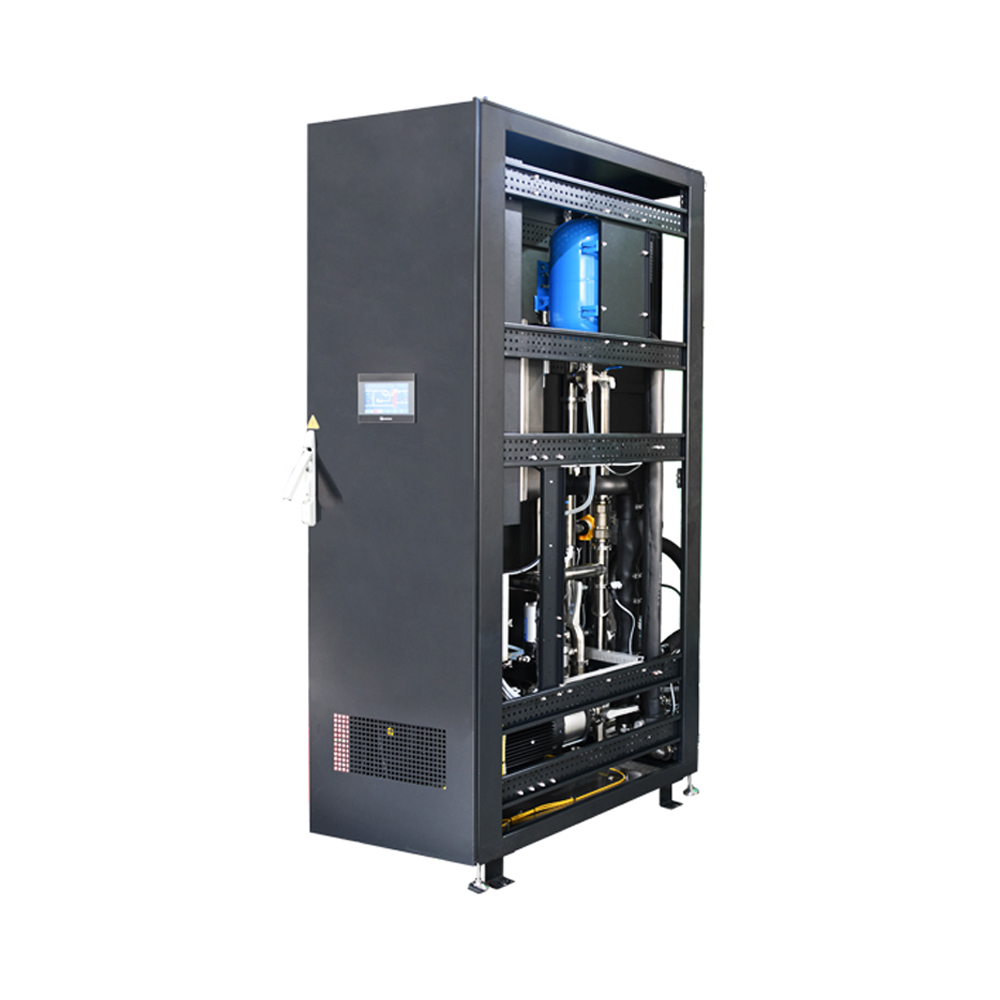
You hear a lot about drycoolers and sustainability these days, but let’s cut past the marketing fluff. The real link isn’t just about saving water, though that’s a huge part. It’s about the entire energy and resource calculus shifting when you remove the evaporation tower from the equation. I’ve seen projects where the sustainability pitch was an afterthought, and others where it was the core driver. The difference in outcome is stark.
The Water Arithmetic That Actually Matters
Everyone jumps to the zero water consumption headline. It’s true, a drycooler rejects heat solely through air, so you’re not constantly topping up a cooling tower basin due to evaporation, drift, and blowdown. But the sustainability gain isn’t just the volume you save. It’s the treatment chemicals you don’t ship and handle, the blowdown wastewater you don’t have to manage or pay sewer fees for, and the risk of legionella you effectively design out of the system. I recall a food processing plant in a water-stressed region; their main driver wasn’t even the cost of water, but the regulatory headache and liability of wastewater discharge from their old tower. Switching to a bank of drycoolers was an operational sustainability win more than a pure capex one.
Where people get tripped up is thinking this is a free lunch. It’s not. The fan energy to move the required air volume is higher than a tower’s pump energy. So you’re trading water for electricity. The sustainability question becomes: what’s the carbon intensity of that grid electricity versus the local water scarcity and treatment energy? In places with a relatively clean grid or on-site renewables, the trade-off tilts heavily in favor of the drycooler. I worked on a data center project in Scandinavia where this calculus was perfect—hydro-powered grid, abundant cold air for most of the year. Their drycooler arrays run at partial load for 70% of the year, with compressors off. The annualized PUE looked fantastic.
There’s a nuance with hybrid units—drycoolers with an adiabatic pre-cooling pad. They use a tiny fraction of a cooling tower’s water, only spraying when the ambient dry-bulb is high enough to warrant the efficiency boost. This is where practical sustainability lives: optimizing the resource use, not dogmatically eliminating one. A client insisted on a pure dry system in a humid Gulf Coast location. The chiller lift was brutal all summer, spiking energy use. We retrofitted adiabatic sections later. The lesson? Sustainability has to be evaluated over the full annual cycle, not just peak design.
Material and Longevity: The Less Talked-About Cycle
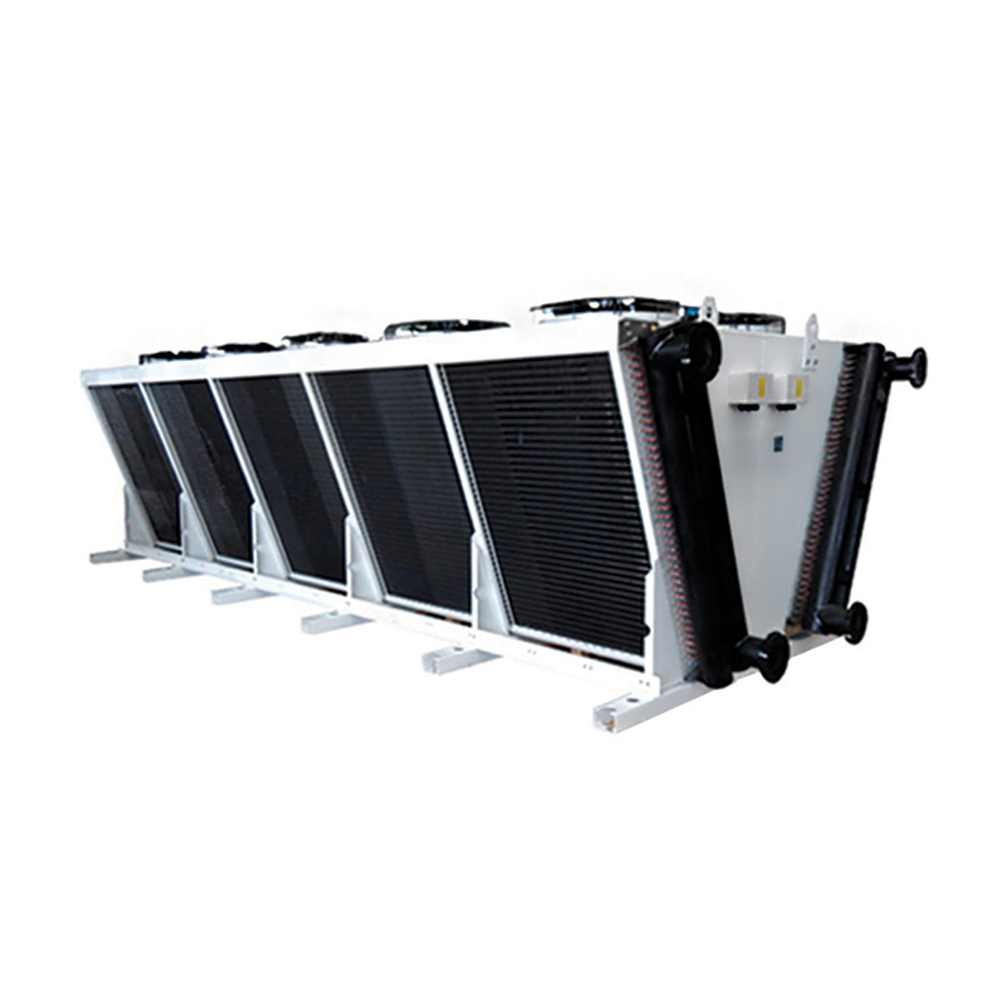
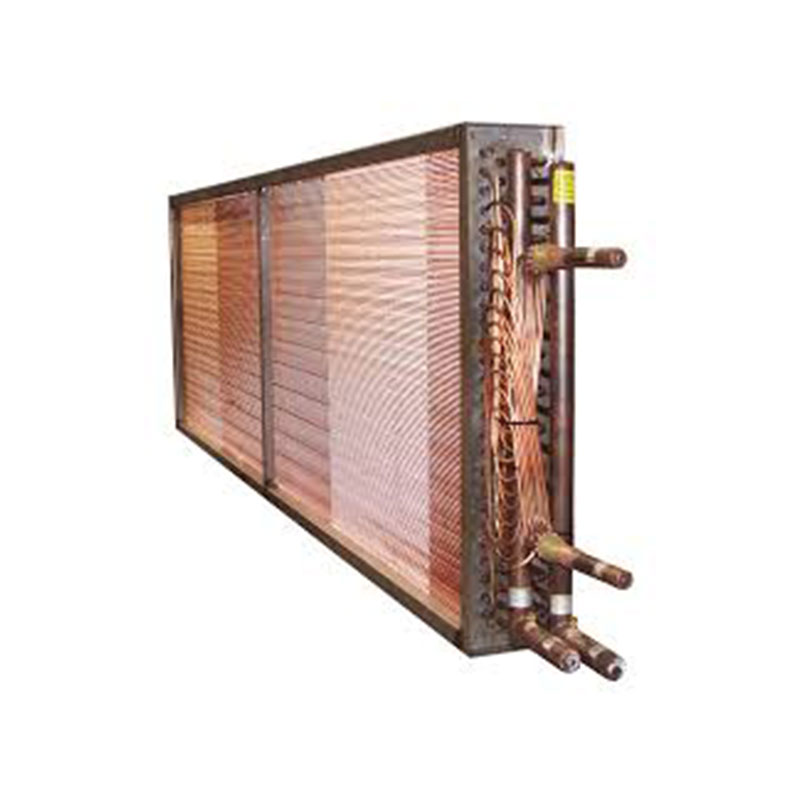
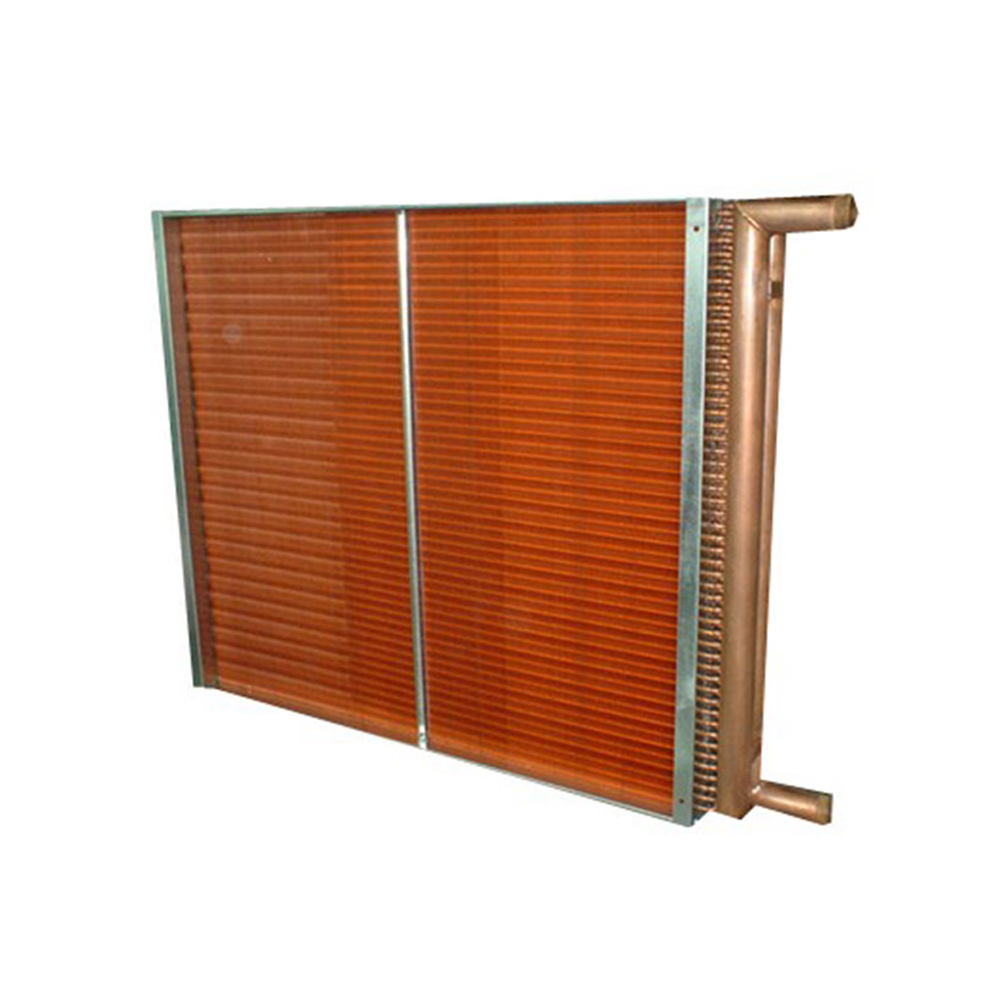
Let’s talk hardware. A typical cooling tower has a basin, fill media, drift eliminators, nozzles—lots of plastic, PVC, or in older ones, wood. That fill degrades, gets fouled, needs replacement. The water treatment system is another suite of components. A drycooler is fundamentally simpler: coils (usually aluminum fins on copper or stainless tubes), fans, and a frame. Fewer components mean less embodied carbon in manufacturing and less waste stream at end-of-life. I’ve been to sites decommissioning old towers; disposing of the treated wood and contaminated sludge is a project in itself.
Corrosion is the big enemy. In a drycooler, the coil is the battleground. In a clean, dry environment, they can last 20+ years. But I’ve seen coils in coastal or heavy industrial atmospheres get eaten alive in under a decade if the fin stock isn’t chosen correctly. That’s a sustainability failure—early replacement. Companies like Shanghai SHENGLIN M&E Technology Co.,Ltd, which as a leading manufacturer focuses on industrial cooling, often emphasize this. They’d push for epoxy-coated fins or all-aluminum microchannel coils in aggressive environments. It costs more upfront, but the lifecycle extension is the sustainable choice. It’s a judgment call based on real site conditions, not a spec sheet box-tick.
Then there’s the refrigerant circuit. In a chiller-drycooler system, you contain the refrigerant. In an old open-loop tower, you’re constantly losing water (carrying treatment chemicals) to the environment. The closed-loop nature of the drycooler system contains the potentially high-GWP refrigerant, minimizing risk of leakage. This containment aspect is a direct contributor to operational environmental safety, something that’s becoming a bigger part of sustainability reporting.
Integration and Control: Where Efficiency is Realized or Lost
The hardware is one thing; how you run it is everything. A drycooler’s sustainability contribution is massively leveraged by smart control. The classic mistake is running all fans at full speed based on a single high head pressure signal. You’re just burning kWh. Modern variable frequency drives on fans and integrating the drycooler control with the chiller’s microprocessor is key. Using ambient temperature to stage fans and enable free cooling (where the chilled water is cooled directly by the drycooler loop without compressor operation) is the holy grail.
I remember a retrofit at a pharmaceutical plant. They had the drycoolers but were running them like a simple condenser. We integrated a proper free-cooling changeover valve and a control sequence that looked at wet-bulb (for their old tower) and dry-bulb (for the new drycooler) economics, choosing the most efficient heat rejection path in real-time. The energy savings in the spring and fall months paid for the controls upgrade in two years. That’s sustainable operations: using intelligence to maximize asset efficiency.
The flip side is maintenance. If the coils get dirty, airflow drops, pressure rises, and efficiency plummets. Sustainability requires operational discipline. A simple quarterly visual inspection and scheduled coil cleaning—more important than many realize. I’ve seen efficiency degrade by 15-20% from a layer of dust and lint, forcing the compressors to work harder, wiping out the system’s carbon advantage. It’s not glamorous, but it’s real.
The Cooling as a Service Thought Experiment
This is where my thinking has been going lately. If we view sustainability as a total lifecycle footprint, then the business model matters. What if, instead of selling a drycooler, a manufacturer like SHENGLIN retained ownership and sold cooling capacity or heat rejection services? Their incentive shifts from selling a box to maximizing its longevity and efficiency. They’d spec the best corrosion protection, the smartest controls, the most robust fans—because they own the operational risk and the maintenance cost.
This aligns sustainability with business incentives. The client gets a predictable OPEX and a guaranteed performance, while the provider is driven to minimize total energy and resource use over 20 years. I’ve pitched this idea; the hurdle is capital accounting and risk-sharing models. But for true circular economy principles, moving from product to service is a powerful lever. The drycooler, with its simpler, more durable architecture, is arguably better suited to this model than a complex, water-dependent cooling tower.
It also changes the design philosophy. You might oversize the coil slightly for lower face velocity and fan energy, knowing the extra material cost is offset by a decade of lower power bills. You’d install better filtration from day one. These are the subtle, experience-driven choices that a spec sheet or a lowest-bid tender often misses, but which accumulate into significant sustainability gains over time.
Conclusion: It’s a System Play, Not a Silver Bullet
So, does a drycooler enhance sustainability? Yes, but conditionally. It’s a fantastic tool for reducing water consumption, chemical use, and operational water risk. It simplifies maintenance and can have a longer service life with the right materials. Its potential is fully unlocked with intelligent controls and proper integration to enable free cooling.
But it’s not automatically the green choice in every context. If it’s plopped down in a hot, dusty environment with no free-cooling control and cheap, coal-fired electricity, the overall carbon footprint might be worse than a well-maintained tower. The enhancement comes from a holistic view: local resource constraints, energy mix, system design, and—critically—how it’s operated and maintained over its full life.
The most sustainable projects I’ve been involved with treated the drycooler not as an isolated component, but as a core part of a system efficiency strategy. They paired it with high-efficiency chillers, variable primary flow, and building management system integration. That’s where you see the real numbers move. The hardware enables the strategy, but the strategy, born from practical experience and a few hard lessons, delivers the sustainability.