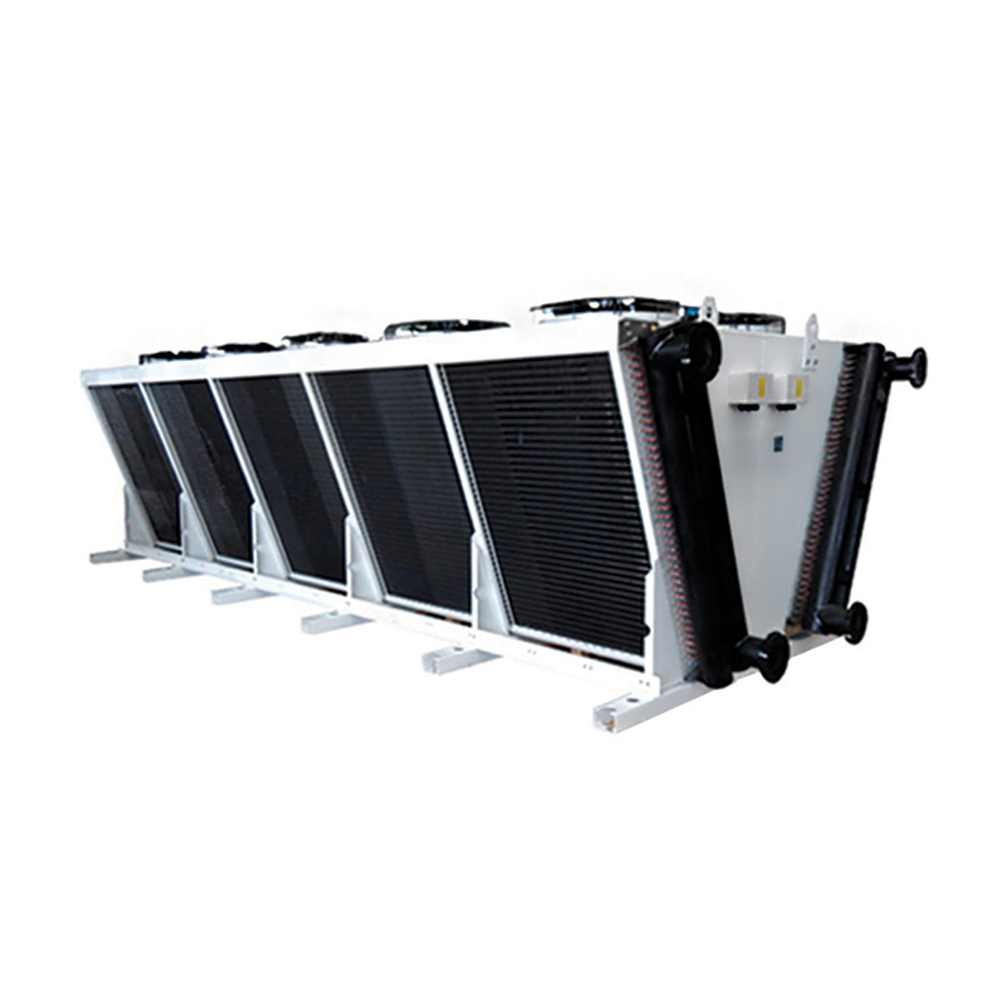
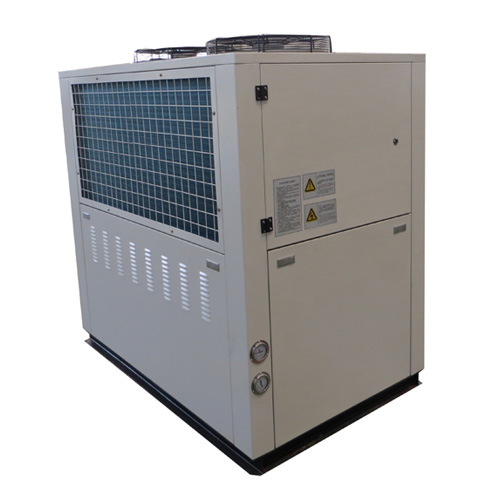
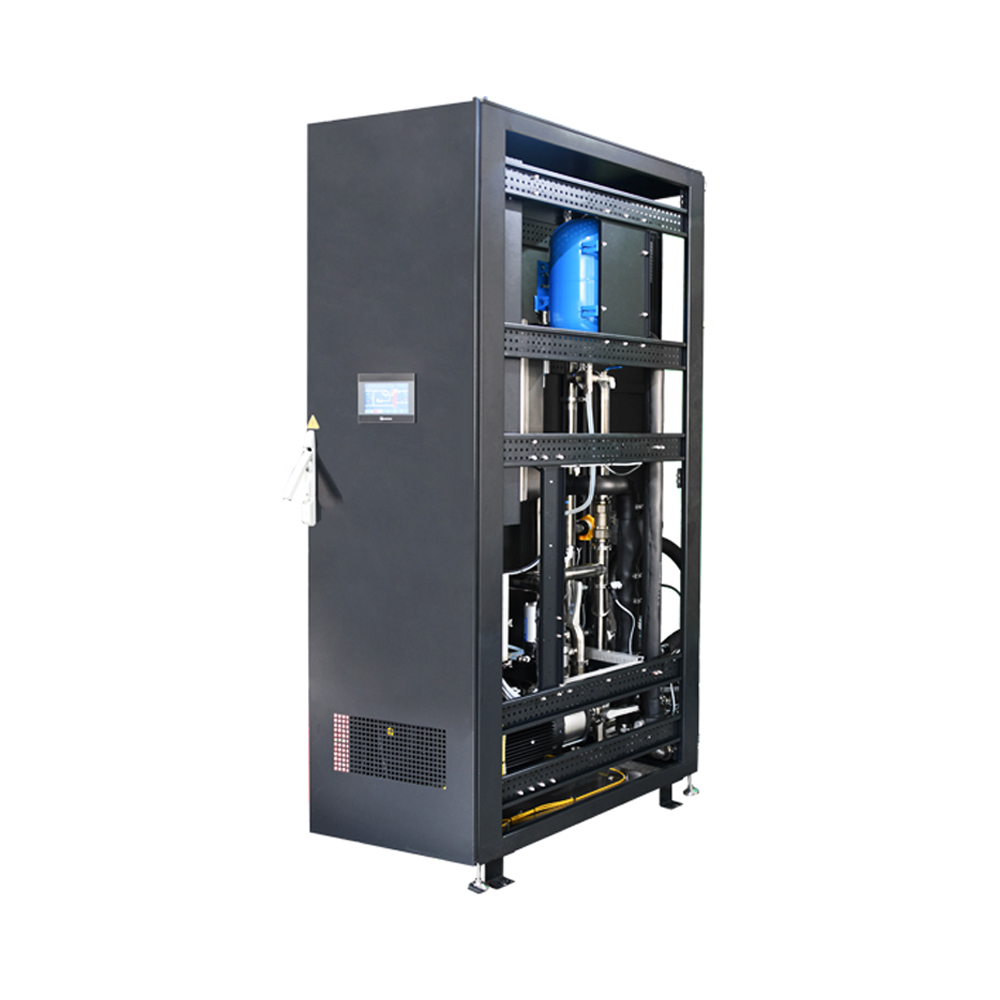
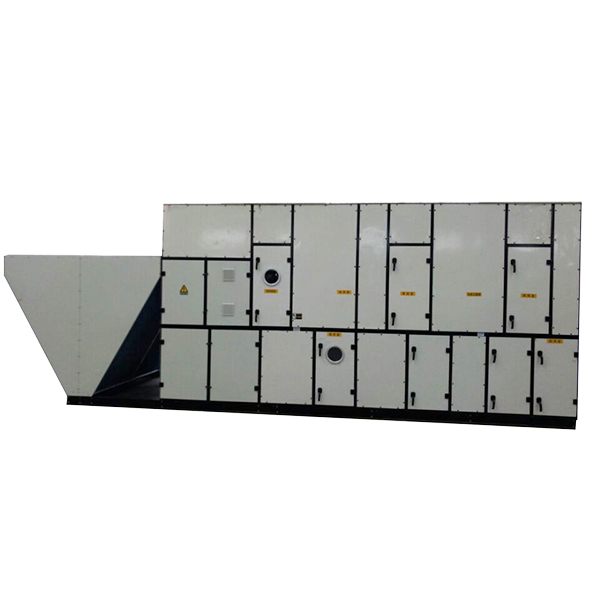
When people hear ‘sustainability’ in cooling, they often jump straight to chillers or evaporative systems. There’s a common misconception that dry coolers are just a simple, less effective box of fans and coils. I’ve seen specs where they’re treated as a fallback, not a strategic choice. But that’s missing the point entirely. The real boost to sustainability isn’t about a single magic bullet; it’s about how a dry cooler integrates into a system to cut water use, slash energy consumption over the lifecycle, and eliminate chemical treatment headaches. It’s a shift from active, resource-intensive cooling to smarter, passive rejection.
The Water Equation: Eliminating the Evaporative Loss
Let’s start with the obvious: water. In many regions, this is becoming the primary constraint, more pressing than electricity costs. A traditional cooling tower or evaporative condenser consumes massive volumes through evaporation, bleed-off, and drift. I recall a project in a data center in a water-stressed area—the local regulations on water withdrawal were becoming so tight that their expansion plans were stalled. Switching to a closed-loop system with a dry cooler was the only viable path forward. It’s a simple equation: zero evaporative loss. You’re not just saving on water bills; you’re removing the entire water procurement and treatment infrastructure from the operational burden.
This leads to another subtle but significant gain: no more water treatment chemicals. Anyone who’s managed a cooling tower knows the constant battle with biocides, scale inhibitors, and corrosion control. It’s an operational cost, an environmental disposal issue, and a maintenance risk. By moving to a dry cooler, you strip that layer of complexity out. The loop stays clean. I remember the relief on a facility manager’s face when we decommissioned their chemical dosing pumps—one less thing to fail, one less regulatory compliance worry.
There’s a caveat, of course. The trade-off is entirely on the thermal side. A dry cooler’s capacity is tied directly to the ambient dry-bulb temperature, not the more favorable wet-bulb. This means on a scorching 95°F day, your approach temperature and condensing pressure will be higher than with an evaporative unit. The key is not to see this as a pure like-for-like replacement, but to design the system around this characteristic from the outset.
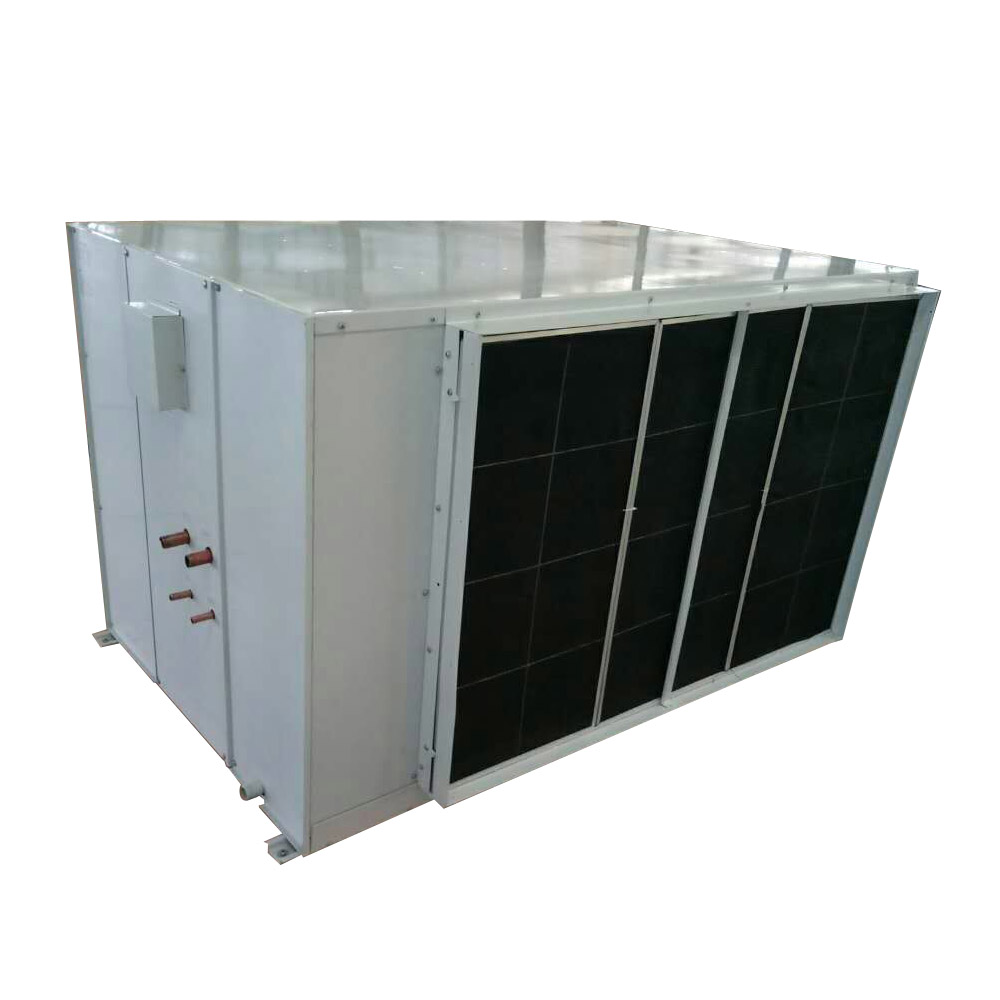
Energy Efficiency: It’s About the System, Not the Component
Here’s where the conversation often gets derailed. Looking at a dry cooler’s fan power alone and comparing it to a cooling tower’s fan and pump power might show a slight disadvantage for the dry cooler. But that’s a myopic view. The true sustainability gain is in the total system energy, especially for applications like process cooling or modern HVAC with inverter-driven compressors.
By maintaining a closed, clean loop, you enable the use of more efficient heat exchangers on the primary side. Fouling is virtually eliminated, so the system maintains its design approach temperature year-round. A fouled plate heat exchanger can kill your chiller’s efficiency by 15-20%. With a dry cooler loop, that degradation simply doesn’t happen. I’ve logged data from a brewery retrofit where they paired dry coolers with new chillers. The annual energy saving was around 18%, not because the dry cooler was super-efficient, but because the chillers ran at optimal condensing temperatures consistently, without the summer spike you’d get from an overtaxed tower.
The other lever is dry cooler control logic. The old method was simple staged fans. Now, with EC fans and modulating fan speed based on ambient temperature and system pressure, the parasitic power draw can be optimized dramatically. We implemented this on a manufacturing plant’s process cooling line. The fans rarely run above 60% speed except for the peak summer weeks. The energy curve is far flatter than the all-or-nothing profile of a traditional system.
Real-World Integration and Hybrid Approaches
You rarely deploy a dry cooler in isolation. The most resilient and efficient designs are often hybrid. I’m thinking of a project we did with a pharmaceutical plant. They needed guaranteed cooling for a critical process year-round. The solution was a dry cooler with an adiabatic pre-cooling section. For 80% of the year, it runs in dry mode. Only when the ambient climbs above a certain setpoint does the adiabatic mist system engage, effectively lowering the entering air temperature. This cuts the water use by over 80% compared to a full evaporative system while protecting capacity on the hottest days.
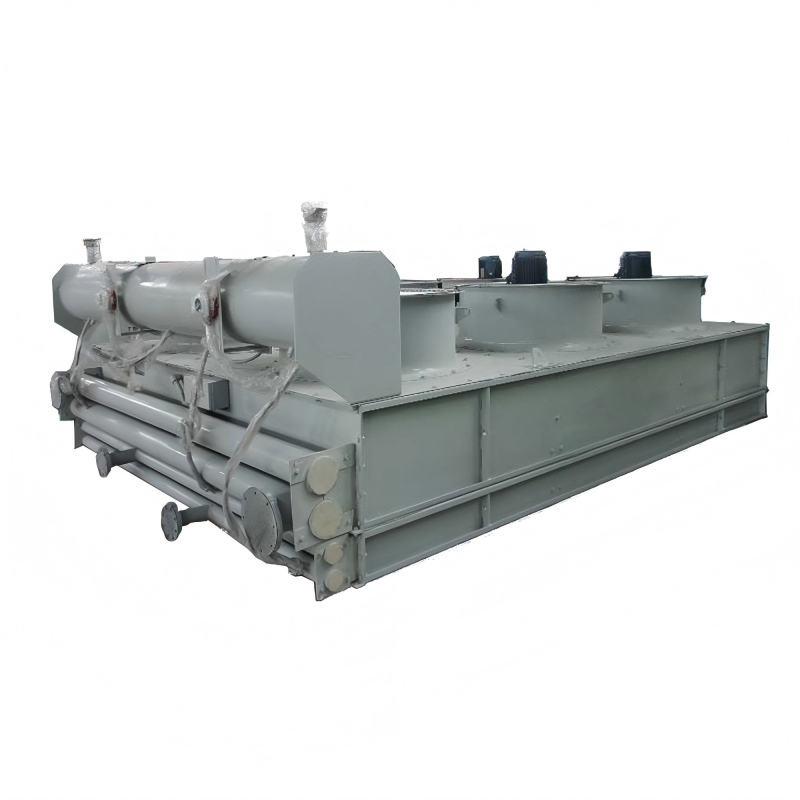
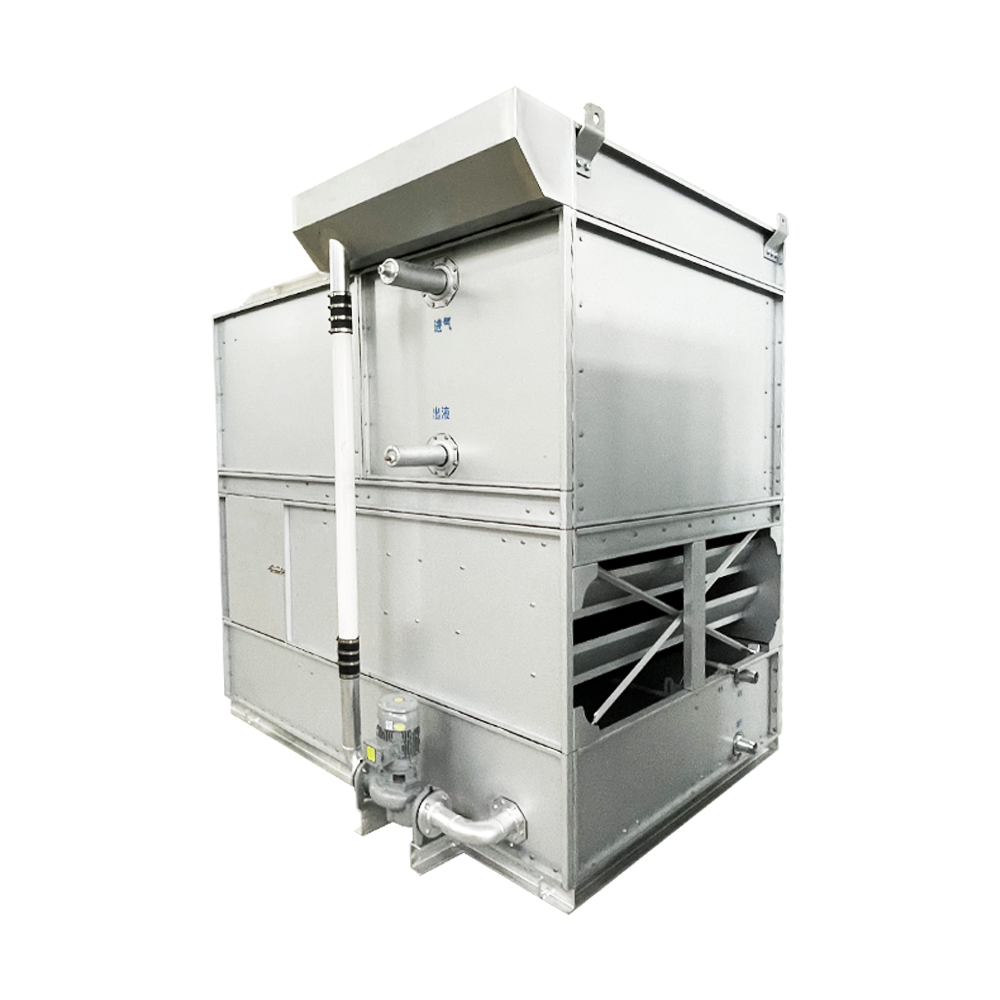
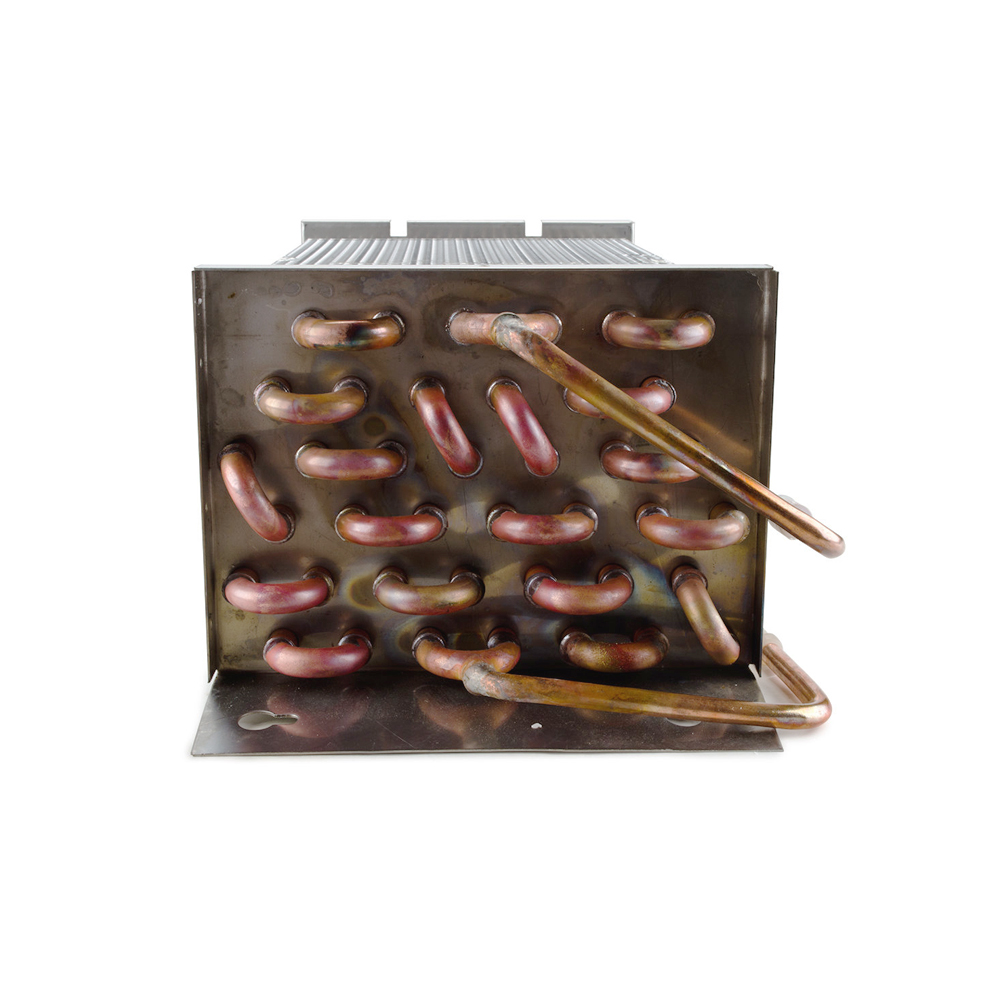
This is where product selection matters. You need a manufacturer that understands these nuances, not just a box builder. For instance, in our work specifying equipment, we’ve sourced from specialists like Shanghai SHENGLIN M&E Technology Co.,Ltd. Their focus on industrial cooling technologies means their dry coolers are built for these kinds of system integrations—robust coils for higher pressures, customizable fan walls, and controls that can talk to the broader BMS. Checking their portfolio at https://www.shenglincoolers.com, you can see the engineering is geared toward precise industrial applications, not just off-the-shelf HVAC.
A failure I’ve witnessed? Under-sizing. The temptation to save capital cost by trimming the coil surface area or fan capacity is huge. But a marginal dry cooler will force compressors to work harder for more hours of the year, wiping out any energy or water savings. The payback calculation must be done on total lifetime cost, not first cost. One facility cheaped out, and their chillers were running at elevated head pressure from April through October, eroding their projected savings in under two years.
Beyond Carbon: Reliability and Maintenance Footprint
Sustainability isn’t just about resources; it’s about longevity and reduced intervention. A well-maintained dry cooler can have a service life exceeding 20 years. There are fewer moving parts than in a complex chiller, and the maintenance is straightforward: cleaning the coils, checking fan bearings, and ensuring electrical connections are tight. This reduces the long-term material footprint—fewer replacements, fewer spare parts shipping around the globe.
From a reliability standpoint, eliminating water from the external heat rejection loop removes the risk of freeze damage in winter and legionella concerns year-round. In colder climates, you can even implement a free cooling cycle, where the fluid is cooled directly by the ambient air without running the chiller at all. I’ve seen this work brilliantly in a European data center, where the compressors are off for nearly 6 months of the year. The dry cooler becomes the primary cooling device. That’s a massive, direct cut to operational carbon emissions.
The takeaway is that the sustainability boost is systemic. It comes from designing the dry cooler as an enabling component for a cleaner, simpler, and more resilient thermal system. It forces you to think about integration, control, and total cost of ownership. It’s not the right answer for every single project—high humidity, low ambient locations can challenge the economics—but where it fits, it transforms the resource profile of a facility. It moves cooling from being a utility-intensive process to a more managed, predictable, and closed-loop operation. And in today’s context, that’s not just an engineering choice; it’s a strategic one.