You hear the term micro portable data center thrown around a lot these days, often interchangeably with containerized or edge solutions, and frankly, that’s where the confusion starts. In my line of work, I’ve seen vendors slap that label on anything from a ruggedized server rack on wheels to a glorified telecom shelter. The core idea, stripped of the marketing fluff, is a self-contained, pre-integrated compute and storage unit that’s significantly smaller than a traditional data hall, designed for rapid deployment and operation in non-traditional environments. It’s not just about size; it’s about the complete encapsulation of power, cooling, networking, and security into a single, transportable footprint. People often miss that the micro isn’t just a physical dimension—it’s a statement about operational scope and agility.
Beyond the Hype: The Real Components and Compromises
Let’s break down what’s actually inside. You’re looking at a dense packing of servers, switches, and storage, obviously. But the real engineering challenge, the part that separates a viable product from a fire hazard, is the thermal management. You can’t just scale down a CRAC unit from a big data center. In these confined spaces, heat density is insane. We’re talking about direct liquid cooling or highly optimized, fault-tolerant air systems that can handle a hot aisle hitting 40°C+ without breaking a sweat. I’ve been in units where the cooling solution was an afterthought, and the result was constant thermal throttling and hardware failures within months. The power distribution is another beast—it needs to be flexible enough to plug into a variety of sources, from a standard industrial outlet to a generator, with clean, stable conversion. It’s this integration of power, cooling, and IT that defines a true micro data center, not just the servers themselves.
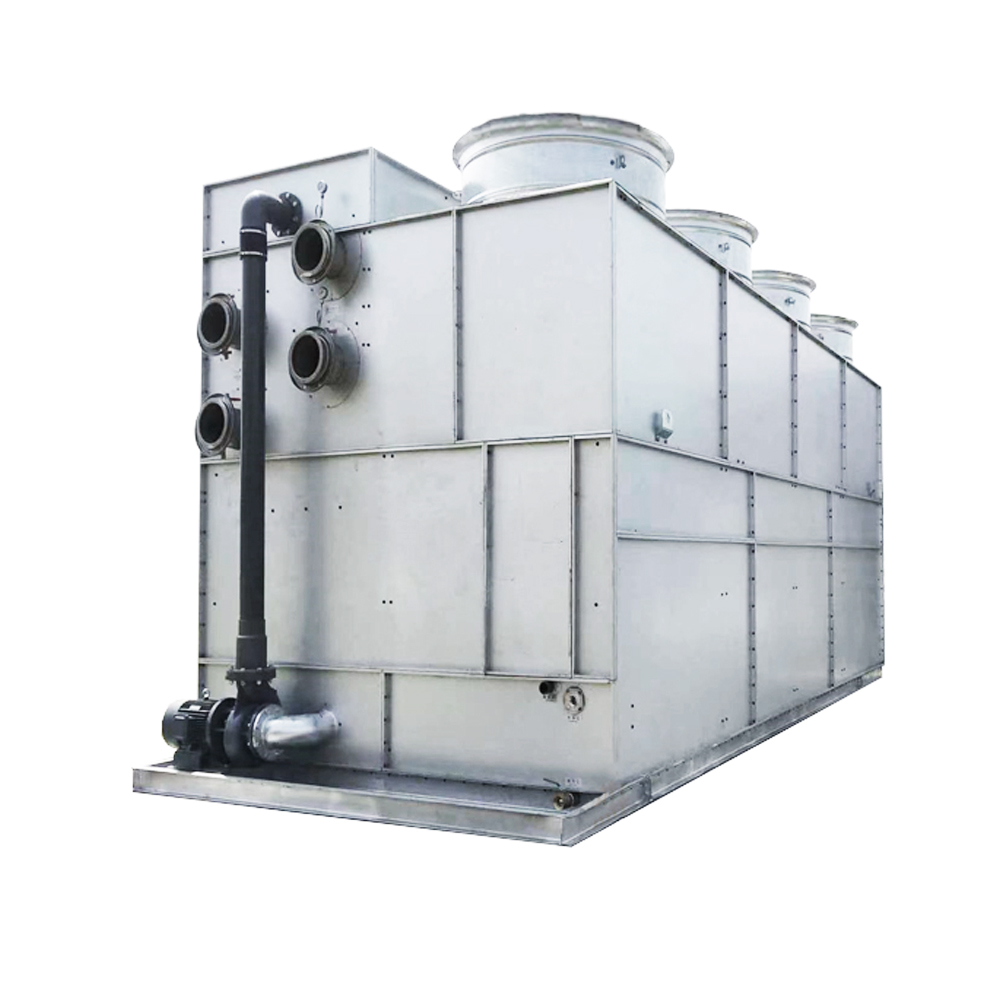
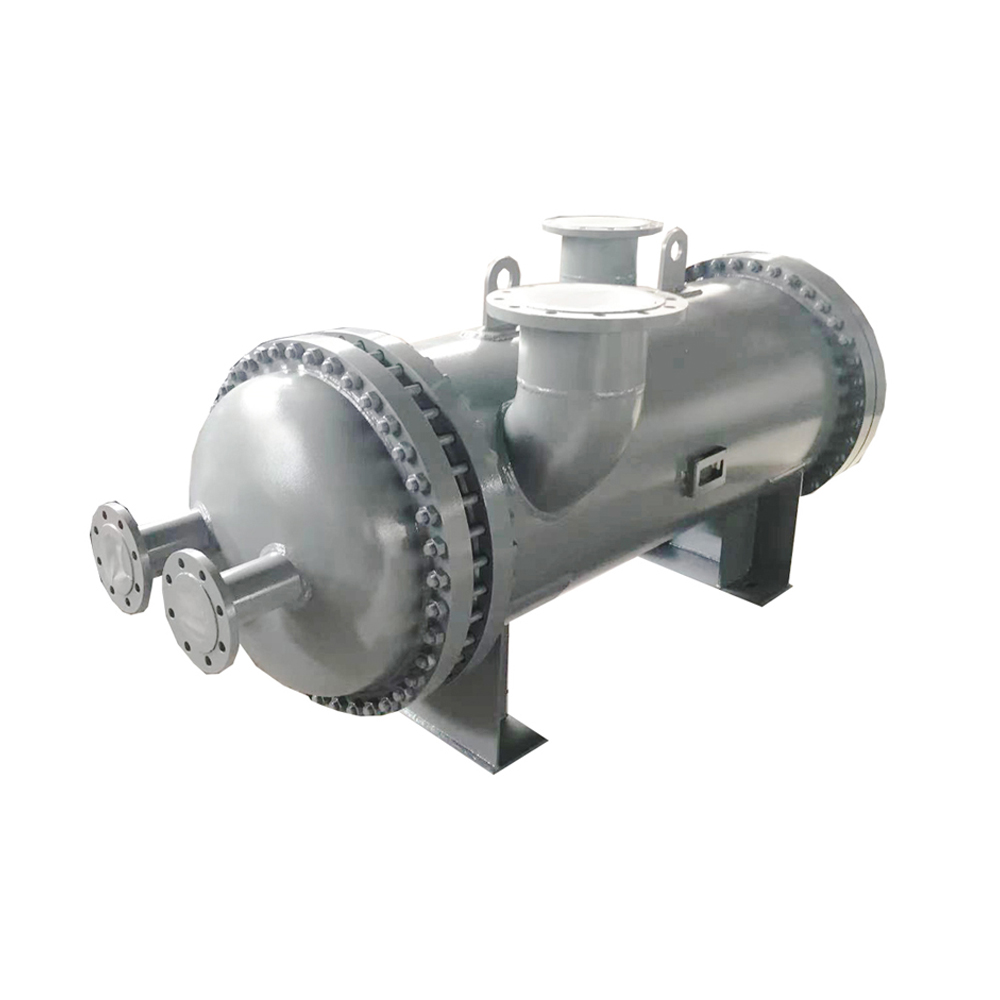
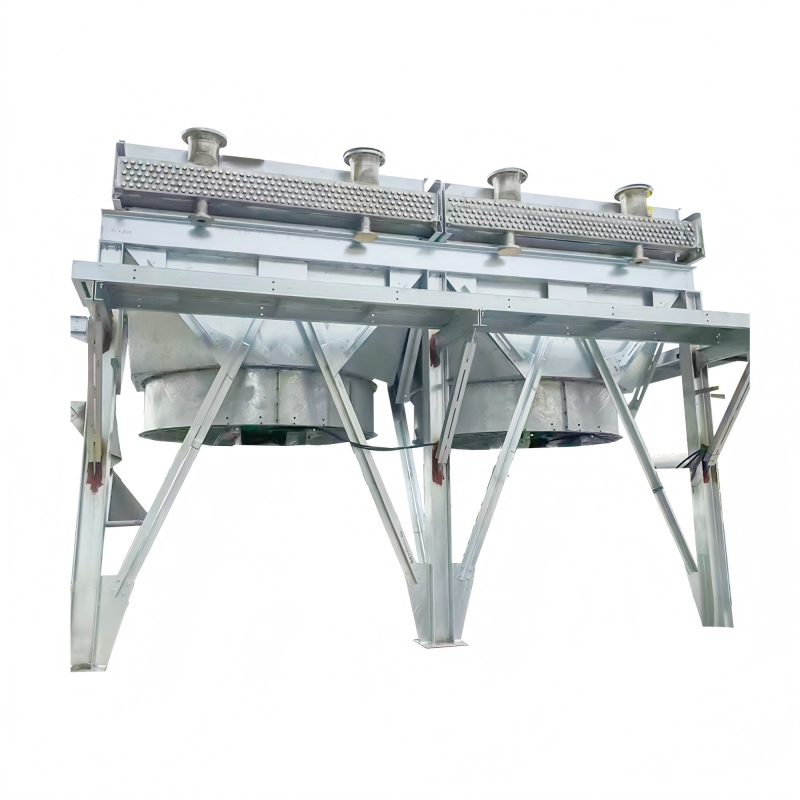
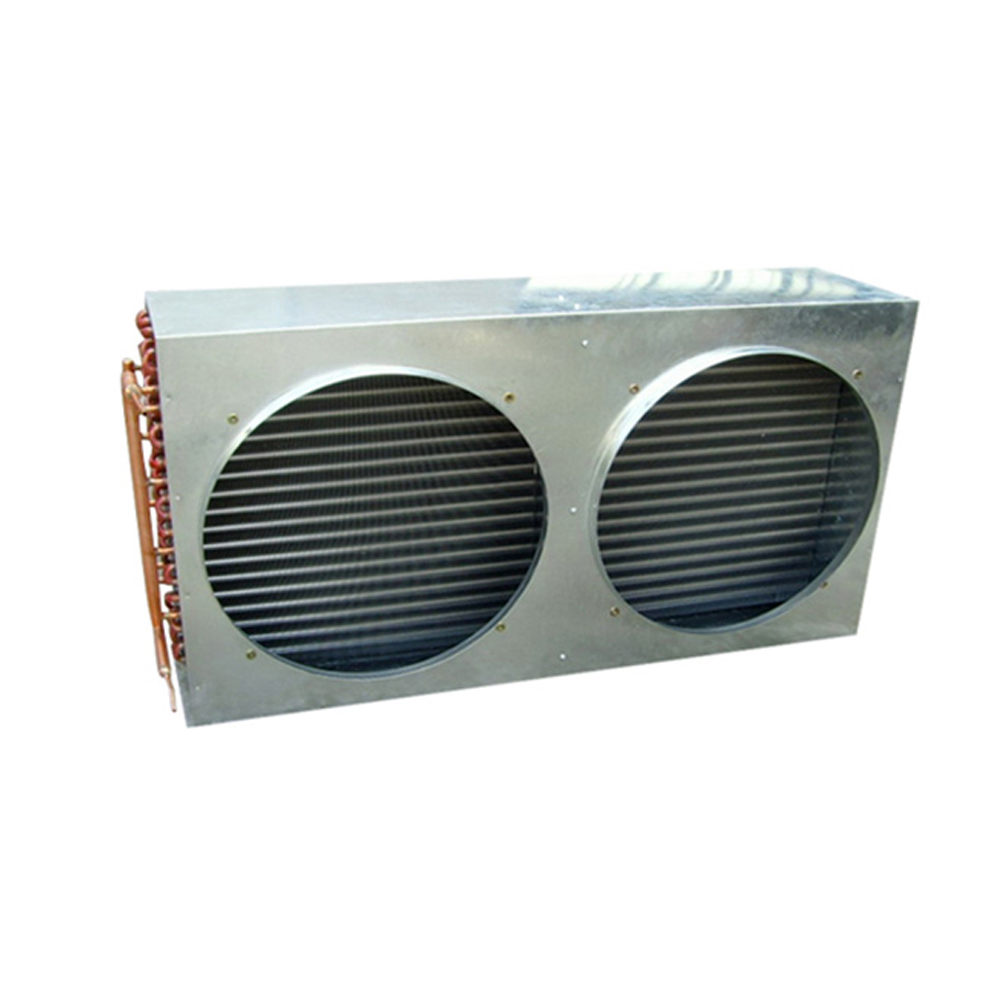
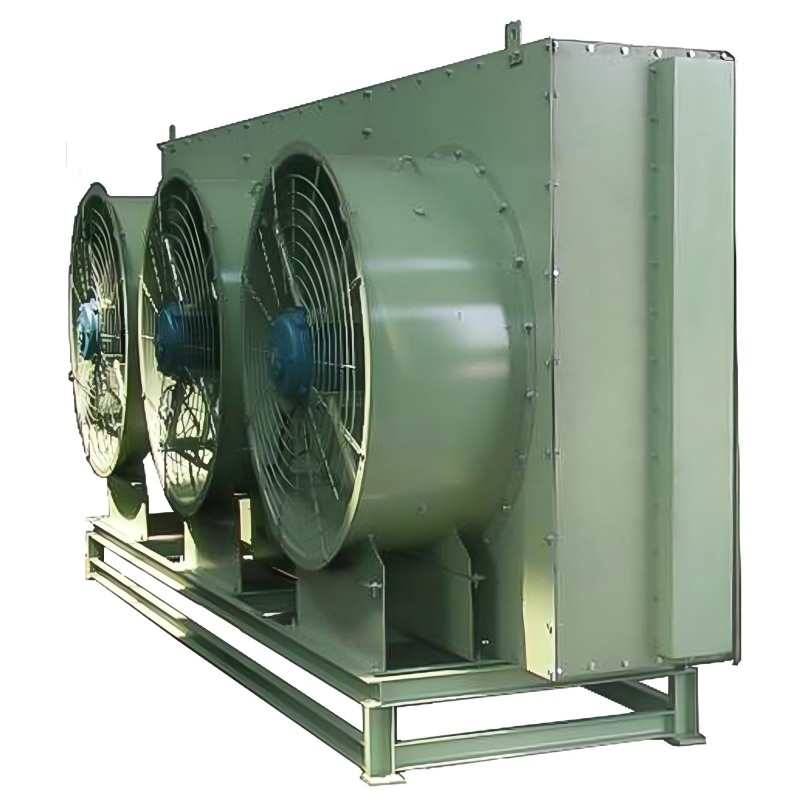
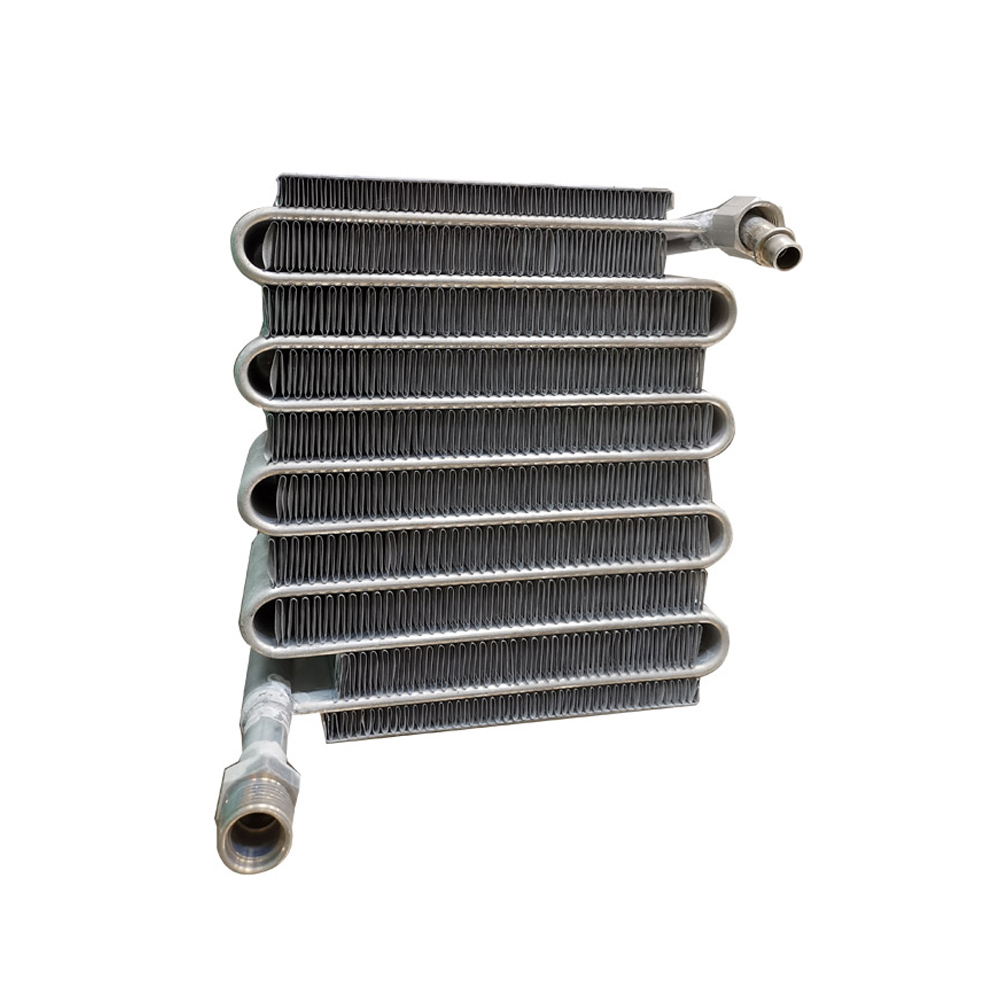
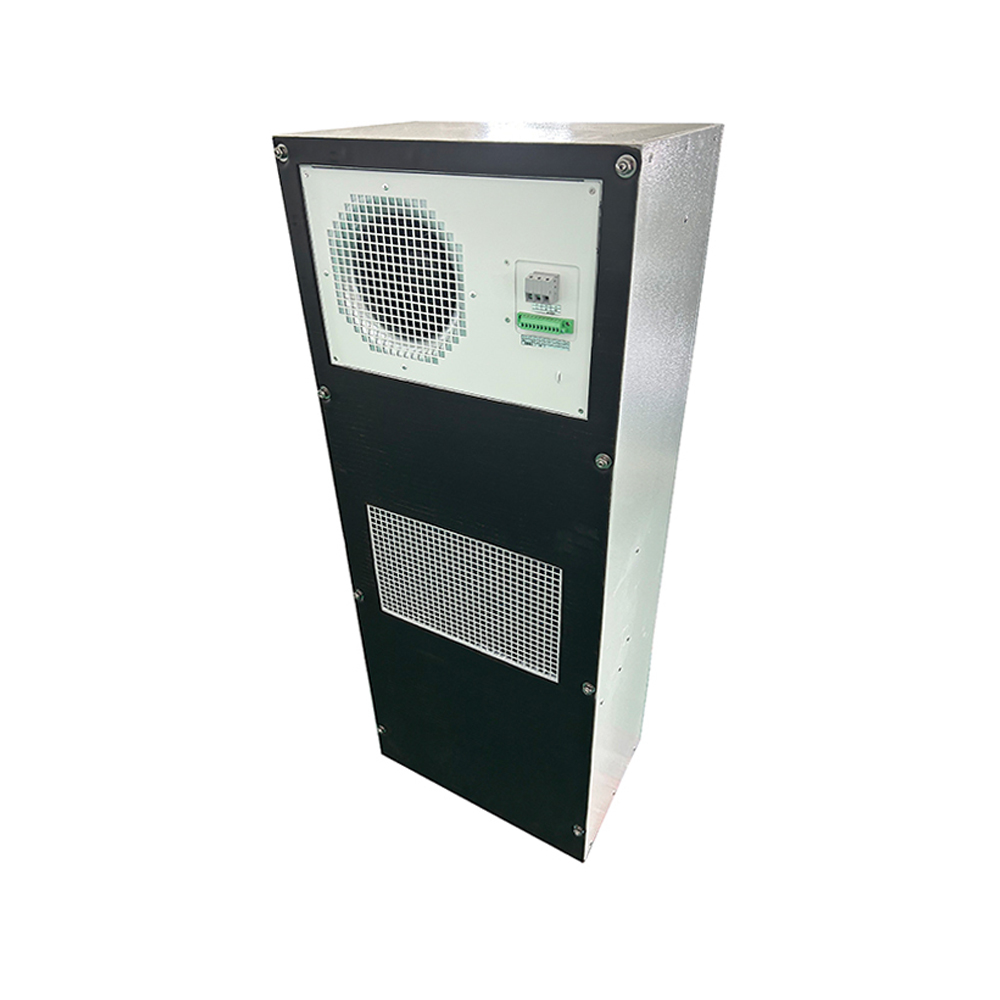
I remember evaluating a unit a few years back that prioritized compute density above all else. The specs on paper were fantastic. But they used a standard commercial-grade in-row cooler that couldn’t cope with the actual load variance. The internal ambient temperature would swing wildly based on server utilization, creating a reliability nightmare. That’s a classic pitfall: treating the cooling as a commodity component rather than the core system it is. Companies that get this right, like SHENGLIN in the industrial cooling space, understand that the cooling technology is not ancillary; it’s foundational. Their approach to precision air handling and heat rejection for industrial processes translates directly into the robust thermal control these micro-units desperately need. You can see that engineering mindset in units designed for stability, not just peak performance.
Then there’s the physical shell. Portable means different things. Is it skid-mounted, containerized (ISO or custom), or on a trailer? Each choice trades off mobility for infrastructure dependency. A skid-mounted unit might be portable once with a forklift, but it’s really meant for semi-permanent placement. A trailer-mounted one can be moved more easily but introduces vibration and leveling issues. I’ve seen a deployment delayed by weeks because the site prep for a plug-and-play container wasn’t properly assessed—the ground wasn’t level, and the power drop was 50 meters farther than planned. The portability promise often clashes with the reality of site readiness.
Where They Actually Make Sense (And Where They Don’t)
The textbook use case is edge computing: a retail store needing local inventory processing, a factory floor for real-time machine vision analytics, or a remote site for oil and gas exploration. The value proposition is clear: low latency, data sovereignty, and operational continuity with limited or intermittent connectivity. We deployed a micro unit for a coastal environmental monitoring network. It had to run on solar/battery hybrid power, withstand salt spray, and process sensor data locally before syncing compressed summaries to the cloud. It worked because the workload and environment were specifically scoped.
However, I’ve been involved in projects where they were a terrible fit. A client wanted to use them as a rapid capacity expansion for their core data center, lured by the faster procurement timeline. They didn’t account for the operational overhead—managing dozens of distinct physical units, each with its own small-footprint but separate management interface, security perimeter, and spare parts inventory, became a logistical monster compared to scaling a traditional hall. The TCO ballooned after year two. They’re not a silver bullet for all capacity problems.
Another less-discussed scenario is disaster recovery and temporary events. We used a trailer-mounted micro data center to support a major sporting event. It worked, but the noise and heat exhaust became a huge issue in the planned urban location, forcing a last-minute relocation. The lesson was that portable also means you have to think about where you’re porting it to—its environmental impact on the immediate surroundings is magnified.
The Deployment Gotchas No One Talks About
Procurement and delivery are the easy parts. The real work starts on-site. First, access. Can a heavy truck with a 40-foot container actually reach the deployment spot? I’ve had a unit stuck because a bridge had an unposted weight limit. Second, power hookup. Even if the unit has an integrated UPS and PDU, you need a qualified electrician to run the feed from the local source, which might require its own permits and inspections. This last mile of utility connection is almost never as simple as the brochures show.
Then there’s remote management. You’re not staffing these locations with IT personnel. So the out-of-band management, the environmental monitoring (smoke, water, temperature, access), and the ability to perform a hard reboot remotely are critical. We learned this the hard way when a switch in a remote unit locked up. The only way to reset it was a physical power cycle, and the nearest staff member was a four-hour drive away. Downtime for a high-availability edge node was 8 hours. Now, we insist on dual, independent management paths, often cellular as a backup to wired.
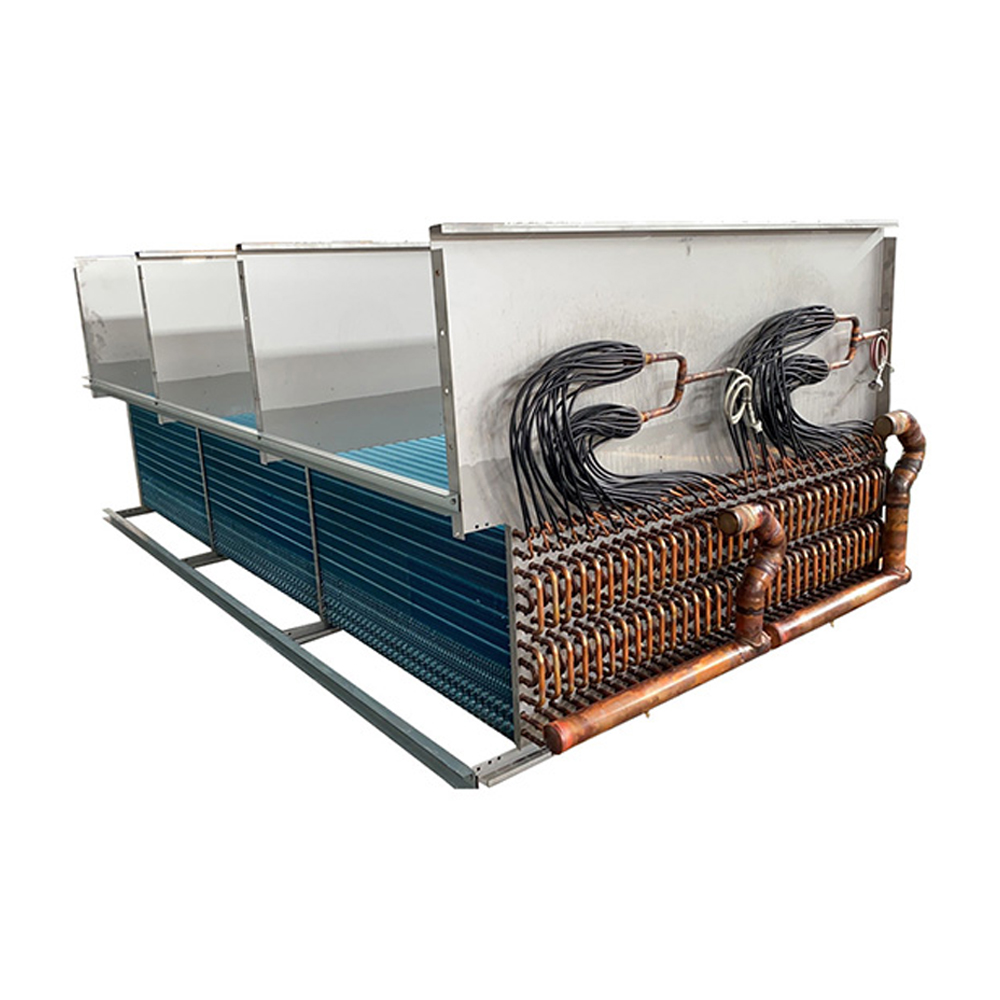
Thermal management, again, rears its head during deployment. The cooling system is designed for a specific ambient range, say 0°C to 40°C external. Deploying one in a Middle Eastern summer where external temps hit 50°C requires a different condenser design or a shaded, ventilated enclosure. It’s not a one-size-fits-all component. This is where partnering with a specialist manufacturer pays off. A company like Shanghai SHENGLIN M&E Technology Co.,Ltd, which focuses on industrial cooling tech, would have the application engineering expertise to specify or customize the cooling module for that extreme environment, rather than offering an off-the-shelf unit that would fail under load. Their portfolio at https://www.shenglincoolers.com shows a depth in tackling challenging thermal problems, which is exactly what these edge deployments are.
The Evolution and the Adjacent Niche
The market is maturing. Early units were often standard servers crammed into a box with a basic air conditioner. Now, we’re seeing more purpose-built designs with computational storage, GPU sleds, and even integrated 5G radios. The line between a micro data center and a sophisticated network appliance is blurring. There’s also a push towards hyper-converged software stacks pre-loaded, so the unit truly is a data center in a box that comes online with minimal configuration.
An interesting adjacent niche is the modular, data center as a product approach for smaller permanent installations. Think of a bank branch or a clinic that needs a resilient local IT room but lacks the expertise to build one. Companies are offering pre-fabricated, room-sized modules that arrive with everything installed. It’s the same principle as the micro portable unit—pre-integration and testing—but at a slightly larger, permanent scale. The knowledge gained from building and deploying the truly portable units is directly feeding into these designs.
Looking ahead, the biggest constraint might become sustainability. The PUE of a micro-unit can be terrible compared to a large, optimized data center because of the physics of small-scale heat removal. As energy costs rise and carbon reporting becomes stricter, the efficiency of these edge nodes will come under scrutiny. The next wave of innovation won’t just be about packing more compute in; it’ll be about doing it with less energy waste, likely driving even more adoption of direct liquid cooling and intelligent power capping at the edge.
Final Take: A Tool, Not a Revolution
So, what are they? Micro portable data centers are a highly specific tool. They solve the problem of placing substantial compute power in a location where you cannot, or should not, build a traditional data center. Their value is in speed-to-deployment, environmental hardening, and integrated management. But they introduce new complexities in logistics, lifecycle management, and operational overhead.
The key to success is ruthless specificity in the requirements. Define the workload, the physical environment (temperature, humidity, access, power source), the connectivity constraints, and the remote hands-off operational model before you look at vendors. And never, ever treat the cooling as an afterthought. It is the linchpin. As the industry pushes compute further to the edge, the lessons from these micro deployments—about integration, resilience, and manageability—are shaping the future of distributed infrastructure far beyond the portable label. It’s a fascinating space to work in precisely because it’s messy, practical, and far from settled.