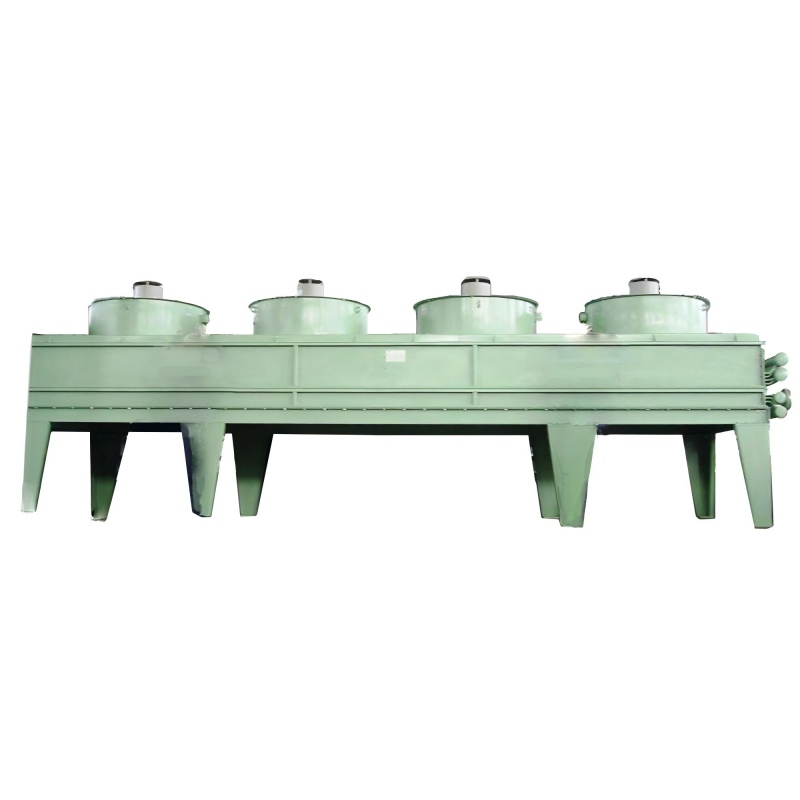
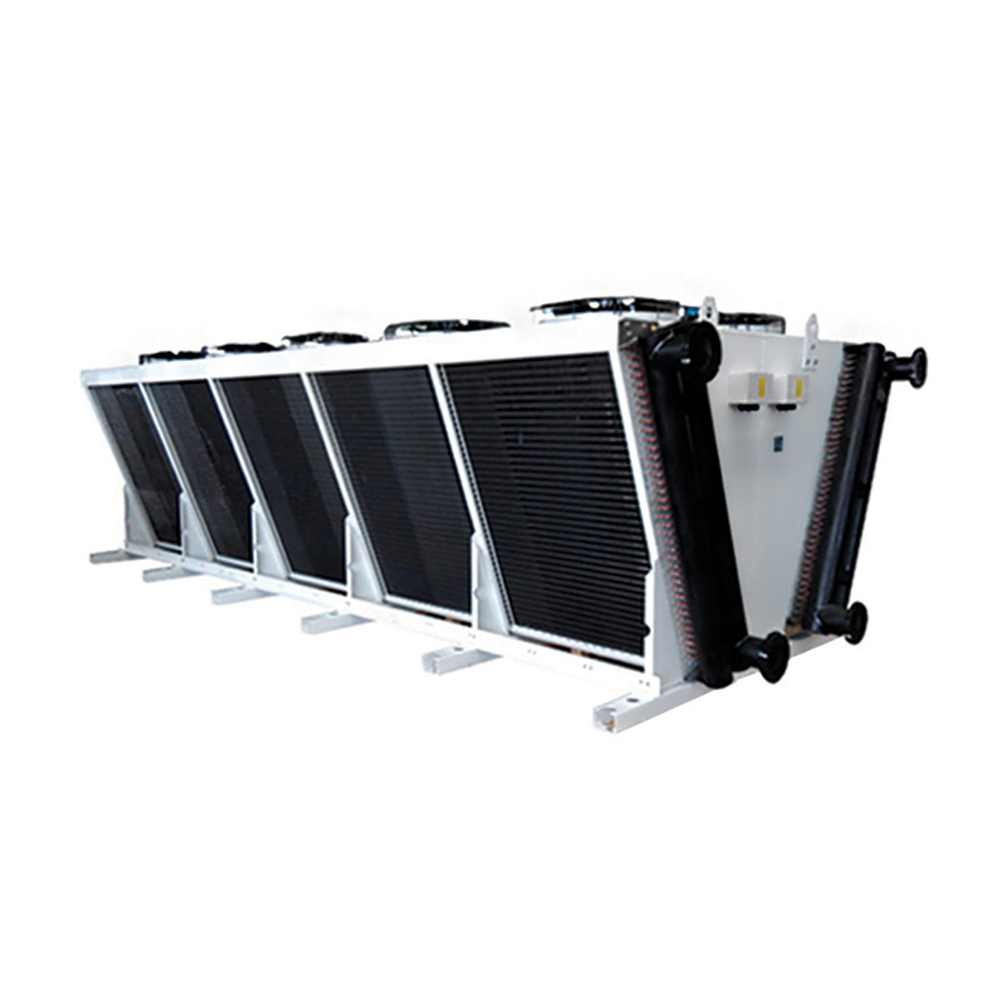
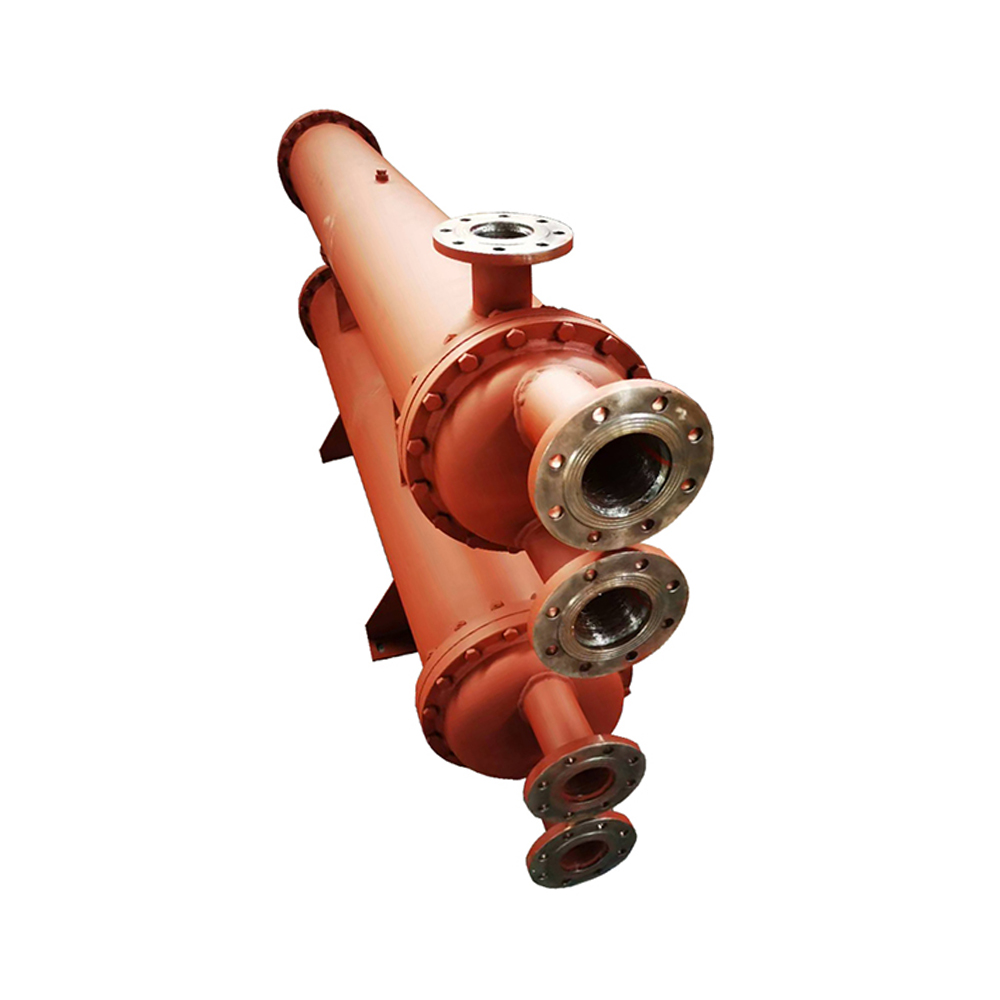
You see LT-HT radiators pop up in specs for heavy-duty industrial cooling, and there’s a common trap: folks often just lump them together with standard heat exchangers. That’s a quick way to bottleneck a system. The ‘LT-HT’ tag isn’t just marketing fluff—it hints at a design meant to handle a wider operational envelope, from lower to higher temperature differentials, without falling apart. But that inherent flexibility can backfire if you treat maintenance as an afterthought. I’ve seen plants where the efficiency just slowly bled away over two seasons because the approach was install and forget. The core thing is, these units are workhorses, but they’re not magic. Their performance hinges on a couple of non-negotiable practices.
The Efficiency Game Isn’t Just About the Nameplate
Everyone looks at the thermal rating first. Sure, that’s key. But with LT-HT designs, especially in variable load applications, the real efficiency is often dictated by how well you manage the air and water sides in tandem. I remember a project with a Shanghai SHENGLIN M&E Technology Co.,Ltd unit for a plastic molding plant. The radiator itself, a robust LT-HT model, was spec’d perfectly. But the initial efficiency was underwhelming. The issue? The plant team had focused solely on the coolant loop temperature, ignoring the airflow path. They had installed the unit in a spot with partial recirculation—hot exhaust air was being sucked right back in. We relocated it to ensure a clear, cool air intake, and the delta-T improved dramatically. The lesson: the radiator’s capability is only as good as its installation environment. You can’t just bolt it on and expect the published numbers.
Another nuance is the fin design. LT-HT models often use lower fin density than, say, a high-temperature-only unit. This isn’t a manufacturing shortcut; it’s intentional. The spacing helps prevent rapid clogging in environments with moderate airborne debris, which is common in many industrial settings. It’s a trade-off for maintainability over peak, lab-condition efficiency. If you try to push for ultra-high fin density in a dusty environment for a marginal theoretical gain, you’ll be cleaning it every month, and your actual uptime efficiency plummets. I learned this the hard way early on, specifying a super-high-efficiency core for a foundry. It was a maintenance nightmare within weeks.
Water quality is the silent killer of efficiency. Scale formation on the tube side is a gradual thief. It doesn’t just reduce heat transfer; it also increases flow resistance, forcing your pumps to work harder. For LT-HT systems, where you might be dealing with wider temperature swings, the thermal stress can exacerbate scaling if the water isn’t treated. A simple, regular conductivity check on the coolant can tell you more about your system’s future efficiency than most fancy monitoring dashboards. It’s boring, but it’s critical.
Maintenance: It’s About Rhythm, Not Heroics
The biggest mistake is waiting for a problem—like an overtemperature alarm—to act. Maintenance for these radiators needs to be rhythmic and predictive, based on the operating environment. For the air side, it’s visual. A quarterly walk-by to check for debris buildup on the fins is minimum. In a cotton mill or a wood workshop, it might need to be monthly. I keep a high-power LED flashlight just for this—you’d be surprised what you miss in ambient plant light. A soft bristle brush and low-pressure air from the inside out is the standard drill. Never use high-pressure water from the outside in; you’ll just bend the fins and pack the dirt deeper.
The internal tube bundle is trickier. You can’t see it. Here, the maintenance is more about monitoring. Tracking the pressure drop across the radiator’s water loop over time gives you the clearest picture. If you see a steady creep in the differential pressure for a constant flow rate, you’re likely building up scale or sludge. Chemical flushing might be needed, but the protocol depends heavily on the tube material (copper, stainless, etc.) and the solder. This is where having a good relationship with the manufacturer pays off. For instance, checking the technical resources on a site like https://www.shenglincoolers.com can give you the specific do’s and don’ts for your unit’s construction. Blindly using an aggressive acid flush can do more harm than good.
Don’t neglect the structural bits. Vibration is a constant in industrial plants. Check mounting bolts annually for looseness. Inspect the fan blades for cracks or imbalance—a wobbly fan destroys bearings and shakes the whole assembly loose. Grease the fan motor bearings according to the motor manufacturer’s schedule, not the radiator’s. These are simple, ten-minute jobs that prevent catastrophic, days-long downtime. I’ve seen a $15,000 radiator damaged because a $2 fan bearing seized and threw a blade through the core.
When Good Enough Isn’t: The Selection Pitfall
Efficiency and maintenance start at the purchase order. A common pressure from procurement is to go for a standard, slightly undersized unit because the price is better. It meets the minimum BTU requirement, they say. For an LT-HT application, that’s a dangerous compromise. These systems often face peak loads that are well above average. If the radiator is sized too close to the edge, it will run at its maximum capacity constantly, leaving no thermal headroom. This stresses every component, accelerates fouling, and means the fans are screaming at 100% duty cycle all the time, killing their lifespan. You want a unit that can handle your peak load at around 80-85% of its capacity. That headroom is where efficiency and longevity live. A specialist like SHENGLIN, which focuses on industrial cooling technologies, typically designs with this operational buffer in mind, unlike some general-purpose suppliers.
Material choice is another upfront decision with long-term maintenance consequences. Copper fins and tubes offer great thermal conductivity but can be more susceptible to certain corrosive atmospheres. Aluminum fins with coated tubes might be a better fit for coastal or chemically harsh environments, even if the upfront thermal performance is a tick lower. The trade-off is decades of service versus replacing a corroded core in five years. You have to know your plant’s air quality.
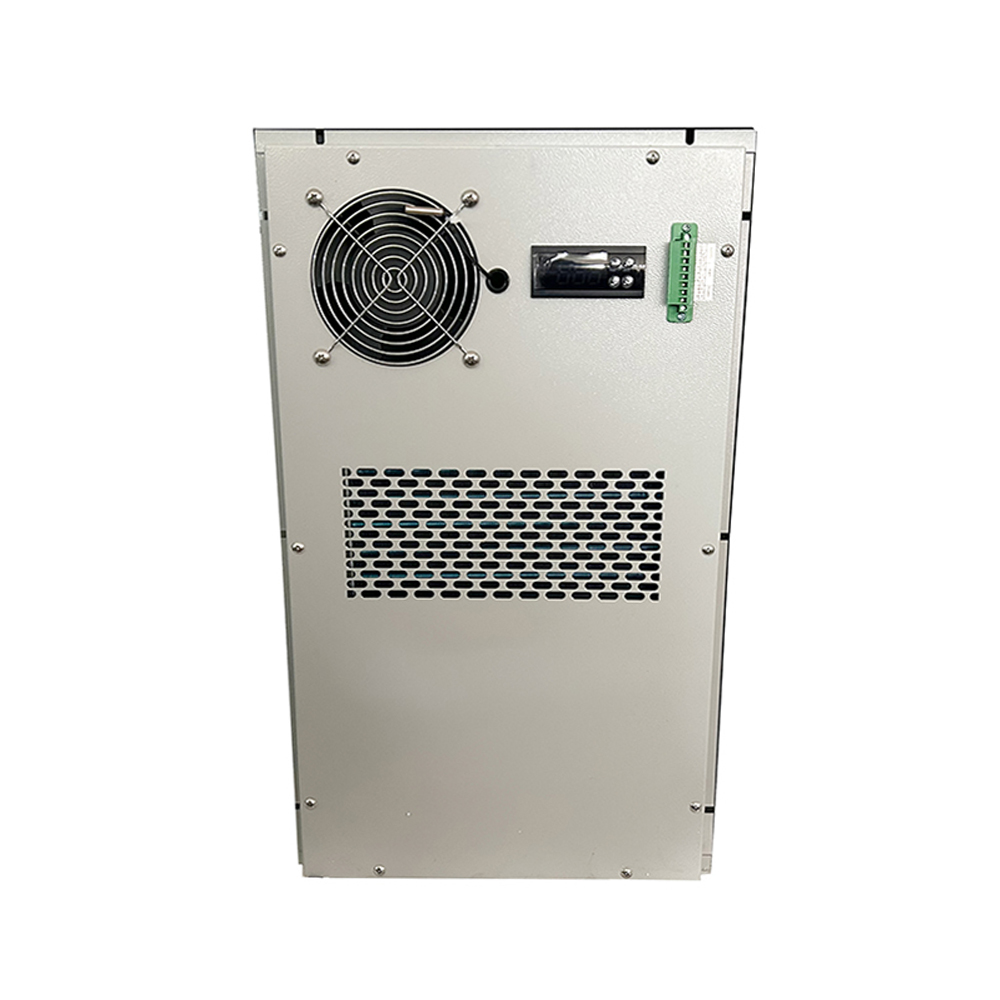
The Fan and Drive Conundrum
Often, the radiator core is fine, but the forced draft system is the weak link. Single-speed AC fans on simple contactors are cheap but terribly inefficient for variable loads. They’re either on or off, causing temperature swings and wasting power. The move is towards EC (electronically commutated) fans or variable frequency drives (VFDs) on the fan motors. The efficiency gain here can be massive—sometimes paying for the upgrade in under two years through energy savings. But it adds complexity. VFDs need clean power and can be sensitive to heat. I’ve had to install small auxiliary cooling fans just to keep a VFD cabinet cool in a hot mechanical room. It’s an extra layer, but it makes the whole LT-HT radiator system smarter and more adaptable.
Belts vs. direct drive. Old-school belt-driven fans are still out there. They allow for easy fan speed adjustment by changing pulley sizes, but they require tension checks, belt replacements, and alignments. Direct-drive EC fans eliminate all that, with the motor integrated into the hub. Fewer moving parts, less maintenance. The industry is clearly shifting this way for a reason. The initial cost is higher, but the total cost of ownership usually wins.
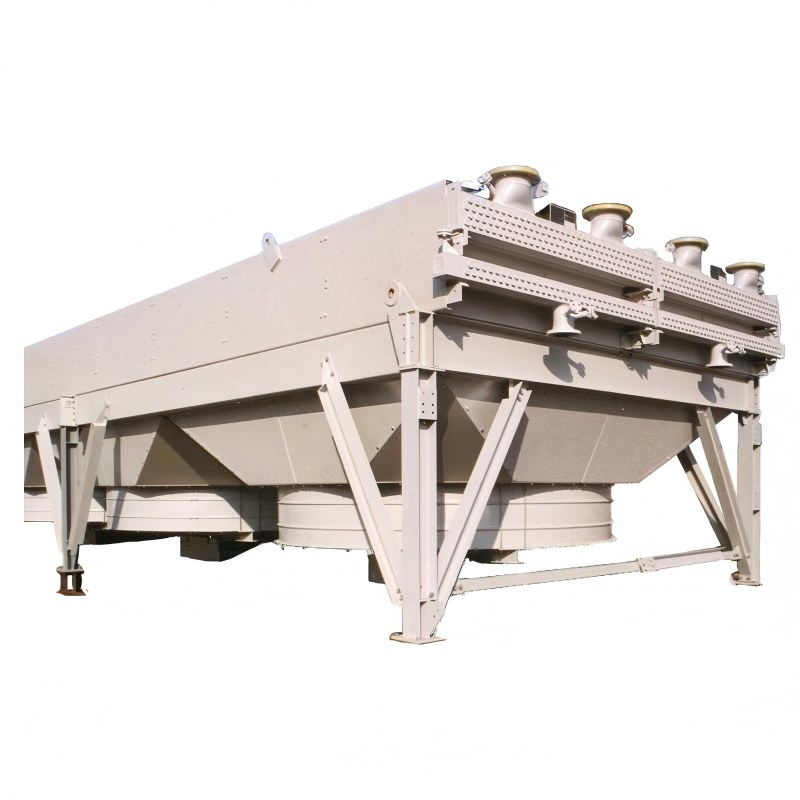
Putting It All Together: A Real-World Check
So what does this look like in practice? Let’s say you have a hydraulic power unit that cycles between high and low loads, with oil temperature critical. You’ve chosen a properly sized LT-HT radiator from a reputable maker. You’ve installed it with clean airflow. Now, your maintenance log should have simple, scheduled entries: Monthly: Visual air-side check. Quarterly: Record pressure drop across the core; check fan and motor for unusual noise/vibration. Annually: Check all electrical connections for tightness; verify fan motor lubrication per its manual; inspect structural welds and mounts. That’s it. No heroic disassembly. The goal is to catch the slow drift away from baseline performance.
The efficiency story is similar. It’s the sum of these small, consistent actions: keeping fins clean, maintaining water quality, ensuring the fan system modulates properly, and not over-stressing the unit. The radiator itself is just a chunk of metal. Its performance is a living metric, shaped by its environment and your attention to it. Ignoring that turns a precision component into a very expensive piece of scrap. The best units, like those from experienced manufacturers, forgive some neglect, but they won’t reward it. They’ll just quietly cost you more in energy and, eventually, in an unplanned shutdown that could have been avoided with a flashlight and a pressure gauge.