Let’s be honest: most people think radiator maintenance is just about keeping it clean. That’s where they’re wrong. It’s a system, and efficiency bleeds away from a dozen tiny cuts if you’re not looking at the whole picture.
The Core Misconception: Cleanliness vs. Condition
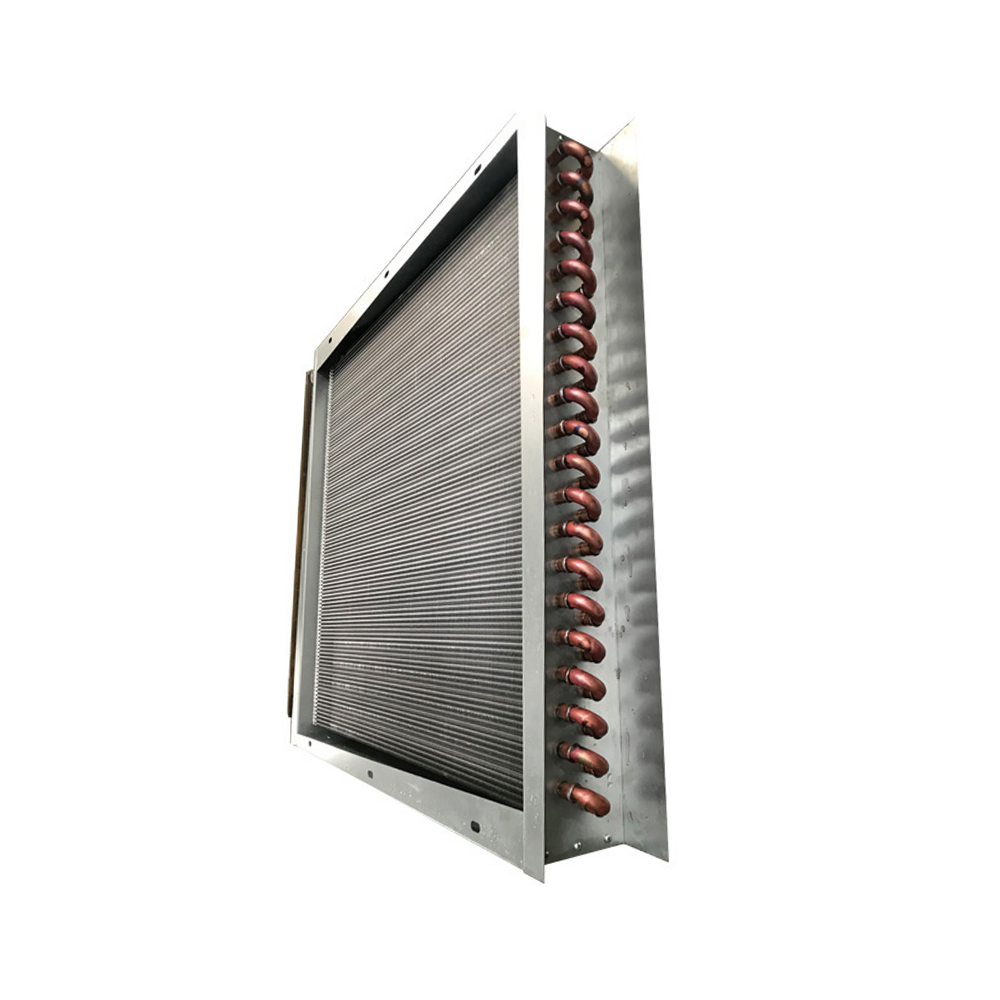
Sure, you blast the fins with air or water. But are you checking for fin damage? I’ve seen sites where the core looks clean from the front, but a side glance reveals entire rows bent over from a careless pressure washer nozzle. That’s a permanent airflow block. Cleaning isn’t a one-step job; it’s an inspection trigger. You have to get your hands in there, feel for soft spots in the tubes that might indicate internal corrosion, and look for oil or fuel traces that point to leaks elsewhere in the system.
Then there’s the coolant itself. Using any generic ethylene glycol mix isn’t enough. The inhibitor package depletes over time. I recall a 2MW Cat set running at a remote mining camp. They religiously changed coolant every two years but never tested inhibitor levels. After about 18 months, we found cavitation pitting on the wet sleeve cylinders. The coolant still tested okay for freeze point, but it was essentially just coloured water, offering zero corrosion protection. The coolant quality and its additive strength are non-negotiable.
This ties directly to the health of the water pump and thermostat. A sticky thermostat will keep the engine running too cool or too hot, both murder on efficiency and longevity. It’s a cheap part, but its failure is expensive. I always carry a spare for common models during site visits—it’s saved a shutdown more than once.
Airflow: The Silent Thief
This is where theory meets a dirty, noisy reality. Radiator fans are brutal. The shroud seal is critical. Even a 2-inch gap between the fan shroud and the radiator core can cause air recirculation, reducing effective cooling by maybe 15-20%. You see the temp gauge creep up under load, and the first instinct is to blame the radiator, but often it’s just a broken shroud bracket or a missing rubber seal.
Fan belts are another classic. Correct tension isn’t a ‘nice-to-have’. Too loose, the fan and water pump under-speed. Too tight, you’re burning out bearing life on both. The ‘thumb press’ method is too vague. A proper tension gauge is worth its weight in gold. I learned this the hard way on a Deutz-powered set, shearing a water pump shaft because an over-zealous tech cranked the belt way too tight.
Ambient conditions matter more than the specs sometimes. Installing a genset in an enclosed room with undersized louvres or intake vents is a common design flaw. The radiator needs to expel heat, but if the room itself is 50°C, you’re fighting physics. We had to retrofit a larger exhaust duct for a client who couldn’t figure out why their unit kept derating on summer afternoons. The radiator was fine; its environment was suffocating it.
The Cooling Circuit Beyond the Radiator
Everyone focuses on the radiator, but it’s just the heat exchanger. The real story is in the entire loop. Hoses deteriorate from the inside. That smooth rubber lining can flake off, sending debris into the thermostat or, worse, blocking the narrow tubes of the radiator core from the inside. It looks like a clogged radiator, but reverse flushing reveals it’s an internal hose failure.
Pressure caps. A weak cap lowers the system’s boiling point, promoting localised boiling and cavitation. It also allows coolant loss through evaporation. Test the cap with a simple pressure tester. It’s a 5-minute job that prevents overheating mysteries.
For larger industrial sets, especially those using variable speed fans or viscous fan drives, the control mechanism is key. A faulty viscous clutch will either never engage (overheating under load) or never disengage (excessive fuel consumption and noise at light load). Diagnosing this requires an infrared thermometer to check the air temp differential across the core under different loads.
Practical Regimes and Partner Reliability
Paperwork schedules mean nothing without consistent action. My basic regime is: daily walk-around (look for leaks, listen for fan bearing noise), monthly cleaning/inspection (with fins and shroud integrity check), and biannual coolant testing and belt tension check. Annual service should include a hot pressure test of the entire cooling system.
Having a reliable source for quality parts and sound advice is half the battle. Over the years, for core components like radiators or charge air coolers, I’ve found that working with specialists who understand the engineering pays off. For instance, when we needed a custom high-altitude radiator for a project in Tibet, we collaborated with Shanghai SHENGLIN M&E Technology Co.,Ltd. Their focus on industrial cooling technologies meant they got the tube-fin density and core depth right for the lower air density, not just sold us an off-the-shelf unit. You can see their approach to these engineering challenges on their site at https://www.shenglincoolers.com. That kind of partnership prevents future headaches.
Don’t ignore the intercooler on turbocharged sets. A clogged air-side intercooler raises intake air temperature, which directly impacts combustion efficiency and increases NOx. It’s part of the cooling ecosystem. Clean it with the same diligence as the main radiator.
When Things Go Wrong: Reading the Signs
Gradual efficiency loss is the hardest to spot. Tracking fuel consumption against load hours is the best indicator. A gradual rise in specific fuel consumption often points to thermal inefficiency—the engine working harder to make the same power.
Sudden overheating? Don’t just replace the radiator. Isolate the problem. Is the fan engaging? Is the thermostat opening? Is there flow? I once spent two days replacing a radiator only to find a single piece of shop towel lodged in the block coolant passage from a prior repair, acting as a perfect valve.
Finally, listen to the operators. They hear the changes first—a slight change in fan pitch, a new vibration. Their anecdotal evidence, like “it runs hotter when the east wind blows,” can point to external airflow issues you’d never catch on a calm day. Maintaining radiator genset efficiency isn’t a checklist; it’s a continuous, observant dialogue with the machine and its environment. You’re not just fixing things, you’re managing a thermal system under constant stress. Get that right, and the efficiency takes care of itself.