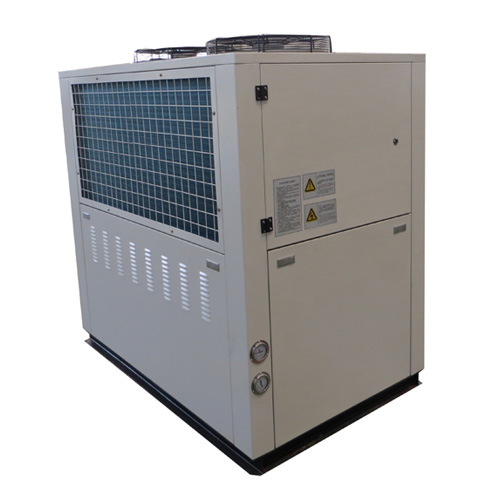
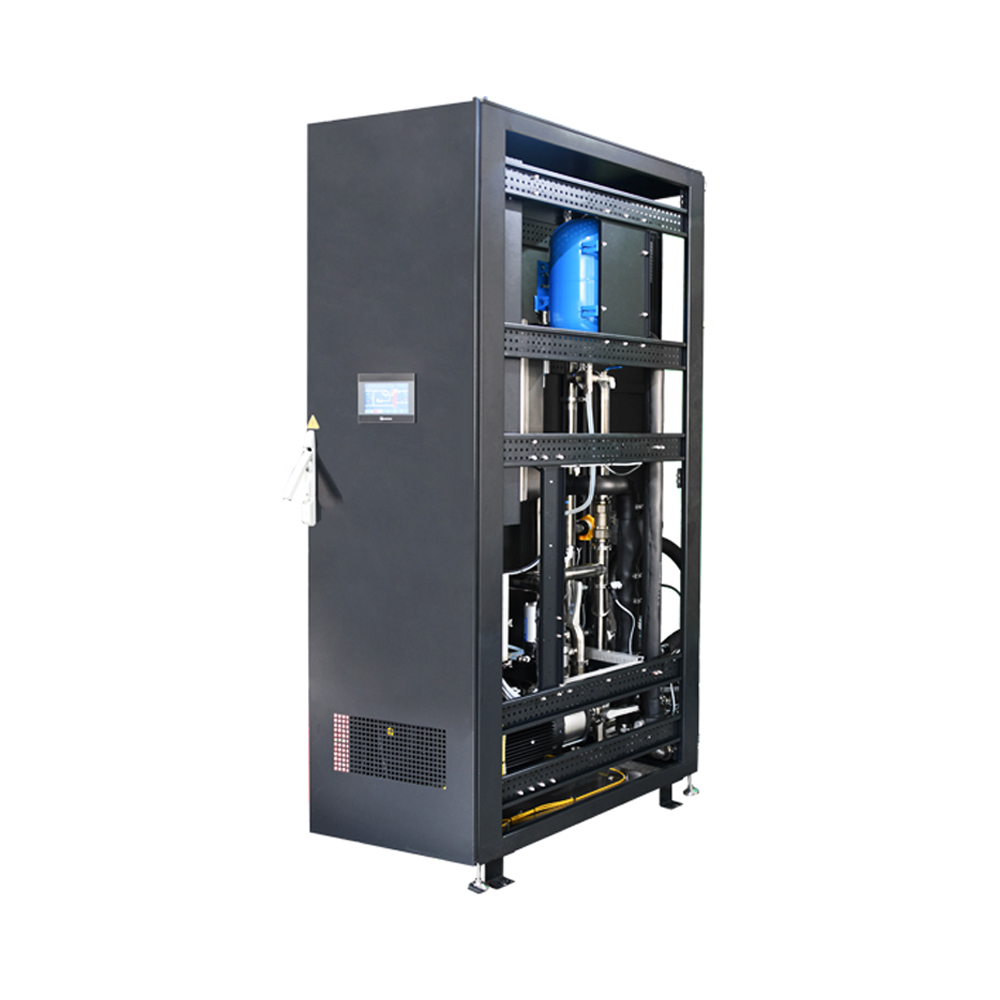
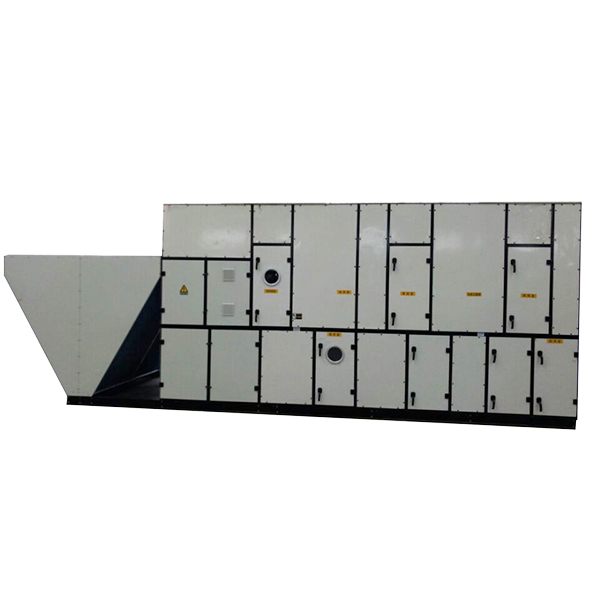
Adiabatic cooling isn’t just about spraying water; it’s a nuanced engineering play that cuts energy use by 30% or more, but only if you navigate the humidity trade-offs and material choices correctly. Many get the principle right but botch the application, turning a sustainability asset into a maintenance liability.
The Core Misconception: It’s Not Just Free Cooling
When people hear ‘adiabatic’, they often jump to ‘evaporative cooling’ and assume it’s a simple, almost passive system. That’s where the first mistake happens. The sustainability enhancement isn’t automatic. I’ve seen projects where the pre-cooling pads were slapped onto a standard condenser without recalculating the approach temperature or factoring in local wet-bulb depression. The result? Marginal gains that didn’t justify the added water treatment cost. The real enhancement comes from the system integration—using that pre-cooled, denser air to drastically reduce the compressor lift. It’s the compressor work that’s the energy hog, and that’s where you win.
This is where practical experience trumps textbook knowledge. In arid climates like the Middle East, the adiabatic cooling effect is phenomenal; you can approach within a few degrees of the wet-bulb. But in a place like Guangzhou? The ambient humidity kills the evaporative potential for chunks of the year. The sustainable design isn’t about always using the adiabatic mode; it’s about having a smart control system that switches it off when the enthalpy isn’t favorable. I recall a data center project where we used a hybrid system—dry mode for the humid summer months, adiabatic mode kicking in during drier periods. The annualized energy savings were the key metric, not peak efficiency.
Companies that manufacture with this operational reality in mind build better systems. Take Shanghai SHENGLIN M&E Technology Co.,Ltd. Looking at their project portfolio on https://www.shenglincoolers.com, you can see they emphasize this hybrid approach. Their company focus on reducing operational costs isn’t just marketing; it’s baked into the control logic of their units. A sustainable system has to be an economically sustainable one for the operator, otherwise, it gets bypassed or disabled.
The Devil’s in the Details: Water, Materials, and Control
Let’s talk water. The biggest pushback against adiabatic systems is water consumption. It’s a valid concern. Using potable water in a once-through system is, frankly, unsustainable. The industry has moved towards closed-loop water circulation with filtration and treatment. But even then, you have bleed-off to manage mineral concentration. We learned this the hard way on an early installation—scale buildup on the pads within months because the water hardness wasn’t properly addressed. The sustainability payoff vanished into quarterly acid cleaning and pad replacement.
Material selection is another subtle point. The pads or spray media need to be durable, resistant to biological growth, and have high saturation efficiency. Cheap cellulose pads might save capital cost but need replacing yearly. Rigid polymer media costs more upfront but can last a decade with proper maintenance. This life-cycle view is crucial for real sustainability. It’s not just the energy saved during operation; it’s the embedded carbon and waste from frequent part replacements. I tend to spec the more robust media now, even if it makes the initial quote less attractive. The total cost of ownership tells the true story.
Control logic is the brain. A well-tuned system modulates pump speed and fan stages based on a combination of dry-bulb and wet-bulb temperature, not just a simple on/off. I’ve seen systems where the adiabatic pre-cooling kicks in too aggressively during shoulder seasons, adding moisture when the compressor load was already low, leading to negligible net benefit. The setpoints and deadbands need to be carefully engineered. Sometimes, the most sustainable operation is to run dry.
Real-World Context: Beyond the Chiller Plant
We often think of these systems for large HVAC or process cooling. But one of the most impactful applications I’ve seen is in gas turbine inlet air cooling. The power output boost and heat rate improvement when you cool that intake air are substantial. Here, the adiabatic cooling system directly enhances the sustainability of power generation by allowing the turbine to operate at its design efficiency more often. It turns a capacity-enhancing tool into an efficiency tool.
Another context is in manufacturing, like plastic injection molding or die-casting. The cooling water loop temperature stability is critical for product quality. Using an adiabatically-assisted cooling tower or closed-circuit cooler can maintain a tighter temperature range without resorting to energy-intensive mechanical chilling. This is where SHENGLIN‘s focus on industrial cooling technologies shows. Their solutions for these niches aren’t off-the-shelf; they’re tailored to handle the specific thermal load profiles and often harsh environments of factories, which directly translates to reduced operational costs and a smaller carbon footprint for the client.
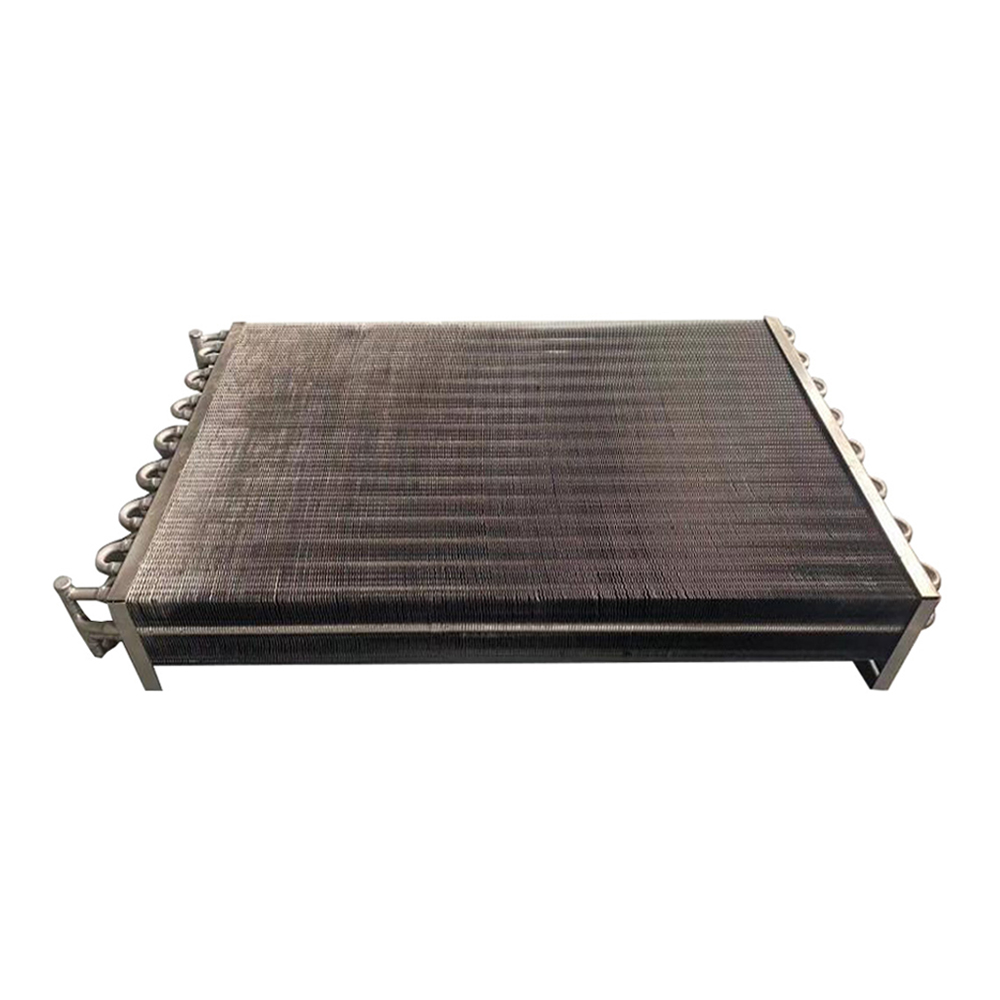
It’s in these industrial settings that the robustness of the system is tested. Corrosive atmospheres, airborne particulates—they all affect the heat exchange surfaces and the water quality. A sustainable design has to account for this. I remember a cement plant project where we had to use specialized coatings on the coils and a multi-stage filtration system for the spray water. The upfront cost was higher, but the system has run for years without major fouling issues.
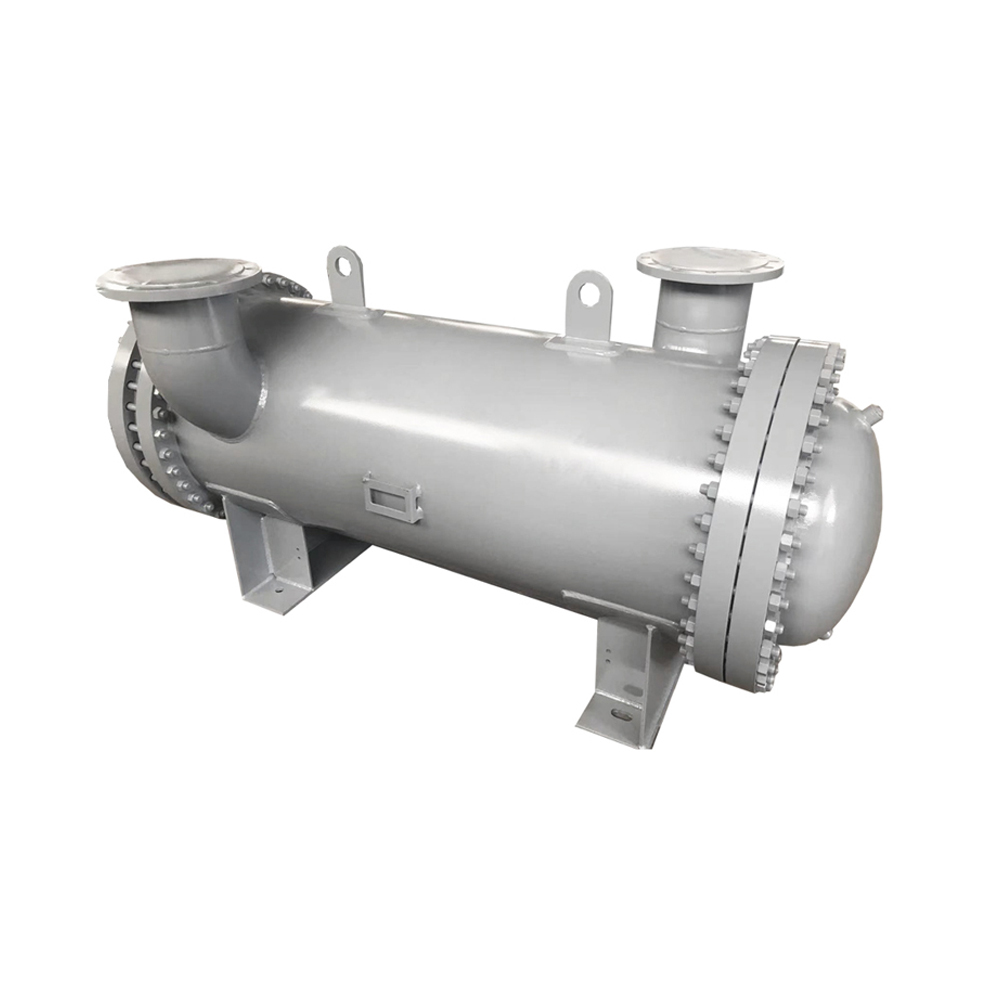
The Integration Challenge with Renewables
This is the next frontier, in my view. How does an adiabatic cooler play with a solar PV array on the plant roof? The synergy is there but underutilized. The cooler’s highest water and energy use often coincides with peak solar generation—hot, sunny afternoons. You could theoretically use direct DC power from the PV to run the pumps and fans, avoiding inverter losses. I’m aware of a pilot project in California doing just this, creating a nearly self-sufficient cooling module during daylight hours. The sustainability multiplier is significant when you stack technologies.
But integration isn’t trivial. It requires rethinking the electrical architecture and controls. Most building management systems aren’t set up to prioritize renewable source direct consumption in that way. It adds complexity. The business case has to be strong enough to justify the engineering hours. As the cost of PV and battery storage continues to drop, I expect this to become a more standard consideration in system design, moving beyond just reducing grid energy draw to actively managing the source of that energy.
This is where manufacturers need to think ahead. Providing standard interfaces for renewable input or designing systems with inherent load-shifting capabilities (like thermal storage coupled with adiabatic cooling) would be a game-changer. It’s not just about the cooler anymore; it’s about its role in the larger energy ecosystem of the facility.
Measuring the True Impact: Data Over Assumptions
Finally, the proof is in the data. You can model savings all day, but without proper metering, you’re guessing. The most convincing cases I’ve been involved with installed dedicated kWh meters on the cooler fans and pumps, and flow meters on the water make-up line. Correlating this with production output or chiller plant kW/ton gives you the real picture. Sometimes the savings are better than expected; sometimes you find a flaw in the control sequence that’s wasting resources.
For instance, on a retrofit for a pharmaceutical plant, the sub-metering revealed that while the compressor energy dropped as projected, the water treatment energy (for UV and reverse osmosis) was higher than estimated. We then optimized the treatment loop, reducing its runtime based on conductivity rather than a fixed schedule, clawing back some of that overhead. This granular, operational-level tweaking is where lasting sustainability is achieved. It’s not a set and forget technology.
This data-driven approach aligns with what leading players advocate. By focusing on improving performance through measurable outcomes, as highlighted in SHENGLIN‘s company ethos, the industry can move beyond generic claims. It provides the hard evidence that adiabatic cooling isn’t just a green buzzword but a tangible, high-ROI tool for reducing both carbon footprint and operating expenses. The enhancement to sustainability is real, but it’s earned through smart design, careful material selection, intelligent control, and relentless performance tracking.