In the world of industrial cooling, the concept of air cooler exchangers might seem straightforward, yet there’s a layer of complexity that often surprises even seasoned professionals. Some might think it’s just about assembling parts in a factory before shipping them off, but there’s more strategy involved than meets the eye.
Understanding the Basics
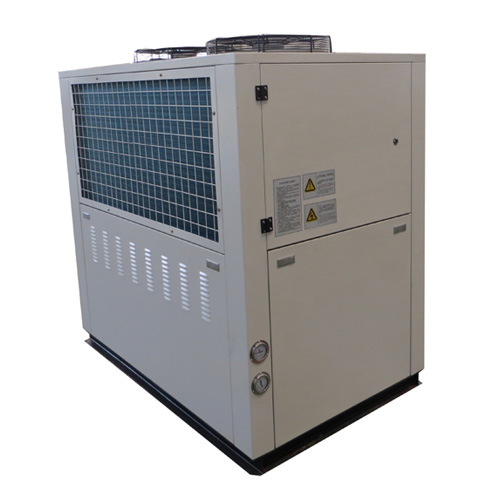
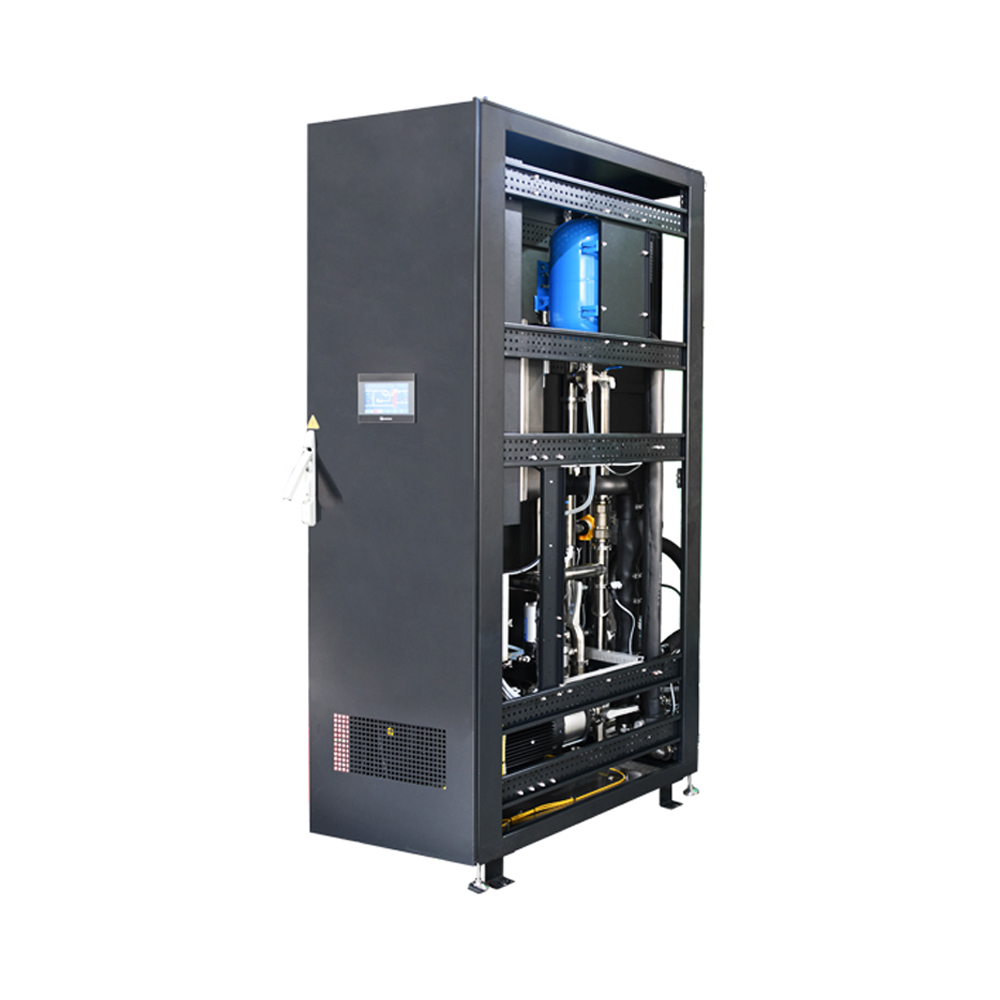
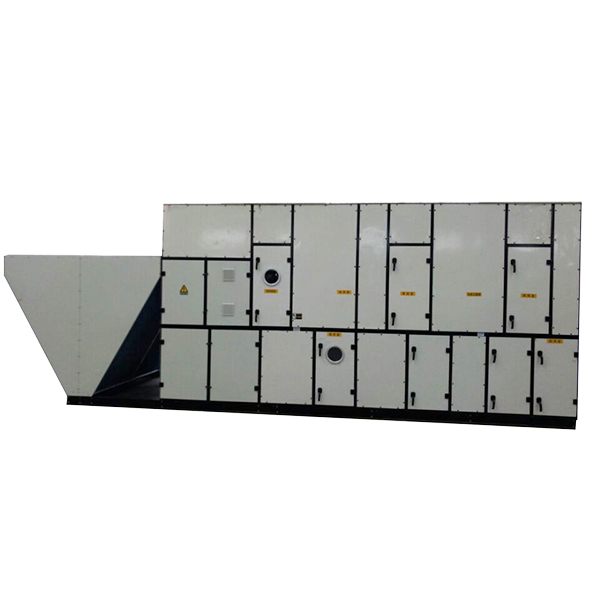
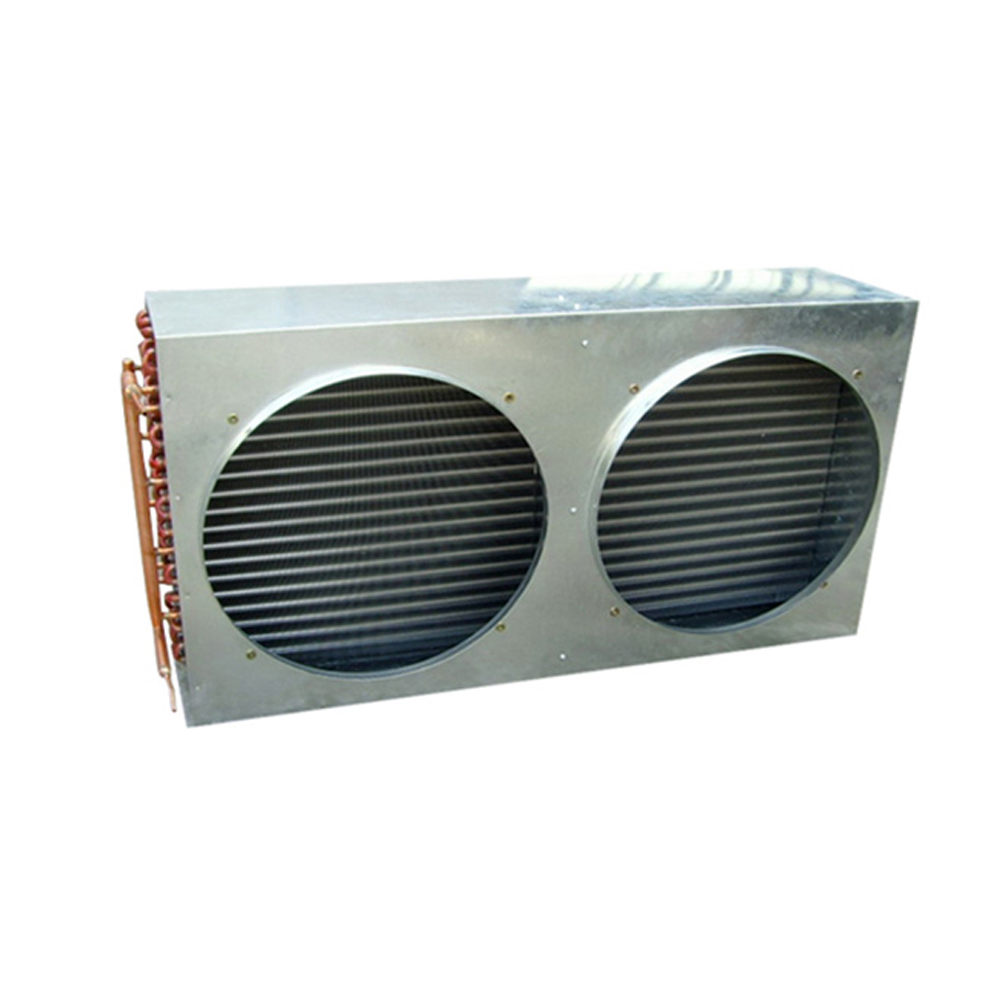
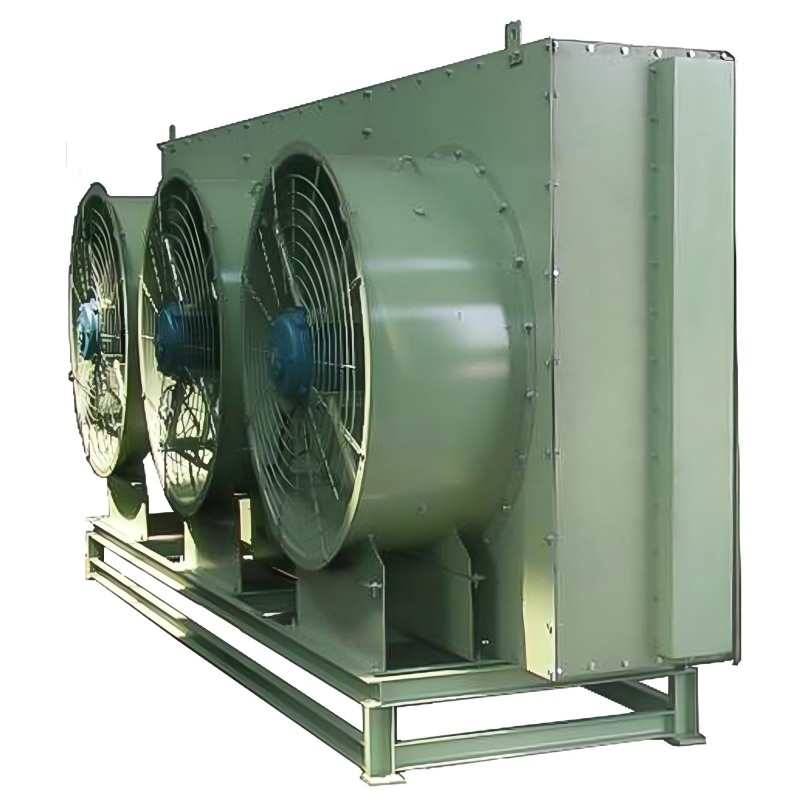
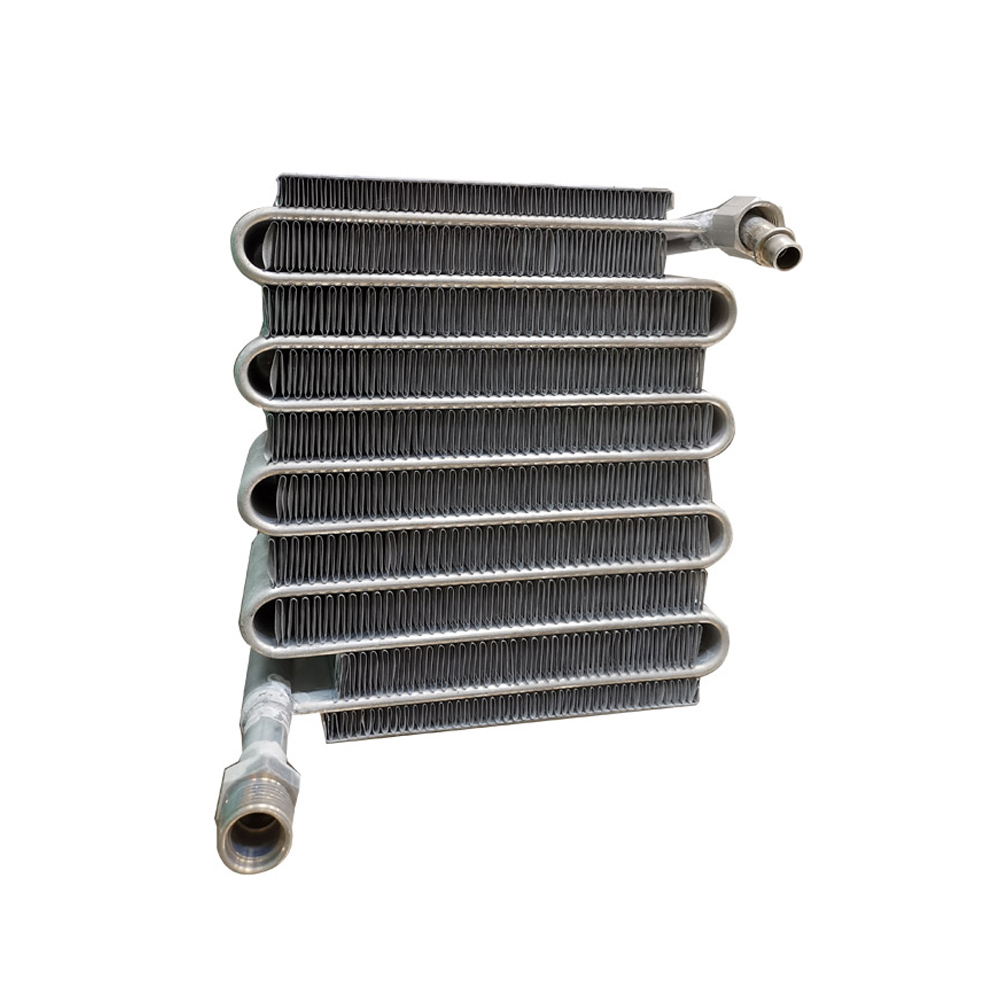
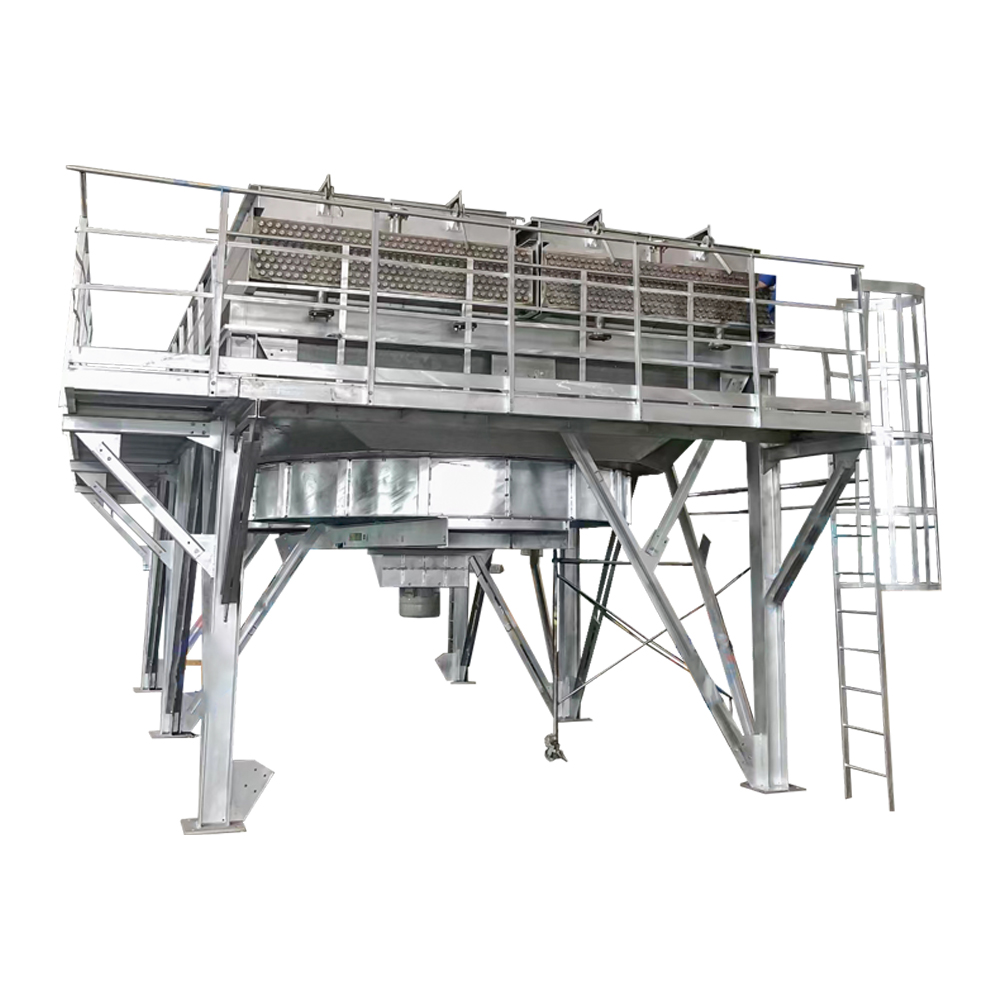
First, let’s ground ourselves in what we mean by prefabricated air cooler exchangers. Essentially, these units are assembled under controlled conditions at a factory like Shanghai SHENGLIN M&E Technology Co.,Ltd (https://www.ShenglinCoolers.com), which specializes in industrial cooling technologies. The idea is to streamline the installation process on-site, saving both time and labor costs.
But why does this matter? Prefabricated units are designed with precision, ensuring that each component works in harmony. This precision minimizes potential performance issues that arise from haphazard, on-site assembly. Trust me, I’ve seen this firsthand where on-site custom builds led to significant troubleshooting and inefficiencies.
Another angle to consider is quality control. Within a controlled environment, manufacturers can adhere to stricter quality assurance protocols, which often results in a more reliable product. I recall one project where a site installation had to pause repeatedly due to variances in component compatibility—issues that prefabrication could’ve prevented.
Installation Process and Time Savings
The installation phase has its own set of challenges. Standard installations are notorious for delays due to unforeseen site conditions or misalignments during assembly. With a prefabricated approach, these challenges are significantly reduced. Shanghai SHENGLIN M&E Technology Co.,Ltd, for instance, provides units that are nearly ready to plug and play.
From an operational efficiency standpoint, reducing downtime is paramount. There was a particular project I oversaw, where prefabricated units cut installation time from weeks to just days, allowing the operations team to focus on optimization rather than troubleshooting.
Even with the shipping costs factored in, the overall savings can be substantial. This isn’t to say there are no risks, though. Choosing the right manufacturer becomes critical. Inferior materials or cutting corners during prefabrication can lead to significant setbacks—quality must be verified and consistent.
Design Flexibility and Customization
One might assume that prefabrication limits customization, but modern techniques have turned this notion on its head. At SHENGLIN, customization is a significant part of their offering. Units can be tailored to specific environmental conditions, which is invaluable—especially when dealing with challenging climates.
There’s also the flexibility in scaling designs according to need. In one project case, a facility upgrade required additional cooling capacity, which could be seamlessly added thanks to the modular nature of these prefabricated systems.
Customization, however, requires a collaborative approach between the manufacturer and client. Detailed initial consultations often lead to better end products that fit exact operational needs. Misalignment here can lead to costly adjustments post-installation.
Enhanced Operational Efficiency
Operationally, prefabricated air cooler exchangers enhance efficiency through reliability and durability. They are typically designed for robust use in industrial settings, where consistency in performance is critical.
There’s a notable reduction in maintenance needs due to the initial quality of assembly. Systems are under less stress when components function as intended from the start. I’ve observed maintenance teams report fewer issues with prefabricated setups compared to traditional assemblies.
Moreover, energy efficiency is another component. With designs optimized from the outset, these units often operate at peak energy efficiency, lowering long-term operational costs which is a significant benefit in today’s energy-conscious market.
Real-World Implications
Ultimately, the real-world implications of using prefabricated air cooler exchangers can be quite profound. Companies like SHENGLIN have pioneered in pushing boundaries not just in product quality but in thought leadership within the cooling industry.
As industries aim to cut costs and streamline operations, these prefabricated units provide a viable pathway forward. They’re not merely components; they’re part of a broader strategy to increase plant efficiency and reduce environmental impact through better energy utilization.
Of course, as with any industrial solution, success depends on understanding the specific needs of the application and working closely with a reputable manufacturer to meet those needs. But when done right, the payoff in efficiency and reliability is undeniable.