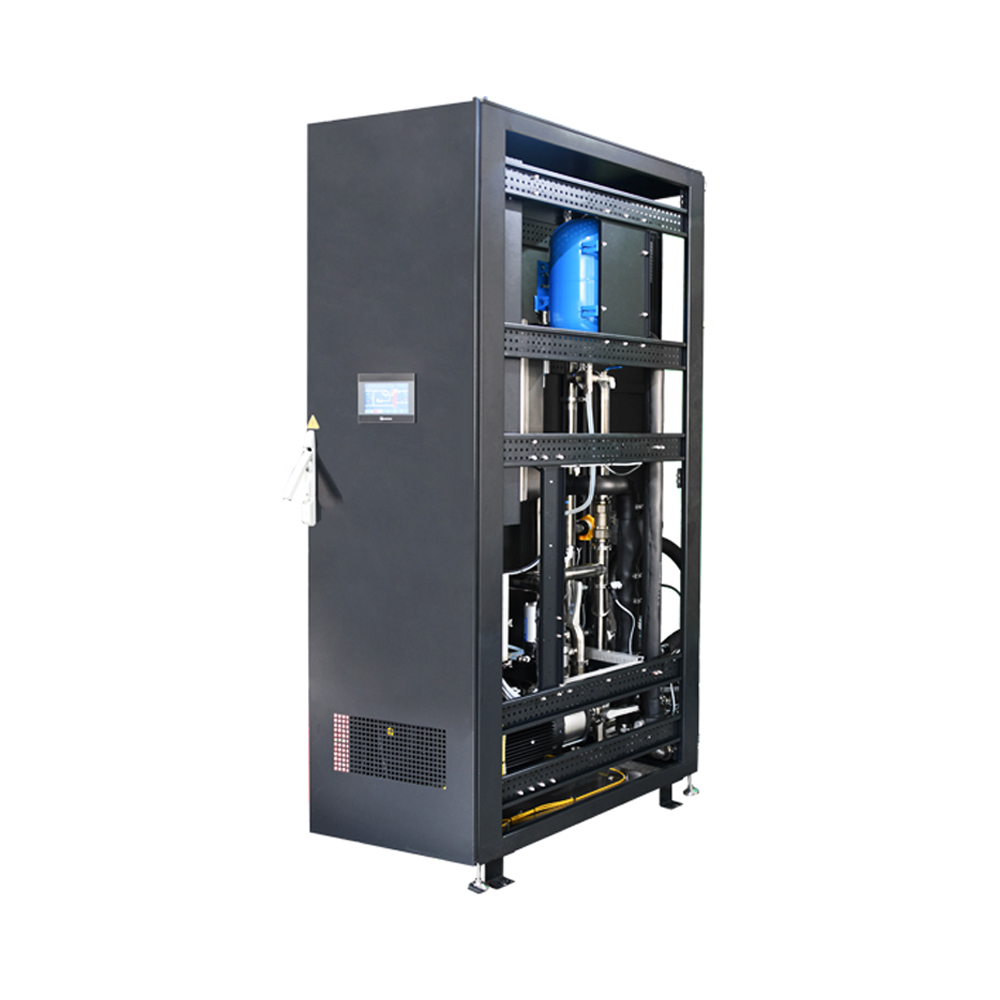
Micro portable data centers are emerging as a pivotal solution in the quest for sustainable IT infrastructure. Their compact size and modular design allow for significant energy efficiency, yet there’s still much to explore regarding their practical application and impact. Let’s delve into how these solutions contribute to sustainability and what the industry is learning from their deployment.
Energy Efficiency and Environmental Impact
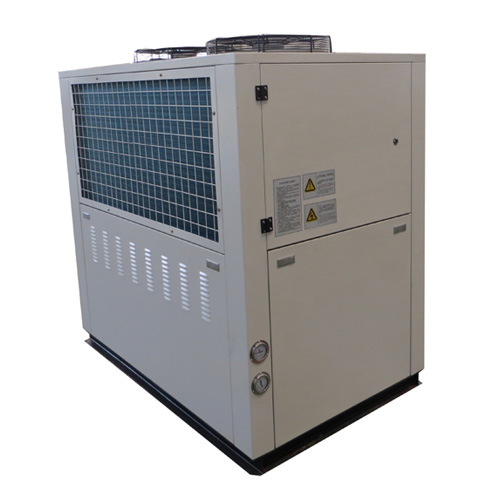
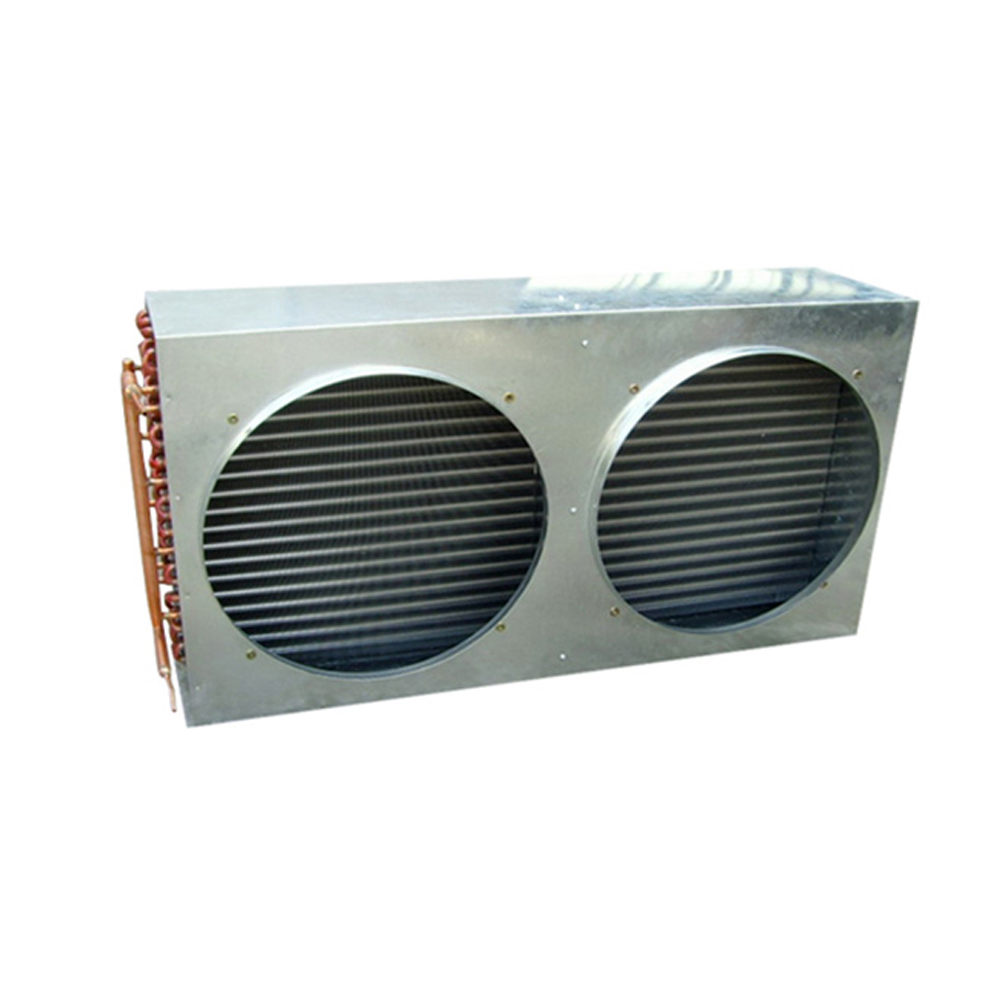
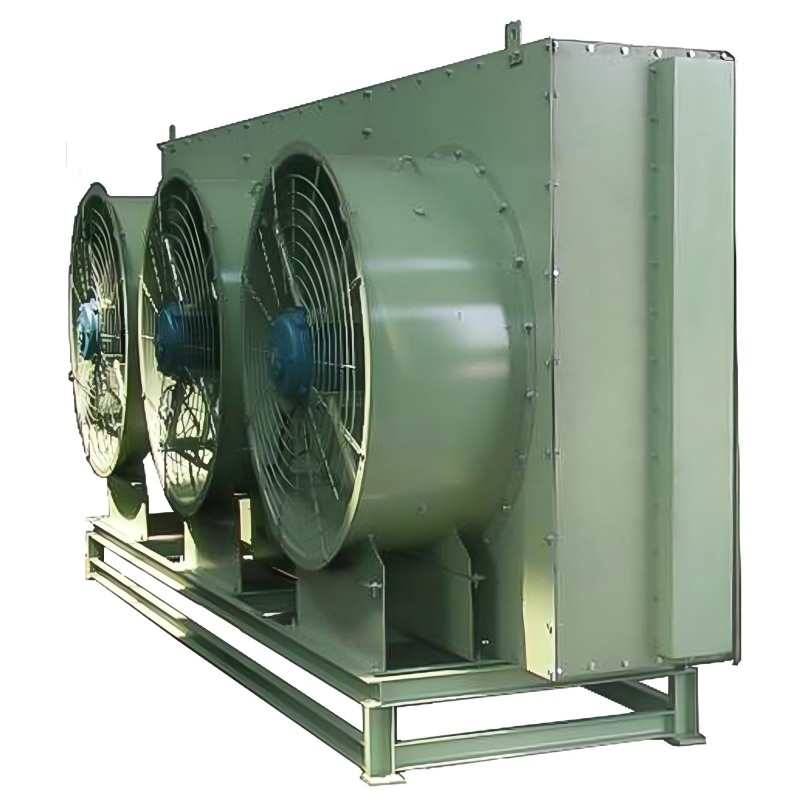
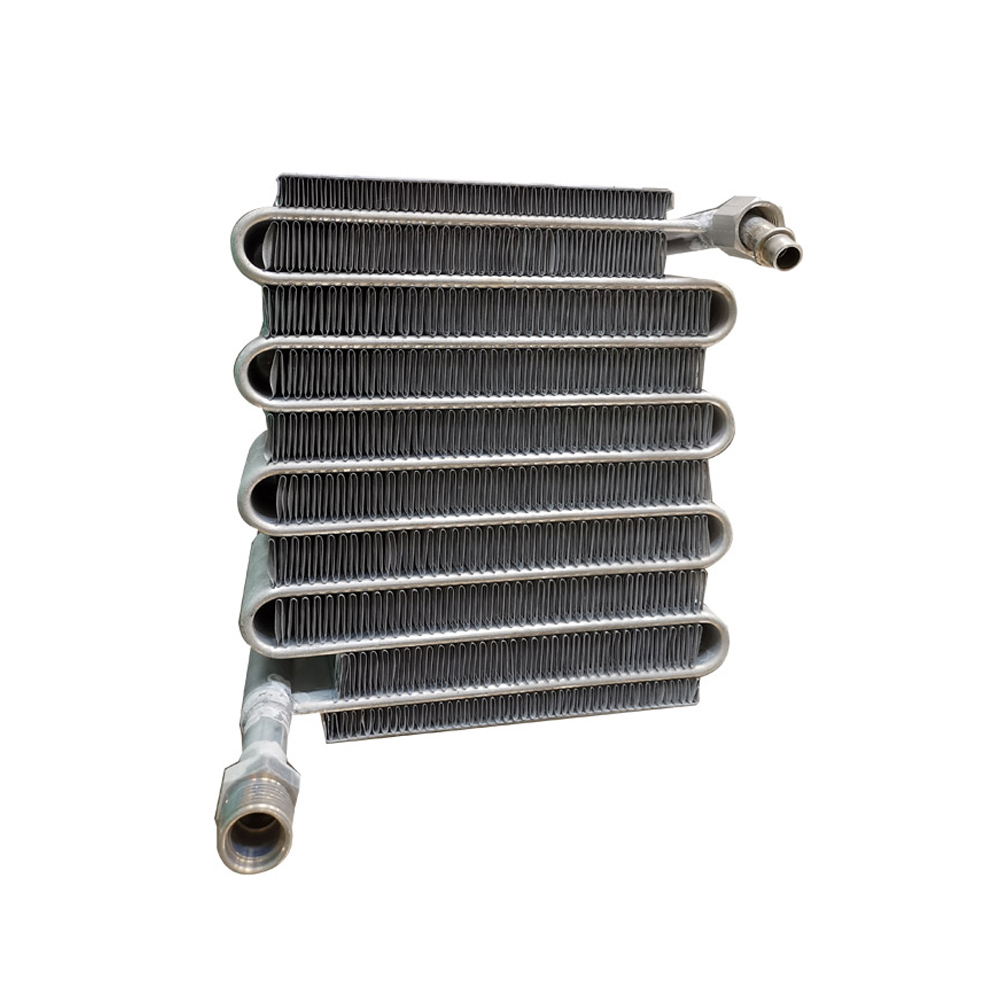
Energy efficiency is often highlighted as a primary benefit of micro portable data centers. Unlike traditional setups, these centers are designed to minimize energy consumption. By utilizing efficient cooling technologies—like those developed by companies such as Shanghai SHENGLIN M&E Technology Co.,Ltd—these units can significantly reduce the carbon footprint associated with data processing.
Moreover, micro portable data centers eliminate the need for excessive infrastructure, which directly cuts down on the materials and space required. However, the challenge often lies in optimizing these centers for maximum performance while maintaining their minimalistic design.
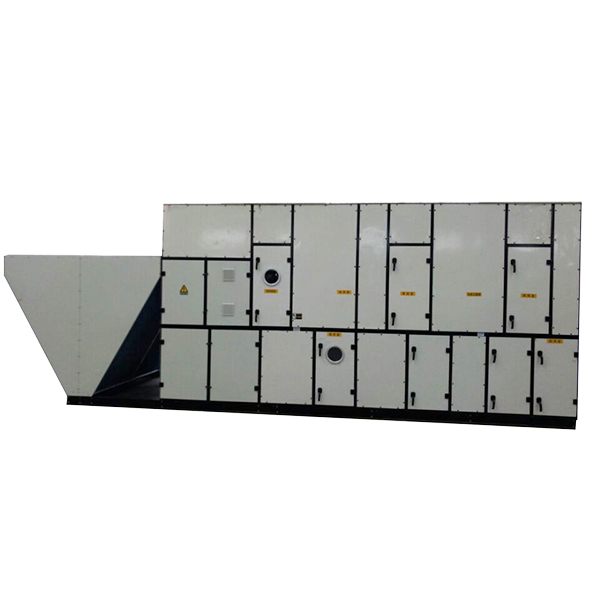
SHENGLIN, with its expertise in industrial cooling technologies, often encounters questions about integrating these cooling systems into micro data centers. The practice demands precise engineering and foresight to balance cooling needs without demanding extra energy.
Flexibility and Scalability
The flexibility of micro portable data centers offers another sustainable advantage. Due to their modular nature, they can easily be deployed where needed, reducing the time and transportation impacts of traditional data facilities. This adaptability is crucial in responding to localized data needs without overextending resources.
Scalability is another factor that makes these centers appealing. The ability to expand capacity without extensive resource use plays into the sustainability goals of many organizations. However, scaling must be managed carefully to avoid pitfalls like resource bottlenecks or increased energy demands.
In practice, we’ve seen companies struggle to keep this balance, often requiring innovative solutions from industry leaders to maintain efficiency. It’s a field that demands both technical expertise and strategic planning.
Cost-Effectiveness and ROI
The cost-effectiveness of micro portable data centers can’t be overlooked. Initial perceptions might suggest these solutions are expensive, but the return on investment often tells a different story. Reduced energy bills, lower maintenance costs, and fewer physical infrastructures contribute to long-term financial benefits.
However, these financial advantages come with the caveat of skilled implementation. Overlooking details in deployment can lead to inefficiencies that erode the anticipated savings. SHENGLIN, for instance, emphasizes the importance of quality control and precision during installation.
It’s not just about buying the best systems; it’s about integrating them seamlessly into existing frameworks. Feedback loops and continuous monitoring become essential components of realizing full cost benefits.
Challenges in Implementation
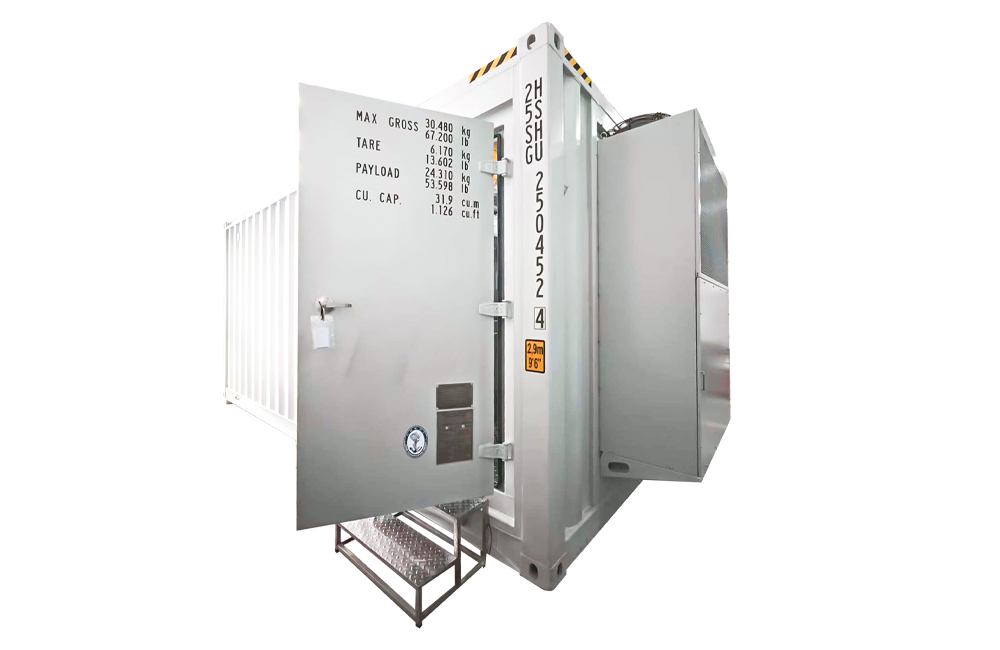
Despite the benefits, there are challenges in the practical application of micro data centers. Many organizations face difficulties in aligning these systems with their existing IT infrastructure due to compatibility issues or lack of expertise.
Training and education become pivotal here. Providing engineers and IT professionals with the knowledge and skills to handle these specific systems can make or break successful integration. This is where companies like SHENGLIN often provide valuable support, offering insights from their extensive experience in the cooling sector.
Real-world case studies often highlight these points, showcasing both successes and failures. It’s from these experiences that the industry learns and evolves, constantly fine-tuning its approach to implementation.
The Future of Data Management
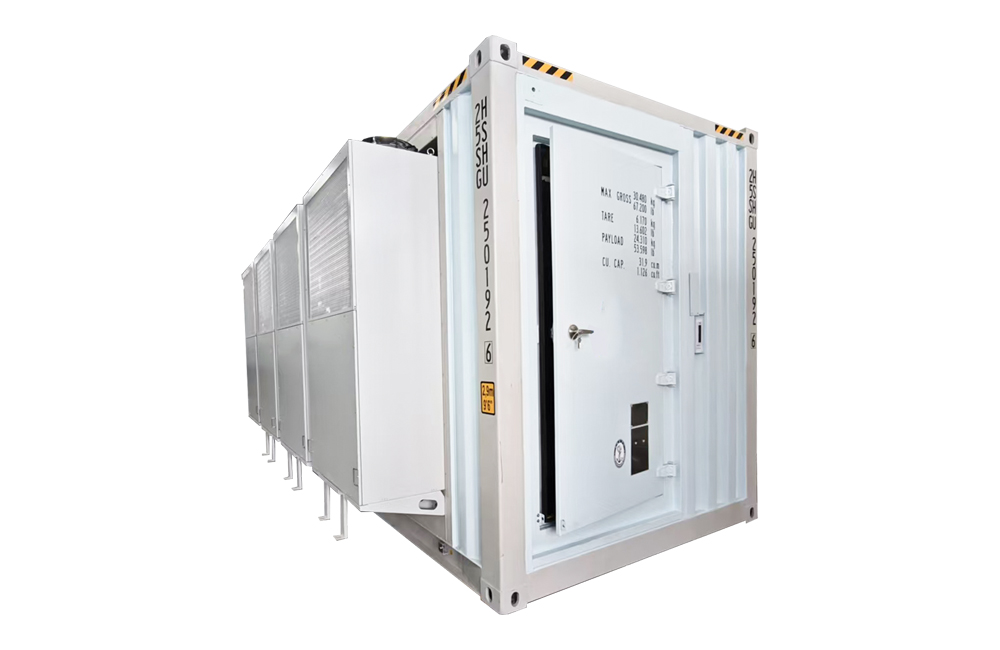
The future of data management is heading towards sustainable solutions that don’t compromise on performance or efficiency. Micro portable data centers represent a significant step in that direction, aligning technological advancement with environmental responsibility.
However, the path is not without its hurdles. Continuous innovation, adaptation to current technology trends, and a commitment to sustainability principles are required to stay ahead. Companies must remain agile, ready to pivot and adopt the best practices as they emerge.
The journey of integrating micro portable data centers into mainstream data management is ongoing, and its success will likely hinge on collaborative efforts across industries and disciplines.