Understanding the role of fin fan coolers might seem straightforward to some, but misconceptions abound, even among professionals. At Shanghai SHENGLIN M&E Technology Co., Ltd, we’ve seen how these units drive efficiency and cutting costs across industries, yet it’s often the understated aspects that make the biggest impact.
Principles Behind Fin Fan Coolers
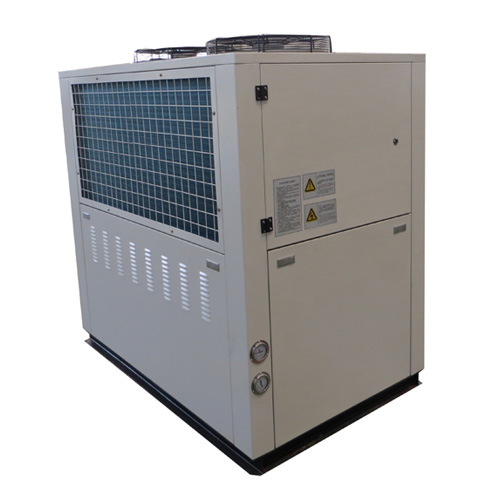
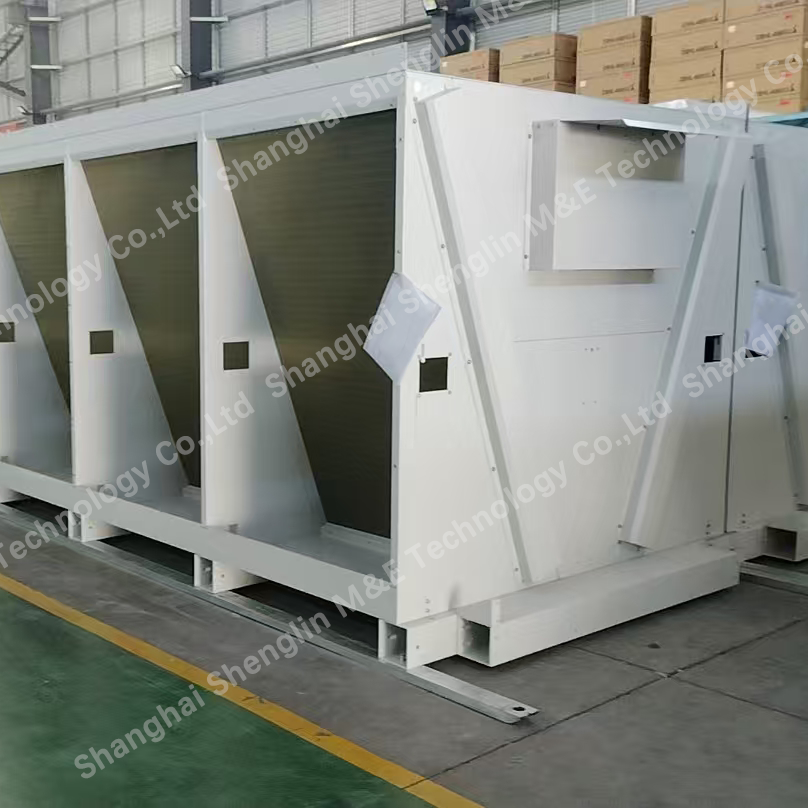
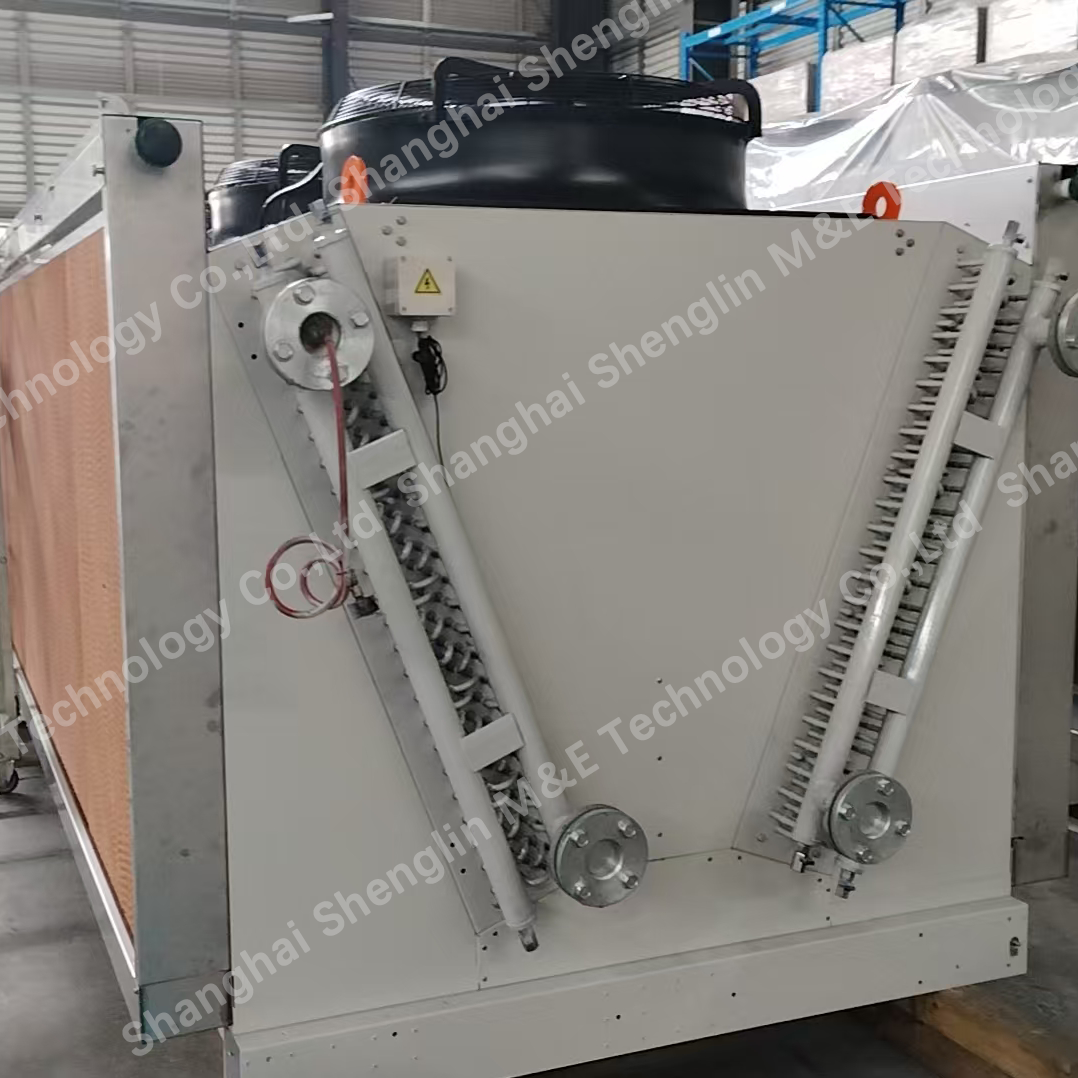
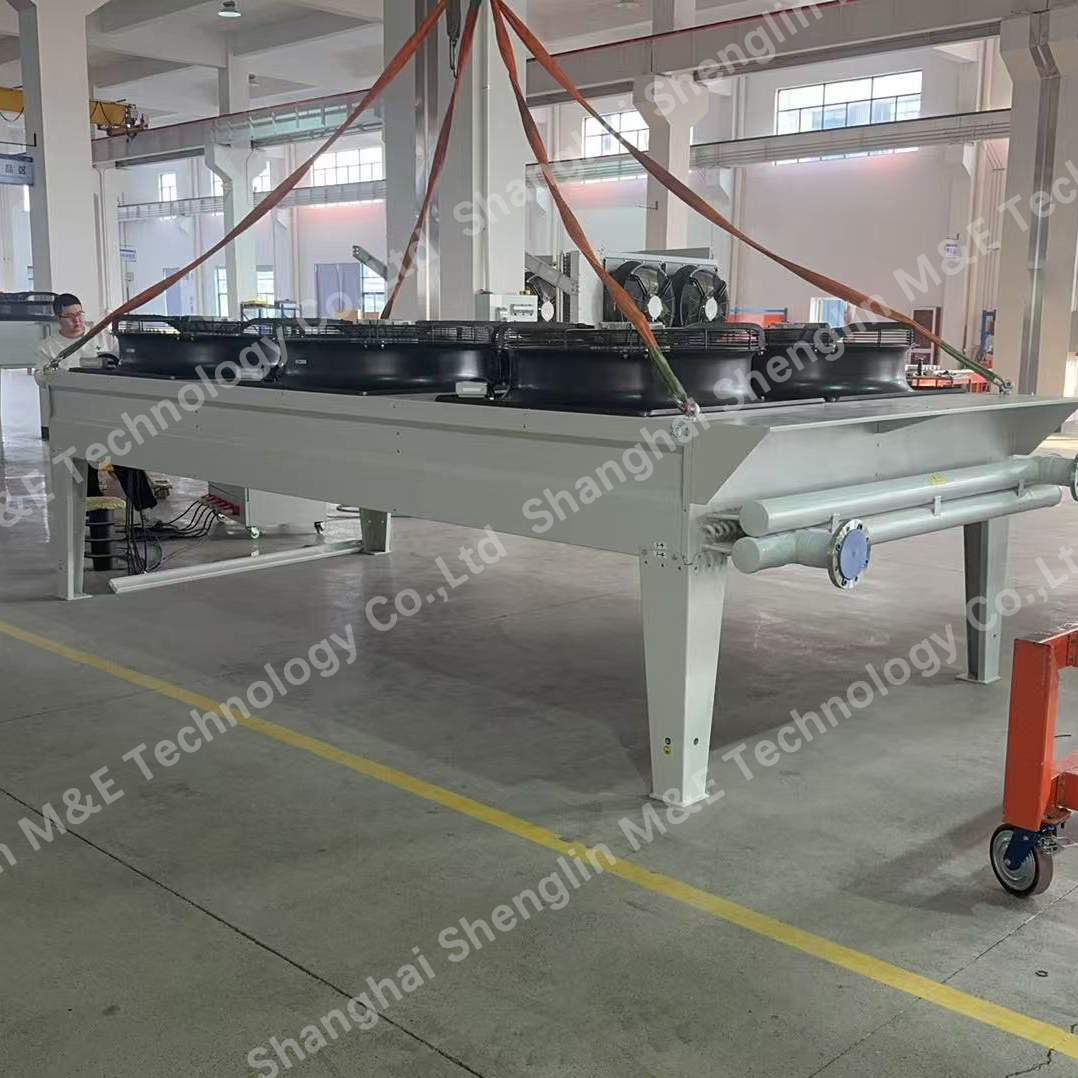
At the core of their functionality, fin fan coolers are essentially air-cooled heat exchangers. They utilize large banks of fans to circulate air over finned tubes, dissipating heat in the process. This is fundamental physics at play, enhancing thermal efficiency by maximizing surface contact between air and the coolant inside the tubes. However, this isn’t the full picture.
In some cases, deploying these systems effectively requires an understanding of the specific ambient conditions—factors like humidity, air circulation, and location can profoundly affect performance. We’ve had projects where adjusting the positioning of coolers by just a few degrees significantly improved efficiency. It’s these nuanced adjustments that often determine success.
While these principles are stable, there are practical challenges. For instance, when scaling up operations, the adaptability of fin fan coolers makes them a smart choice. Unlike water-based cooling, which can demand extensive infrastructure changes, fin fan systems expand relatively seamlessly.
.png)
Design Considerations and Customization
Customization is key when it comes to fin fan coolers. At SHENGLIN, we’ve tailored cooler designs to meet various industrial needs. This might involve balancing fan speed with thermal output or optimizing the fin design to handle specific types of coolants. These tailor-made approaches ensure the systems work in harmony with existing processes.
For example, in one notable project, altering the fin arrangement led to a 15% increase in heat dissipation efficiency. Such modifications, though sometimes overlooked, play a vital role in maximizing performance.
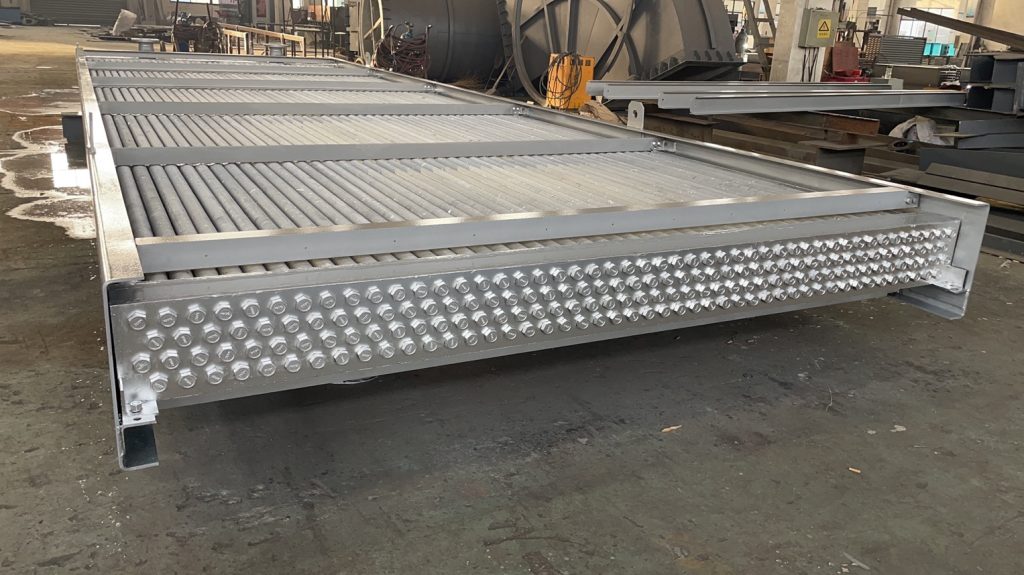
Furthermore, the decision to use aluminum versus steel fins can vastly impact durability and maintenance needs. While aluminum is lightweight and corrosion-resistant, steel offers robustness under high-pressure scenarios. Knowing the operational environment guides this choice, ensuring longevity and reliability.
Case Study: Real-World Application
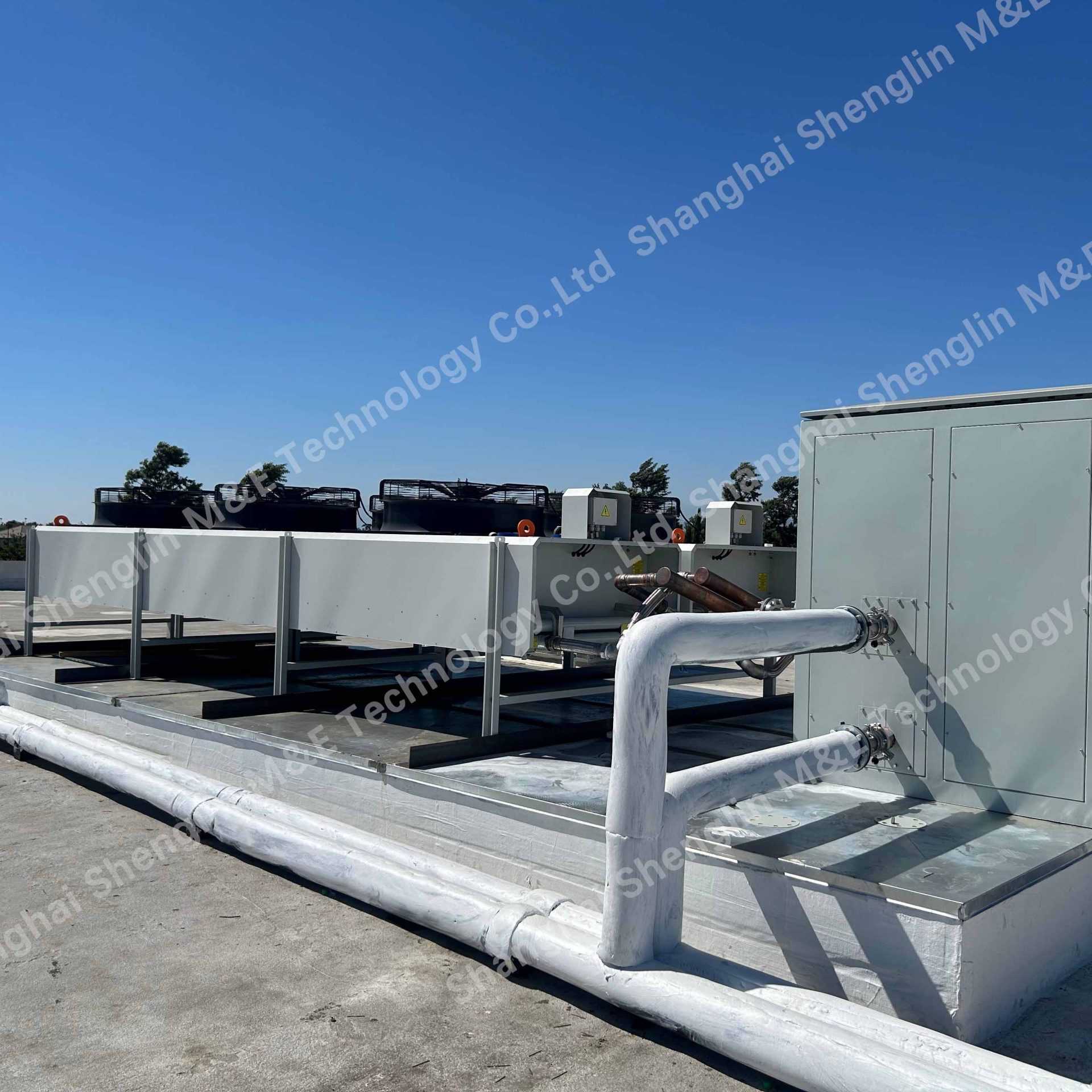
Looking at a case study might clarify the versatility of fin fan coolers. In a petrochemical plant retrofit, which we at SHENGLIN facilitated, existing water-based systems were inadequate for scaling requirements. Fin fan coolers provided the solution, efficiently integrating into the current setup without major overhaul.
The result? The plant achieved its production goals while reducing water consumption—a critical environmental and cost consideration. This project underscores how fin fan coolers can pivotally support sustainable, scalable industrial practices.
Such real-world examples emphasize their role beyond mere cooling—they are integral to strategic development in modern industries.
Maintenance and Lifecycle Considerations
Maintenance is often where the theoretical neatness of these systems meets real-world complexity. Regular inspections, as recommended by SHENGLIN, focus on fan alignment, motor health, and fin cleanliness. These might sound basic but are crucial in preventing more costly downtimes.
For instance, a neglected fin fan system might face decreased airflow efficiency, directly affecting operational costs. Cleaning routines, adjusted seasonally, can mitigate these risks. These operations are straightforward but demand discipline and foresight.
Meanwhile, lifecycle management becomes a conversation about balancing initial costs with long-term savings. Properly maintained coolers often exceed their expected operational years, proving the investment worthwhile.
Innovation in Fin Fan Technology
Technology progression in this space is an ongoing dialogue. At SHENGLIN, we’re continuously looking at innovations like variable frequency drives (VFDs) for fans, offering not just energy savings but also more refined control over cooling rates.
Moreover, digital monitoring systems are being integrated to provide real-time data on performance metrics—vital for preventive maintenance and efficiency tracking. This evolution reflects the broader trend towards smarter, more responsive industrial systems.
In essence, fin fan coolers are evolving rapidly, underscoring their importance to contemporary industrial practice and economy.
Conclusion: The Continuous Impact
Ultimately, understanding and leveraging fin fan coolers involves more than just technical specifications. It requires a strategic view of their role in enhancing industrial efficiency and sustainability. Our experience at Shanghai SHENGLIN M&E Technology Co., Ltd illustrates that when optimized, these systems are not just components, but pivotal aspects of efficient industrial operation.
As industries face increasing demands for efficiency and sustainability, incorporating advanced cooling solutions like fin fan coolers appears not just beneficial but necessary. Whether through smart design adjustments, careful maintenance, or embracing new technologies, the boost they provide is significant and enduring.