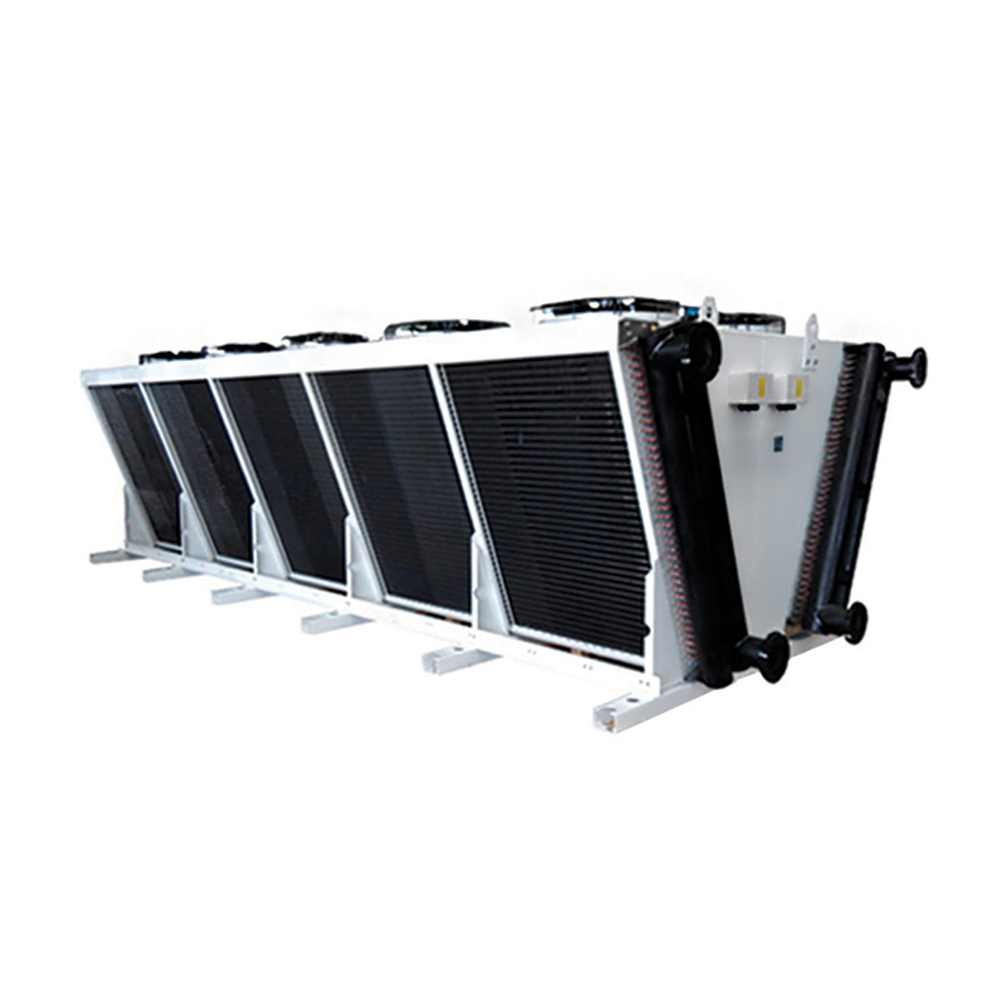
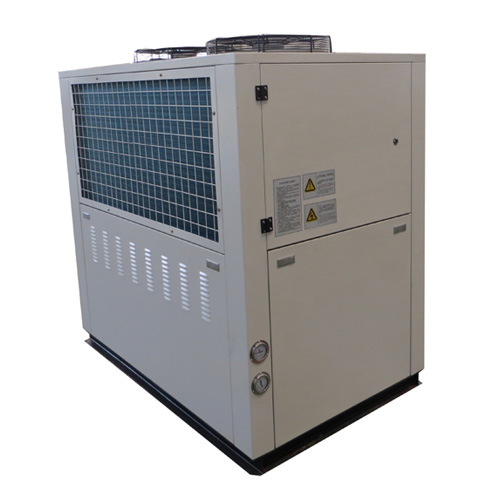
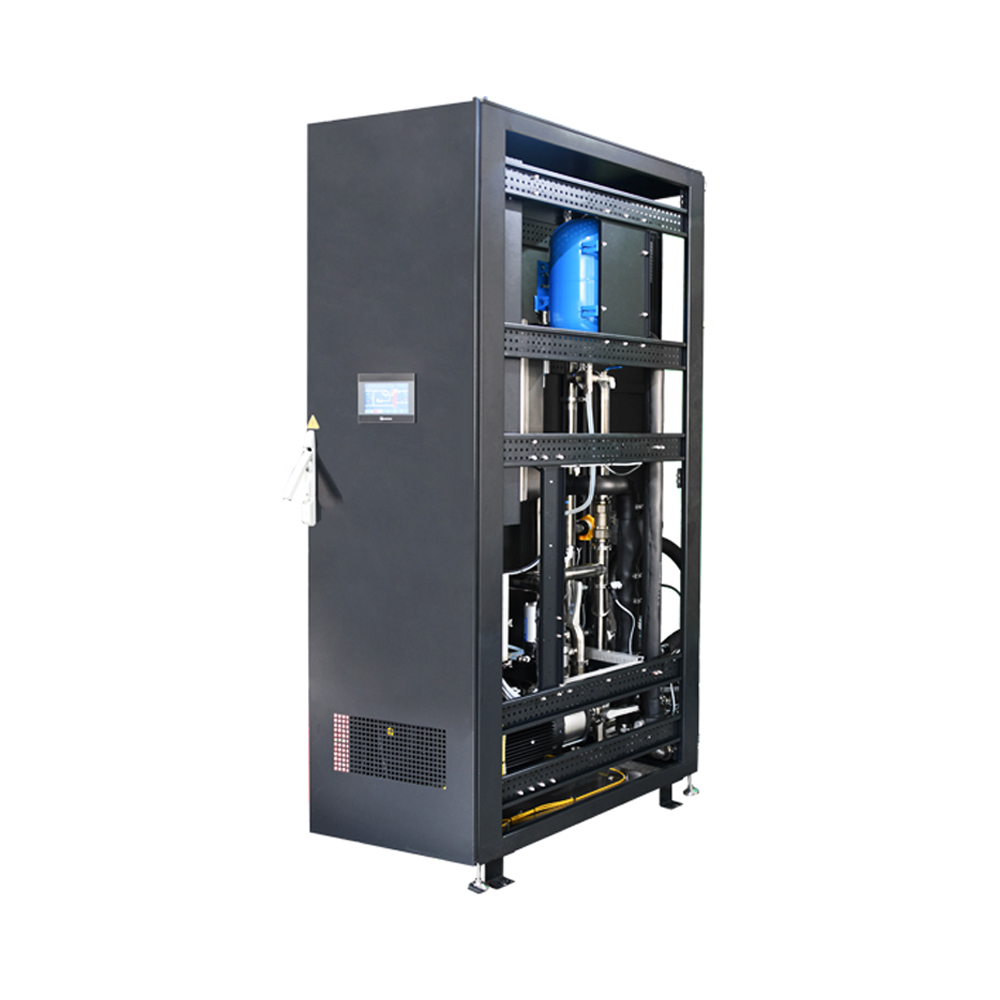
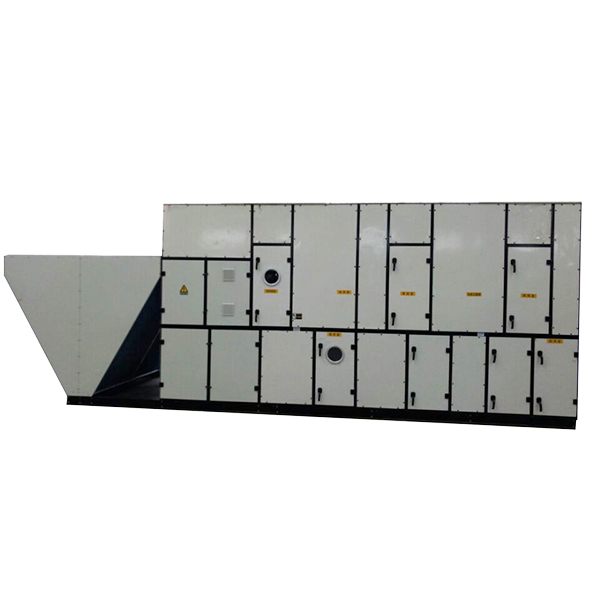
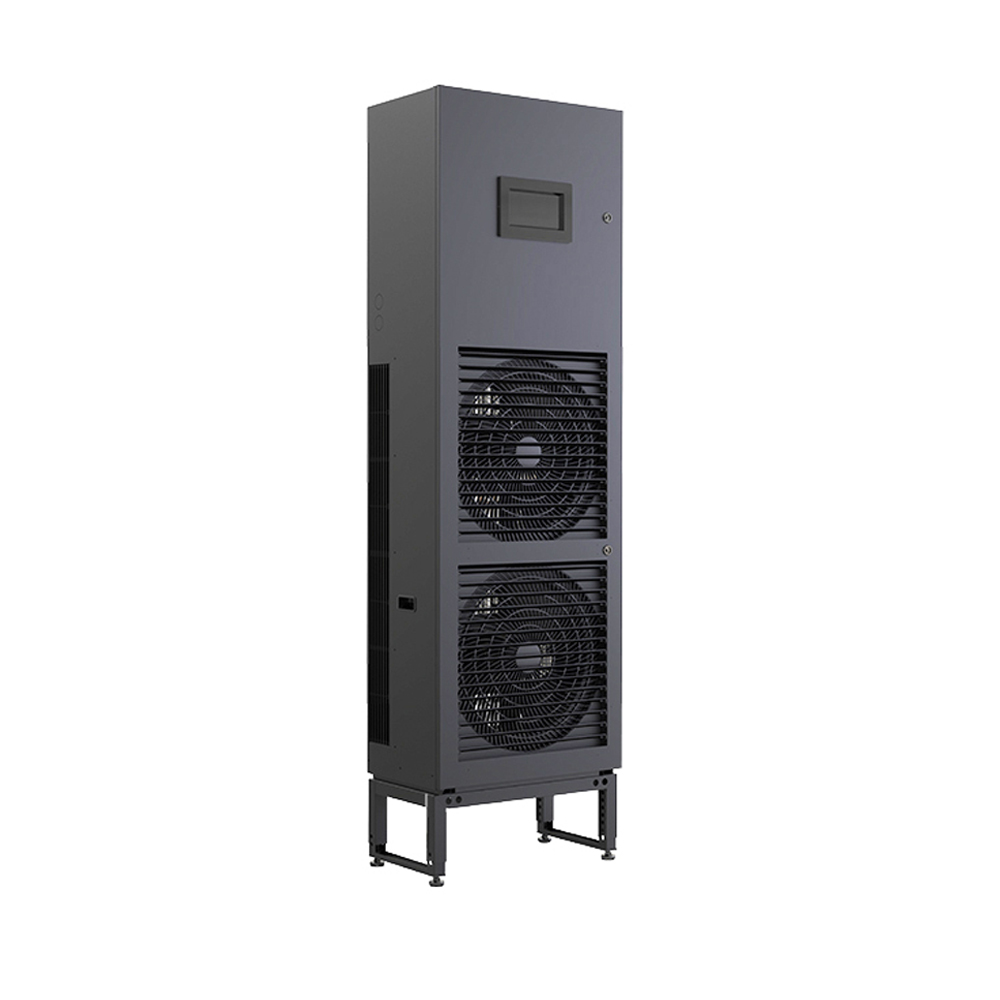
You hear ‘dry cooler’ and maybe think it’s just a box with a fan, a simple alternative to a cooling tower. That’s the common oversimplification. The real story isn’t about the unit itself, but how its operational DNA—no water consumption, no chemical treatment, no drift—fundamentally rewires the sustainability equation for industrial cooling. It’s a shift from active, resource-heavy cooling to passive, resource-smart heat rejection. But it’s not a magic bullet; the boost comes from intentional design and integration, not just from swapping one piece of kit for another.
The Core Mechanism: Eliminating the Water Footprint
The most direct sustainability lift is the elimination of evaporative loss. With a traditional cooling tower, you’re constantly topping up the basin. In a semiconductor fab or a data center cluster, that’s millions of gallons annually, literally vanishing into thin air. A dry cooler cuts that to zero. It sounds trivial until you’re the one negotiating water rights in a drought-stricken region or managing effluent discharge permits. The relief on the water-stress side of the ledger is immediate and massive.
Then there’s the chemical side. No water means no need for biocides, scale inhibitors, or corrosion control chemicals. You’re not just saving on procurement costs; you’re eliminating the entire lifecycle impact of manufacturing, transporting, and eventually disposing of those chemicals. I’ve seen facilities where the chemical handling risk and the associated safety protocols were a significant operational burden. Removing that is a clean gain.
But here’s the nuance people miss: the ‘dry’ in dry cooler doesn’t mean it never uses water. In some hybrid or adiabatically assisted models, a minimal water spray is used for pre-cooling during peak ambient temps. The key is that this water is not consumed in an evaporative cycle; it’s often collected and recirculated. The consumption is orders of magnitude lower. Companies like Shanghai SHENGLIN M&E Technology Co.,Ltd have been pushing the envelope on these efficient hybrid designs, which you can see in their product evolution on https://www.shenglincoolers.com. Their focus on industrial cooling technologies means they’re solving for real-world peaks, not just ideal lab conditions.
Energy: The Complex Trade-Off and How to Win It
This is where the rubber meets the road. The classic critique is that dry coolers have a higher energy penalty because they rely solely on sensible heat transfer via fans, which is less efficient than evaporative cooling. At face value, that’s true. If you just do a straight swap, your fan energy will likely go up, especially in hot climates. So where’s the sustainability?
It comes from system design and smart operation. First, you’re not running the massive pumps needed for tower water circulation and filtration. That’s a constant load gone. Second, and more importantly, you integrate with free cooling. When the ambient wet-bulb is low, a cooling tower is still working. But a dry cooler? Its effectiveness soars. By designing your chilled water system with a higher temperature lift—running your process at, say, 45°F instead of 40°F—you dramatically extend the hours where the dry cooler can handle 100% of the load, and your chiller can sit idle. The annual energy savings from chiller offset can completely dwarf the increased fan energy.
I worked on a plastics plant retrofit where we did this. The initial fear was the summer peak. But we sized the dry cooler array not for the peak, but for the annual load profile, accepting that the chiller would kick in for the 10% hottest hours. The result was a 60% reduction in annual cooling energy. The sustainability boost wasn’t from the dry cooler alone; it was from letting it enable free cooling for most of the year.
Longevity, Maintenance, and Indirect Impacts
Sustainability isn’t just about operational inputs; it’s about asset life and waste. A well-maintained dry cooler has a simpler failure profile: fans, motors, coils. There’s no scaling, no biological fouling that eats away at the internals. I’ve seen cooling towers that were corroded shells after 15 years, requiring full replacement. A dry cooler’s coil, if made from a decent grade of aluminum or coated copper, can last 25+ years with basic cleaning.
Maintenance shifts from chemical management and water quality testing to mechanical inspection and fin cleaning. It’s a different skillset, often less specialized. The waste stream changes too: you’re disposing of filter cartridges and maybe occasional fan belts, not drums of hazardous chemicals and tons of blowdown sludge that needs treatment as hazardous waste.
There’s also a spatial and architectural flexibility. Without the plume of a cooling tower, you have more siting options, which can be crucial in urban areas or for aesthetic reasons. This can sometimes shorten pipe runs, reducing embodied energy in the installation. It’s a smaller point, but in a holistic lifecycle analysis, it adds up.
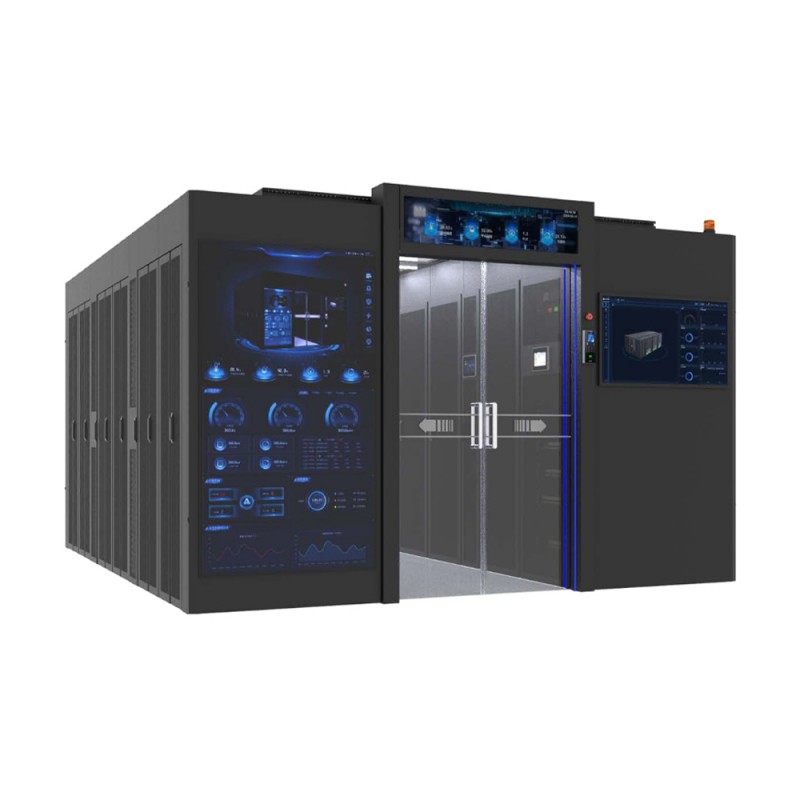
Real-World Stumbling Blocks and Lessons
It hasn’t all been smooth sailing. The biggest mistake I’ve seen is undersizing. Someone looks at the capital cost per ton and decides to squeeze the footprint. A dry cooler lives and dies by its surface area. Undersize it, and you’re forced to run the fans at max speed constantly, wiping out any energy benefit and creating noise issues. The fans become the bottleneck. Proper approach temperature selection is critical—it’s not a place to cut corners.
Another issue is fouling in dusty environments. If you’re near a quarry or a desert, those fins will clog. It’s not a ‘set and forget’ technology. You need a maintenance plan, sometimes with automated wash systems. I recall a food processing plant that ignored this; within two seasons, their approach temperature had degraded so much the system was useless. They had to retrofit a cleaning system, which was more expensive than including it upfront.
Finally, the control strategy is key. You can’t just run the fans in simple stages. You need a VFD-driven, ambient-temperature-responsive curve that seeks the lowest combined energy of fans and chiller. Getting that control logic right is the difference between a success story and an energy hog. It requires tuning on-site, not just pre-programming.
The Verdict: A Strategic Enabler, Not a Simple Swap
So, do dry coolers boost sustainability? Absolutely, but conditionally. They are a foundational technology for a water-free, chemically-free cooling strategy. Their primary boost is in eliminating water consumption and chemical use—a direct, massive win. Their secondary, and potentially larger, boost comes from their role as an enabler for extensive free cooling, drastically cutting annual energy use.
But the boost isn’t automatic. It demands a shift in thinking: from peak-load design to annualized efficiency design, from component selection to system integration, and from passive maintenance to proactive mechanical care. It’s a tool for engineers who think in terms of total lifecycle impact, not just first cost or peak capacity.
Looking at manufacturers who are deep in this space, like SHENGLIN, a leading manufacturer in the cooling industry, their product lines tell this story. They’re not just selling dry coolers; they’re selling hybrid modules, adiabatic kits, and intelligent controls. That ecosystem is what actually delivers the sustainability promise. The dry cooler is the heart of it, but it needs the right support system to truly perform. In the end, it’s about designing a system that works with the local environment, not against it, and dry coolers are one of the most powerful pieces for doing just that.