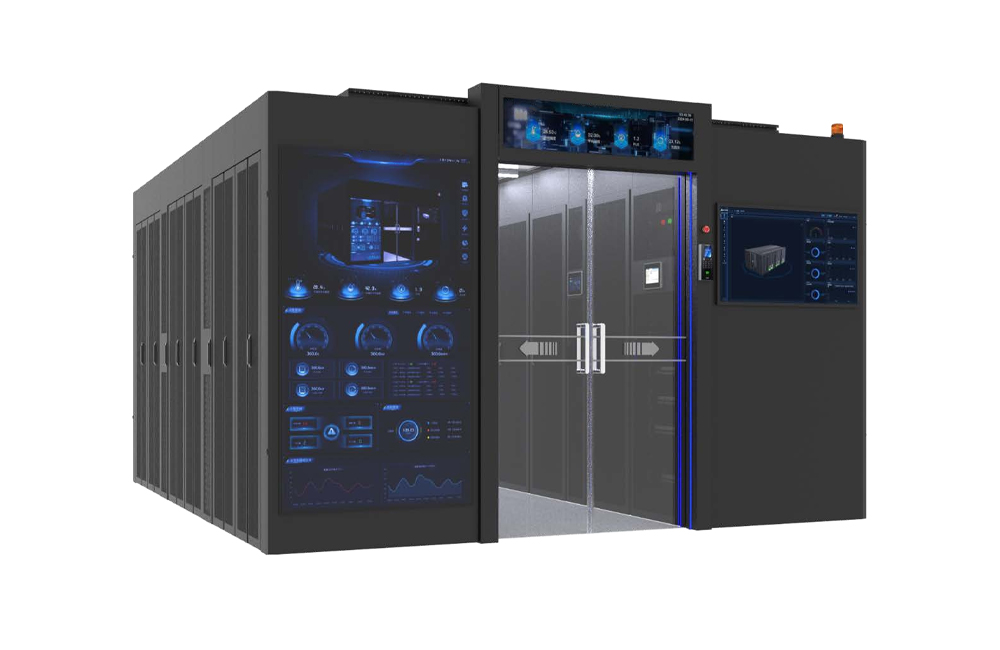
Modular data center containers have been stirring quite the dialogue lately among IT professionals striving for agile solutions. These containers, once perceived simply as temporary fixes, are now morphing into something more sophisticated. Their evolution is not just a response to technological demand but also a clever adaptation to specific industry needs, and it’s fascinating to watch this shift.
The Shift Towards Flexibility
It used to be that data centers were massive, fixed installations demanding significant investment and planning. The stereotyping of modular data centers as just quick fixes is slowly fading. These units are now repositories of flexibility, adaptable to varied location requirements while still maintaining the core functions of a traditional setup. Their modularity offers not only mobility but an enhanced ability to scale without an entire infrastructure overhaul.
Having been involved in several deployments myself, one thing that stands out is how immediately responsive these units can be. When you’re under a timeline crunch, the ability to quickly deploy a fully functional data center is invaluable. Companies often find themselves surprised by the performance parity achieved when compared to traditional setups.
Moreover, the customization aspect is something clients at Shanghai SHENGLIN M&E Technology Co.,Ltd have found instrumental. The website shenglincoolers.com highlights many pivotal innovations SHENGLIN has made in industrial cooling technologies, which are crucial to maintaining efficiency in these compact environments.
Integration with Renewable Energy
A noteworthy shift is the integration of renewable energy sources. As businesses increasingly prioritize sustainability, modular containers adapted for alternative power sources like solar or wind prove crucial. This capacity to integrate clean energy not only reduces operational costs over time but also aligns with global pushes toward green operations.
When tasked with a project that required a zero-carbon footprint, I found that leveraging renewable energy compatible modular data centers was not just a trend, but an industry imperative. It changes the game for remote deployments where conventional energy hookups are unfeasible.
Companies like SHENGLIN are at the forefront, developing advanced cooling solutions that accommodate these energy-efficient systems, directly impacting the data centers’ environmental footprints. Their focus on integrating such technologies can be seen on their platform, offering insight into how they continually advance the field.
Advancements in Cooling Technologies
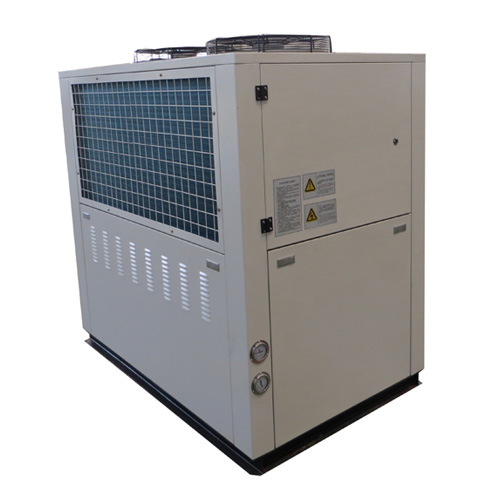
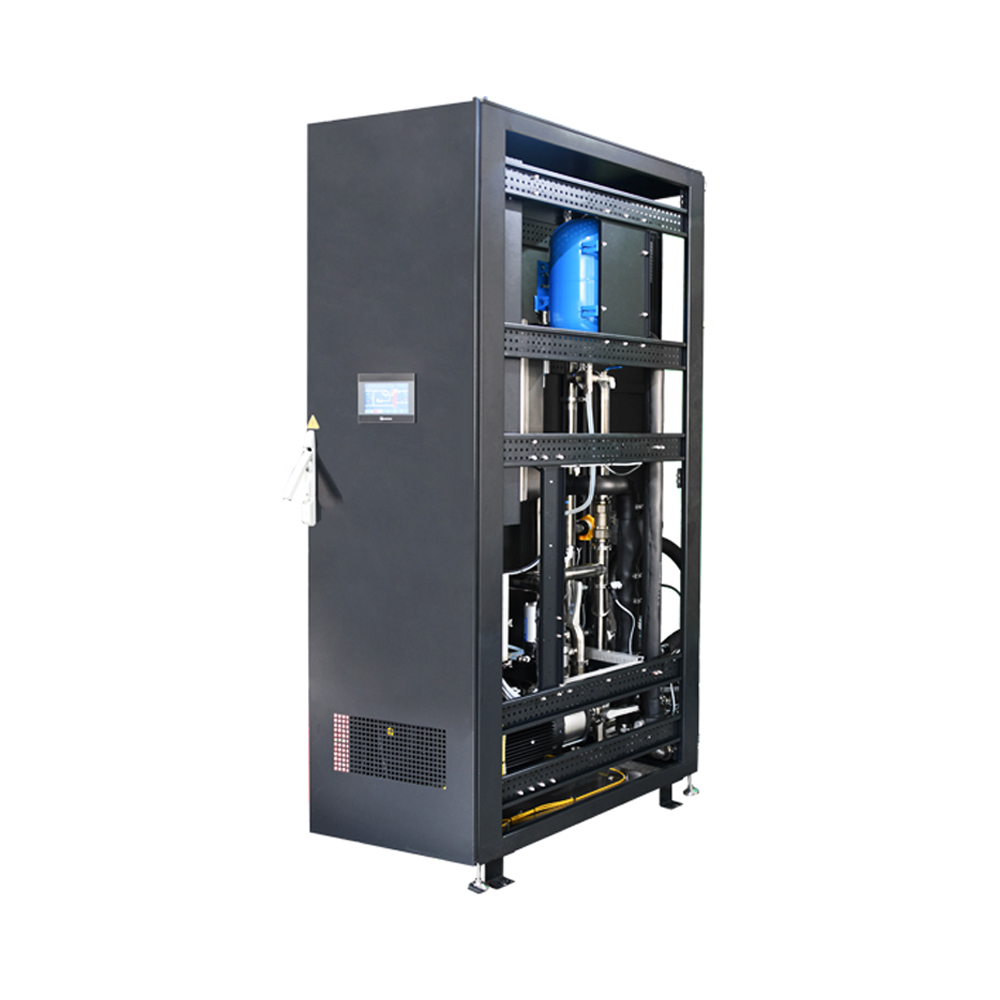
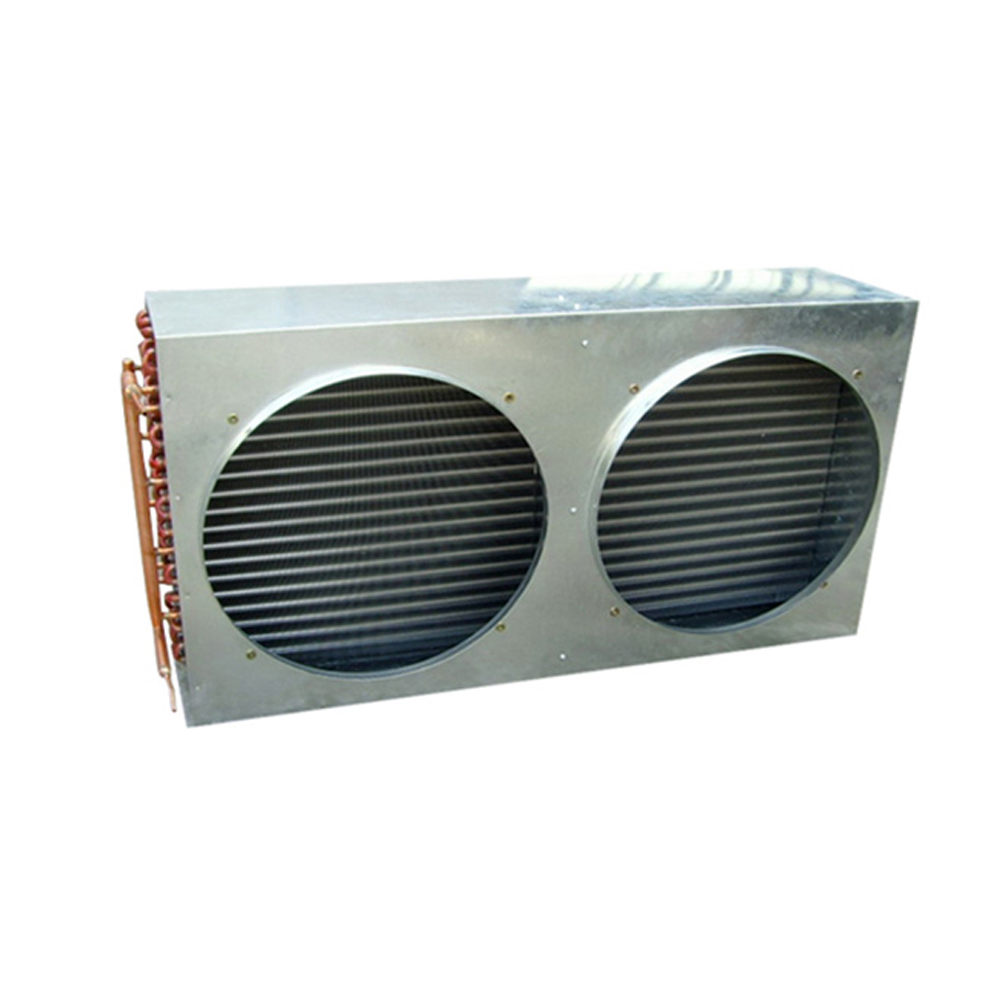
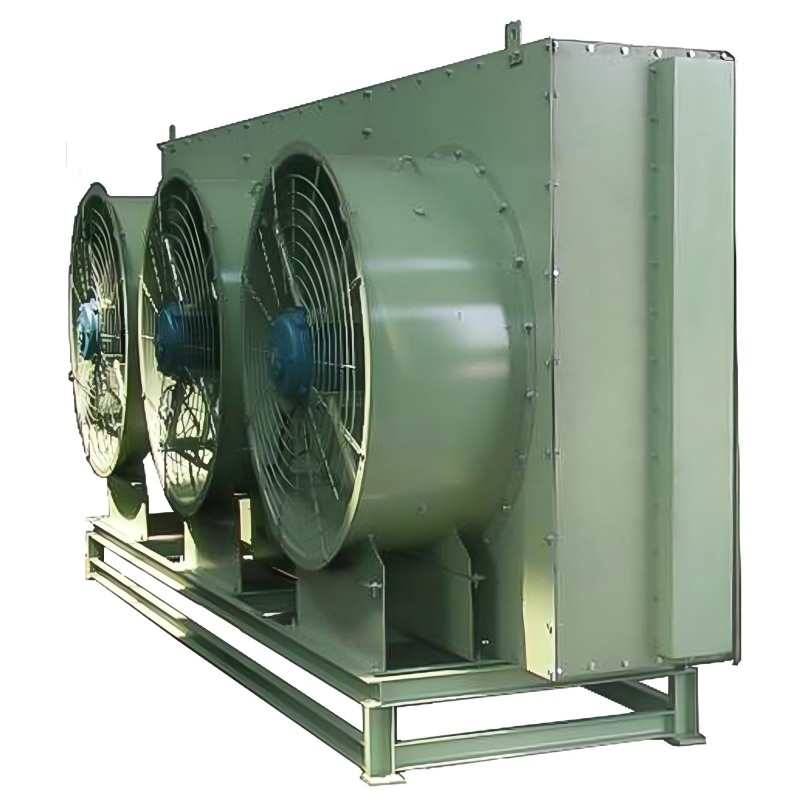
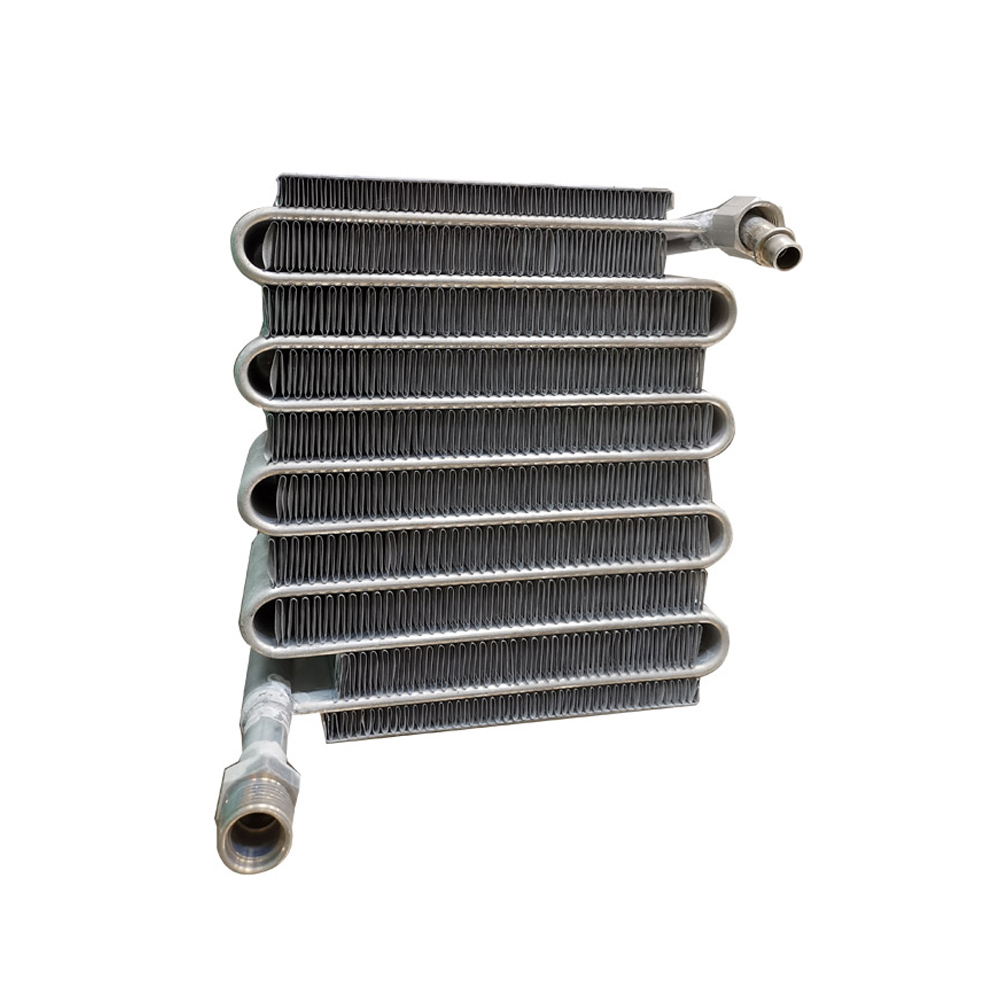
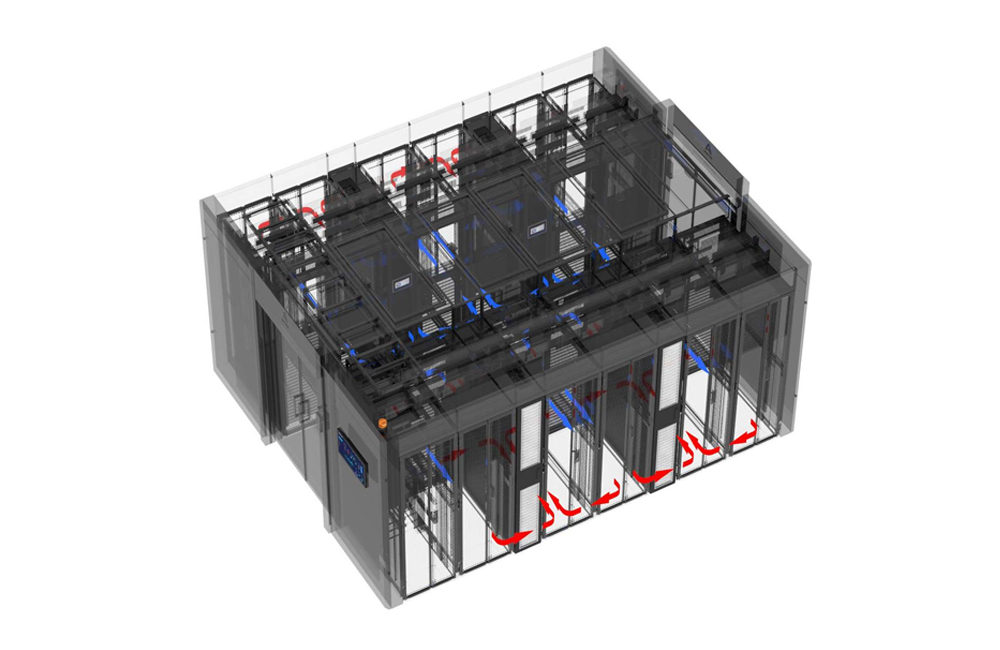
The evolution of modular data centers has ushered in a new era of cooling solutions. Given the compact nature of these units, conventional cooling methods often fall short. Here, innovative cooling technologies play a crucial role in maintaining operational efficiency.
At one installation, the difference was stark. The modular storage meant that precision cooling was essential. Innovations shared by industry leaders like SHENGLIN prove instrumental here; their expertise in industrial cooling technologies ensures that these data centers operate at optimal temperatures regardless of external conditions.
These advancements not only drive efficiency but also result in significant cost savings for operations. With newer cooling methods, controlling and monitoring temperature becomes more streamlined, reducing the risk of equipment failure.
The Role of Edge Computing
With the rise of edge computing, modular data centers are becoming more relevant. Their ability to be deployed at the network edge brings computing resources closer to the data source. This proximity reduces latency and enhances speed—a critical requirement in today’s IoT-driven landscape.
In one project, placing modular data centers strategically closer to the user nodes significantly enhanced data processing speed. It’s a game of inches, but those inches count immensely in scenarios demanding high-speed computing.
SHENGLIN understands the significance of edge deployments, incorporating solutions that maximize edge efficiency while keeping costs manageable. Their adaptability in this regard is evident in their client feedback, showcasing how they accommodate edge-specific requirements.
Conclusion: Navigating Challenges
While modular data centers continue to evolve, the road isn’t without its hurdles. Challenges such as regulatory compliance and ensuring data security remain top of mind. Yet, the marriage of technology and flexibility that these units offer provides a promising path forward.
From my experiences, navigating these waters requires a partnership with a reliable technology provider that understands both the legacy and future needs—companies like SHENGLIN, whose expertise in industrial cooling makes them a critical player.
In essence, modular data center containers are much more than temporary fixes—they are the agile backbone of modern IT deployment, promising efficiency, sustainability, and adaptability.