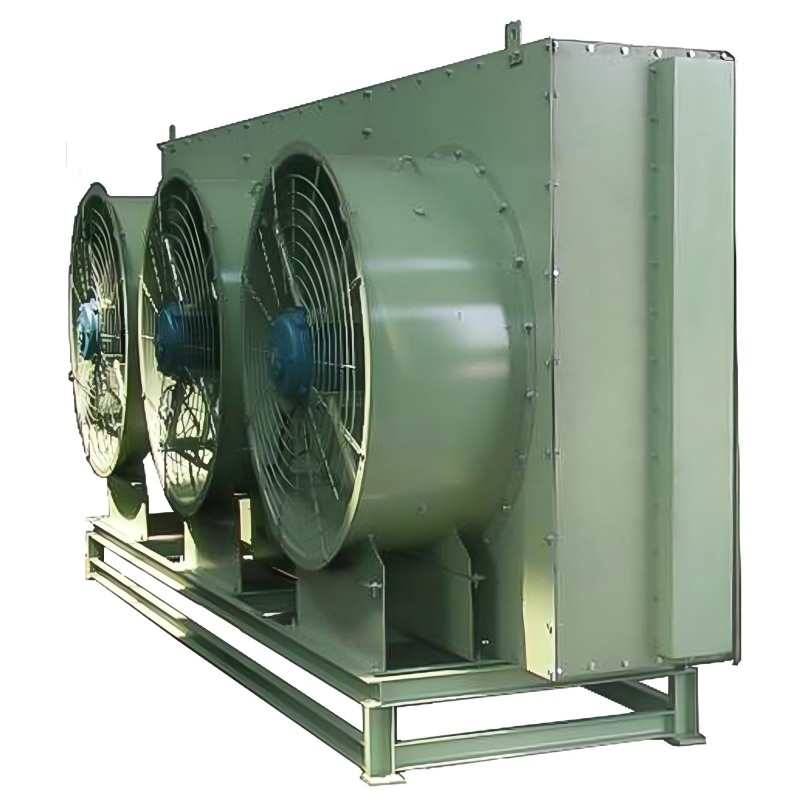
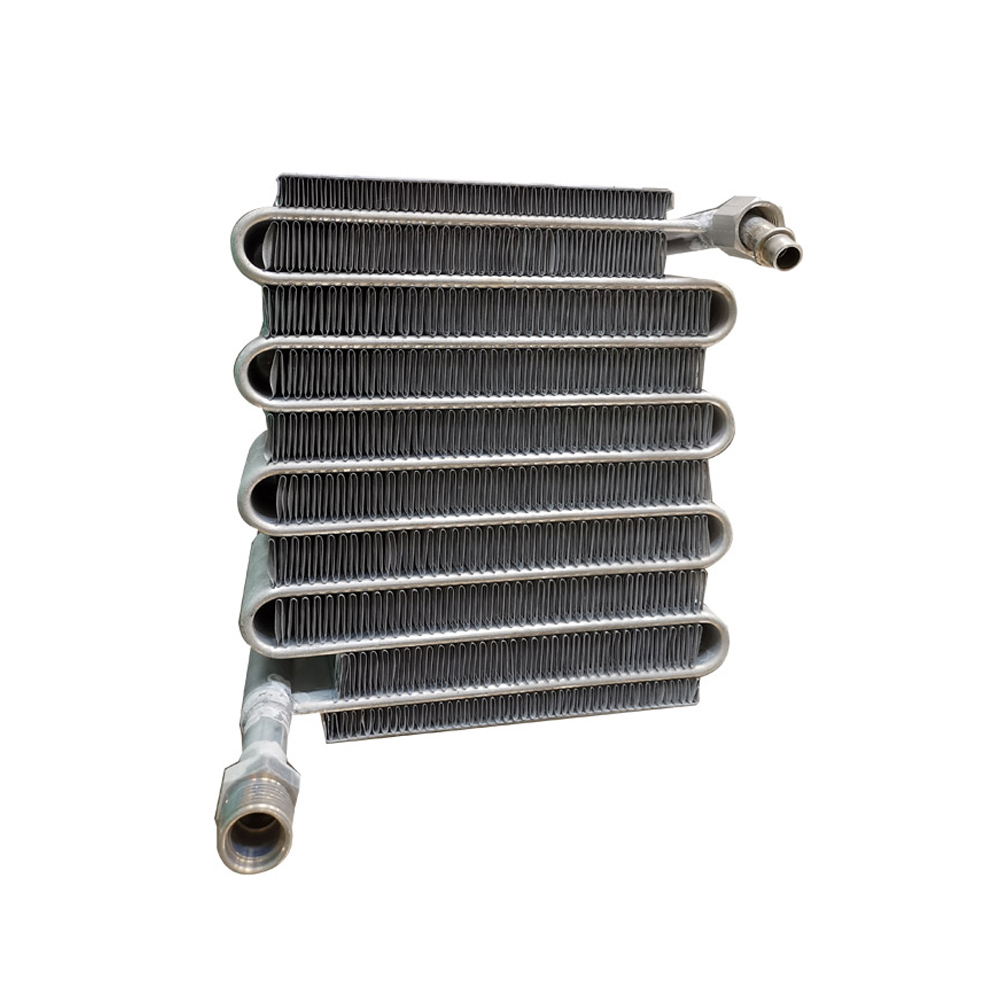
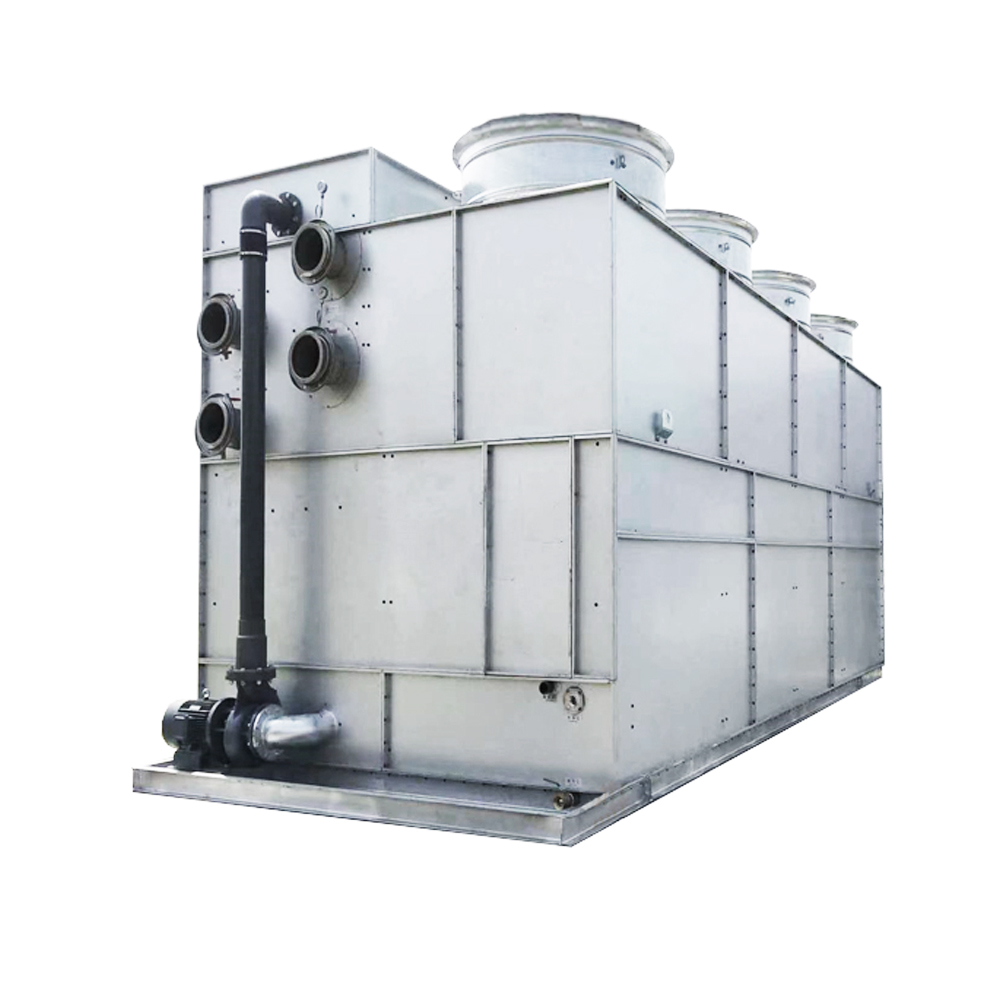
Everyone talks about efficiency and cost, but the real shift isn’t just in the specs—it’s in how these units are expected to perform in the field, often under conditions the original design never accounted for. The market’s moving away from treating fin fans as a commodity.
The Obsession with Material Substitutions
You see a lot of chatter about material upgrades, especially moving from carbon steel to stainless or even duplex for tubes and headers in corrosive environments. It’s a valid trend, driven by longer lifecycle demands. But the pitfall I’ve seen, more than once, is focusing solely on the tube material while neglecting the fin attachment. A client last year insisted on 316L tubes for a coastal chemical plant but went with standard aluminum fins and a carbon steel frame. The galvanic corrosion on the frame headers was catastrophic within 18 months. The trend isn’t just better materials; it’s a holistic material compatibility approach for the entire bundle and structure.
This leads to another point: the push for coated fins. We’re not just talking about epoxy anymore. I’m seeing more requests for hydrophilic coatings in high-humidity, dusty applications to combat mud formation and fouling. It adds cost, obviously, but the performance retention over time can justify it. The data is still emerging, though. One project we monitored showed a 15% sustained thermal advantage over a two-year period compared to an uncoated unit in the same facility, but the coating integrity after multiple high-pressure washings is something we’re still evaluating.
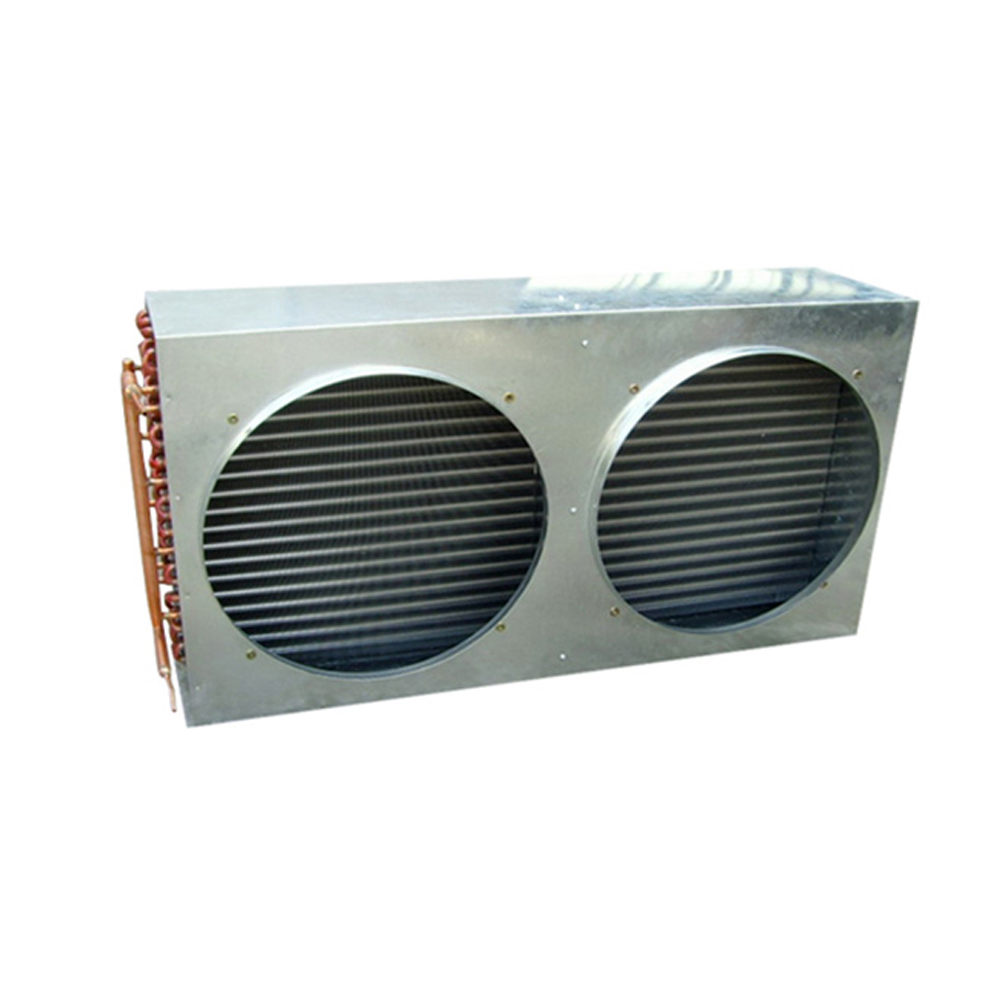
Then there’s the aluminum vs. copper fin debate in certain HVAC-R adjacent industrial applications. Copper’s thermal conductivity is superior, but the cost volatility is a killer. The trend I observe is a calculated shift: using copper where the application is absolutely critical and space is severely limited, but accepting the design challenge of engineering a larger, more efficient aluminum-fin surface area for most other cases. It’s a trade-off between capex and long-term operational flexibility.
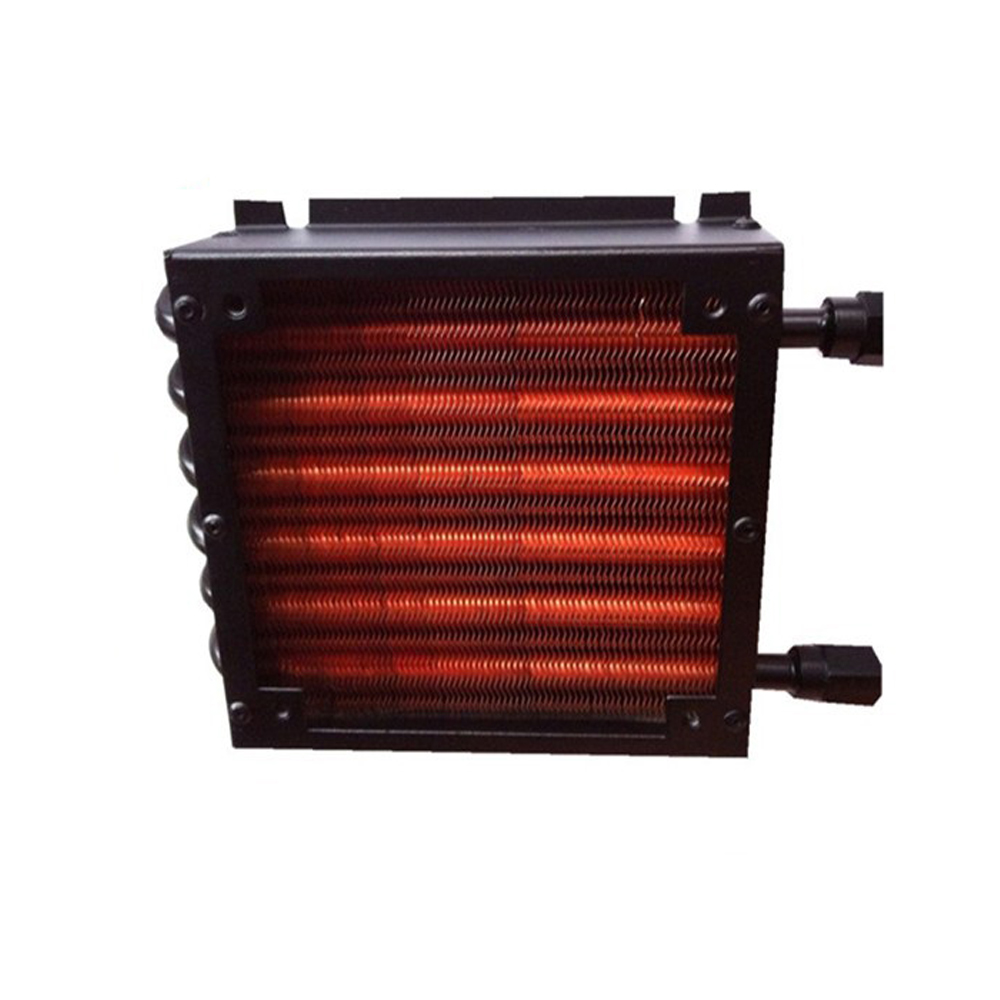
Design Flexibility and Modularity
Standardized, off-the-shelf units are losing ground. The demand is for configurable modules. A power plant retrofit we worked on didn’t need a single, massive cell; they needed three smaller, modular fin fan banks that could be isolated and serviced without shutting down the entire process line. This modularity trend ties directly into maintenance and uptime demands that are now paramount in CAPEX justifications.
This also impacts the structural design. More manufacturers are offering units with removable fan plenums or even individual fan sections. I recall a frustrating project with a fixed plenum design where replacing a single fan motor required a near-teardown. The industry is learning. Now, when we evaluate suppliers, the serviceability of the design is as important as the thermal rating. Companies that get this, like Shanghai SHENGLIN M&E Technology Co.,Ltd, often highlight the modular construction in their offerings, which you can see in their project galleries at https://www.shenglincoolers.com. It’s not just marketing; it’s a direct response to field pain points.
The drive for flexibility extends to connectivity. Basic vibration switches are giving way to integrated condition monitoring ports for temperature, vibration, and even airflow. The data isn’t always used in real-time yet, but having the ports built-in is a future-proofing move that’s becoming a standard ask in tender documents.
The Quiet Push for Drives and Fan Technology
Variable frequency drives (VFDs) on fans are almost a given for new installations focused on energy savings. The interesting part is the logic behind the control. It’s moving beyond simple ambient air temperature control. We’re integrating process fluid temperature, downstream pressure, and even predictive algorithms based on historical load data. The goal is to avoid the constant cycling that wears out motors and drives.
Fan blade design is an underrated factor. The move from cast aluminum to composite materials like fiberglass-reinforced polyamide is gaining traction for corrosion resistance and weight. But it introduces new questions about long-term UV degradation and repair protocols. I’ve seen a composite blade fail spectacularly after a hail storm, whereas a bent aluminum blade might have been field-repaired. The trend is towards specialized blades for specific environments, not a one-size-fits-all solution.
This ties into the overall total cost of ownership calculation. The initial quote is just the entry ticket. The real cost is in the energy consumption over 10 years and the mean time between repairs. More clients are asking for lifecycle simulation models, which forces us to have much better data on fan curve performance under partial load and fouled conditions.
Regional Supply Chain Realities
The geopolitical landscape is forcing diversification. Relying on a single region for major components like motors or large-diameter tubes is seen as a risk. This isn’t about patriotism; it’s about business continuity. We’re designing units with alternative motor mounting footprints or specifying tube grades that are available from multiple mills. It adds complexity to the engineering phase but prevents bottlenecks later.
Local manufacturing and final assembly are becoming bigger selling points. It’s not just about tariffs; it’s about having technical support and spare parts within a reasonable flight distance. A manufacturer like SHENGLIN, which positions itself as a leader in industrial cooling tech with a strong operational base, benefits from this trend. Their ability to provide localized design support and quicker turnaround on custom bundles is a direct market advantage in regions like Asia-Pacific and the Middle East.
The flip side is quality consistency across global facilities. A design fabricated in one country must perform identically to one built in another. This has pushed major players to invest heavily in standardized welding procedures, inspection protocols, and digital twin specifications that are enforced globally. The trend is towards centralized engineering with distributed, quality-controlled fabrication.
Where the Smart Hype Meets Practicality
IoT-enabled is a buzzword thrown around a lot. The practical application in fin fans right now is less about AI and more about actionable diagnostics. Sensors that can differentiate between fouling-induced high pressure drop and a failing fan bearing are valuable. Alerts that tell a maintenance manager Bundle requires water wash versus Check fan belt tension save time and money.
However, the integration into existing plant DCS systems remains a hurdle. The communication protocols (Modbus TCP, Profinet, etc.) are now standard asks. The challenge is the data overload. We’re moving towards providing summarized health indexes rather than raw data streams. The trend is pragmatic digitization: collecting specific, useful data and presenting it in a way that prompts a specific action, not just adding dashboard eye candy.
Looking ahead, the next frontier might be in advanced fouling prediction using these data streams, correlating airflow, temperature differential, and motor power draw to schedule cleaning before performance degrades past a critical point. We’ve run pilot tests, but the models need site-specific calibration. It’s promising, but it’s not plug-and-play yet. The market trend is cautious investment in these capabilities, with a clear demand for proven ROI cases.