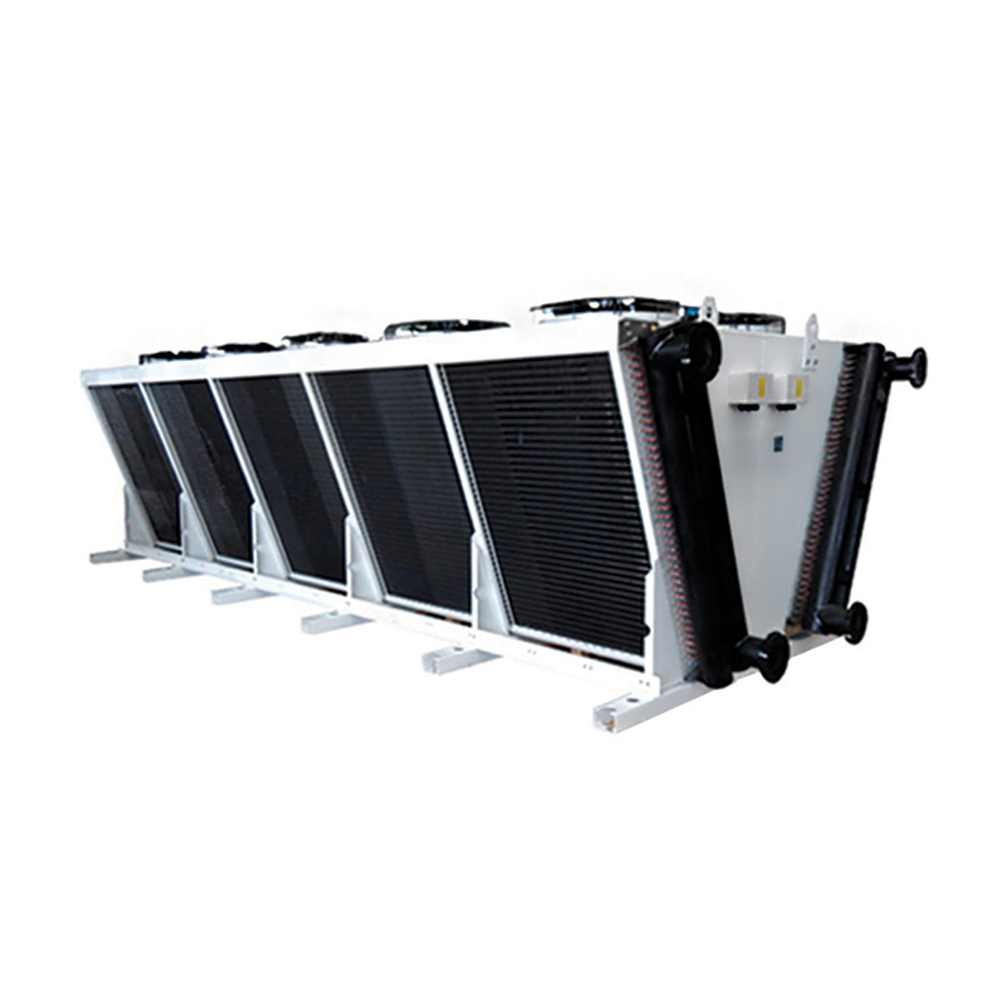
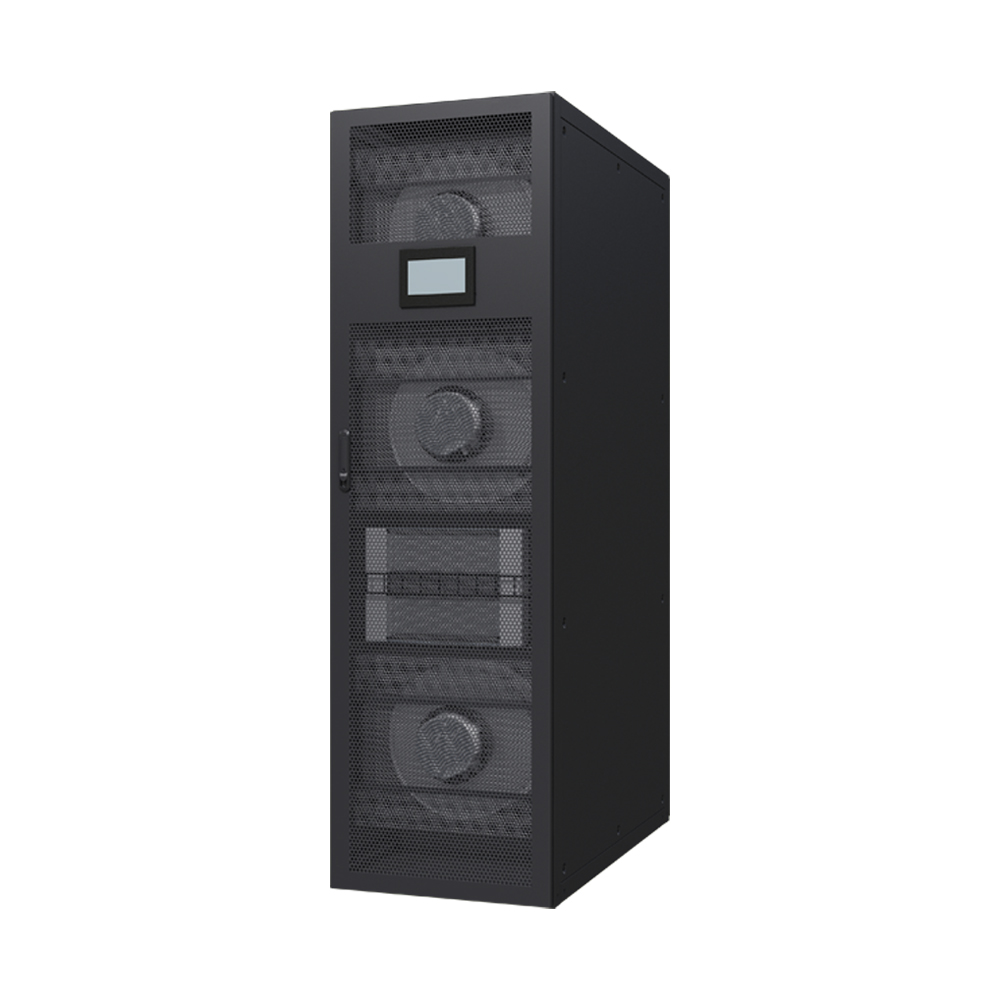
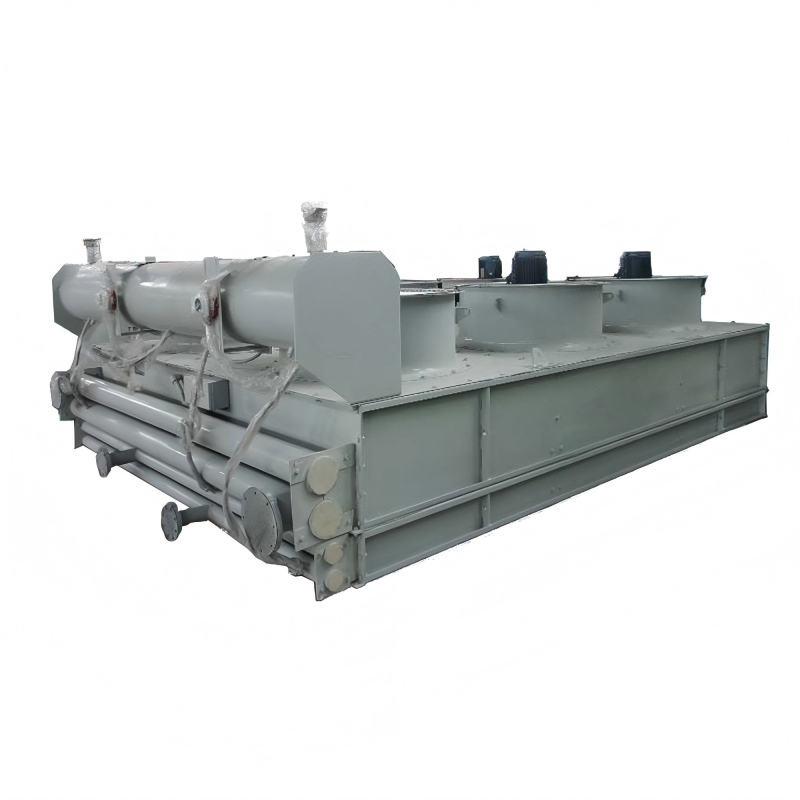
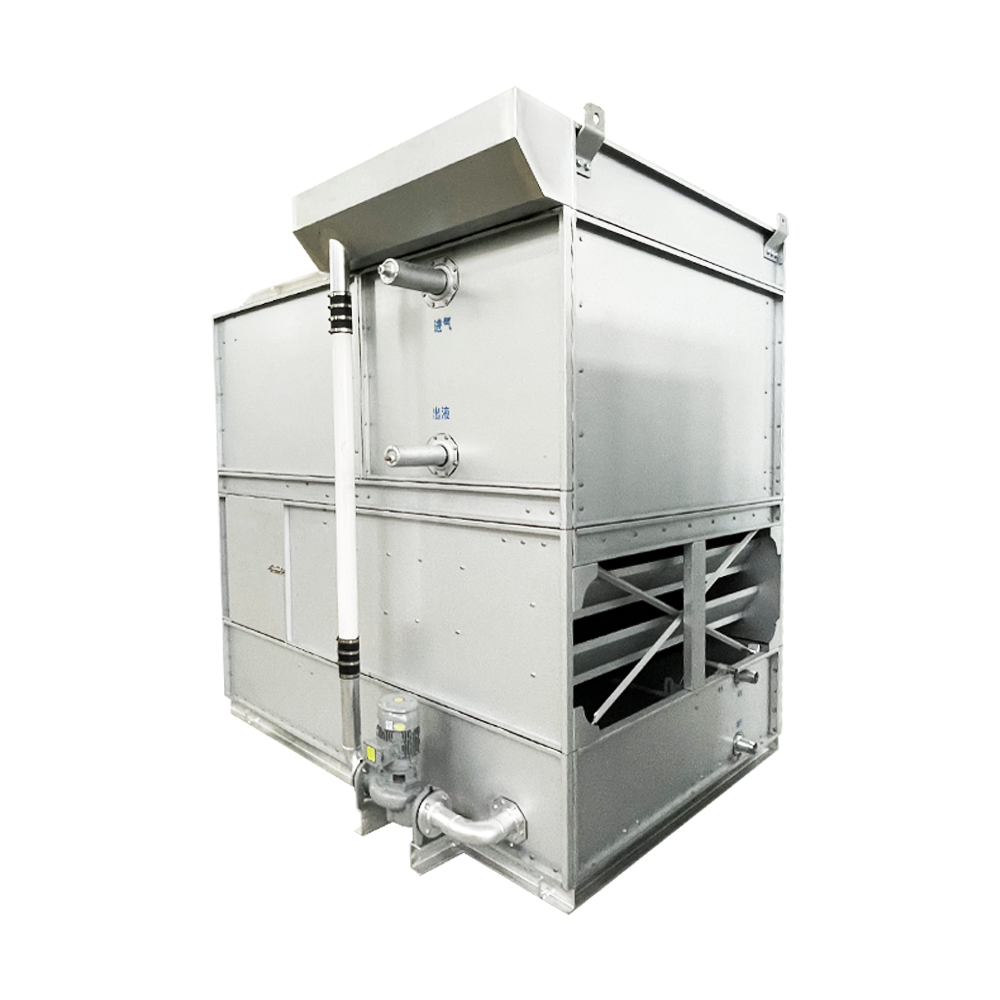
When you hear droge koeler or dry cooler, the immediate image might be a bulky, low-tech piece of hardware sitting on a factory roof. That’s the first misconception to ditch. The real conversation isn’t about the box itself, but about its evolving role as a nexus point for efficiency, integration, and surprisingly, data. Having spent years specifying and troubleshooting these systems, I’ve seen them go from a passive heat dump to a critical, intelligent component. The future impact hinges on whether we treat them as mere commodities or as adaptive thermal management platforms.
Beyond the Core Function: The Intelligence Layer
The basic principle is, and always will be, rejecting heat to ambient air without water consumption. That’s the dry advantage. But the tech impact starts with what you bolt onto that loop. We’re past the era of simple on/off fan control. Now, it’s about variable frequency drives on fans and pumps syncing with the process load and, more importantly, the wet bulb temperature. I recall a project for a plastics plant where we integrated the dry cooler controls directly with the injection molding machine’s PLC. The goal was to maintain a precise coolant temperature window to reduce cycle time. The dry cooler wasn’t just cooling; it was actively stabilizing a production parameter. That’s where the value shifts from capex to opex savings.
But adding intelligence isn’t plug-and-play. One common pitfall is the sensor placement. You can’t just trust a single ambient air sensor. We learned this the hard way on an installation where recirculation of hot exhaust air skewed readings, causing the system to overwork. The solution was a multi-point temperature array around the unit and an algorithm that discounted outliers. It sounds trivial, but this level of detail separates a working system from an optimally performing one. It’s these granular, practical challenges that shape the real-world tech adoption.
Looking at manufacturers pushing the envelope, companies like Shanghai SHENGLIN M&E Technology Co.,Ltd have been focusing on this control sophistication. Visiting their facility (you can see their approach at https://www.shenglincoolers.com) highlighted a shift from just selling a dry cooler to offering a thermal utility module with pre-packaged, programmable logic. For an industry specialist like SHENGLIN, a leading manufacturer in the cooling industry, specializing in industrial cooling technologies, the move towards smarter, connected units isn’t just a feature add-on; it’s a fundamental redesign of the product’s value proposition in the plant ecosystem.
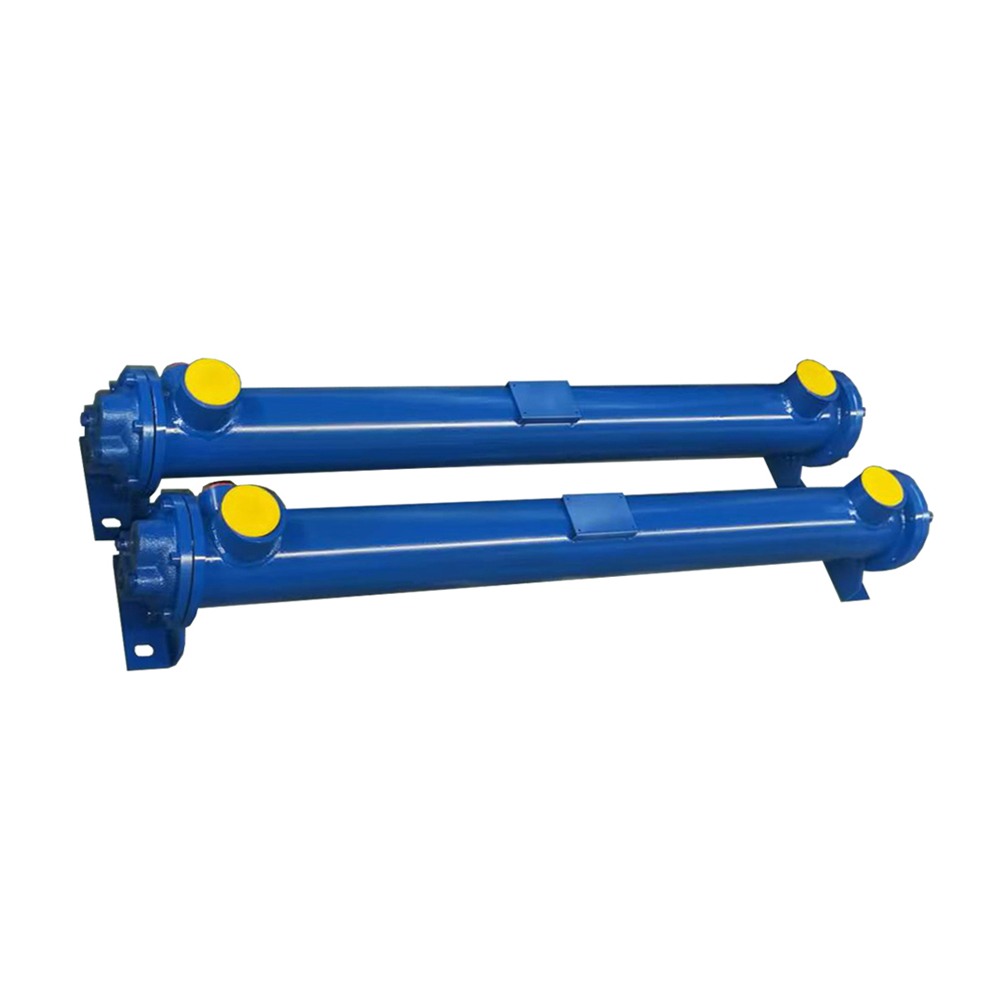
Material Science and The Efficiency Ceiling
Finned tube coils are the heart. For decades, aluminum fins with copper tubes ruled. The tech impact here is subtle but massive: corrosion-resistant coatings and enhanced surface geometries. We’re testing coils with hydrophilic coatings that improve condensate drainage in certain hybrid modes, and altered fin patterns that reduce air-side pressure drop. A 5% reduction in fan power might not sound like much, but at 24/7 operation, it’s a different financial equation.
However, new materials bring new failure modes. I’ve seen a batch of coated coils fail prematurely because the chemical environment from an adjacent process stack wasn’t accounted for. The supplier’s lab tests didn’t match our real-world atmosphere. This is a critical lesson: future tech in dry coolers isn’t just about better specs on paper; it’s about contextual resilience. The industry needs more transparency on long-term field performance of these advanced materials, not just accelerated lab reports.
The drive for lighter, more efficient materials also intersects with logistics and installation cost. A lighter unit means simpler support structures, especially in retrofit projects. This is a tangible impact. We recently replaced an old, galvanized steel unit with a new, lighter alloy one from a supplier like SHENGLIN. The crane time was halved, and the structural reinforcement costs were avoided. That’s a direct tech impact on the total project budget, often overlooked in the initial equipment comparison.
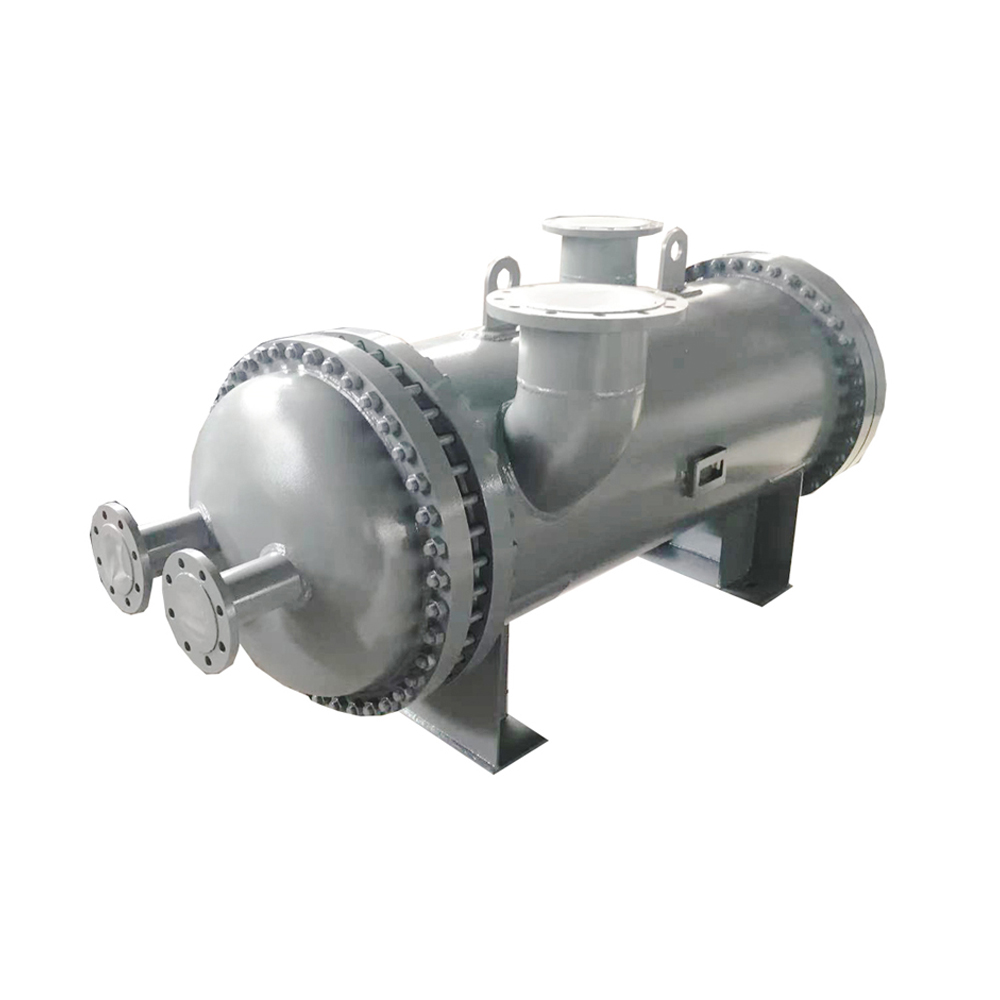
Integration with Broader Systems: The Hybrid Path
Pure dry cooling hits a wall in high-ambient conditions. The future isn’t necessarily a standalone droge koeler, but a hybrid system. Think dry cooler with an adiabatic pre-cooling stage or a trim chiller. The tech challenge is seamless mode switching. I worked on a data center project where the system toggled between dry, adiabatic, and mechanical cooling based on a rolling 12-hour weather forecast. The logic was complex—pre-wetting pads before a predicted temperature spike to avoid a lag in cooling capacity.
These integrations are where most control system failures occur. The handshake protocols between different vendors’ equipment (the dry cooler, the chiller, the building management system) are a nightmare. We spent weeks debugging a communication loop where the dry cooler and the chiller were both trying to lead the temperature control, fighting each other. The solution was to designate one master controller, a simple concept that wasn’t defined in any of the original vendor manuals. The tech is there, but the interoperability standards are lagging.
This is where manufacturers with a systems mindset have an edge. A company that can provide the dry cooler, the adiabatic module, and the unified controller as a tested, pre-assembled package reduces this integration risk significantly. It moves the complexity from the field to the factory floor, where it’s easier and cheaper to manage.
The Data and Predictive Maintenance Angle
This might be the biggest sleeper impact. Modern dry coolers are sensor-rich: vibration on fan motors, differential pressure across the coil, bearing temperature, power draw. This data, if logged and analyzed, moves maintenance from calendar-based to condition-based. We piloted a system where trending the gradual increase in air-side pressure drop signaled coil fouling, triggering a cleaning cycle before efficiency degraded past a set point.
But collecting data is one thing; making it actionable is another. Most plant maintenance teams don’t have the bandwidth to monitor another dashboard. The real impact will come from edge computing—simple algorithms on a local gateway that send only alerts and recommendations, not raw data streams. For instance, Fan Bank 3 on Dry Cooler Unit A shows current imbalance, likely due to bearing wear. Schedule inspection within 2 weeks. That’s useful.
The obstacle is the initial investment in the sensing hardware and the trust in its diagnostics. It’s a cultural shift as much as a technical one. We had to prove the ROI by catching two impending fan failures during the pilot, avoiding unplanned downtime that would have cost ten times the sensor package. The tech enables it, but the business case drives adoption.
Environmental Regs and the Indirect Driver
Finally, don’t underestimate regulation as a tech accelerator. Stricter rules on water usage and chemical treatment for wet cooling towers are making dry coolers the default choice in more regions. This isn’t just about swapping one for the other. It forces a re-engineering of the entire heat rejection strategy for larger facilities. Suddenly, you need more dry cooler surface area or higher efficiency, pushing the tech on the materials and control fronts we discussed.
There’s also the refrigerant phase-down. As chillers face restrictions on high-GWP refrigerants, the incentive to maximize free cooling hours via a dry cooler grows. The dry cooler becomes a key asset in reducing the chiller’s runtime and total refrigerant charge. This shifts the system design philosophy. We’re now modeling annual thermal loads with hour-by-hour weather data to right-size the dry cooler segment, making it a co-star in the cooling drama, not just a supporting actor.
So, what’s the future tech impact of the droge koeler? It’s multifaceted. It’s becoming an intelligent, connected, data-generating node in the industrial ecosystem. Its development is being pushed by material science, control integration challenges, and environmental policy. The companies that will lead, like those with deep application experience such as SHENGLIN, are the ones viewing it not as a standalone product, but as the adaptable core of a thermal management strategy. The box on the roof is getting a brain, and that changes everything.