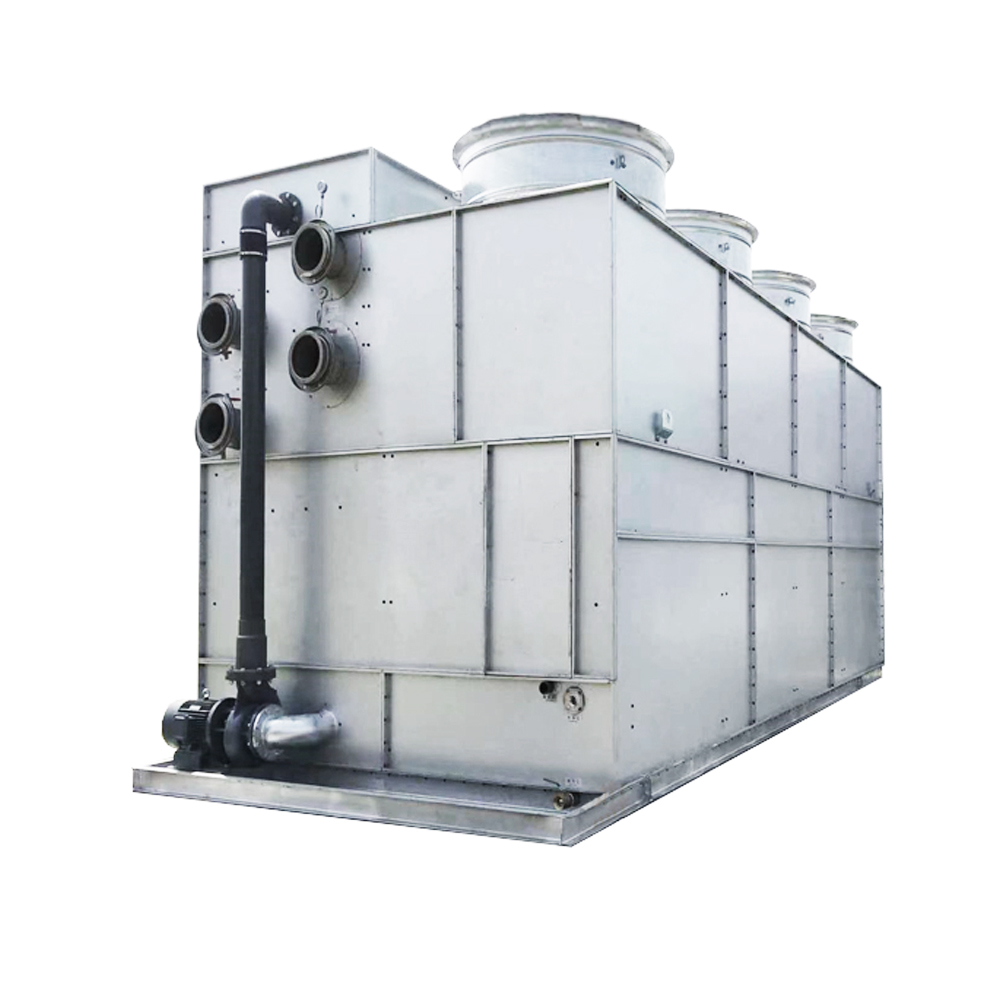
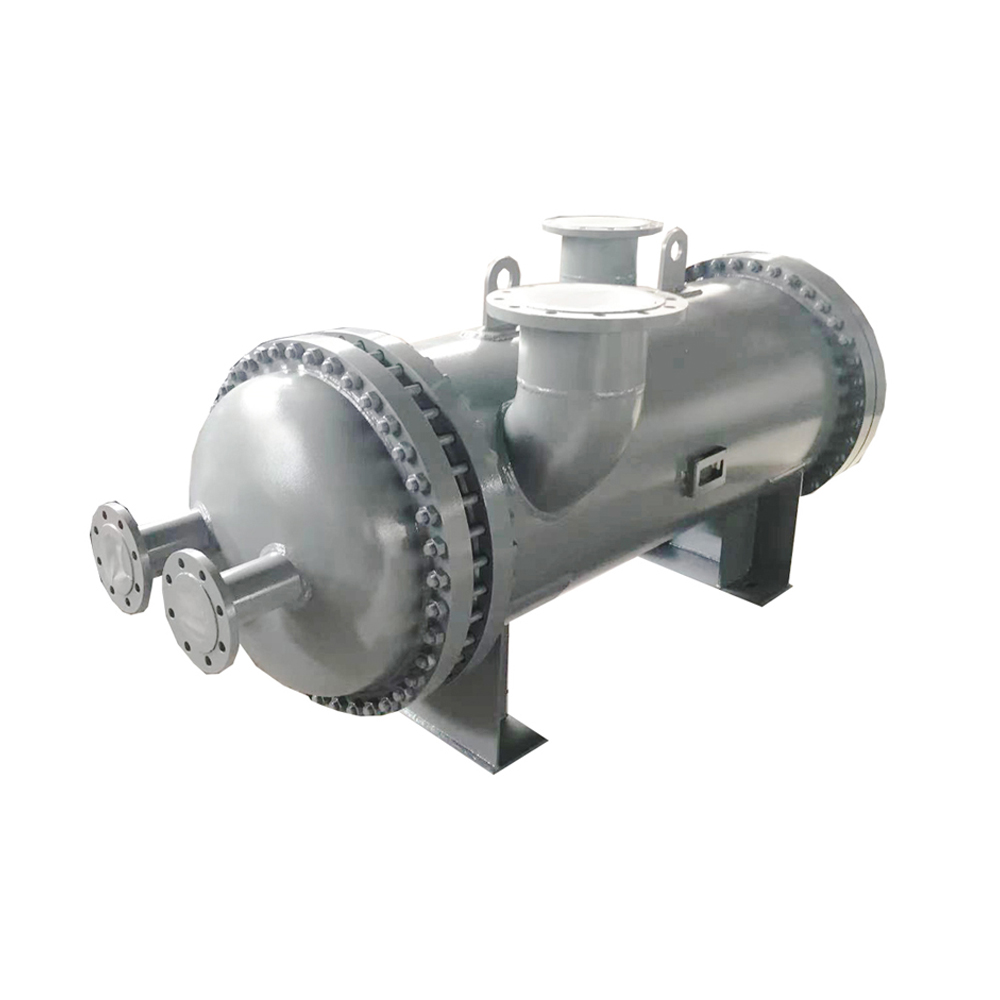
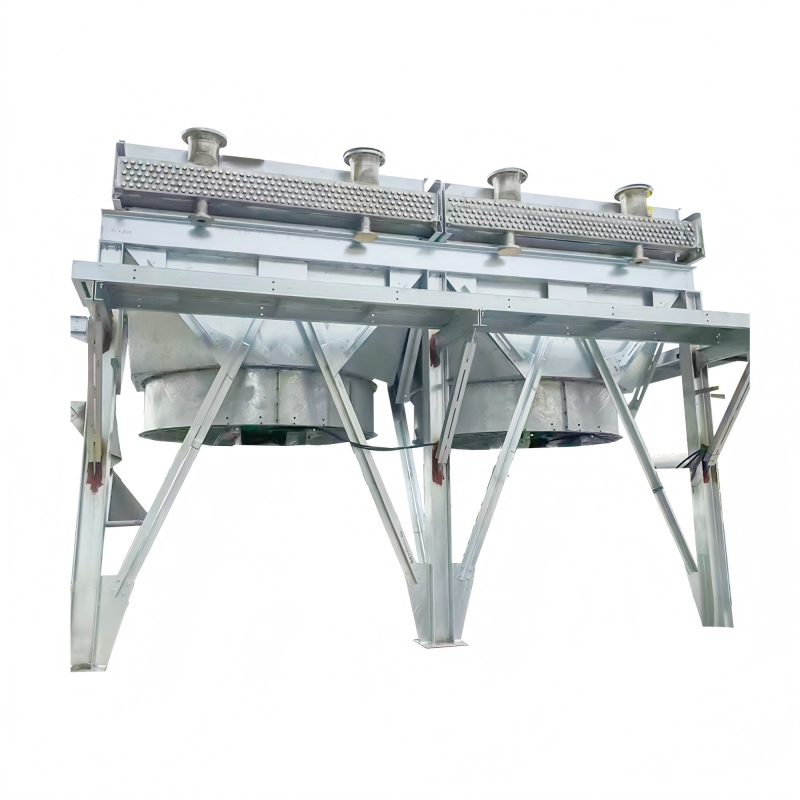
Look, when people ask about trends in the prefab air cooler exchanger space, they often expect a neat list of drivers and growth percentages. The reality is messier. The real trend isn’t just about demand going up—it’s about the entire project execution model shifting under our feet, and not everyone’s adapting correctly. I’ve seen shops get the technical specs perfect but fail on site because they treated the ‘prefabricated’ bit as an afterthought.
The Core Shift: From Component to Modular Solution
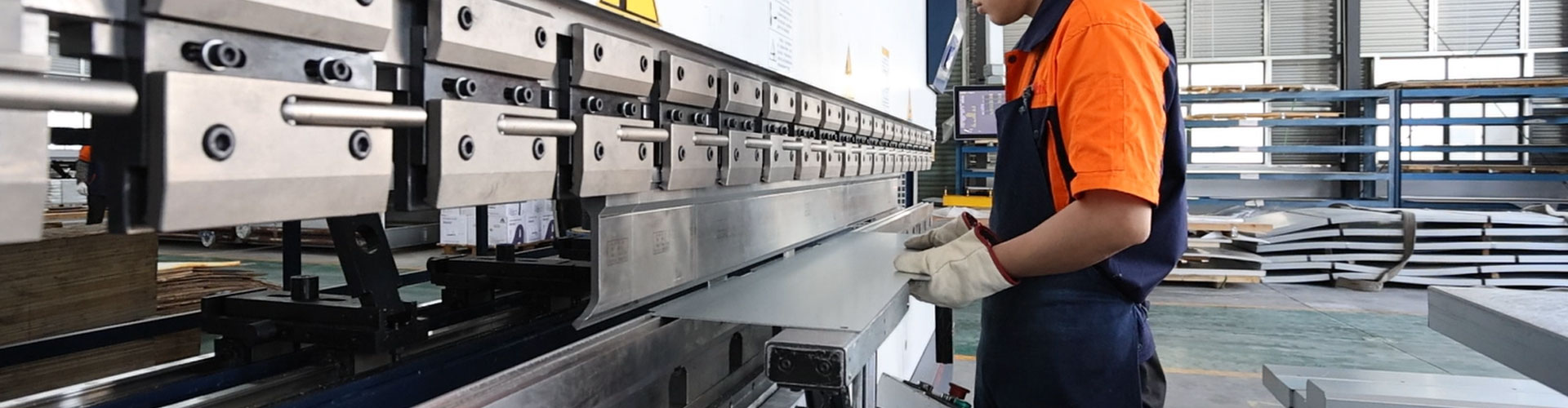
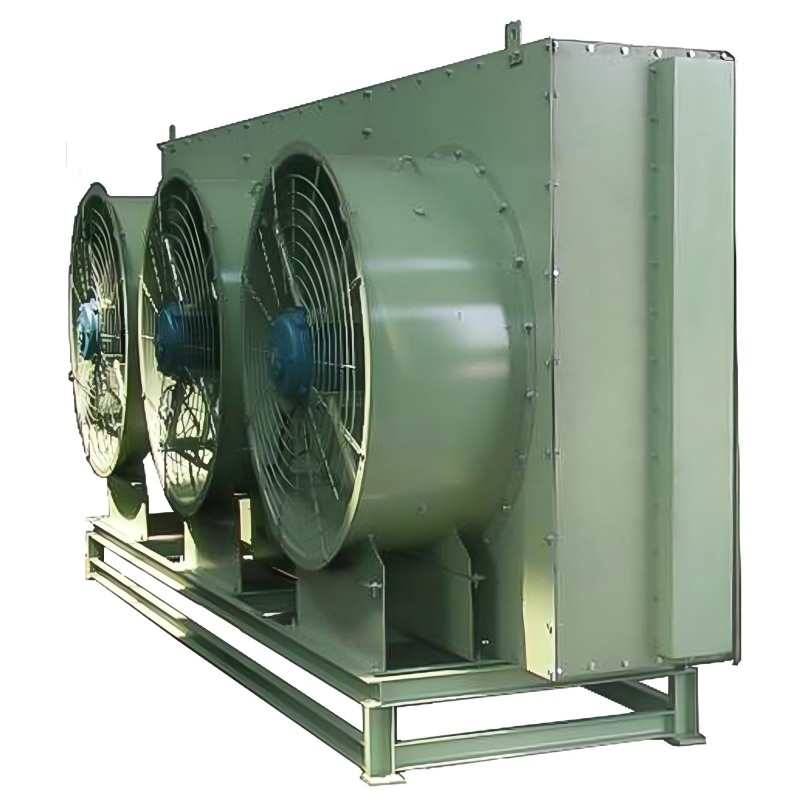
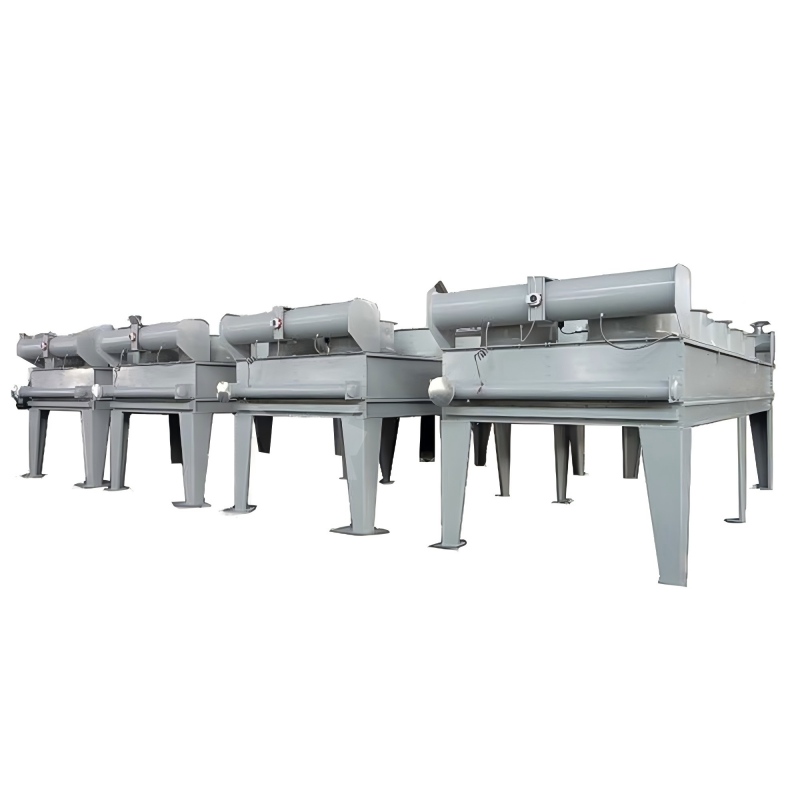
It’s not just selling a heat exchanger anymore. You’re selling a prefabricated air cooler module that lands on site with piping, structural steel, fans, and walkways pre-assembled on a single skid. The value proposition has flipped. Clients aren’t buying just thermal performance; they’re buying reduced field labor risk and a compressed schedule. I remember a petrochemical retrofit in 2022 where the client’s biggest cost overrun wasn’t the equipment, but the weather delays and union labor for field assembly. The next phase, they went prefab. The premium on the unit was offset within weeks by earlier commissioning.
This pushes manufacturers into a design-build role they might not be ready for. It’s one thing to guarantee a U-value, another to guarantee that your module will fit through the specific access gate of a plant and that the lifting lugs are in the right place for their crane. I’ve been in meetings where the most heated debates were about transport logistics, not material selection. That’s the new normal.
Companies that get this, like Shanghai SHENGLIN M&E Technology Co.,Ltd, have structured their engineering teams differently. They aren’t just thermal engineers; they have civil and mechanical folks who think in 3D models from day one. SHENGLIN’s focus on industrial cooling technologies gives them a leg up here—they’re used to the site constraints of heavy industry. Their website shows units that clearly consider maintenance access from the outset, which is a tell-tale sign of practical experience.
Material Moves: Aluminum’s Push and the Carbon Steel Reality
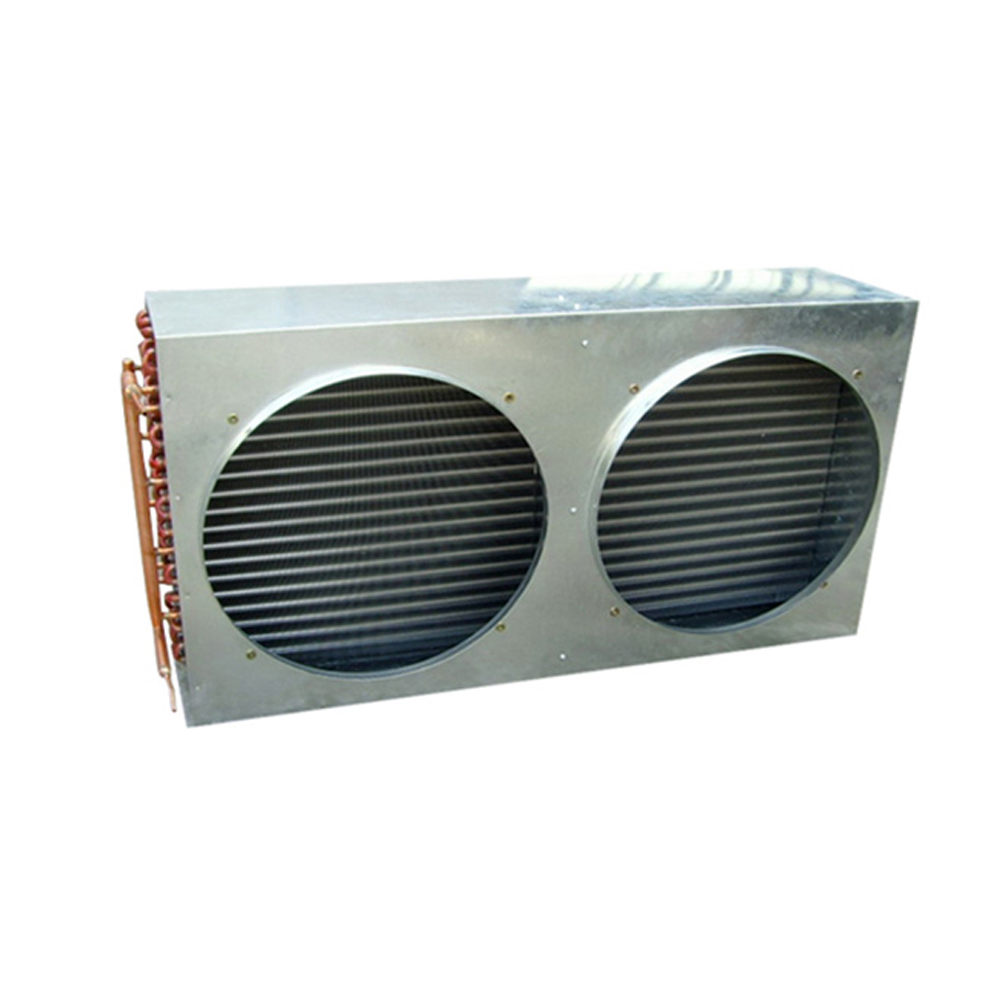
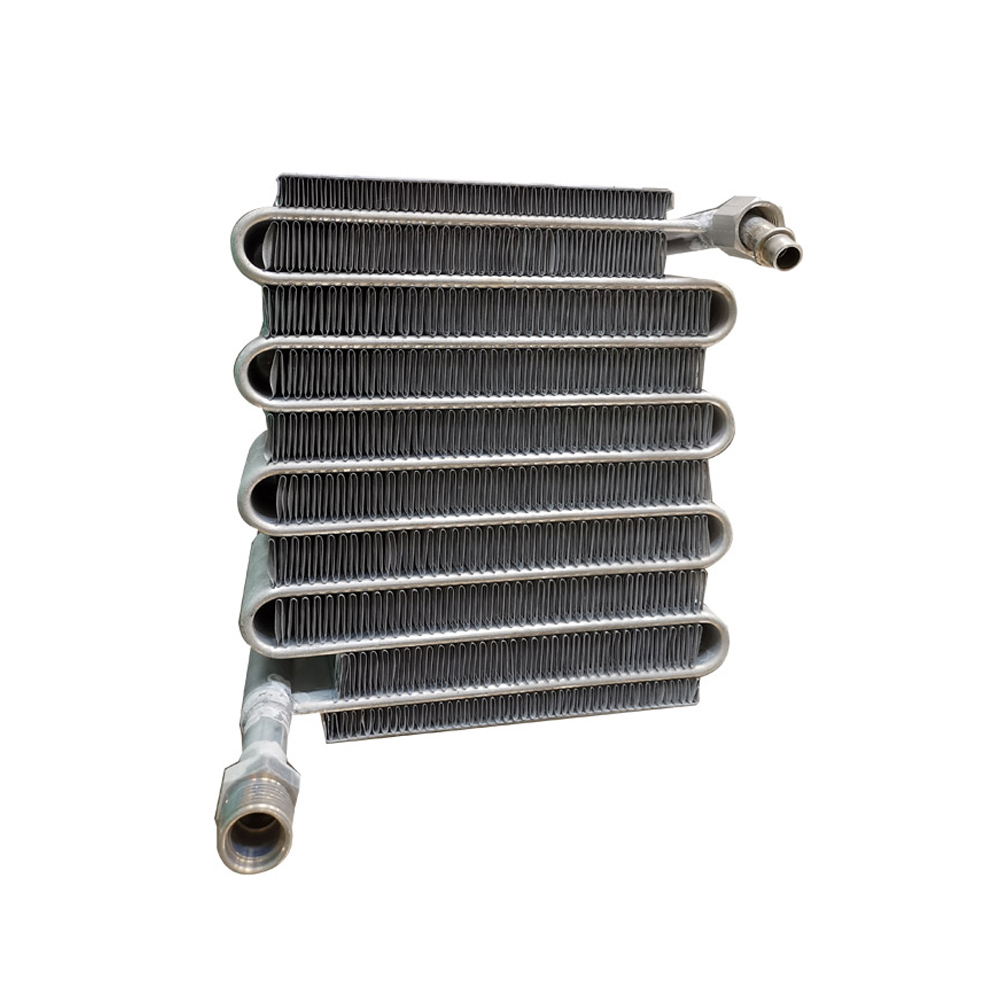
There’s a lot of noise about advanced materials. You’ll see papers touting aluminum fins for corrosion resistance and lighter weight, which is great in theory. And for certain chemical or coastal applications, it’s a must. But walk through any major power plant or refinery, and you’ll still see miles of carbon steel tubes with hot-dip galvanized steel fins. Why? Cost and repairability. A plant mechanic can weld a carbon steel header. An aluminum fin pack is a replaceable item.
The trend I see is a bifurcation. For standard HVAC and light industrial duty, aluminum and coated coils are becoming standard—it’s a clean, low-maintenance sell. For heavy industrial air cooler exchanger applications, the shift is in the coatings and protection, not the base material. We’re specifying more robust epoxy coatings for the entire structural skid, not just the coil. The module might sit in a laydown yard for months; surface protection is part of the product now.
One failed attempt I was involved in: we pushed a full stainless-steel structure for a highly corrosive environment in Southeast Asia. Technically superior, but the budget blew up. The lesson learned was to hybridize—stainless for critical wet parts, protected carbon steel for the frame. The market trend is toward this pragmatic, mixed-material design optimized for total lifecycle cost, not just upfront price or theoretical longevity.
The Data Integration Headache
This is a subtle but critical trend. Modern plants want performance data. They expect a prefabricated cooler to come with vibration sensors, temperature probes at the inlet and outlet headers, and maybe even embedded corrosion coupons. The module isn’t dumb iron; it’s a data node. The problem is integration. The client’s DCS might be from Emerson, the sensors are from a third party, and our control panel is from a local supplier. Making that plug-and-play is a nightmare.
We’re moving toward providing a standardized communication protocol (like Modbus TCP) output as a default option. It adds cost, but it’s becoming a spec item on larger projects. The manufacturer that can deliver a physically integrated module that’s also digitally integrated will command a premium. I know of a project where the cooler was installed perfectly, but the data integration took three extra weeks of software contractor fees, erasing the schedule savings. That failure defined the specs for all their subsequent orders.
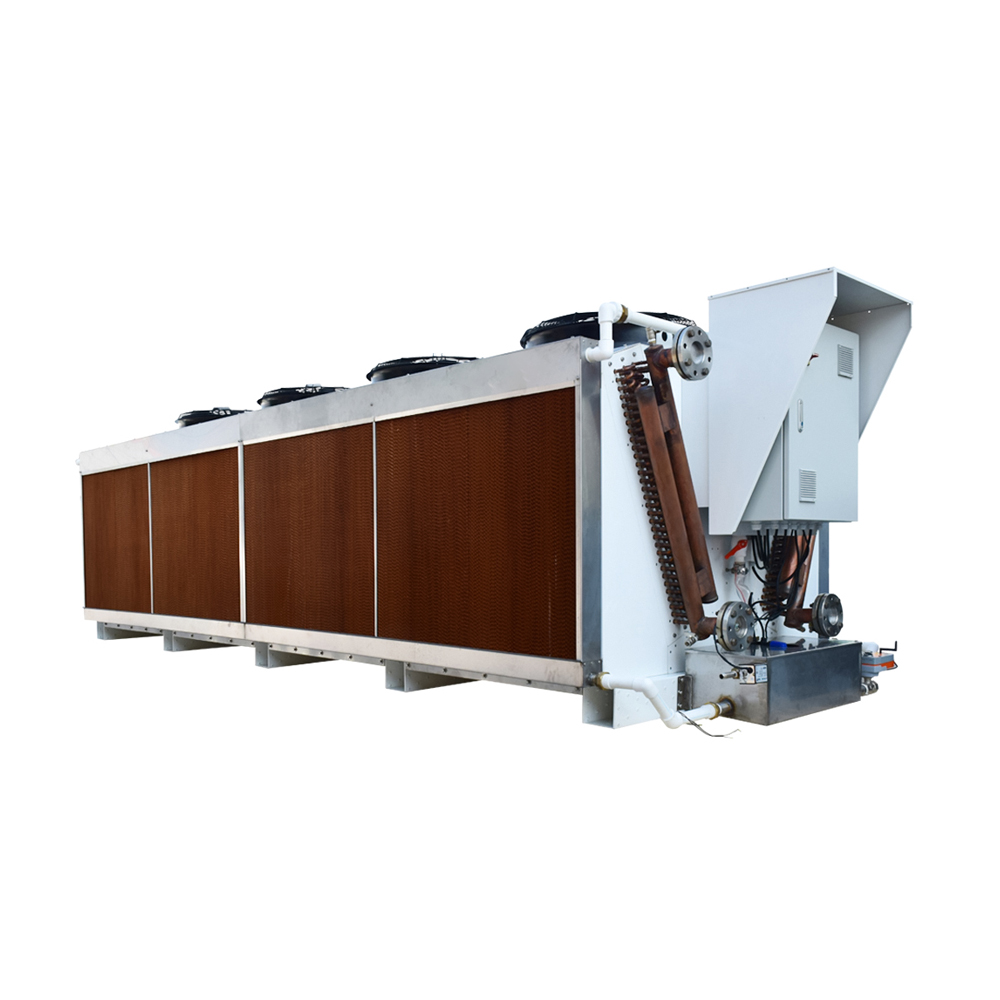
Regional Fabrication Hubs and Logistics
The ‘where’ is as important as the ‘what’. The model of building everything in a single low-cost country and shipping globally is straining. Freight costs and delays have made regional fabrication hubs attractive. You’re seeing design being done centrally, but the actual fabrication and assembly happening in, say, the Gulf Coast for the Americas, or Poland for Europe. This requires a level of quality control and partner management that most traditional manufacturers aren’t set up for.
It’s not just about having a local welder. It’s about ensuring the local fabricator understands the thermal stresses and doesn’t just treat it as structural steel. I’ve had to fly to a partner facility to explain why you can’t weld a lifting lug onto a pressurized header without post-weld heat treatment. The trend is toward companies establishing their own satellite assembly facilities or entering into very tight, supervised joint ventures. A company’s global footprint, like SHENGLIN’s position as a leading manufacturer in the cooling industry, becomes a real asset if they can manage this distributed model effectively.
The Aftermarket Becomes the Front Market
Finally, the business model is shifting. Selling a new unit is one transaction. But that prefab module will need service—fin cleaning, motor replacement, header repair. The trend is to bundle long-term service agreements with the initial sale. You’re not just delivering a product; you’re delivering uptime. This changes the design priorities: ease of maintenance becomes paramount. Are there isolation valves for each pass? Can you replace a fan blade without dismantling the walkway?
Smart manufacturers are using these service contracts as a feedback loop. They learn what fails in the field and iterate the design. For instance, we found that ladder orientation was causing safety issues during routine inspections. That detail was changed in the next generation of modules. This closed-loop, service-informed design is a powerful trend that separates product sellers from solution partners. It turns the air cooler exchanger from a commodity into a managed asset, which is where the real, sticky value is for both the client and the manufacturer.