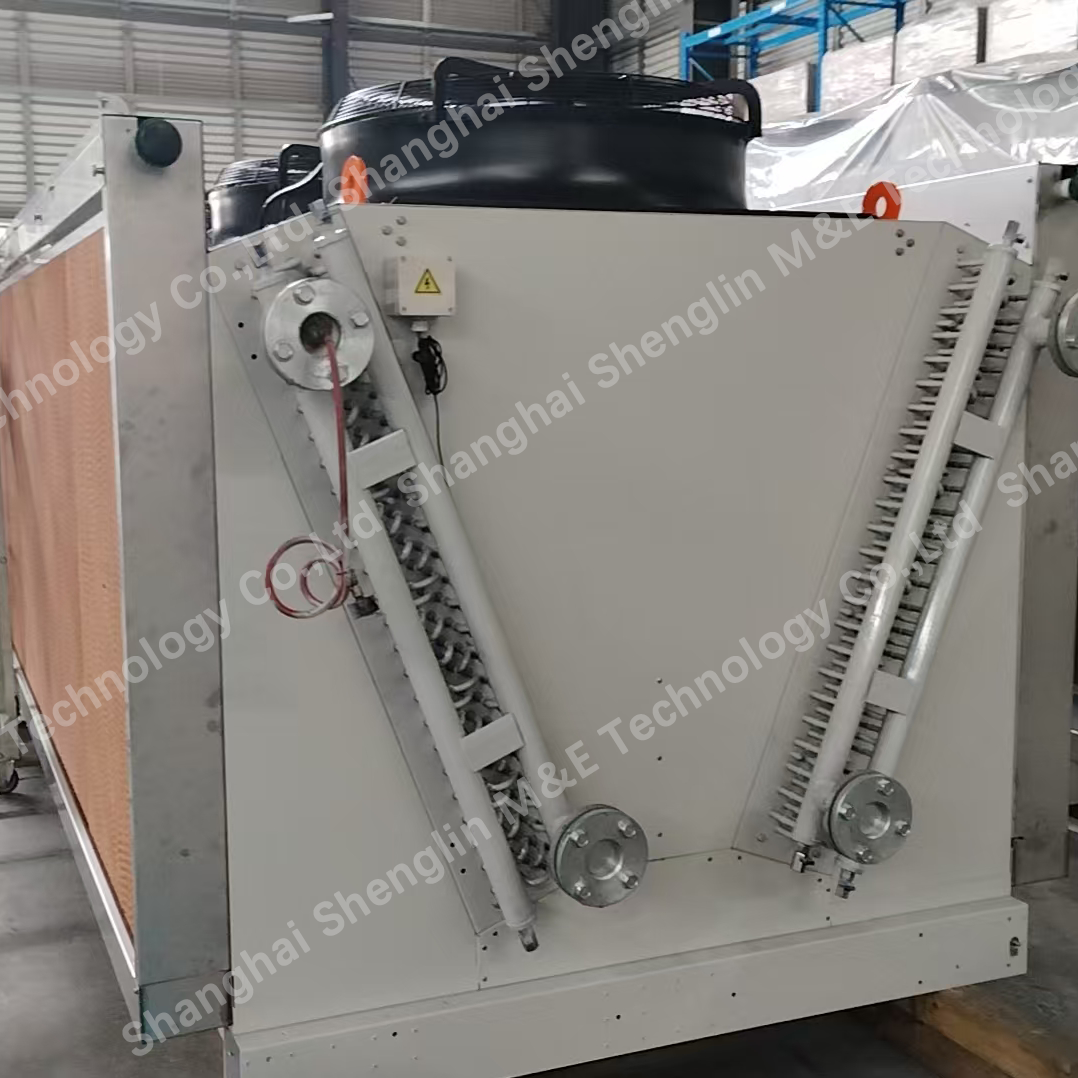
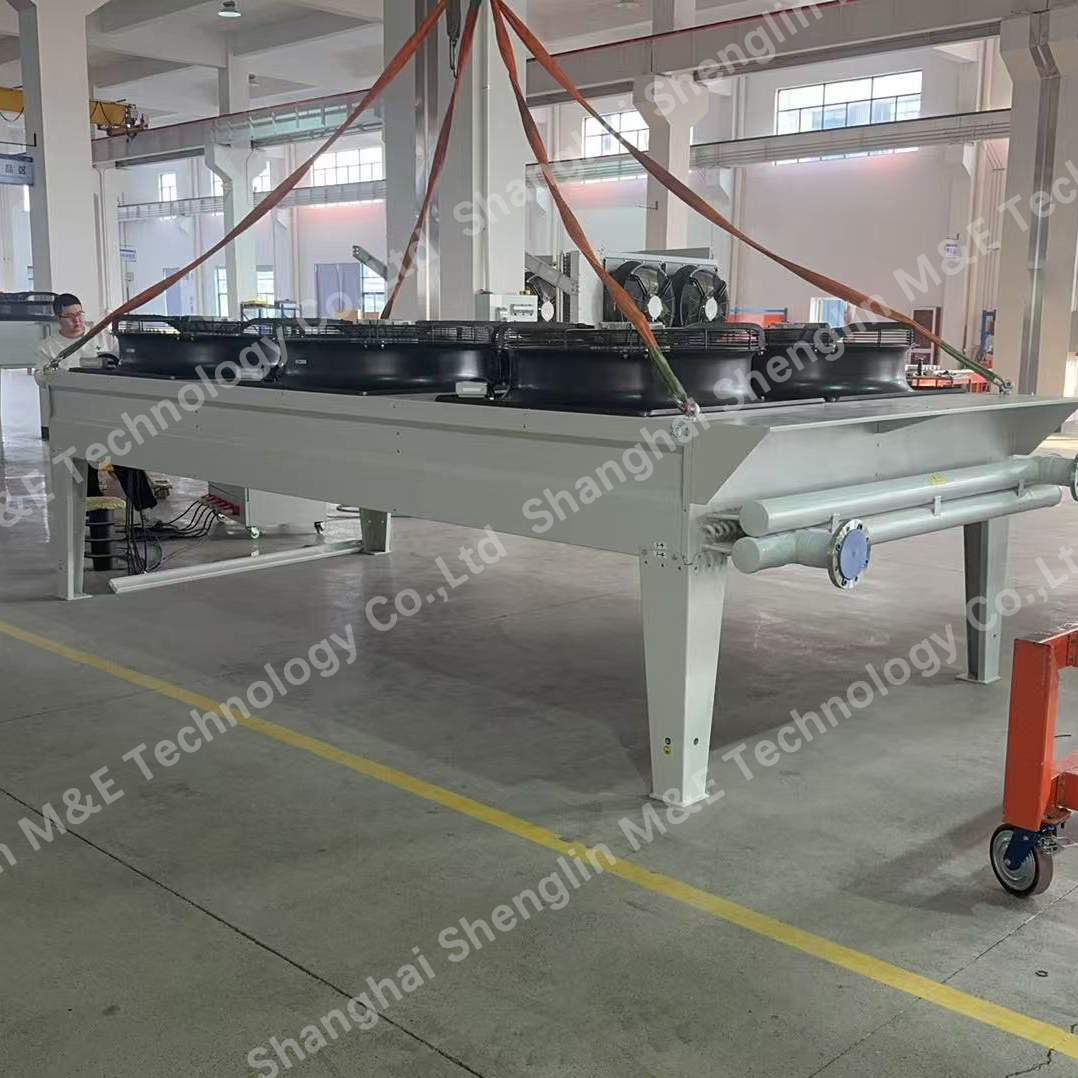
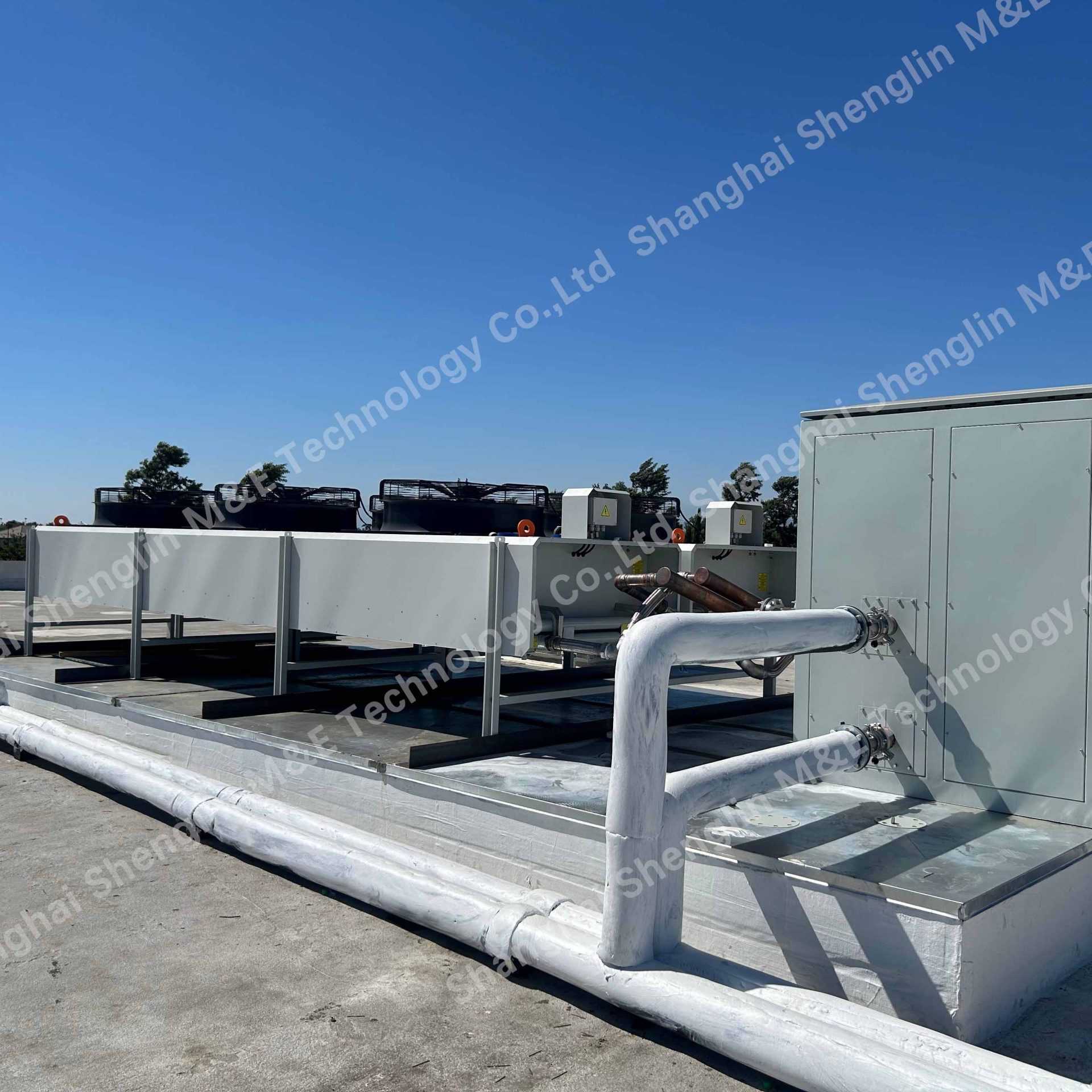
When people talk about sustainability in industrial cooling, the immediate leap is often to high-tech, expensive retrofits or outright system replacements. But in my years on the floor and in the field, I’ve seen the real gains—the kind that move the needle on both carbon footprint and operational cost—come from optimizing the core component we already rely on: the air cooler heat exchanger. It’s not just a box of fins and tubes; it’s the primary interface for waste heat rejection, and how we manage that process dictates everything from water consumption to compressor load. The misconception? That sustainability is an add-on. In reality, it’s baked into the fundamental physics of heat transfer and airflow design.
The Direct Link: Energy Efficiency and Thermal Duty
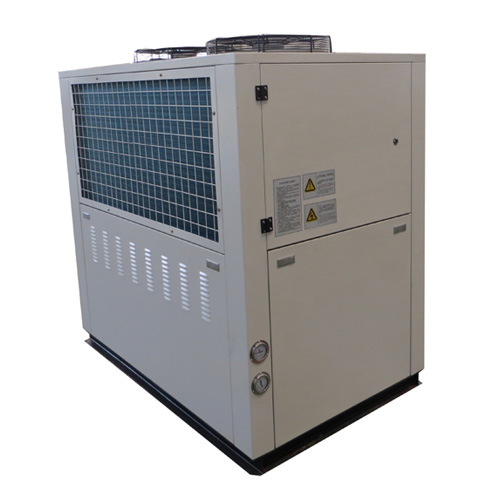
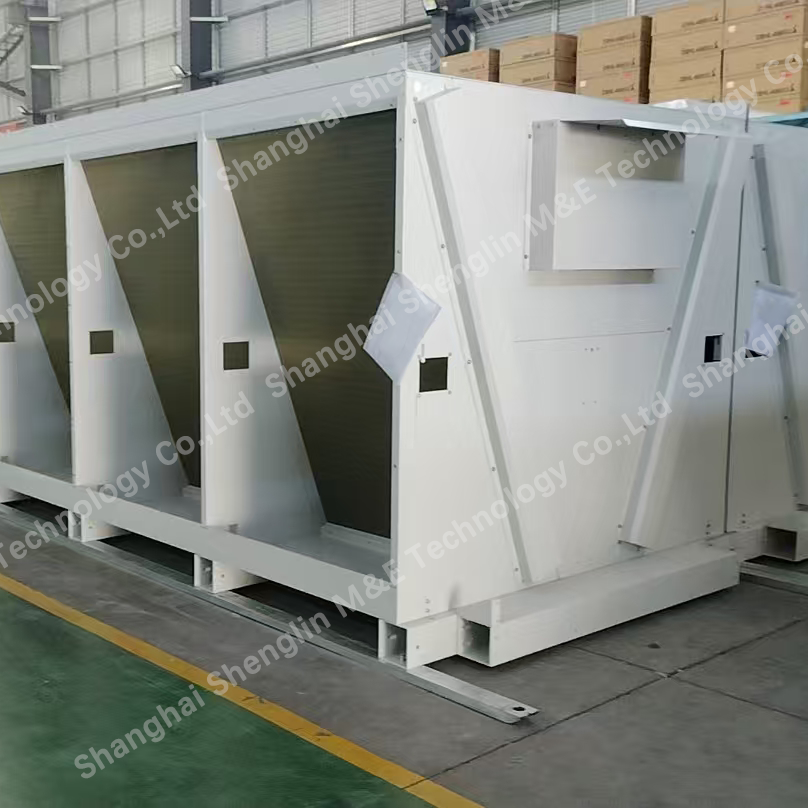
Let’s cut to the chase. An air cooler’s sustainability credential starts with its ability to do more with less electrical input. The echanjeur chalè core—the coil design, fin density, tube layout—directly determines the approach temperature and the fan power needed. I recall a project at a chemical processing plant where they were battling high condensing temperatures on an ammonia system. The existing units had undersized coils with poor air distribution. Simply retrofitting with a larger, properly circuited coil from a manufacturer that understands process dynamics, like Shanghai SHENGLIN M&E Technology Co.,Ltd, allowed them to maintain the same thermal duty with two fans instead of four running continuously. That’s a straight 50% cut in fan energy. It sounds simple, but you’d be surprised how many sites run oversized fans to compensate for a mediocre echanjeur chalè.
The material choice here is critical, though often overlooked. We moved from standard aluminum fins to hydrophilic coated fins on a cooling tower cell replacement. The coating improves water drainage and reduces scaling, which maintains the air-side heat transfer coefficient over time. Without it, fouling acts as an insulator, and the fans work harder to push air through a clogged matrix. The sustainability win is twofold: sustained efficiency (avoiding the performance degradation that plagues many installations) and reduced need for chemical cleaning, which has its own environmental toll. You can see this attention to material science in the specs from serious players; it’s not just about the initial BTU rating.
Where people get tripped up is focusing solely on the dry-bulb temperature. The real magic happens when you leverage evaporative cooling, even indirectly. On a dry air cooler, you’re stuck with the ambient dry-bulb as your heat sink limit. But by integrating a pre-cooling pad or a misting system upstream of the coil—judiciously, to avoid mineral carryover—you can approach the wet-bulb temperature. I’ve seen this drop compressor discharge pressure by 20 psi in a gas compression station, translating to a massive reduction in driver horsepower. The echanjeur chalè must be designed for this, though, with materials resistant to occasional moisture and proper spacing to prevent water bridging. A failure I witnessed: a standard unit used in a hybrid setup corroded at the fin-tube junction within 18 months because it wasn’t specified for the environment it actually faced.
Water Conservation: The Silent Sustainability Metric
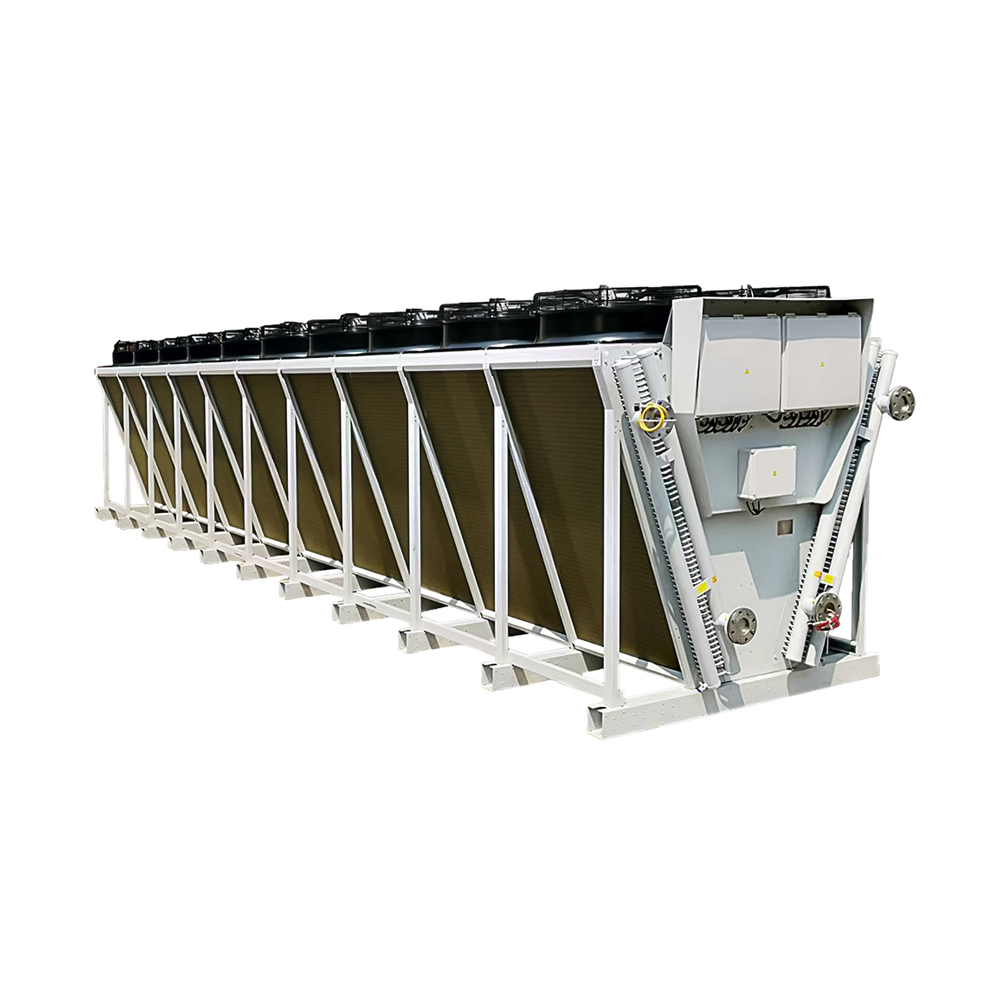
This is arguably the most direct contribution to environmental stewardship. Traditional cooling towers are water hogs—evaporation, drift, blowdown. An air-cooled system, by its nature, eliminates evaporation loss from the process loop. But the advanced play is in closed-circuit cooling, where the process fluid is in a clean, closed loop cooled by an air-cooled echanjeur chalè. Zero process water loss. I worked with a food and beverage client who switched from an open cooling tower to a closed-loop system with a bank of SHENGLIN air coolers for their CIP (Clean-in-Place) system. Their water procurement and treatment costs plummeted. They’re not sending heated, chemically treated water into the atmosphere or sewer.
The nuance is in the zero water claim. In arid regions, even air coolers might need occasional coil cleaning. But compared to the continuous make-up water of a tower, it’s negligible. The key is designing for cleanability. Removable fan stacks, walk-in plenums, and coil sections that can be accessed for manual or automated washing make a huge difference in lifecycle sustainability. If you can’t maintain it, it will foul, efficiency will drop, and someone might be tempted to install a supplemental water spray, defeating the purpose. I’ve advocated for access platforms as a non-negotiable part of sustainable design—it prevents the out of sight, out of mind degradation.
There’s also the issue of blowdown. Cooling towers require bleeding off concentrated water to control dissolved solids, producing a wastewater stream. An air cooler has no blowdown. That eliminates a treatment or discharge headache and conserves not just water, but the chemicals and energy used to treat that water upstream. It’s a cascade of savings that gets missed in a simple first-cost comparison.
Lifecycle and Reliability: Avoiding the Carbon Cost of Failure
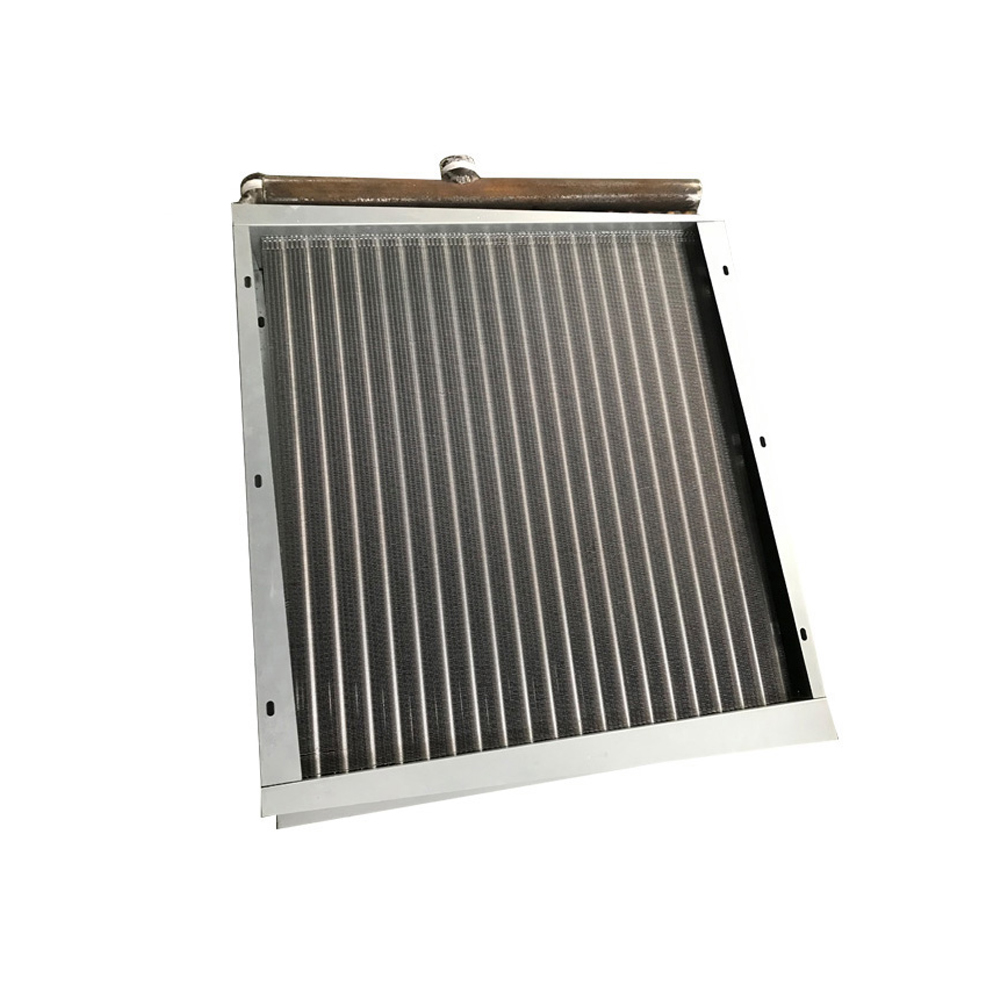
Sustainability isn’t just about efficient operation; it’s about longevity and reducing waste from premature replacement. A robust air cooler echanjeur chalè, built with heavy-duty frames, industrial-grade motors, and corrosion-protected coils, might have a 25-year lifespan with proper maintenance. I contrast this with some cheaper, lightweight packages we’ve seen fail in 7-10 years in coastal environments. The carbon footprint of manufacturing and shipping a whole new unit is enormous.
This is where manufacturer philosophy matters. A company like SHENGLIN, which focuses on industrial applications, typically builds for harsh conditions—think epoxy-coated coils for chemical plants or hot-dip galvanized structures for offshore platforms. This isn’t marketing fluff. On a power plant project, the specified coolers needed to handle not just weather, but also periodic washdown with aggressive cleaning agents. The standard commercial coating bubbled and failed in a test patch. We had to go back to the supplier for a specialized, thicker coating system. That extra step during manufacturing prevents a mountain of trouble down the line.
Reliability itself is a sustainability driver. An unexpected cooler shutdown can force a whole process train to stop or bypass, leading to flaring, product loss, or emergency run-arounds that are incredibly energy-intensive. The sustainable system is the one that runs predictably and continuously. That comes from design details: oversized bearings in fans, variable frequency drives (VFDs) for soft starts and precise control, and even the layout of the coil circuits to prevent freeze damage in winter. These aren’t sexy topics, but they prevent the catastrophic, wasteful failures that truly hurt a plant’s environmental performance.
System Integration and Intelligent Control
A echanjeur chalè doesn’t operate in a vacuum. Its sustainability impact is magnified or diminished by how it’s controlled. The old way: fans cycling on/off based on a single setpoint. The modern approach: integrating the cooler’s operation with the entire thermal system using VFDs and predictive algorithms. For instance, using ambient temperature and process load forecasts to pre-cool a thermal storage fluid at night (when air is cooler and power might be greener) for use during peak day hours.
I was involved in a retrofit at a data center where they had rows of air-cooled chillers. The original control simply staged fans. We integrated a control system that modulated all fan speeds in unison based on the total heat rejection demand, and more importantly, it considered the partial load performance of the associated compressors. By maintaining a slightly higher, but stable, condensing temperature via slower fan speeds at low ambient conditions, we saved more energy on the compressor side than we used on the fans. The echanjeur chalè became an active tuning element in the system’s efficiency. You can find case studies exploring these principles on technical resources from industry manufacturers, such as those at shenglincoolers.com.
The pitfall is overcomplication. I’ve also seen control systems so complex they become unreliable, leading operators to lock them in manual mode. The sweet spot is intuitive, robust control that leverages the inherent thermal inertia of the system. Sometimes, the most sustainable move is a simple, reliable VFD on the fan bank tied to a pressure transmitter, avoiding the constant start-stop cycles that wear out motors and demand high inrush currents.
Beyond the Factory Gate: The Full Picture
When we evaluate sustainability, we have to look upstream. Where are the materials sourced? How energy-intensive is the manufacturing? A heavy, over-built unit might have a higher embedded carbon footprint. The trade-off analysis is real. A manufacturer that uses efficient fabrication techniques, sources materials locally where possible, and designs for minimal packaging waste contributes to the overall sustainability of the product before it even ships. It’s a point often discussed in technical circles but rarely makes it into the sales brochure.
Finally, there’s end-of-life. A well-built air cooler is largely recyclable—aluminum fins, copper or steel tubes, steel frame. Designing for disassembly, like using bolted connections instead of all-welded constructions, makes this easier. I know of initiatives where old cooler coils are sent back to be re-tubed and re-used, a true circular economy approach. It’s not widespread yet, but it points to where the industry needs to head.
So, enhancing sustainability through an air cooler echanjeur chalè isn’t about one silver bullet. It’s the sum of thoughtful design for efficiency and dry operation, selection of durable materials, intelligent integration with the thermal process, and a lifecycle view that values reliability and recyclability. The most sustainable cooler is the one you install once, that runs efficiently for decades with minimal water and chemical input, and whose control system lets it hum along at the optimal point without fuss. That’s the practical reality, born from seeing what works—and what doesn’t—when the rubber meets the road.