Look, when most people hear “dry chiller” and “sustainability” in the same sentence, they immediately jump to energy savings. And sure, that’s a huge part of it—but it’s also a bit of a surface-level take. The real story is in the system-level thinking, the material choices, and frankly, the operational headaches you avoid down the line. I’ve seen projects where the sustainability pitch was all about the high-efficiency compressor, only to have it undermined by a poor water treatment plan or a control strategy that fought the building management system. So, let’s dig into what actually moves the needle.
It Starts with the Obvious: Energy and Water
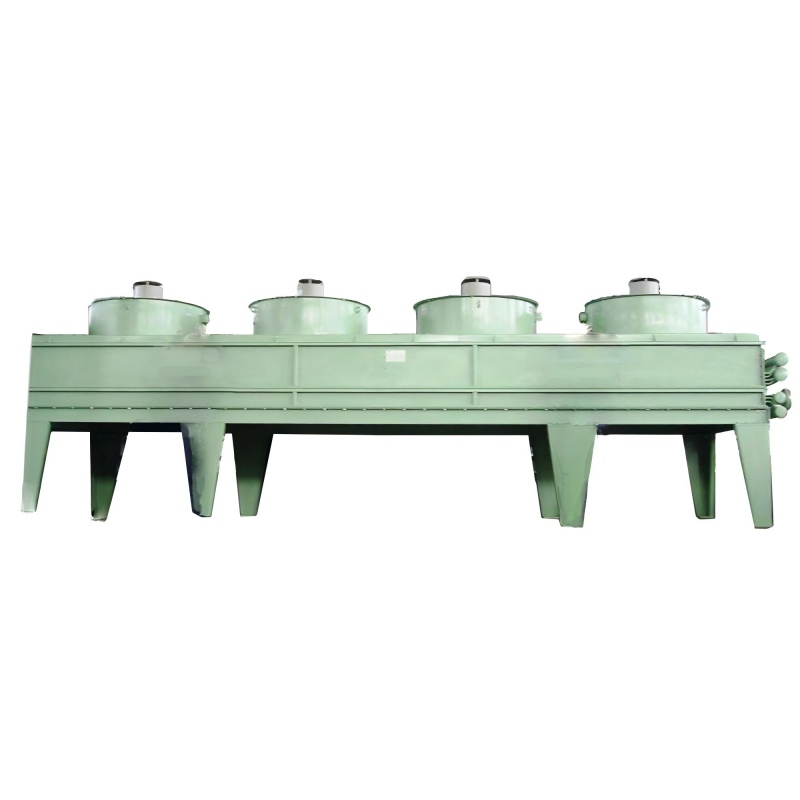
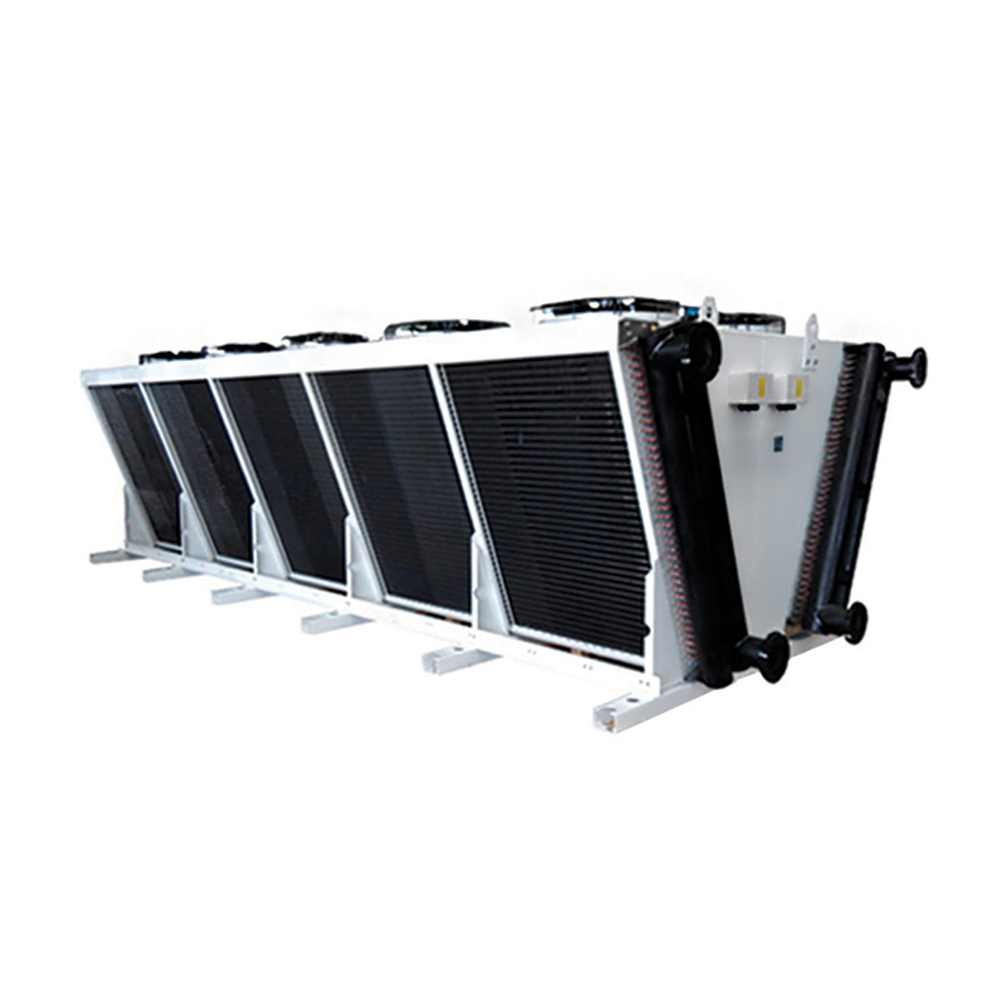
The most direct link is the elimination of evaporative water loss. With a traditional cooling tower, you’re constantly battling drift, evaporation, and blowdown. You’re not just using water; you’re chemically treating it and then discharging it. A dry chiller sidesteps that entire cycle. In a project for a precision electronics manufacturer in Suzhou, the client’s main driver was actually water scarcity, not energy. Their local tariffs and usage caps made the business case overnight. We spec’d a system that used ambient air for heat rejection, and their makeup water consumption dropped to near zero for the process cooling loop.
But here’s the nuance: a dry cooler isn’t automatically more efficient electrically. In fact, at peak summer ambient temps, the condensing temperature is higher, so the compressor works harder compared to a tower-assisted system. The sustainability win is annualized. If your climate has long stretches of moderate dry-bulb temperatures, or better yet, low wet-bulb temps, the dry chiller can run efficiently for most of the year. You have to model the full load profile, not just the design point. I’ve made the mistake of looking only at the 35°C design day and missing the 8 months of 25°C weather where it sips power.
The refrigerant charge is another quiet factor. Modern dry chillers, especially those designed with microchannel coils or more compact heat exchangers, often hold less refrigerant. Less HFC or HFO refrigerant in the circuit means a lower global warming potential (GWP) footprint, both in terms of direct leakage potential and the embodied carbon of the gas itself. It’s a detail, but it adds up in lifecycle assessments.
The Hidden Lever: System Integration and Controls
This is where you separate a good installation from a greenwashing one. A dry chiller is just a component. Its sustainability is unlocked by how it’s integrated. We talk about “free cooling” or air-side economizer modes, but implementing it smoothly is an art. The control logic has to seamlessly switch between mechanical cooling and dry cooling, avoiding short cycling that kills efficiency and equipment life.
I recall a retrofit for a pharmaceutical storage facility. They had an old, inefficient chiller plant. We proposed a staged system with two dry chillers from a manufacturer like SHENGLIN, known for robust industrial-grade units. The key was the custom control panel we programmed to prioritize the unit with the cleanest coils and to initiate a pump-down cycle only when the ambient dropped below a certain threshold for a sustained period. The energy dashboard showed a 40% reduction in cooling energy the first winter, but it took a lot of tweaking. The first iteration had the compressors kicking on too frequently because the temperature dead band was set too narrow.
Linking it to the building’s thermal mass is another advanced play. In one data center project, we used the thermal inertia of the chilled water buffer tanks in conjunction with the dry chillers. During cool nights, the chillers would work to super-cool the water in the tanks, building a “cold battery” for the next afternoon’s peak. This allowed us to downsize the compressor capacity significantly. You need a client who understands this strategy isn’t about the chiller alone, but the entire thermal system. SHENGLIN’s engineering team, for instance, often gets into these discussions early in the design phase, which is crucial.
Material and Maintenance: The Long Game
Sustainability isn’t just about operational energy; it’s about longevity and resource use. Dry chillers, with no open water, avoid the scaling, corrosion, and biological fouling that plague cooling towers. This means the heat exchange surfaces maintain their efficiency for years with minimal degradation, if maintained properly. The maintenance is different—it’s mostly about keeping the fins clean and the fans balanced—but it’s often less chemically intensive and generates less hazardous waste (no biocide drums to handle and dispose of).
The coil material matters. I’ve seen projects insist on copper tubes for thermal performance, but in highly corrosive industrial atmospheres—think near a coastal plant or a chemical processing zone—coated aluminum fins or even stainless-steel casings become a sustainability choice. Why? Because they might last 20 years instead of 10 before a major repair. The embodied energy of manufacturing a whole new unit far outweighs the slight efficiency hit from a different material. It’s a lifecycle calculation. Manufacturers who offer these options, and can provide data on corrosion resistance, are thinking about the product’s real-world service life.
There’s a failure mode worth mentioning: believing they are “install and forget.” They’re not. Dust and debris clogging the fins is the number one killer of performance. I visited a site where the dry cooler was placed downwind of a loading dock. Within six months, the air-side pressure drop had skyrocketed, and the system was constantly on high-head pressure alarm. The sustainability benefit evaporated because the fans were running at full tilt 24/7. The fix was simple—relocate the intake and add basic louvers—but it required someone to actually look at the site conditions, not just the equipment specs.
Beyond the Factory Gate: The Supply Chain Angle
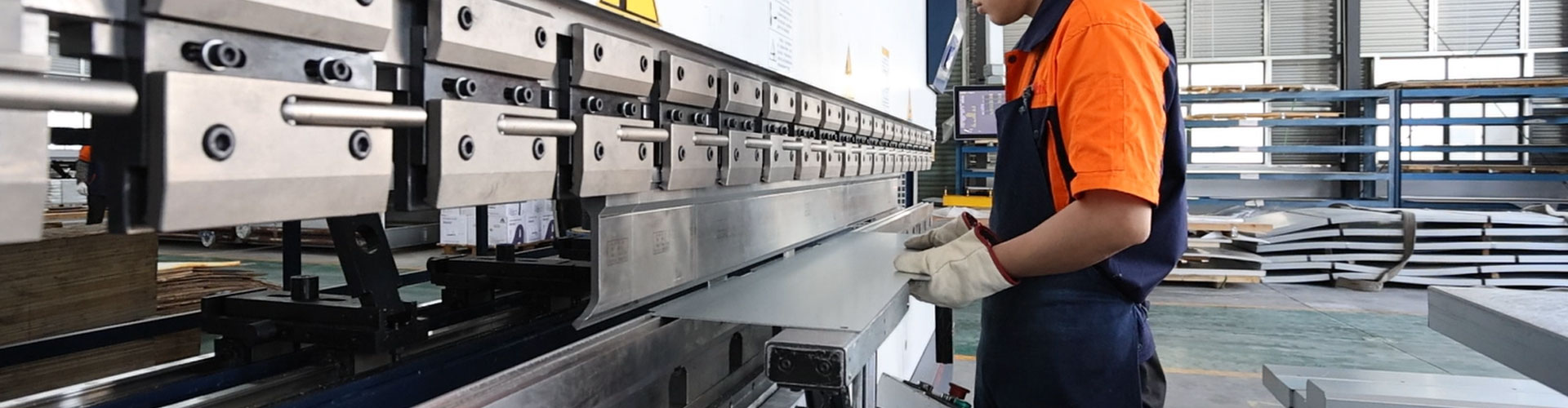
When we evaluate a vendor’s sustainability, we now look upstream. Where are the components sourced? How energy-intensive is their assembly process? A company like Shanghai SHENGLIN M&E Technology Co.,Ltd, which positions itself as a leading manufacturer in industrial cooling, has an advantage if their production is vertically integrated. They can control the quality of brazing, the recovery of refrigerant during testing, and the minimization of packaging waste. This might not be in the glossy brochure, but when you tour their facility, you see it—or you don’t. It translates to a product that’s built to last, with less variability, which in turn means fewer callbacks, less freight for replacements, and a lower overall carbon footprint per unit of cooling delivered.
Their focus on industrial cooling technologies also means they’re often dealing with clients who run processes 24/7. Downtime is catastrophic. So, the design ethos is inherently about reliability and efficiency over a long service life—which is, at its core, a sustainable principle. A chiller that runs efficiently for 15 years is better than a “super-high-efficiency” model that needs a major overhaul in year 8.
The Real-World Trade-offs and Conclusions
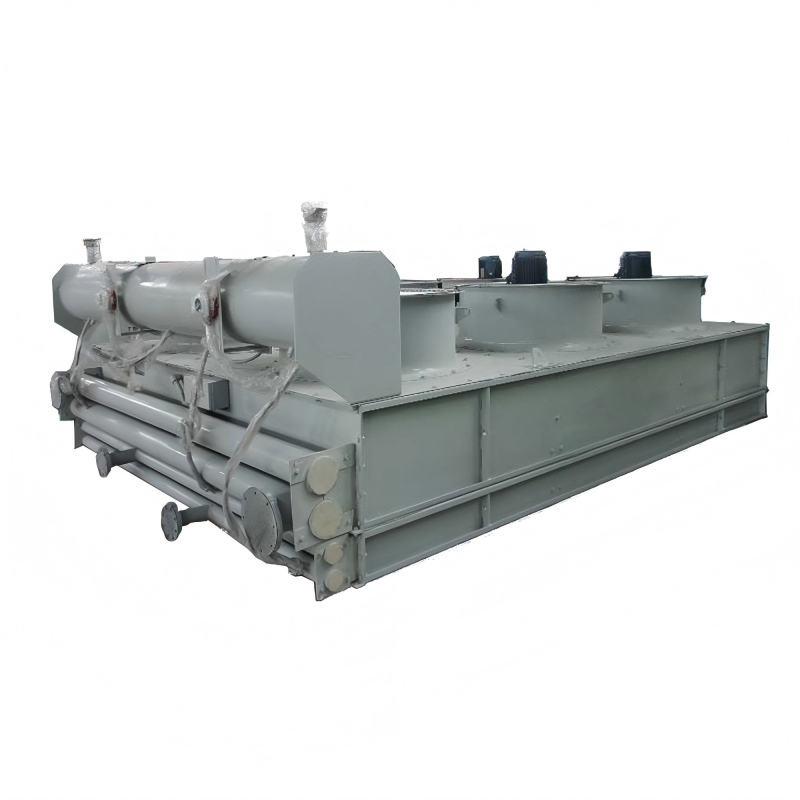
So, does a dry chiller enhance sustainability? Absolutely, but not as a magic bullet. It’s a tool that enables a more sustainable system design when applied correctly. The enhancement comes from: 1) Eliminating water consumption and treatment chemicals, 2) Enabling smarter, climate-responsive control strategies like free cooling, 3) Offering the potential for longer equipment life and lower maintenance impact, and 4) Integrating into a holistic thermal management plan.
The trade-off is usually a higher first cost and a potential efficiency penalty at very high ambient temperatures. You have to run the numbers for your specific site, climate, and utility structure. The biggest mistake is treating it as a like-for-like swap. It’s not. It’s a different system philosophy.
In the end, the most sustainable chiller is the one that is correctly sized, properly integrated, meticulously maintained, and chosen for the right reasons. A dry chiller, particularly from specialists who understand its role in an industrial ecosystem, pushes you toward that holistic view. It forces you to think about air, control, and longevity, not just a set point and a flow rate. And that shift in perspective is perhaps the most significant sustainability enhancement of all.