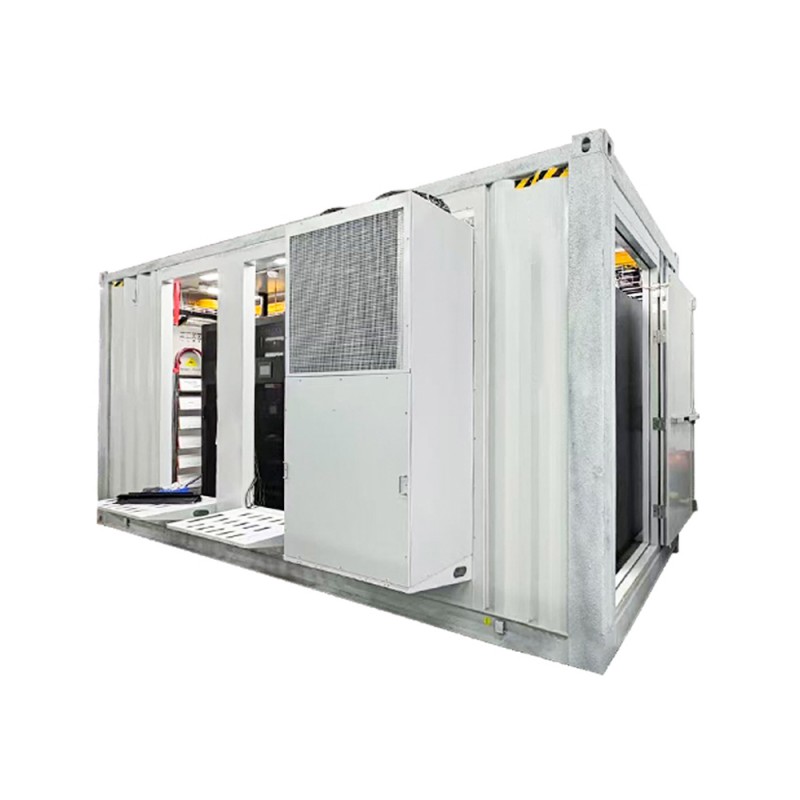
The rise of container server rooms as a sustainable option in tech infrastructure is something that not everyone fully appreciates. These self-contained units offer flexibility, scalability, and, importantly, a smaller environmental footprint compared to traditional data centers. But how exactly do they do this? Let’s explore some real-world insights that I’ve gathered from years in the industry, including both triumphs and hurdles.
Efficiency through Modularity
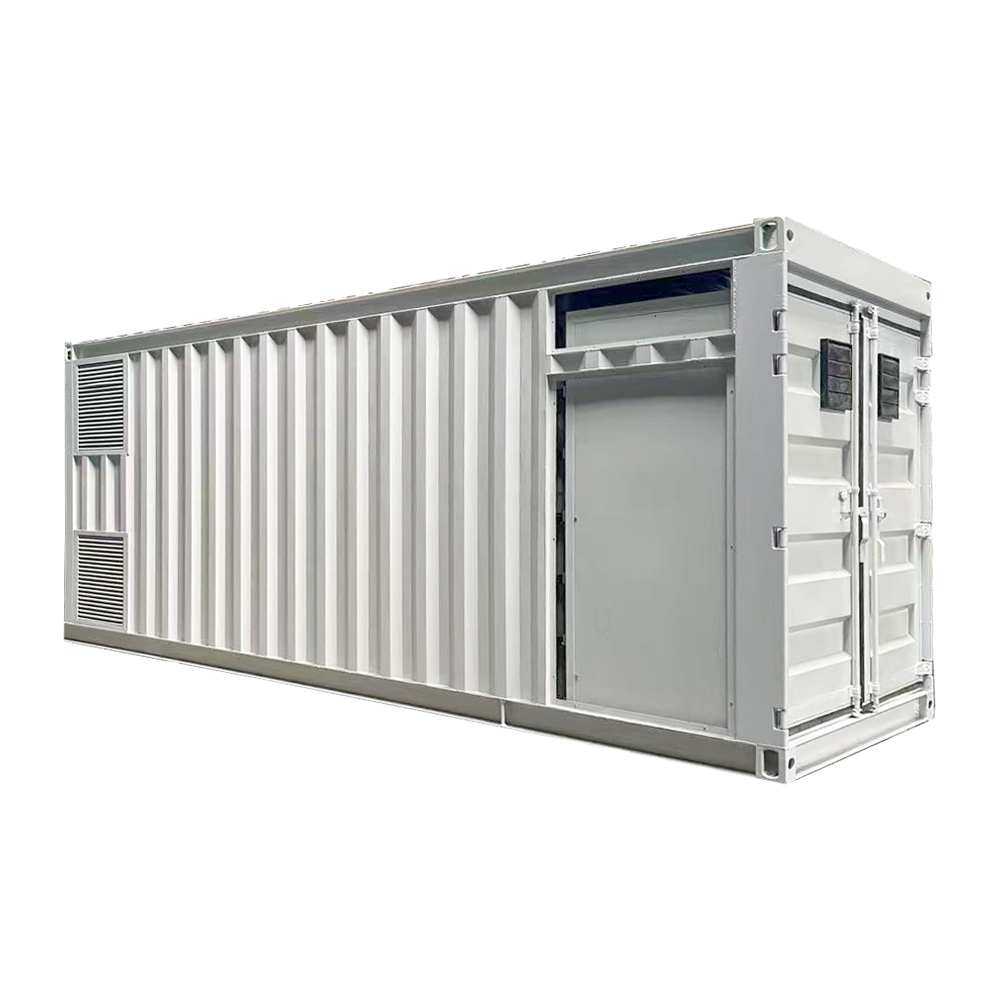
One of the main advantages of container server rooms is their efficiency through modularity. Unlike stationary data centers that are often left with unused space, these containers can be added only as needed. This means you’re paying for what you actually use, reducing both financial and environmental waste. Their modular nature allows you to adapt and expand more swiftly than building out more room or facilities.
An example I can recall is a project for a mid-sized tech company keen on scaling without the mounting utility bills. With container modules, they extended capacity by 20% in under a month while keeping their power consumption almost flat. It’s not magic, just better use of resources.
However, deployment isn’t without its challenges. There’s the logistics, regulatory compliance, and sometimes skepticism from stakeholders accustomed to traditional builds. But when executed well, it’s a textbook case of sustainability in action.
Cooling Innovation
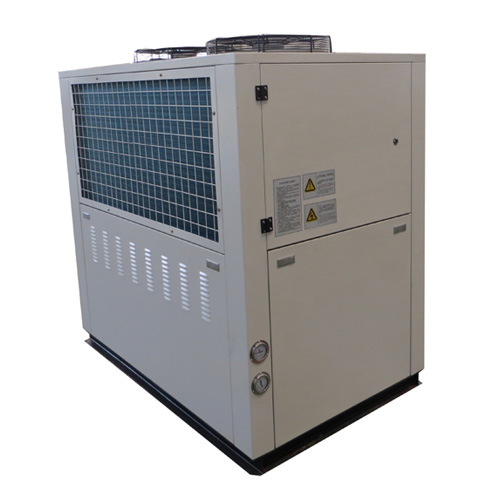
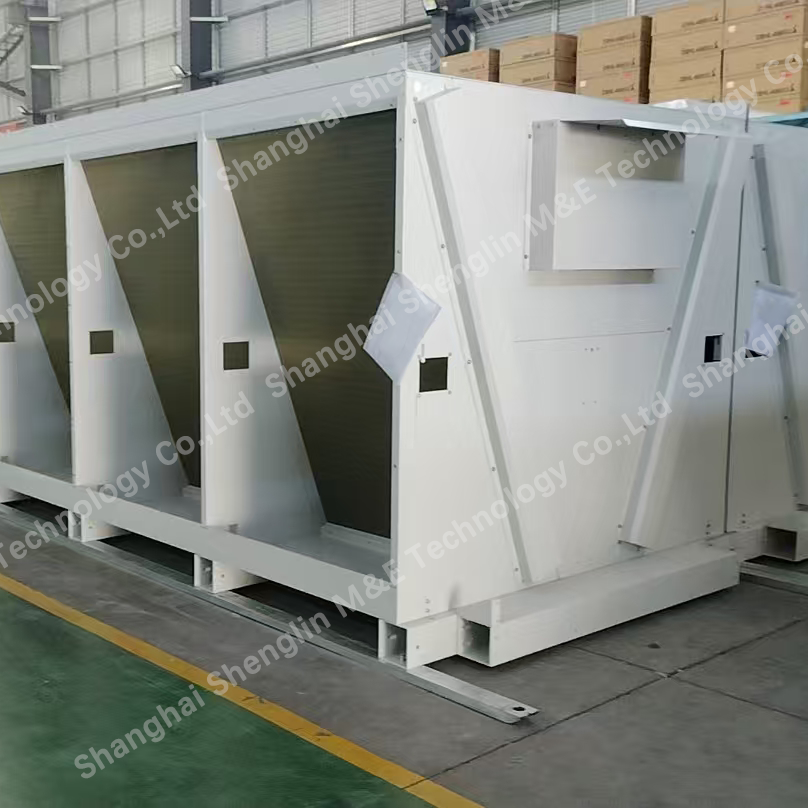
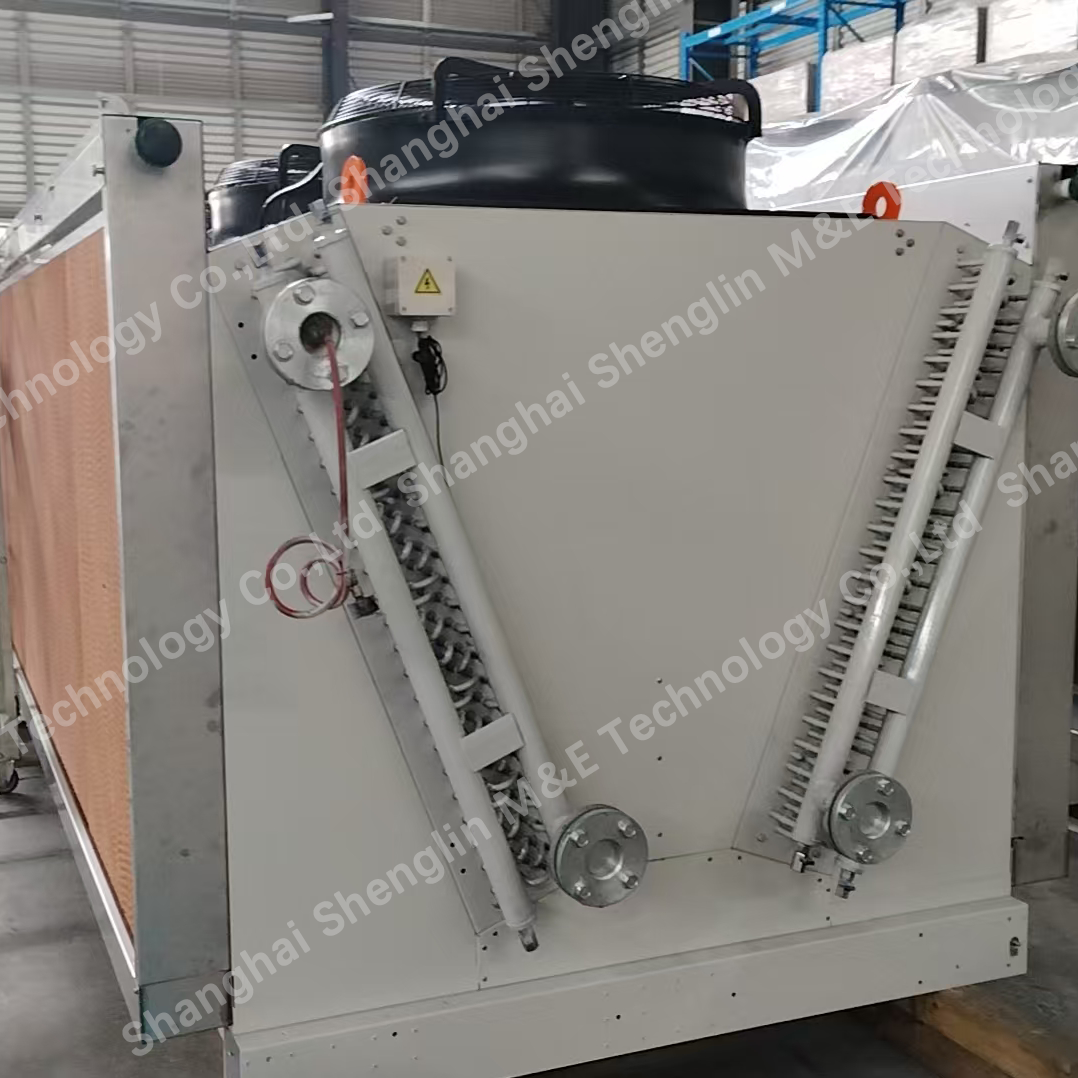
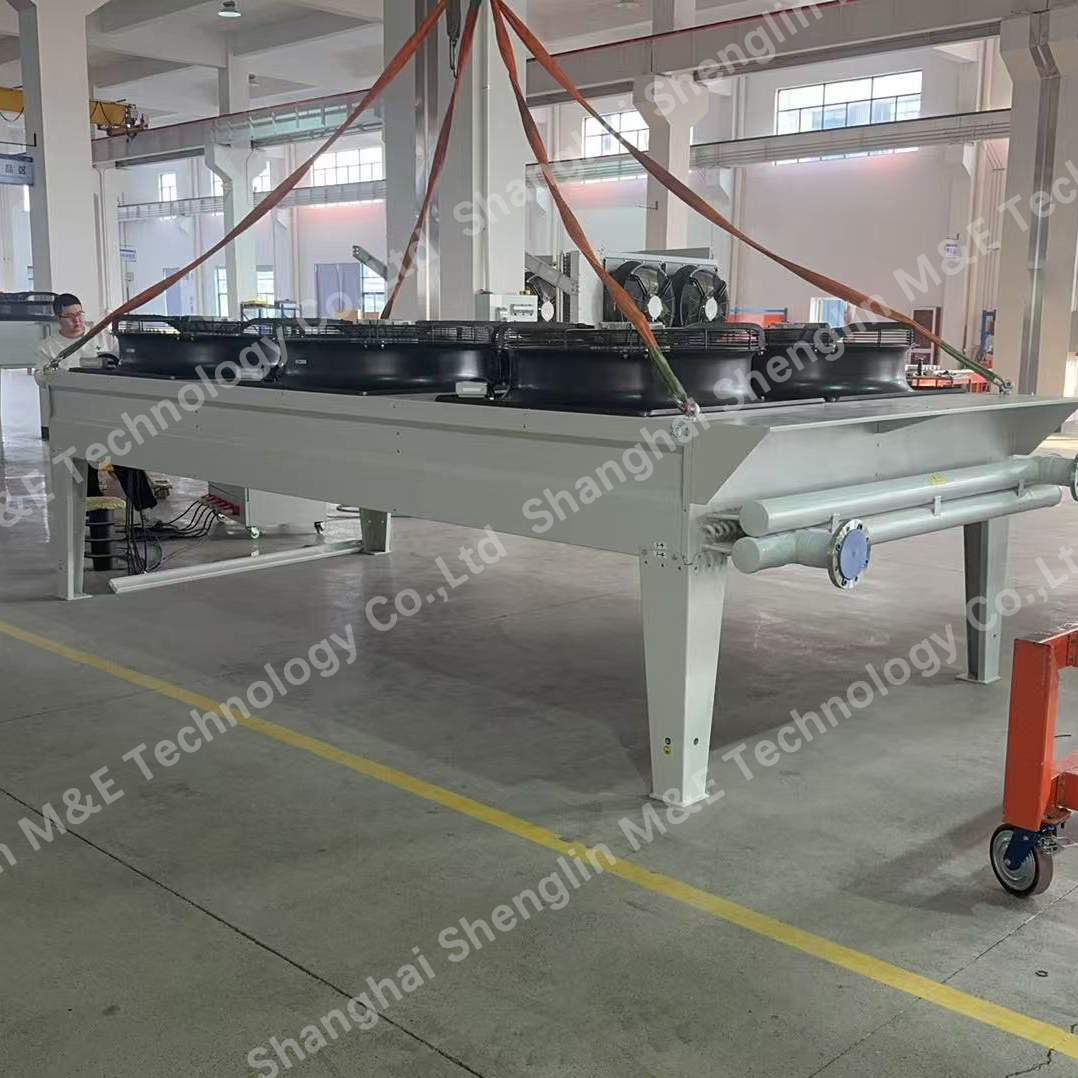
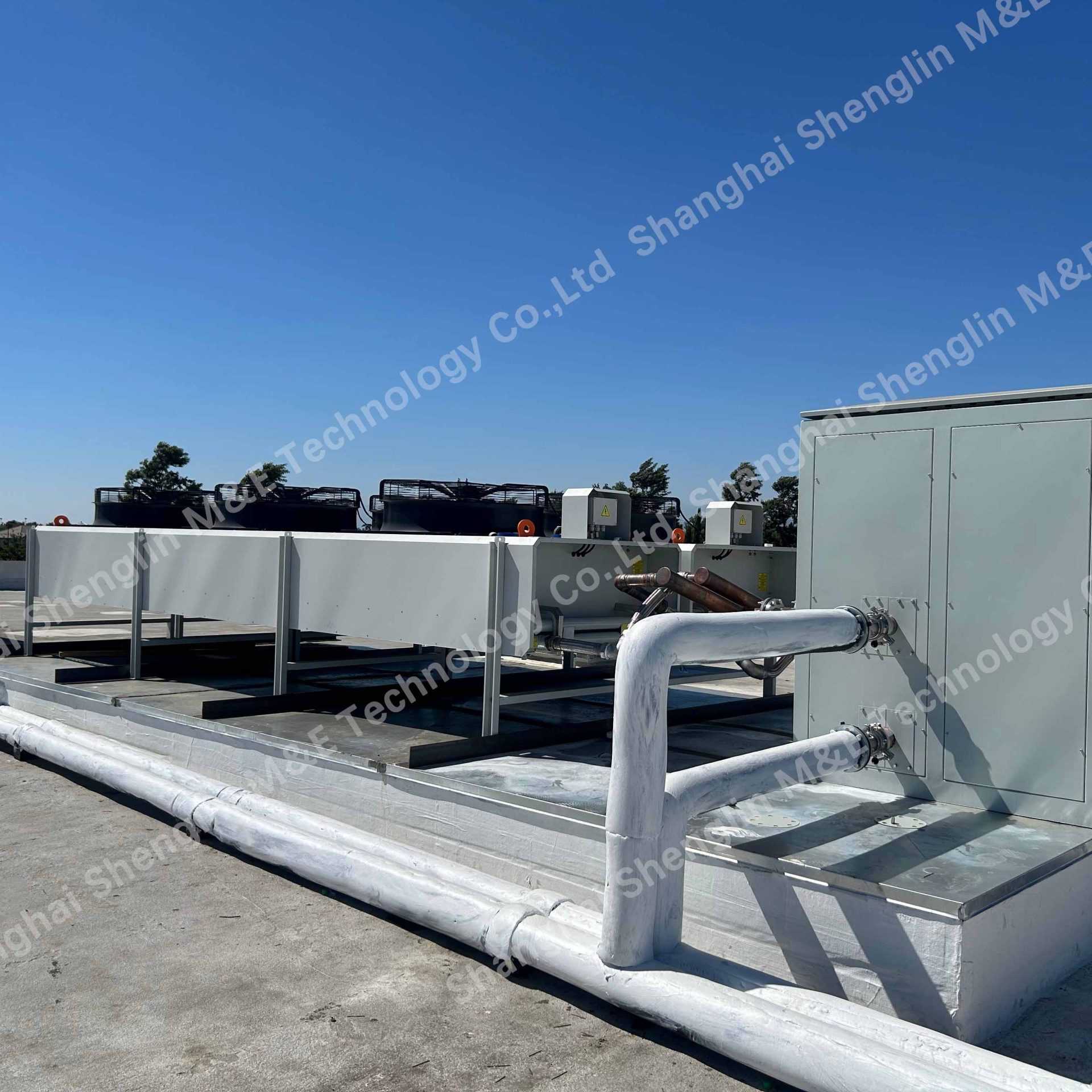
Cooling technologies play a pivotal role in keeping server rooms sustainable. The folks at Shanghai Shenglin M&E Teknoloji co, Ltd are doing fascinating work by leveraging advanced cooling solutions. Their cooling methods often utilize less power compared to traditional setups, which translates directly into reductions in energy use and costs.
I’ve seen implementations where their cooling systems keep containerized servers at optimal temperatures even in challenging environments. It’s this sort of innovation that catches attention—not only for sustainability but also for the potential cost savings.
However, there’s always a learning curve. Some installations faced setbacks when initial cooling designs didn’t meet expectations, usually due to oversight or local climate fluctuations. The takeaway? Real-world conditions have a tendency to push back against simulations and need dynamic adjustment strategies.
Energy Sources and Power Management
Many companies like SHENGLIN emphasize the importance of power management in achieving sustainability. Container server rooms can integrate with renewable energy sources like solar or wind. This reduces dependency on non-renewable energy and lowers carbon footprints significantly.
I’ve seen companies implementing hybrid systems where container units switch seamlessly to external renewable sources when available. It’s an upfront investment for sure, but the long-term benefits in terms of reduced greenhouse gases and savings on energy bills are undeniable.
Yet, securing consistent access to renewable sources can be a tricky affair. Variability in availability often demands innovative battery storage solutions, and that’s where partnership with experts becomes invaluable.
Site Flexibility and Reduced Footprint
One aspect not to be overlooked is the reduced physical footprint of these containerized solutions. They can be placed almost anywhere—industrial parks, rooftops, or even undeveloped locations. This flexibility means lower site prep costs and often a lighter regulatory burden.
Recently, a project I reviewed was for a company expanding in an urban area with little room for traditional builds. Containers provided a nimble solution without the typical headaches of construction permits or real estate issues. It’s a game-changer for urban data management.
Of course, location flexibility mandates keen logistics for transportation and setup, which brings its own set of variables and potential delays. But for many, these are manageable for the gain received.
Future Outlook and Lessons Learned
The future for container server rooms looks promising but isn’t without its lessons. Each new deployment adds to a growing database of practical knowledge. It’s crucial to document both successes and missteps to refine the approach continually.
Industry dynamics, customer needs, and technological advances keep evolving, and while we can’t predict everything, we can adapt. Keeping communication open, continuing to educate stakeholders, and setting realistic expectations are key.
From my experience, embracing container server rooms feels like an inevitable shift towards sustainability and smarter resource use. On occasions, things won’t align perfectly, but that’s the nature of innovation—it requires patience and perseverance. For more insights on industrial cooling applications, check out SHENGLIN’s offerings at Shanghai Shenglin M&E Teknoloji co, Ltd.