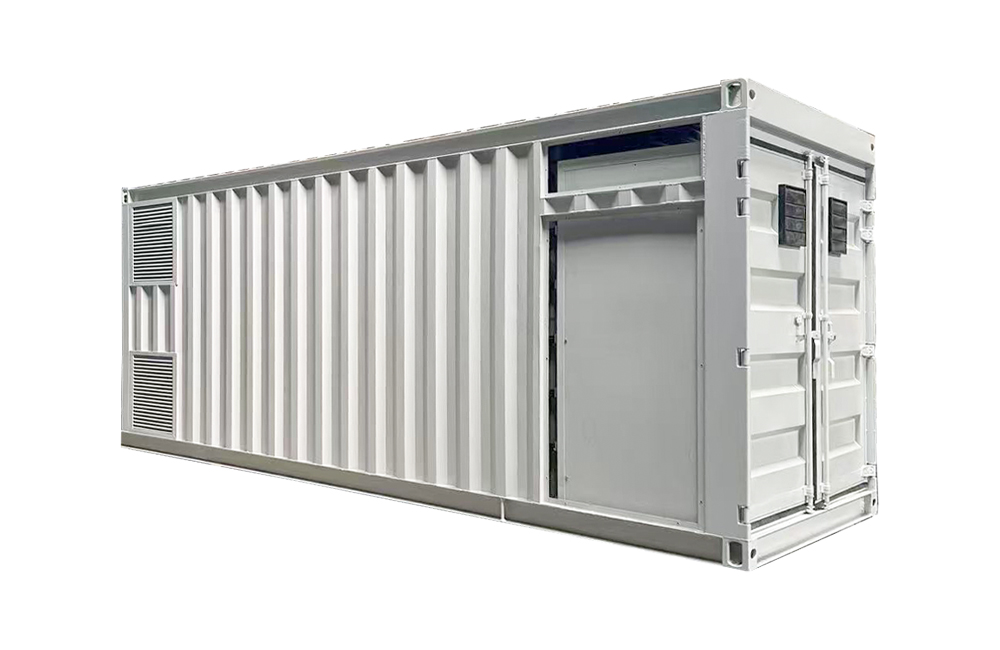
In an age where efficiency and environmental responsibility are not just buzzwords but business imperatives, the role of container data centers in enhancing sustainability can’t be overstated. These modular units are transforming how we think about traditional data infrastructures, and not without challenges along the way.
The Flexibility Advantage
One of the immediate advantages of container data centers is flexibility. The modularity means they can be deployed virtually anywhere—from urban centers to remote areas. This adaptability allows for energy use optimization based on location, potentially using locally sourced renewable energy.
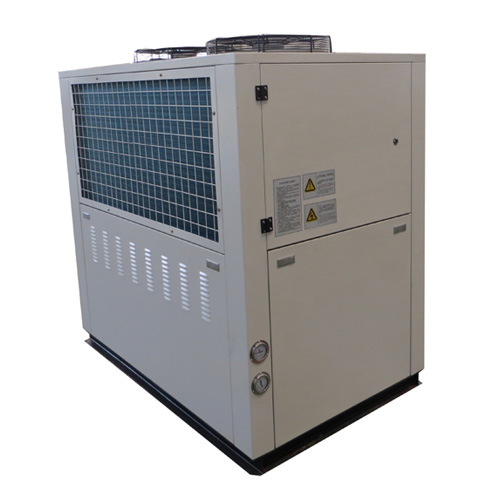
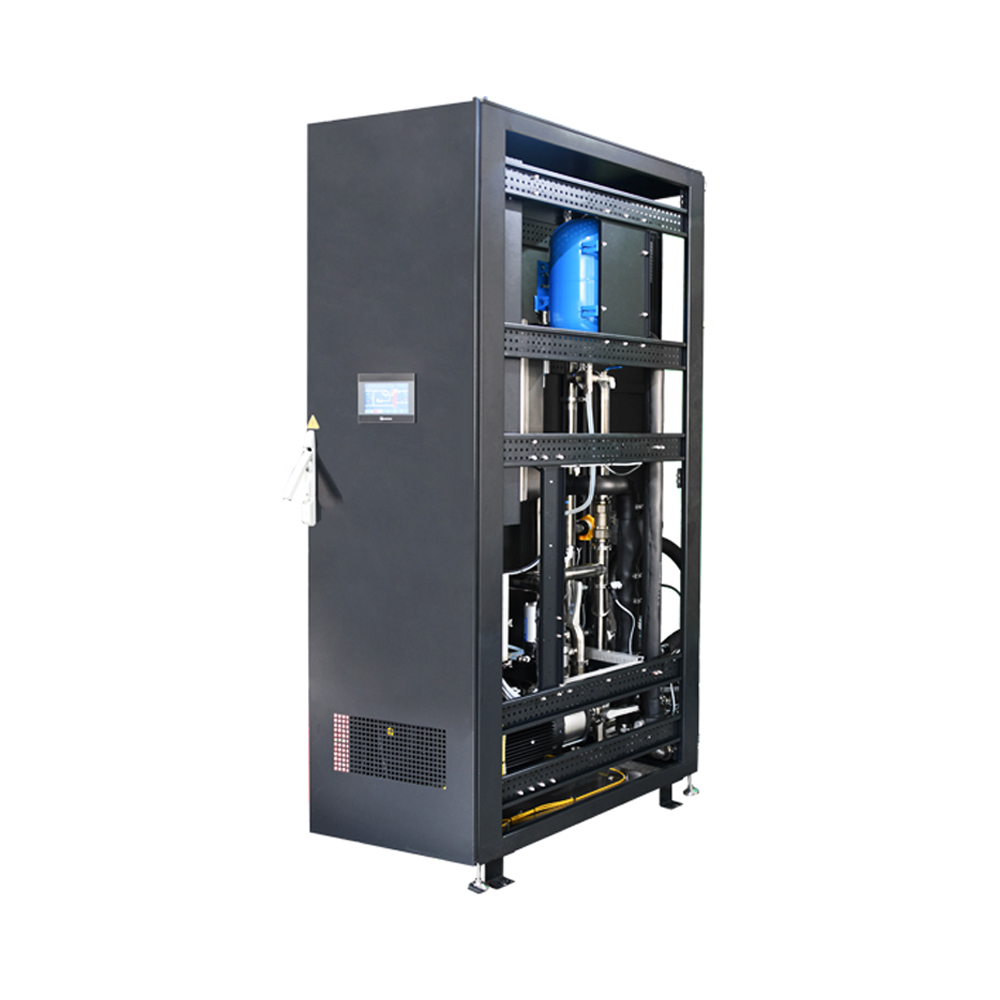
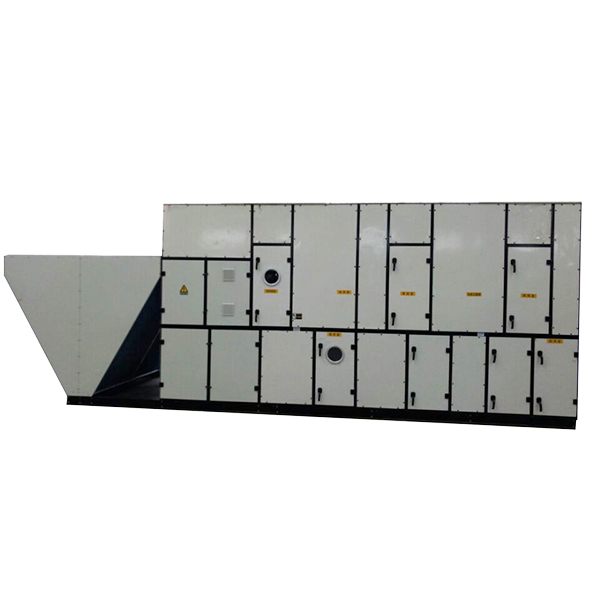
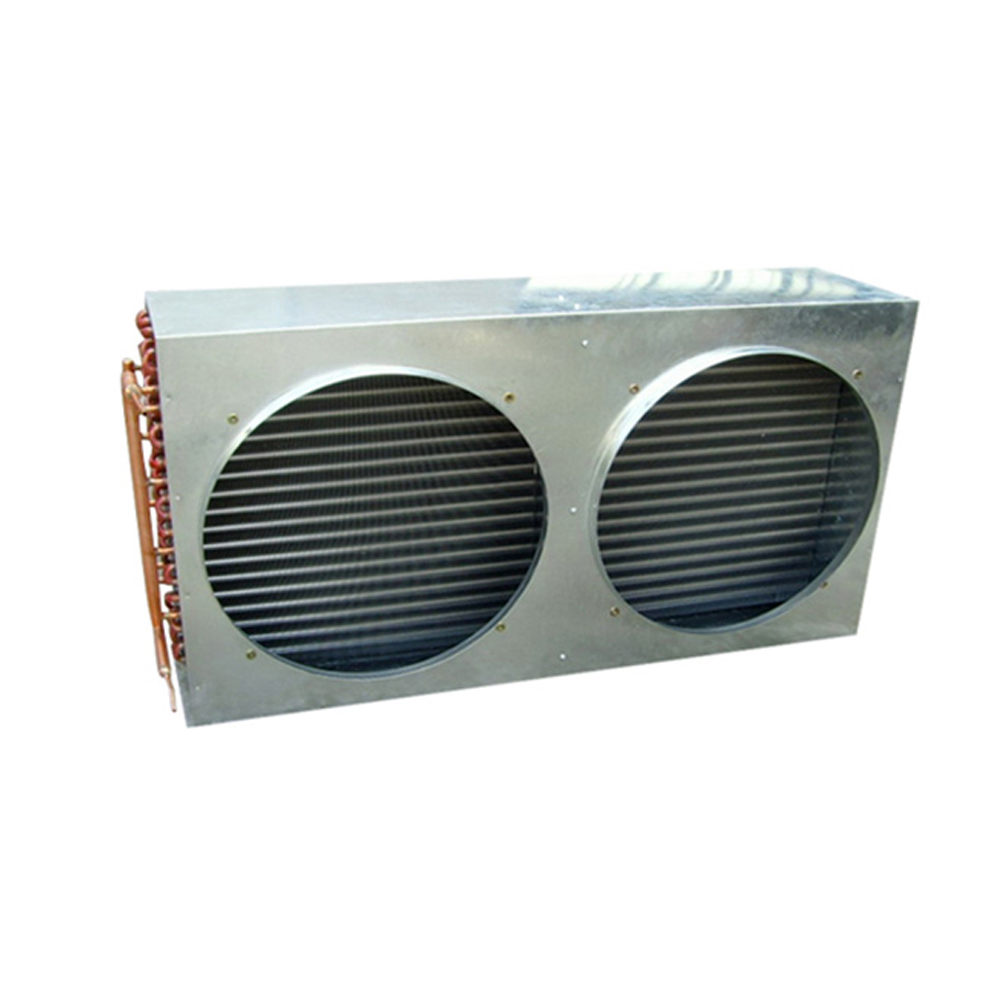
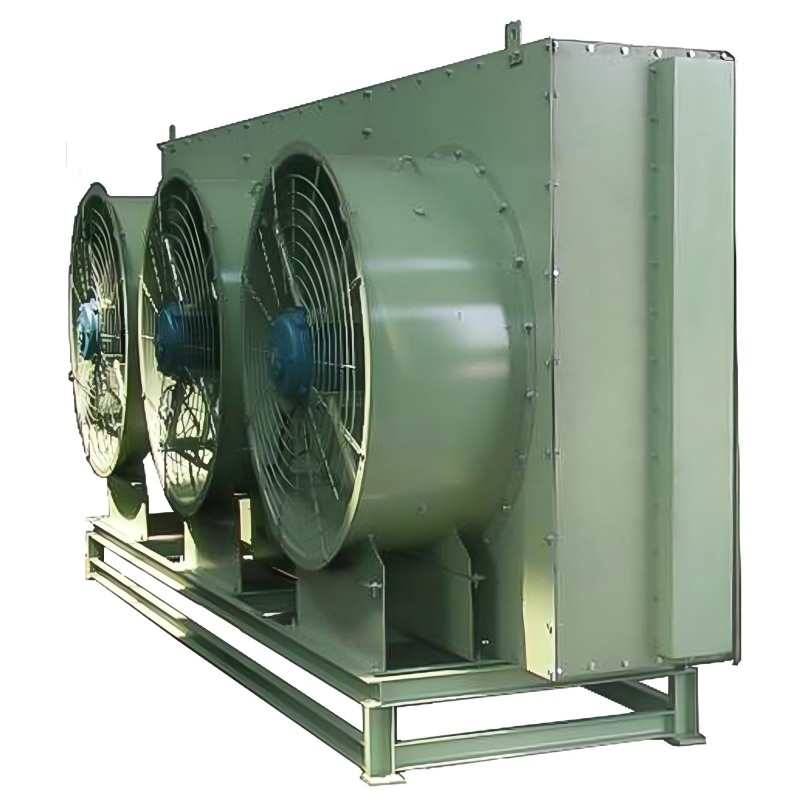
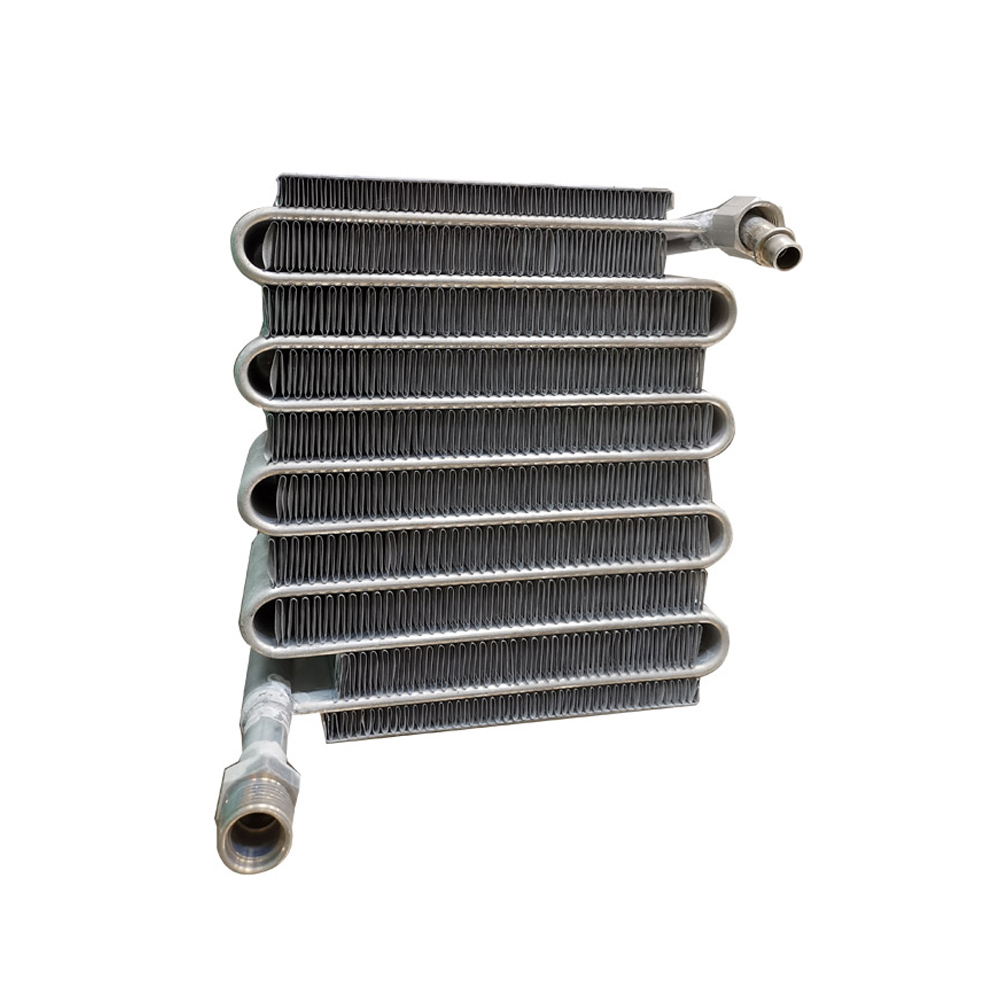
In practice, I’ve seen deployments where solar panels are seamlessly integrated, creating a truly renewable setup. Shanghai SHENGLIN M&E Technology Co.,Ltd, known for its expertise in industrial cooling, often incorporates energy-efficient systems to reduce carbon footprints significantly. Their insights (https://www.shenglincoolers.com) into cooling technologies serve as a valuable resource in reducing heat output in these data centers.
However, it’s not just about plopping a container anywhere; site-specific issues like local climate, infrastructure, and logistics often complicate sustainability goals. A well-intentioned project in a harsh climate without proper cooling can turn counterproductive.
Energy Efficiency
Energy efficiency is at the heart of why container data centers contribute to sustainability. Advanced cooling systems, like those developed by industry leaders such as SHENGLIN, drastically cut down on electricity usage.
During a field project, I witnessed first-hand how the integration of free-air cooling technology can lower PUE (Power Usage Effectiveness) ratios. In one instance, the PUE was brought down to 1.2, setting a benchmark for energy efficiency. Such innovations often come after numerous trials and iterations, each trying to push the boundaries further.
Despite these successes, the initial calibration is crucial. Improper setup can lead to inefficiencies that negate sustainability gains. That’s where expertise in systems engineering becomes invaluable, especially when adapting templates across different geographical regions.
Scalability Benefits
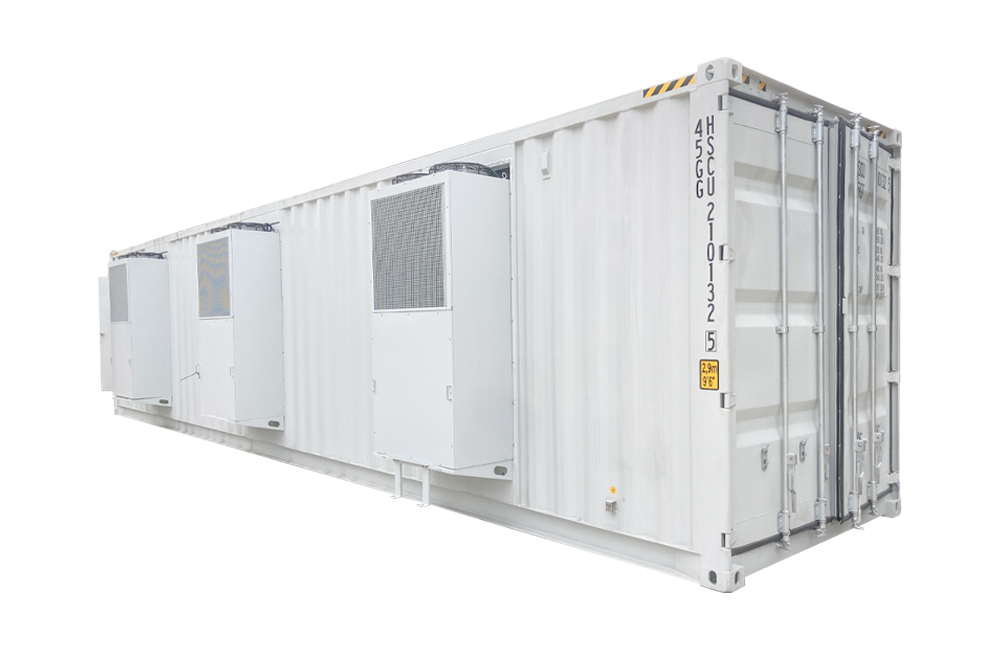
Scalability and the notion of “just-in-time” infrastructure have gained traction with container data centers. They allow businesses to expand capacity without massive capital outlays upfront—essentially growing with demand rather than anticipating it.
This model reduces wasted resources, aligning with sustainable principles by minimizing unused infrastructure and the accompanying energy drain. A project I worked on illustrated this perfectly: the company aimed to double capacity over two years but needed to be prudent with investments. Containers proved the perfect scalable solution.
Yet, errors can arise without careful demand planning. Overestimating growth could still lead to inefficiencies, while underestimating means scrambling to meet increased demand.
Lifecycle Considerations
The environmental impact of container data centers also hinges on lifecycle sustainability. From manufacturing to retirement, each stage must be scrutinized for eco-friendliness.
Manufacturers like SHENGLIN prioritize sustainable materials and processes in their cooling solutions, setting an industry standard. Their effort in reducing material waste during production deserves noting, as it addresses a frequently overlooked aspect of sustainability.
Despite progress, the end-of-life phase presents challenges. Recycling and repurposing outdated units are still evolving, often dependent on local recycling capabilities and policies, which vary widely globally.
Overcoming Challenges
Container data centers aren’t without hurdles. Ensuring consistent performance amidst environmental variables and system upgrades can be daunting.
Technical expertise plays a critical role. During a recent upgrade scenario, our team had to troubleshoot unexpected thermal inefficiencies. Solutions involved not just technology but cross-functional expertise, underscoring the necessity of diversified knowledge pools.
Adapting cooling solutions from experts like those at SHENGLIN can mitigate such issues, illustrating the importance of collaboration with specialists committed to innovation and sustainability.
Ultimately, while the path to achieving sustainable container data centers is laden with challenges, the potential for significant environmental impact makes them a promising avenue for future infrastructure solutions.