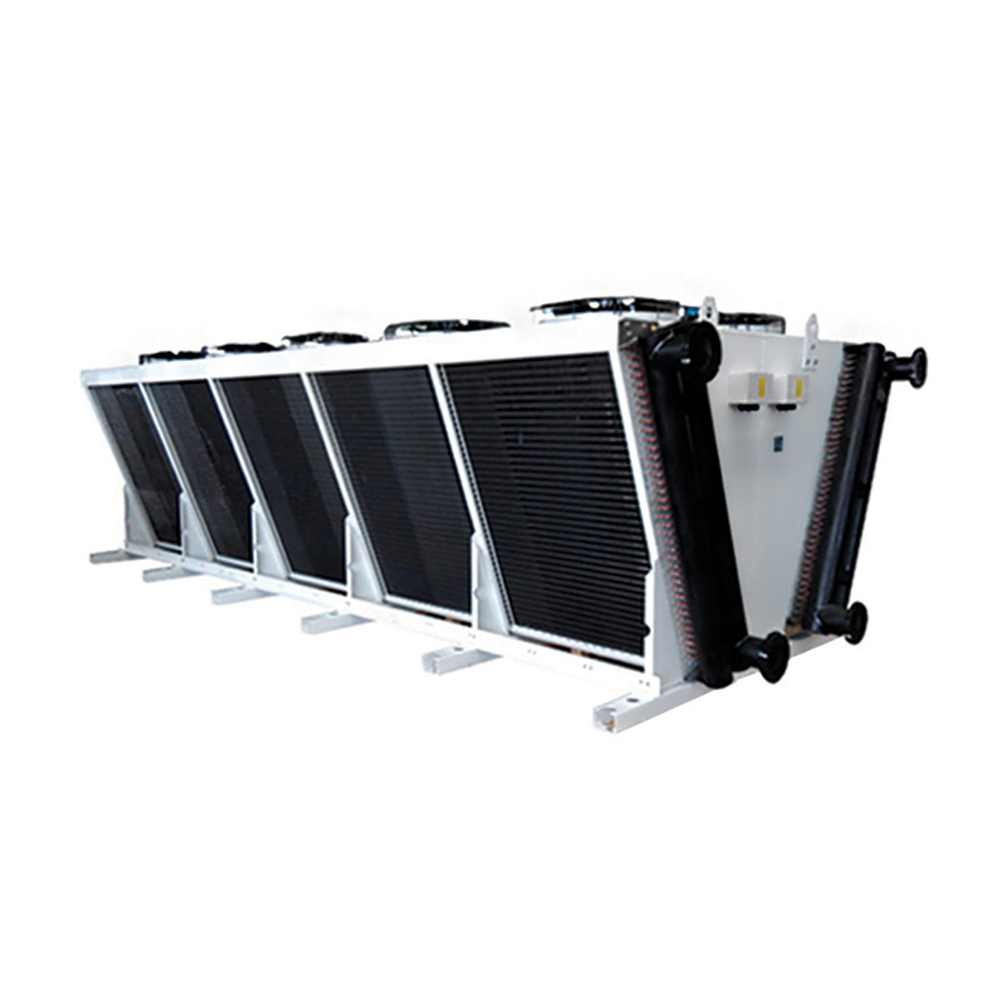
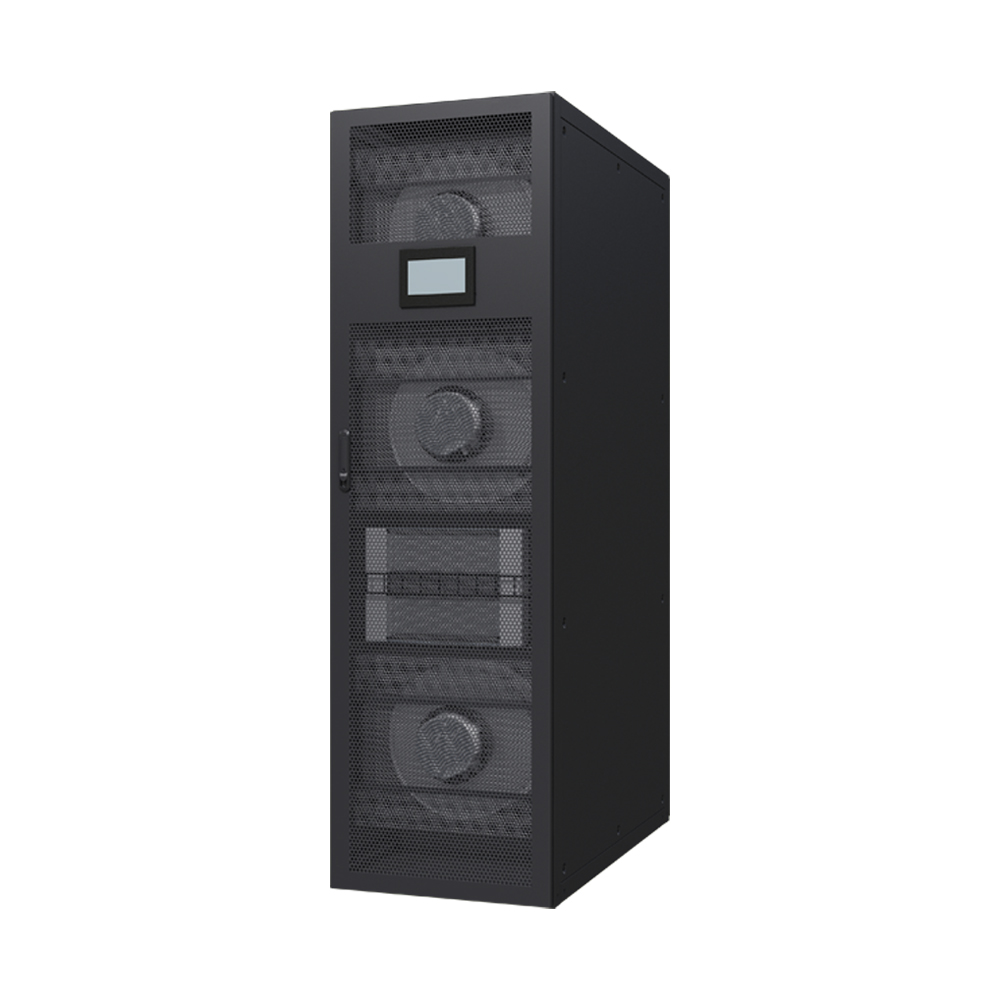
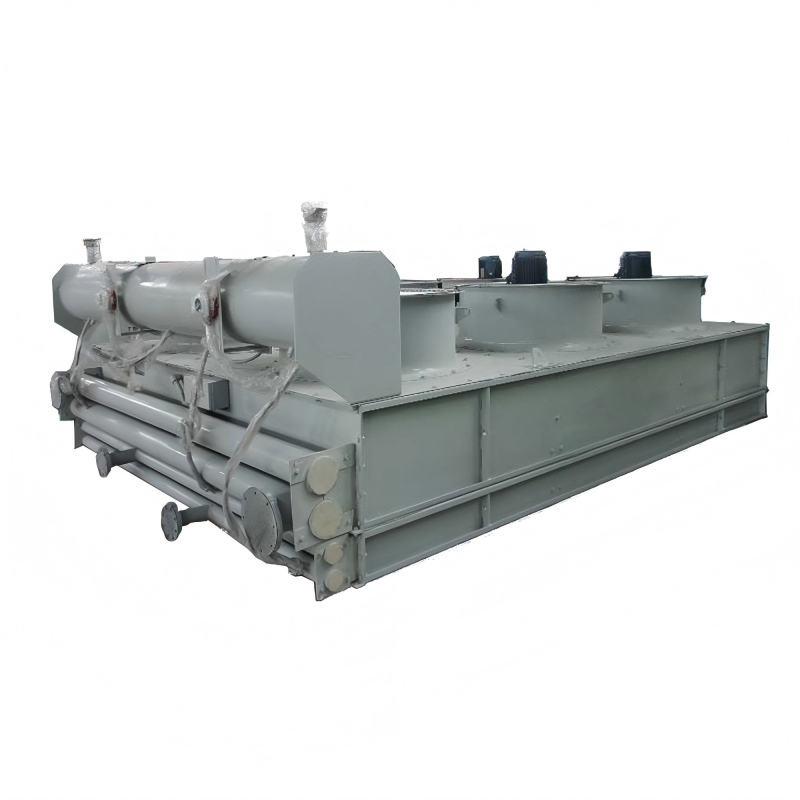
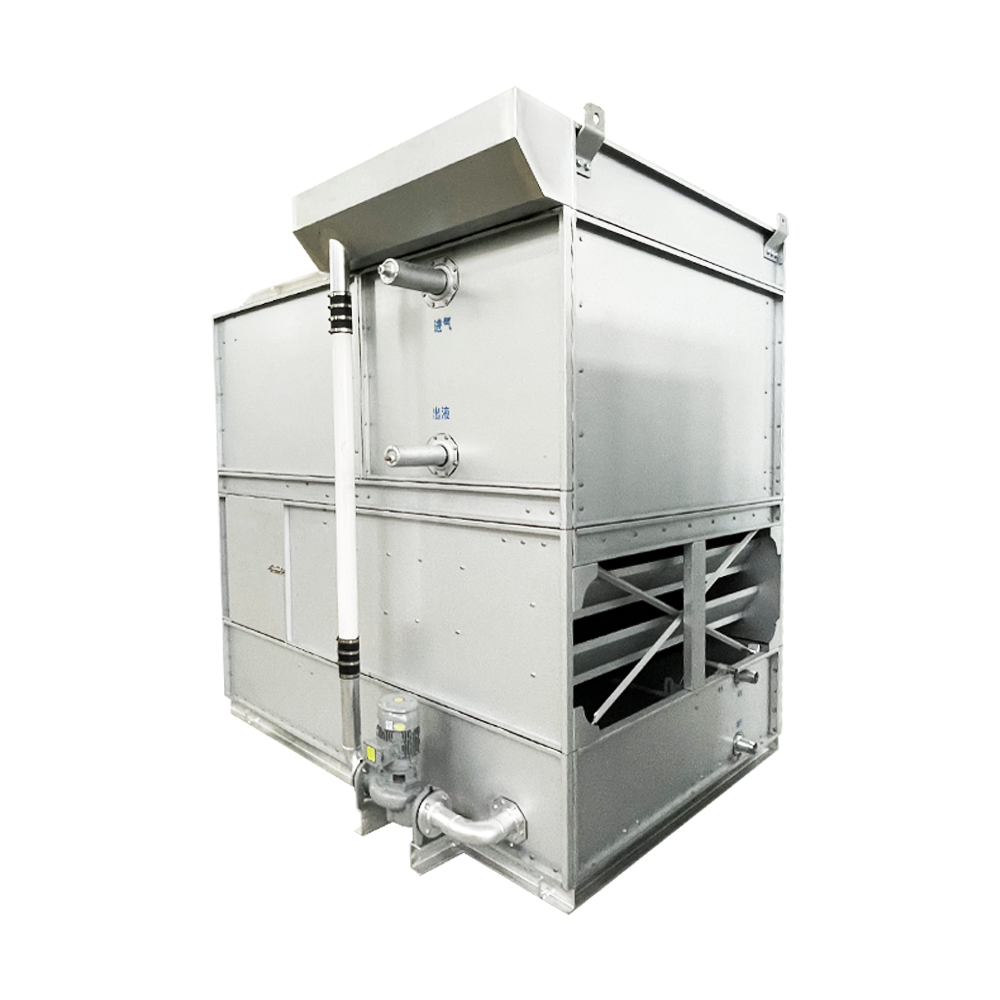
You hear a lot about sustainability these days, especially around cooling. But there’s a common misconception I keep running into: people often think dry cooler and just picture a big metal box with fans, assuming it’s inherently green because it doesn’t use water like a cooling tower. That’s a starting point, but the real story of how it enhances sustainability is messier, more technical, and frankly, more interesting. It’s not just about saving water; it’s about the entire lifecycle energy penalty, refrigerant charge reduction, and the often-overlooked operational flexibility that prevents waste. Let me walk through what we’ve seen on the ground.
The Water Narrative is Just the Tip of the Iceberg
Sure, the zero water consumption is the headline grabber. In regions with water scarcity or strict discharge regulations, this is a game-changer. I remember a project in a semi-arid zone where the local authority simply wouldn’t grant a permit for a traditional evaporative system. The dry cooler was the only viable path forward. But focusing solely on water misses the bigger energy picture. A poorly designed or applied dry cooler can become an energy hog, especially in high ambient temperatures, because it relies solely on sensible heat transfer. The sustainability win isn’t automatic; it’s engineered.
This is where the practical judgment comes in. We don’t just sell a dry cooler system; we model its annual power consumption against wet systems. In temperate climates, the dry cooler often wins on total cost and carbon footprint because you eliminate water treatment chemicals, blowdown waste, and the constant fan and pump energy of a tower. But in a consistently hot, humid environment, its efficiency plummets. The sustainable choice isn’t a dogma—it’s a site-specific calculation. I’ve seen specs that blindly demanded dry coolers for sustainability, only to later face massive chiller energy spikes because the approach temperature was impractical. That’s not sustainable at all.
Companies like Shanghai SHENGLIN M&E Technology Co.,Ltd get this nuance. Visiting their facility at https://www.shenglincoolers.com, you see the testing not just for thermal performance, but for the fan motor efficiency curves and variable frequency drive (VFD) integration at partial load. That’s the key. A sustainable cooling solution from a true industrial cooling technologies specialist isn’t just a product; it’s the embedded intelligence to run it efficiently. SHENGLIN’s focus on precision manufacturing for tight temperature control directly translates to less compressor work downstream, which is where the major energy savings are realized.
Refrigerant Management: The Silent Sustainability Lever
Here’s an angle many overlook. Dry coolers are often deployed in condenser side or process cooling loops. By using a glycol-water mix or similar, you can create a closed, single refrigerant circuit for the chiller that’s incredibly small and contained within the machine room. Contrast this with a system that uses a remote condenser with long refrigerant lines—the charge can be enormous. Given the global phasedown of high-GWP HFC refrigerants, minimizing the charge is a direct sustainability and compliance win.
We had a data center project where the refrigerant cost (for an R-513A system) became a major line item. By using a dry cooler with a pumped glycol loop to serve the condensers, we cut the required refrigerant charge by about 60%. Less refrigerant means lower initial cost, lower leak potential, and a smaller environmental impact if a leak ever does occur. It also simplifies maintenance. The dry cooler here isn’t just a heat exchanger; it’s a strategy for refrigerant containment and risk reduction.
This approach dovetails with industrial trends. For process cooling in pharmaceuticals or food and beverage, keeping the primary refrigerant loop short and sealed is a matter of product safety and regulatory adherence. The dry cooler loop acts as a safe, non-toxic buffer. It’s a more resilient architecture. I recall a failure in a pump seal on the glycol side; it was a messy cleanup, but it didn’t trigger an environmental incident report like a refrigerant leak would have. Different kind of headache entirely.
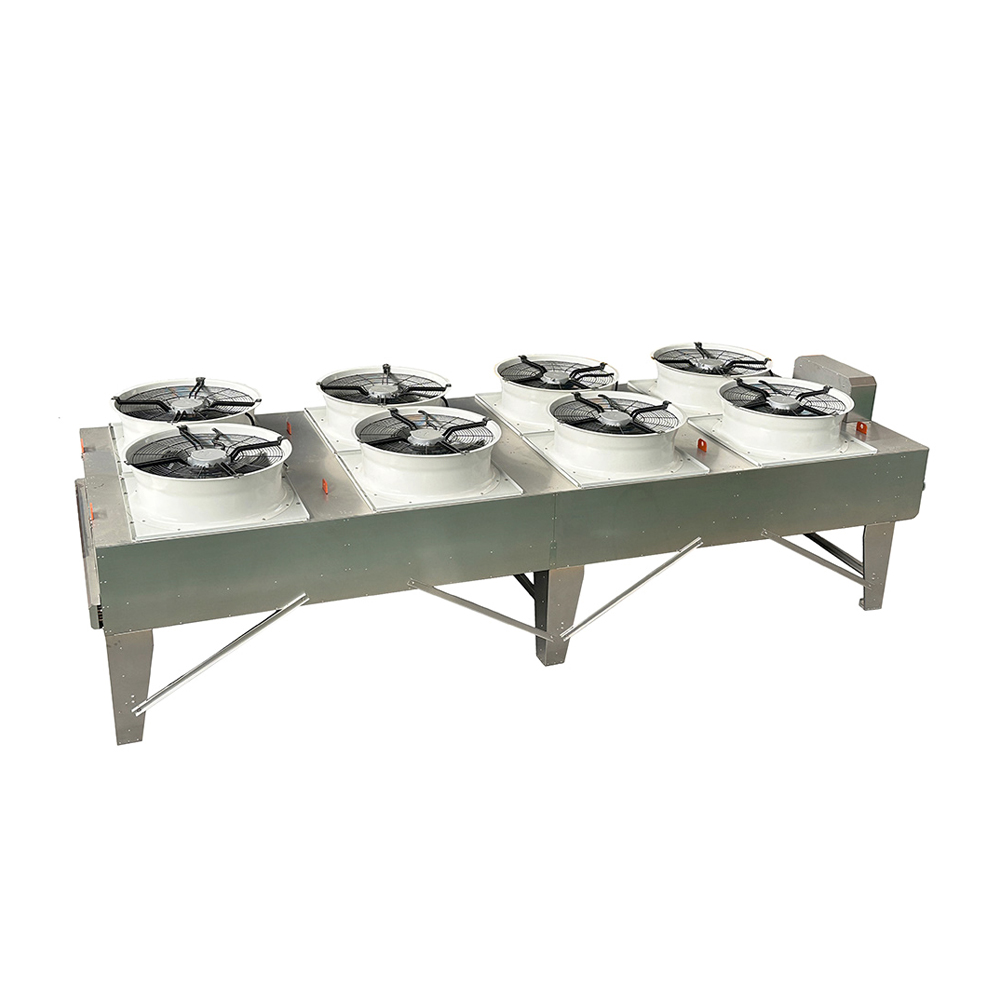
The Integration Challenge and Partial Load Genius
Where dry coolers truly prove their sustainability mettle is in hybrid or free-cooling modes. This isn’t theoretical. Modern controls can seamlessly switch between mechanical cooling and using the dry cooler for free cooling when the ambient wet-bulb or dry-bulb temperature drops below a certain point. The energy savings are staggering. But the integration is tricky—the control logic, the valve sequencing, preventing short-cycling.
We learned this the hard way on an early installation. The dry cooler was sized correctly, but the controls were too simplistic, causing the system to rapidly oscillate between free cooling and mechanical mode during shoulder seasons, wearing out compressors. Not sustainable. The fix involved more sophisticated, staged control based on enthalpy and a longer time delay. Now, seeing a system from a manufacturer that builds those smarts in from the start, like some of the modular systems SHENGLIN offers for IT and industrial cooling, makes all the difference. It’s pre-engineered sustainability.
The beauty is in the partial load operation, which is where systems run 90% of the time. A dry cooler with EC fans or well-managed VFDs can reduce fan speed dramatically when the load or ambient temp drops. The power draw of a fan is proportional to the cube of the speed. So a fan at 50% speed uses roughly 1/8th the power. This part-load efficiency curve is where you claw back any efficiency disadvantage it might have at peak design conditions. You have to look at the annual energy consumption, not the nameplate rating.
Material and Longevity Considerations
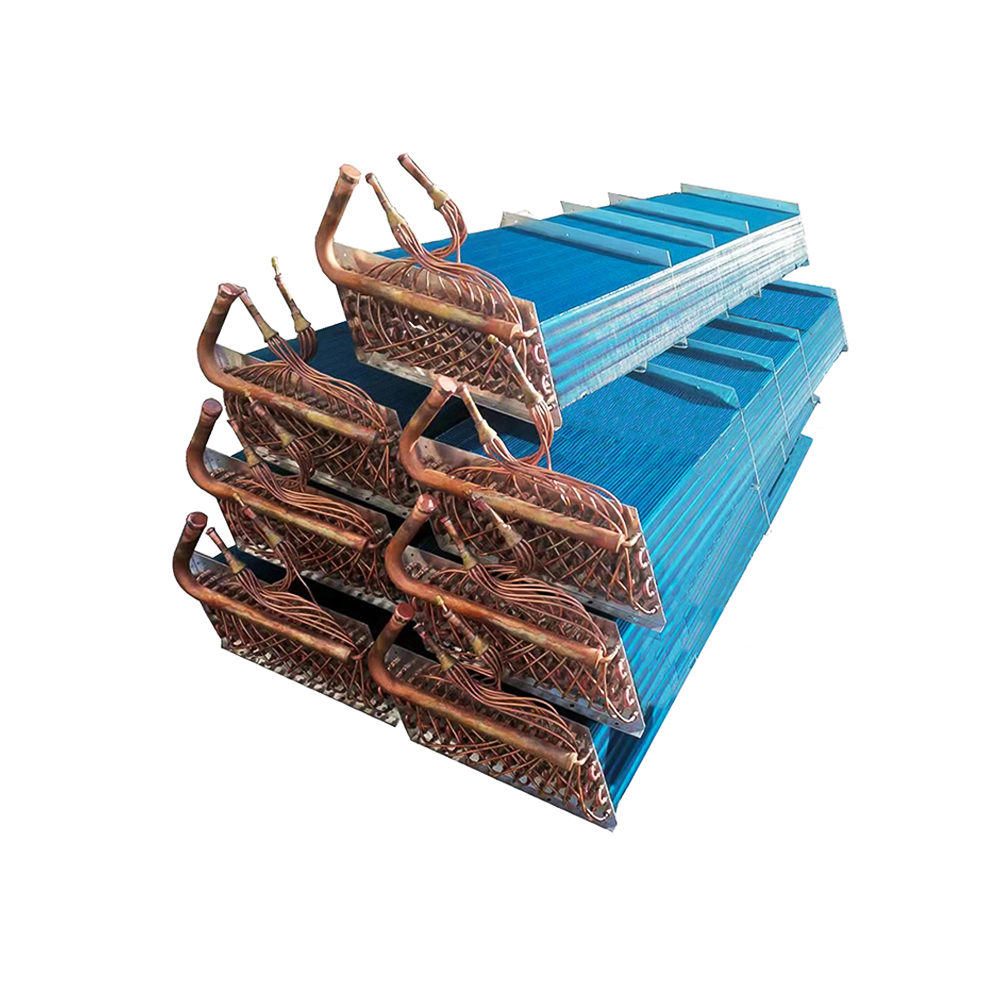
Sustainability also means durability. A dry cooler with a galvanized steel casing and copper-aluminum fins might have a higher embodied carbon than a simple steel frame. But if it lasts 25 years with minimal maintenance versus 15 with frequent coil cleanings and part replacements, the lifecycle assessment favors the robust build. Corrosion is the enemy. In coastal areas, we specify coated coils or specific aluminum alloys, even if the first cost is higher. It prevents premature failure and replacement—the least sustainable outcome.
There’s also the end-of-life factor. Dry coolers are largely metallic and highly recyclable. You can strip out the motors, fans, and metal for recycling fairly cleanly. Compare that to dealing with the sludge, chemical contamination, and composite materials in a worn-out cooling tower. The disposal footprint is smaller. We work with clients on their ESG reporting, and this recyclability is a tangible point they can document.
I think of a plant upgrade we did a few years back. The old cooling tower basin was corroded, filled with scale and biological growth. Decommissioning it was an environmental remediation project in itself. The new dry cooler installation was cleaner, with a concrete pad and simple electrical connections. Five years on, it’s still operating at near-original capacity with just seasonal air-side cleaning. The operational sustainability—reduced downtime, no water treatment labor, predictable performance—has been a huge benefit they didn’t fully anticipate at the purchase.
Beyond the Box: System-Level Thinking
Ultimately, a dry cooler doesn’t operate in a vacuum. Its sustainability contribution is maximized when it’s part of a holistic system design. This means right-sizing (avoiding the massive oversizing I still see too often), integrating with building management systems for smart staging, and even considering future climate scenarios in the design ambient temperature.
Sometimes, the most sustainable solution is a hybrid wet-dry system. Use the dry cooler for most of the year and a supplemental adiabatic pre-cooling or misting system for the 50 hottest hours of the year. This avoids the constant water use of a full evaporative system but gains back the efficiency when it’s desperately needed. It’s a pragmatic compromise that shows an understanding of real-world conditions, not just textbook ideals.
Looking at the offerings from a firm like SHENGLIN, you see this system-level approach. They’re not just selling a cooler; their expertise as a leading manufacturer in the cooling industry involves helping design the loop, the controls, and the integration points. That consultation is part of the value. The sustainable outcome is baked into the planning stage, not bolted on afterward. So, how does a dry cooler enhance sustainability? It’s a tool. Its impact is determined by the wisdom of its application, the quality of its build, and the intelligence of its operation. It’s a pathway to reduced water impact, refrigerant responsibility, and superior part-load efficiency—but only if you respect its limits and leverage its strengths.