You hear drycooler and think, right, no water, so it’s green. That’s the common pitch, but the real sustainability story isn’t just about turning off the tap. It’s about the messy, practical grind of energy, material, and system longevity where these units quietly shift the calculus.
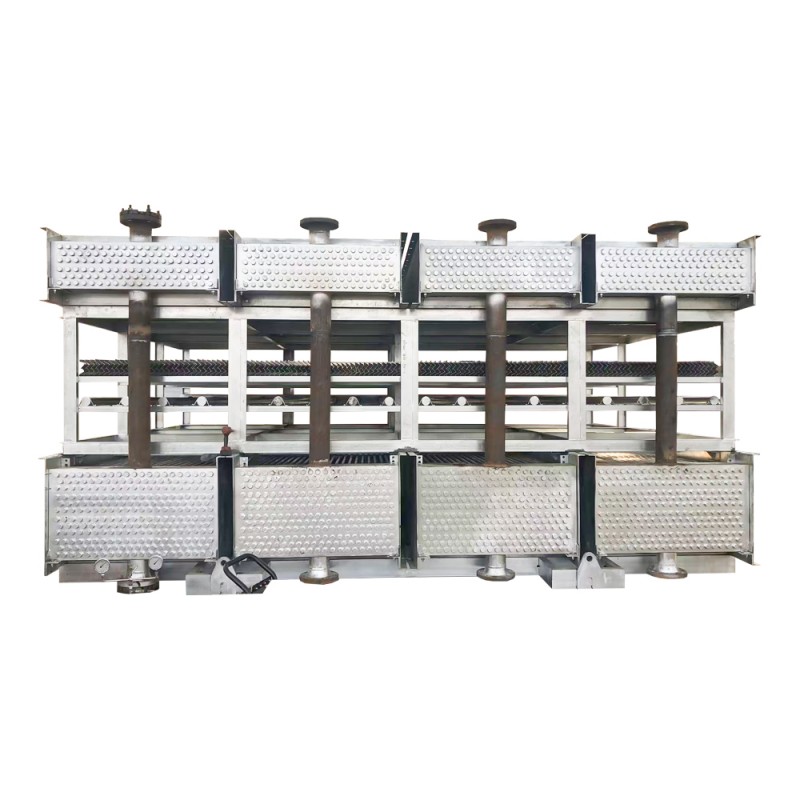
Beyond the Zero Water Hype
The obvious starting point is water conservation. In data centers or process cooling, evaporative systems can guzzle millions of gallons. Switching to a drycooler eliminates that withdrawal entirely. But here’s the nuance everyone glosses over: it’s not just about saving water in a drought zone. It’s about sidestepping the entire chemical treatment, blowdown disposal, and water infrastructure maintenance nightmare. I’ve seen plants where the real cost wasn’t the water bill, but the labor and chemicals to keep a cooling tower from scaling or legionella risks. A dry system just… avoids that. SHENGLIN, for instance, often has clients from the pharmaceutical sector where water quality consistency is a huge operational risk. Removing water from the cooling loop removes a major variable.
However, the knee-jerk reaction is to then complain about efficiency. Dry cooling is less efficient in summer, they say. True, on a pure thermodynamic level. But that’s where the professional judgment comes in. You design for the local climate profile, not the peak hour. In many temperate regions, a drycooler or a hybrid setup runs in dry mode for 80% of the year. You only engage adiabatic or evaporative assist for those few brutal weeks. That’s the sustainability win: optimizing for the annual load, not the worst-case scenario. I recall a project in Northern China where we over-specced the coil surface area slightly. The upfront cost was higher, but the client almost never triggers their adiabatic pads. Their energy penalty is negligible, and their water use is 95% below the old tower. That’s a real-world trade-off.
The failure mode here? Assuming one size fits all. We pushed a full dry system for a Gulf Coast facility once, based mostly on water restrictions. It was a struggle. The energy penalty was so high it nearly wiped out the water savings benefit when you looked at the full carbon footprint. We had to retrofit a hybrid system later. Lesson learned: sustainability isn’t a checkbox; it’s a balance of local resources.
The Energy Dance: Fans, Drives, and Control Logic
If you’re not thinking about the fans, you’re missing half the story. The sustainability of a drycooler lives and dies with part-load control. Old constant-speed fans are a crime. Modern EC fans or VFDs on AC motors are non-negotiable. But the magic is in the control logic. It’s not just about following ambient dry-bulb. You’re balancing fan energy against compressor energy in a chilled water system. A good controller will find that sweet spot, allowing the condenser water temperature to float up when possible, saving massive compressor kW.
I was on-site at a plastics plant using SHENGLIN’s units. Their BMS was primitive, just on/off staging. We worked with their team to implement a floating condensing temperature setpoint. The drop in compressor amps was visible on the meter within hours. That’s the hidden gem: a drycooler isn’t a standalone widget; it’s a player in the system. Its sustainability contribution is maximized only when it’s told to collaborate intelligently with the rest of the plant.
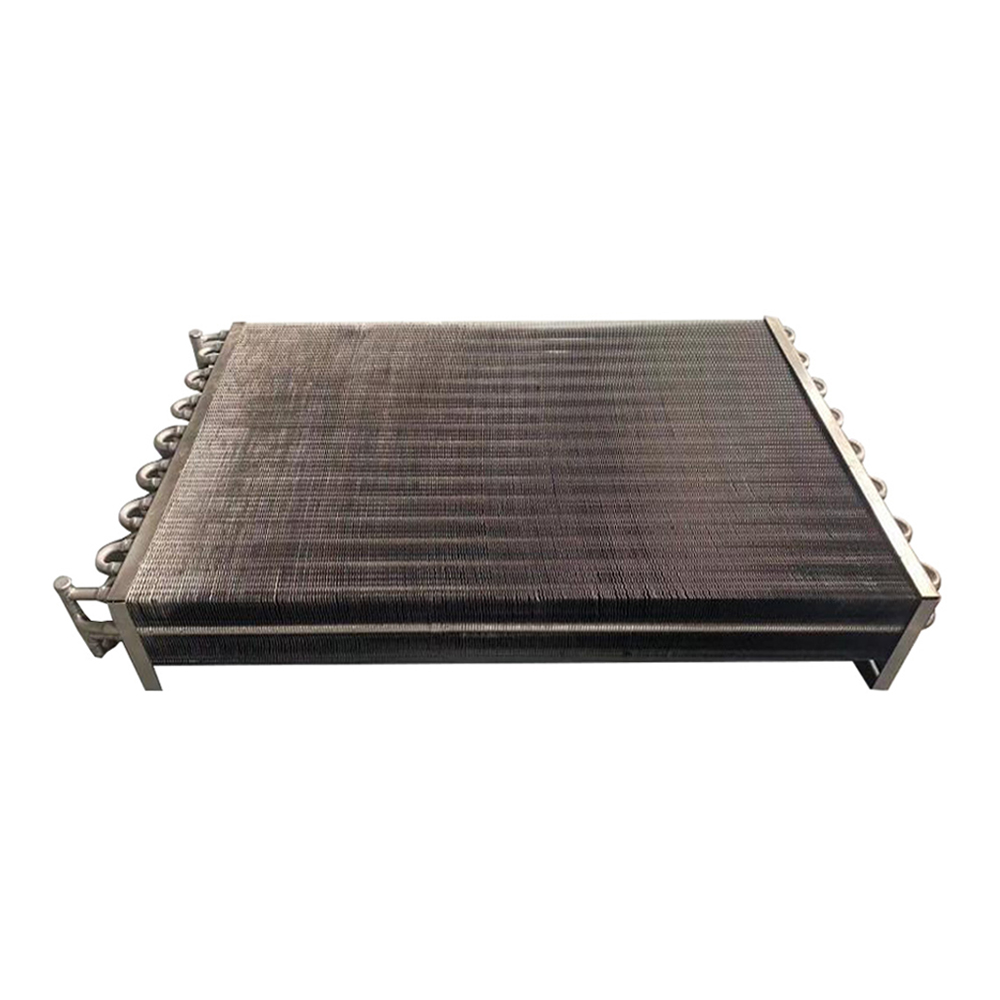
Then there’s the material. Aluminum fins, copper tubes. The industry is pushing for coated coils to fight corrosion and extend life. A unit that lasts 20 years instead of 15 is inherently more sustainable, even if the initial manufacturing footprint is slightly higher. We’re seeing more requests for lifecycle analysis, not just first-cost quotes.
The Refrigerant Factor: An Indirect but Critical Win
This is rarely the headline, but it’s massive. In many process cooling applications, you have a chiller using HFC refrigerants. By using a drycooler in a free-cooling or condenser relief arrangement, you drastically reduce the hours that chiller runs. Less runtime means less refrigerant charge circulating, lower leakage risk, and less wear on components that could fail and cause a blowdown. With global HFC phasedowns, this is a huge regulatory and environmental tailwind. It future-proofs the installation.
I think of a food cold storage facility we worked on. They ran ammonia chillers year-round. By integrating a drycooler loop for condenser cooling during winter, they could shut down one of their compressor racks entirely for months. The ammonia inventory at risk? Halved. Their insurance company loved it. Sustainability often aligns with risk mitigation.
Integration and the Whole System Mindset
The biggest mistake is bolting a drycooler onto a system designed for a cooling tower. The temperatures are different. The pressure drops are different. You need to resize pumps, maybe adjust pipework. If you don’t, you’ll burn those pump savings you hoped for. Real sustainability comes from the integration design. It’s the unsexy engineering work—the pump curves, the pipe sizing, the valve selection.
On shenglincoolers.com, you’ll see case studies, but what they don’t show is the months of back-and-forth with the engineering contractor to get the pump specs right. That’s where the battle is won. Shanghai SHENGLIN M&E Technology Co.,Ltd has a decent technical team that gets this; they don’t just sell a box, they ask for the P&ID. That’s the sign of a practical manufacturer.
Another integration point: heat recovery. A drycooler rejects heat, but that heat is dry and often at a useful temperature. We’ve piped the discharge air from bank of drycoolers into adjacent warehouses for winter space heating. It was a ductwork and control headache, but it turned a waste stream into an asset. That’s circular thinking.
The Verdict: It’s a Tool, Not a Silver Bullet
So, do drycoolers boost sustainability? Absolutely, but conditionally. They are a fantastic tool for reducing water dependency, simplifying maintenance, and enabling smart energy trade-offs. Their true potential is unlocked through thoughtful system design, intelligent controls, and a lifecycle perspective. They’re not the right answer for every climate or every application, as our Gulf Coast lesson taught us.
The industry chatter is finally moving past water vs. energy to total cost of ownership and carbon. In that conversation, the drycooler has a strong, growing voice. It’s a pragmatic step toward resilience. You’re not just cooling a process; you’re removing a resource constraint and building in operational flexibility. That, in the long run, might be the most sustainable benefit of all—the ability to adapt.
Final thought: the next frontier is data. Linking the drycooler’s performance data directly to sustainability reporting metrics—water saved, energy adjusted, carbon equivalent. That’s when the engineering becomes boardroom material. We’re not quite there yet, but the hooks are being built in.