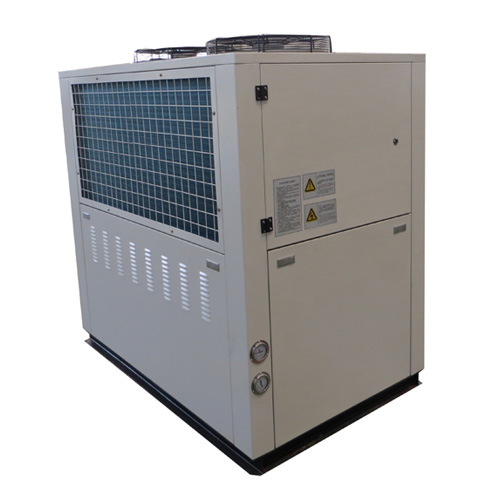
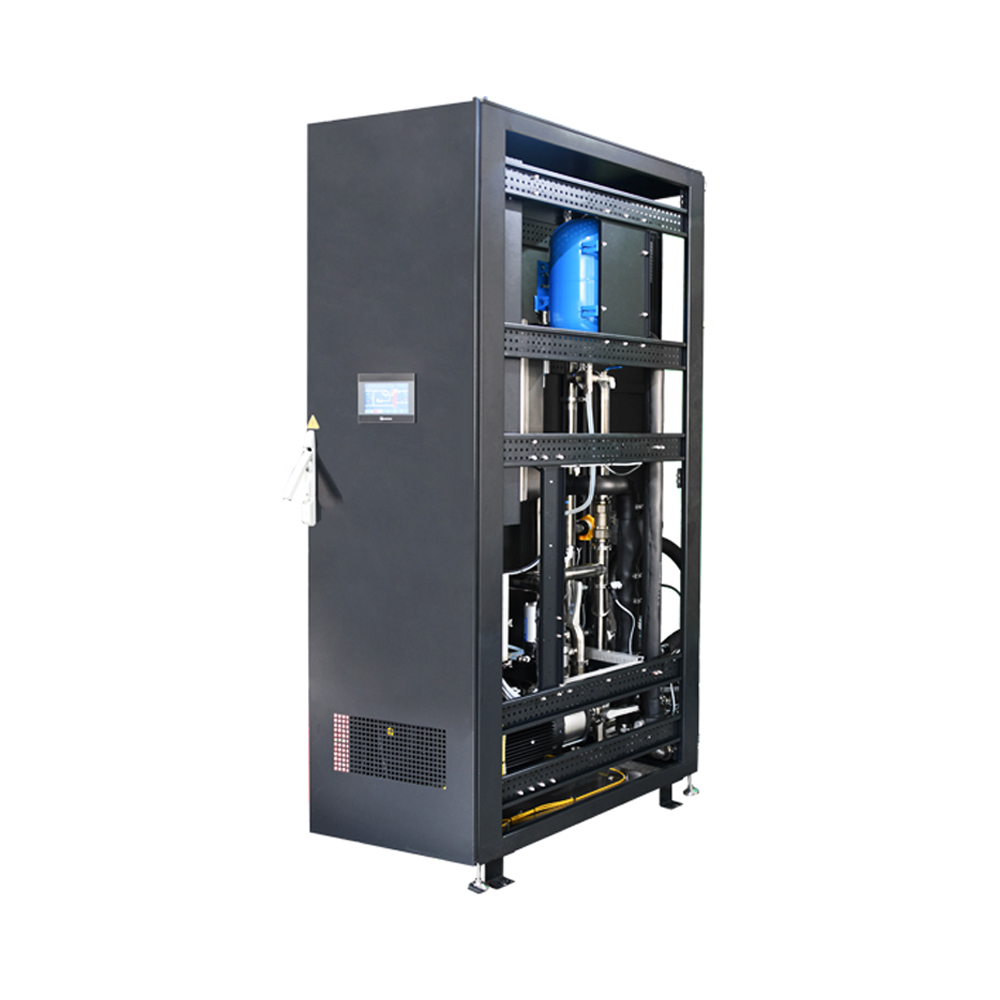
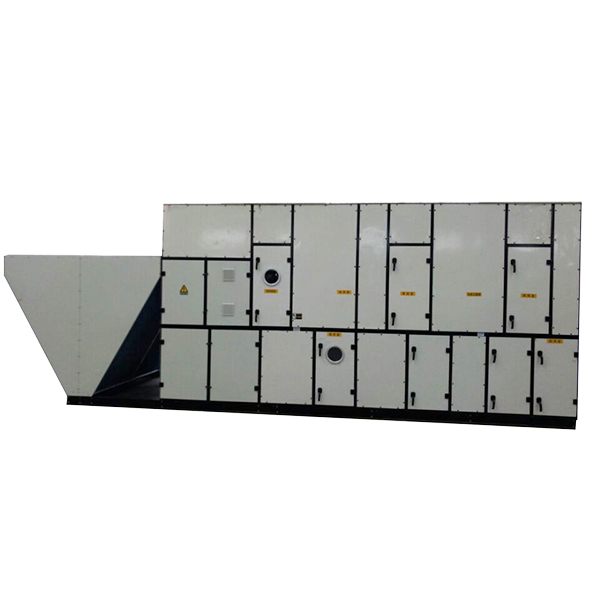
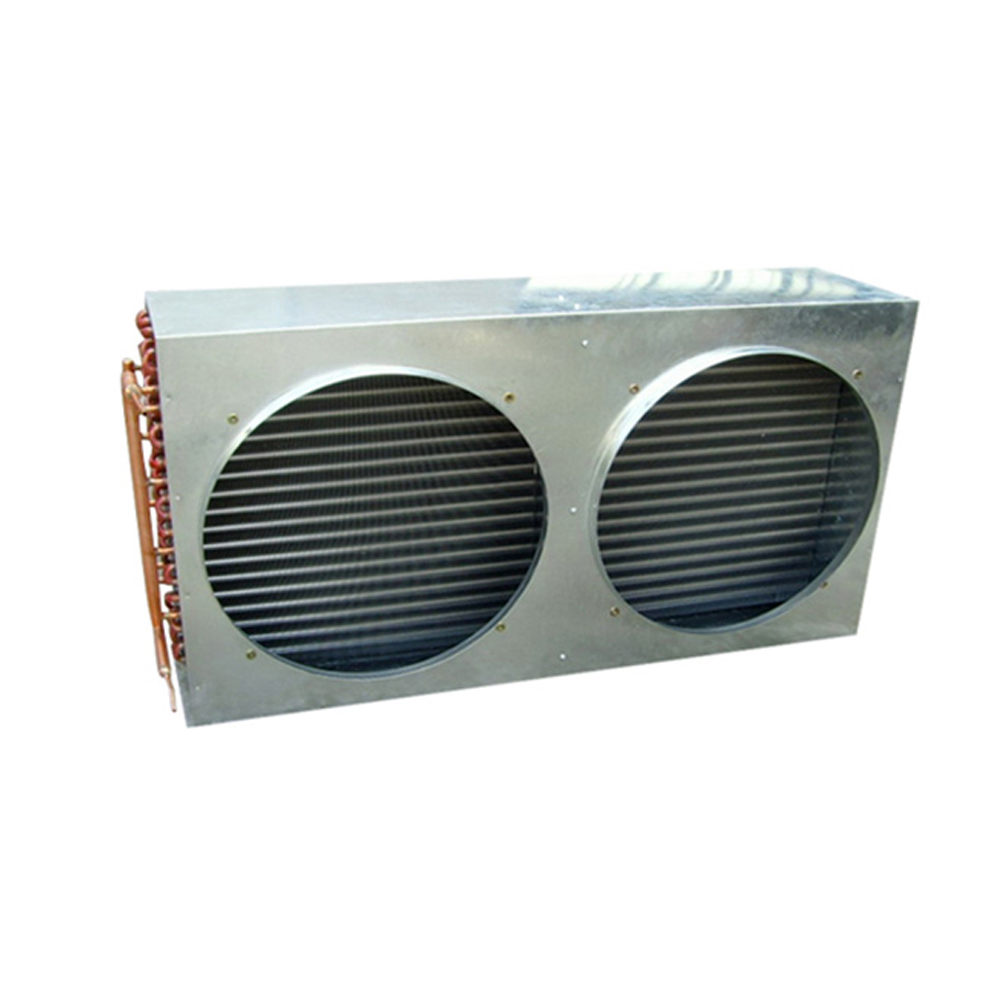
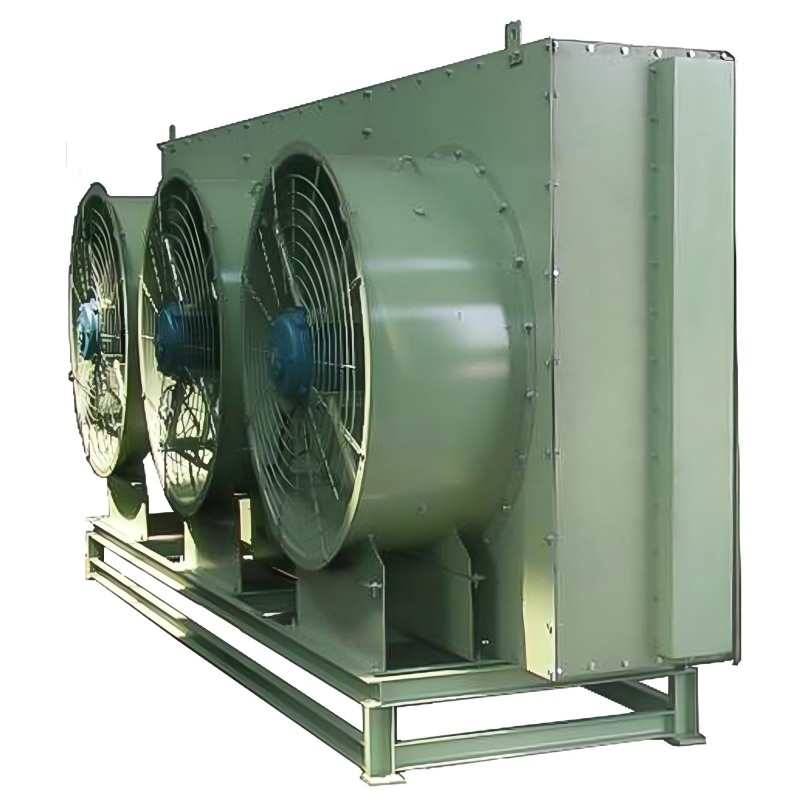
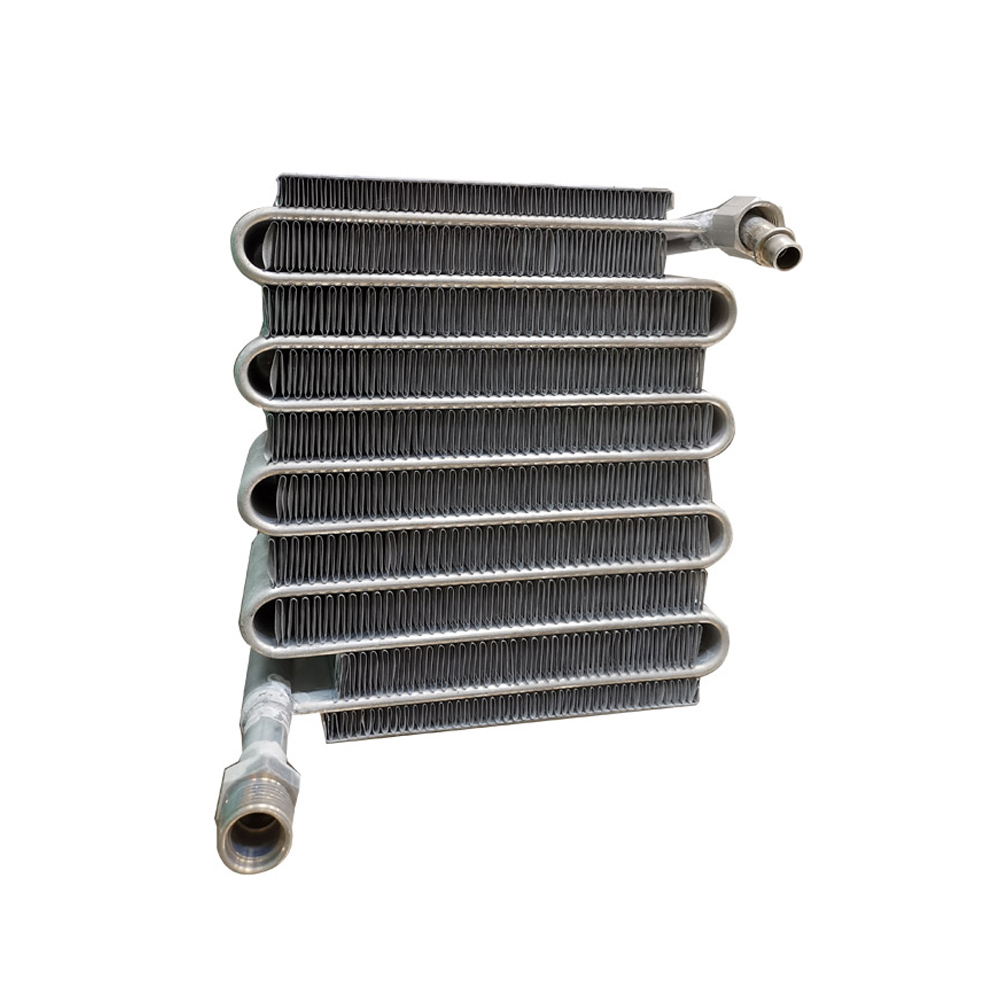
Air gas coolers, often overlooked in the broader arena of industrial machinery, play an outsized role in enhancing operational efficiency. These units, with their unassuming presence, can transform thermal dynamics and significantly improve industrial processes. Let’s delve into the surprises and subtleties of their function, and why they are indispensable for industries that rely heavily on efficient cooling systems, such as petrochemical, power generation, and manufacturing.
In industrial settings, thermal management is vital. Many believe cooling is just about temperature reduction, but it’s actually about precision. Air gas coolers are engineered to balance thermal loads efficiently, which not only maintains optimal operating conditions but also extends equipment lifespan. These coolers work by transferring heat from gases to the cooler air, thus reducing energy consumption and minimizing thermal stress on equipment.
When I first handled the installation of an air gas cooler at a power plant, it was an eye-opener. There was an immediate impact on energy consumption. The increased efficiency meant we could scale back on certain power loads, allowing the plant to operate more cost-effectively. The choice of the cooling medium, ambient temperatures, and even geographic considerations played significant roles in setup and performance.
Working with reputable manufacturers such as Shanghai SHENGLIN M&E Technology Co.,Ltd has often shown that the precision of these systems is where their beauty lies. Customization can achieve even the tightest operational benchmarks, which is crucial for plants with specific emissions targets. Their website, ShenglinCoolers.com, showcases a variety of innovative cooling solutions, reflective of industry-leading standards.
Overcoming Common Challenges
While air gas coolers are effective, they present unique challenges. One glaring issue is fouling—buildup inside the cooler that reduces efficiency. Regular maintenance is crucial, which some newcomers to the field might underestimate. It’s not uncommon to see neglect lead to a slow and steady drop in operational efficiency over time.
I recall a scenario where periodic checks were missed, leading to a cooler operating at 70% capacity. Performance audits revealed that debris and scale had severely hampered heat transfer. Implementing a strict maintenance schedule turned things around, illustrating that vigilance in upkeep cannot be overstated.
The choice of materials in manufacturing these coolers also has a bearing on performance. Corrosion resistance is a must, especially in environments with exposure to harsh chemicals or high humidity. In collaboration with companies like SHENGLIN, material innovations continue to push boundaries, promoting durability and longevity.
Integration with Existing Systems
Integrating an air gas cooler into pre-existing setups can be quite nuanced. It’s not just about adding a new piece to the system—it requires harmonizing with existing controls and processes. This often involves sophisticated modeling to predict how the cooler will interact with different parts of the industrial process.
From experience, one major misstep is underestimating the impact of pressure drops across the cooler. This affects overall system efficiency and can cause unforeseen downtimes. Forethought in the design phase, with input from seasoned engineers, is crucial to preempt these issues. Collaboration with manufacturers who offer tailored solutions can mitigate such risks effectively.
Furthermore, the digitalization of management systems has made real-time monitoring and integration smoother. Efficient data use allows predictive maintenance, minimizing unexpected failure. Watching a project transition smoothly from paper to practice, thanks to these integrations, remains one of the rewarding aspects of the job.
.png)
Future Developments in Cooling Technology
As industrial demands increase, the evolution of air gas coolers continues to progress. Eco-efficiency is a buzzword, as regulations and environmental concerns push for lower emissions and reduced energy use. In this respect, the development of more advanced heat exchange materials and smart technologies is vital.
I’ve witnessed breakthroughs in nanomaterials that significantly enhance heat transfer rates. These innovations can redefine efficiency benchmarks and facilitate more compact cooler designs, freeing up space and reducing weight in industrial settings.
Shanghai SHENGLIN’s innovations in this field are noteworthy and worth keeping an eye on for anyone involved with industrial cooling technologies. Their commitment to pushing technological boundaries ensures that clients can expect not only improvements in efficiency but also in sustainability and cost-effectiveness in their cooling processes.
The Bottom Line
Ultimately, air gas coolers are a pivotal component in optimizing industrial efficiency. Their design, installation, and maintenance require a nuanced approach—one that balances technical expertise with practical considerations. The lessons learned from real-world applications underscore the importance of selecting quality equipment and maintaining it with precision, ensuring that the benefits to industrial efficiency are fully realized. This continually evolving field holds promise for exciting advancements, keeping those of us in the industry on our toes, eager to see what’s next.
Whether it’s through increased focus on maintenance schedules or embracing cutting-edge materials and technologies, what’s clear is that air gas coolers are integral to modern industrial success. For those in the industry, understanding and leveraging these systems effectively can make a substantial difference, impacting both efficiency and the bottom line.