In the realm of industrial cooling, understanding the nuances of air cooled heat exchangers often spells the difference between optimal and subpar efficiency. Many assume these systems to be straightforward due to their seemingly simple design, but the devil is in the details. Let’s debunk common misconceptions, share hands-on insights, and explore how these systems truly bolster efficiency.
Understanding Air Cooled Heat Exchangers
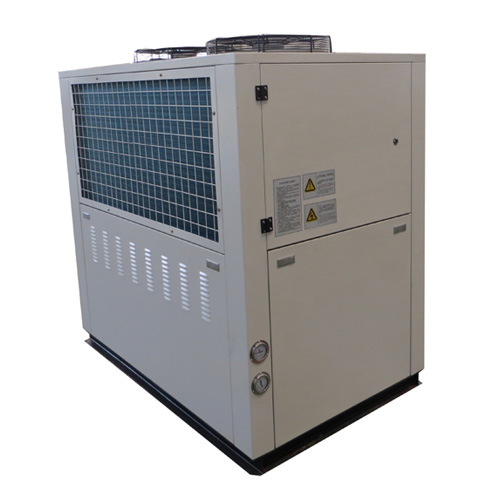
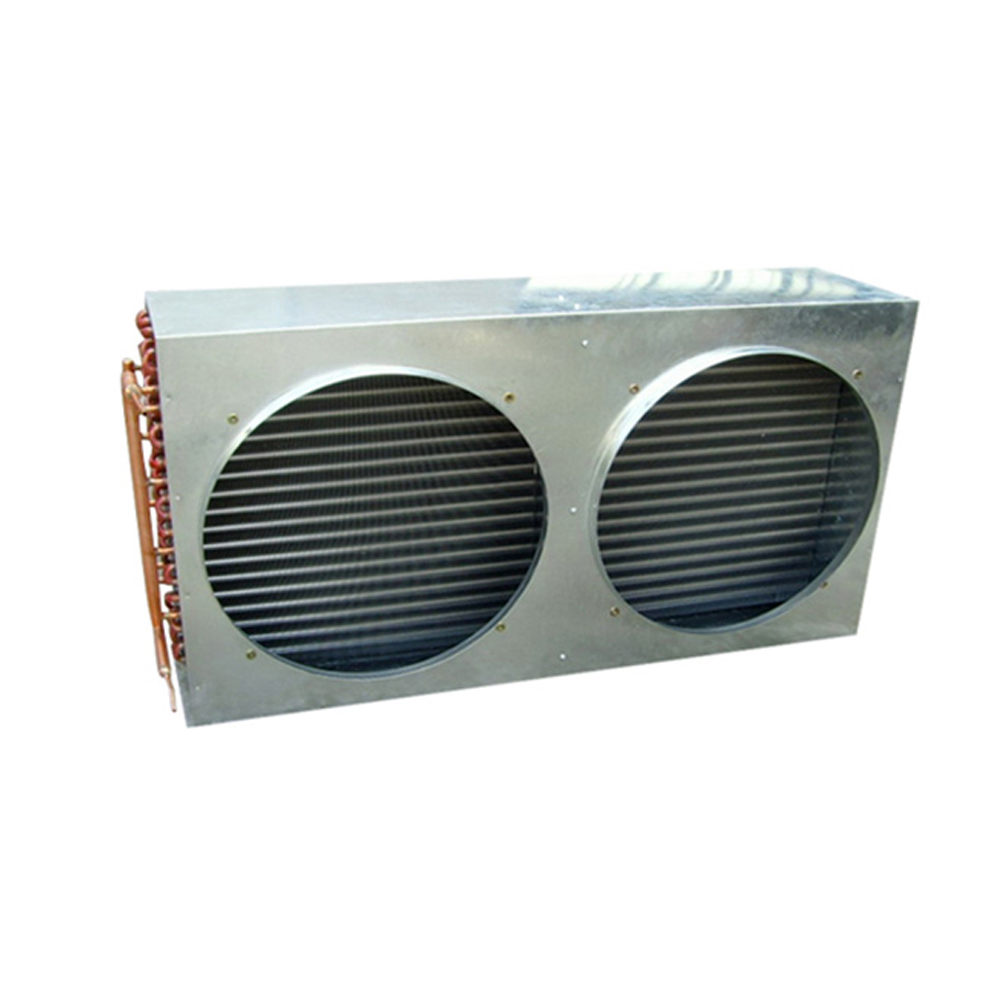
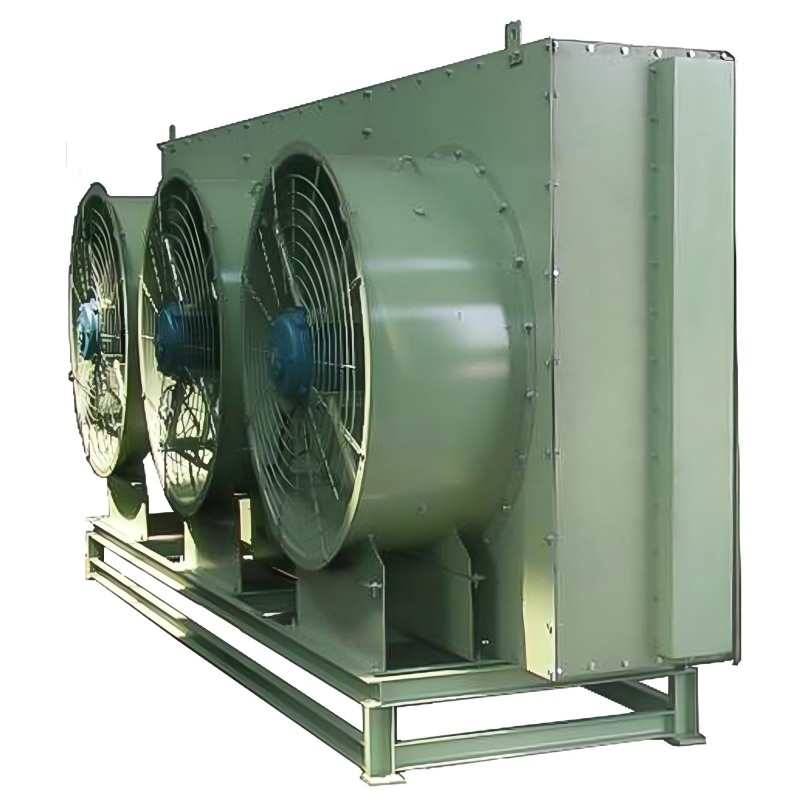
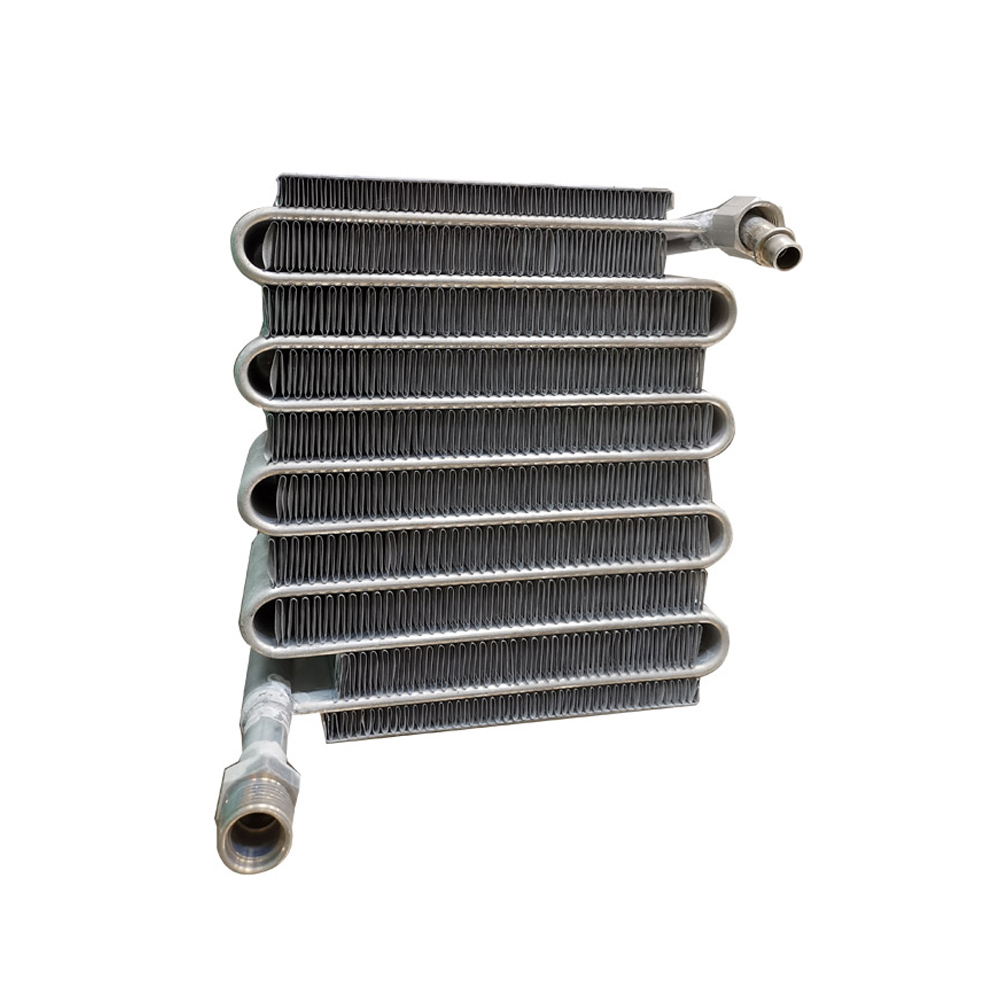
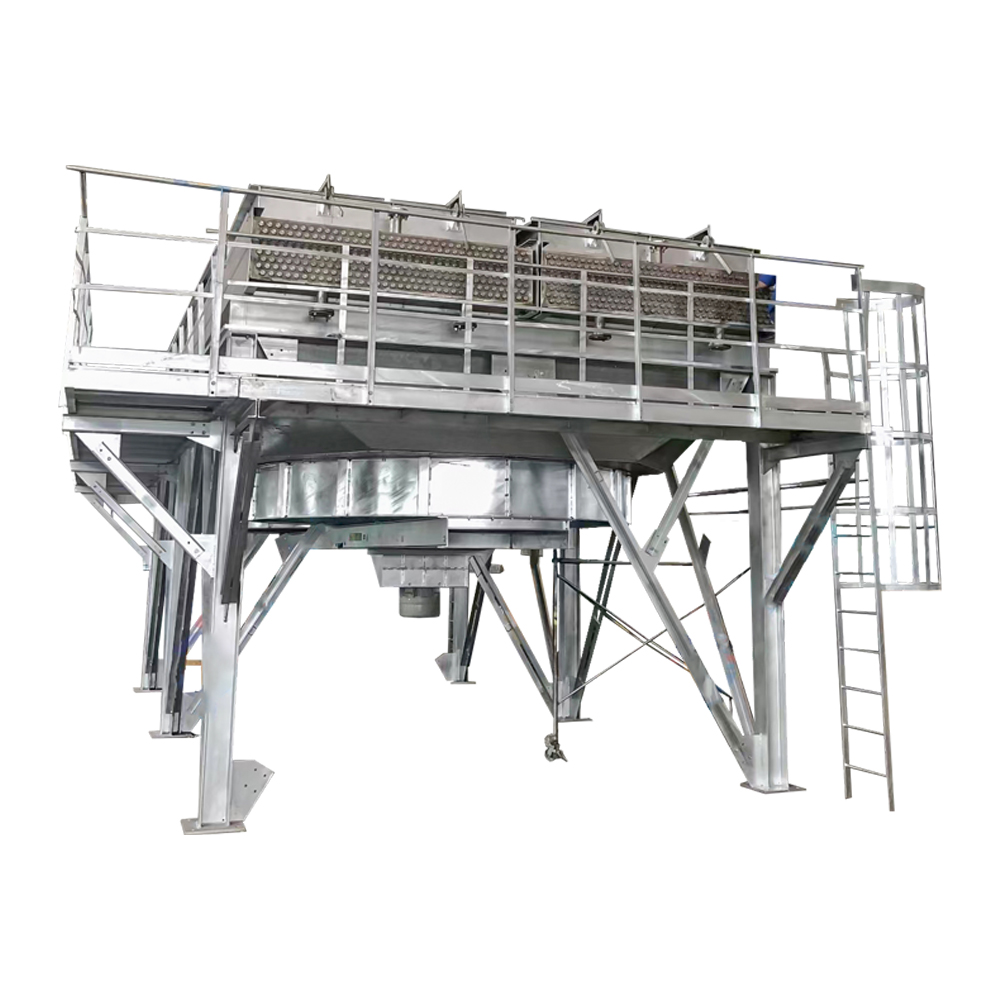
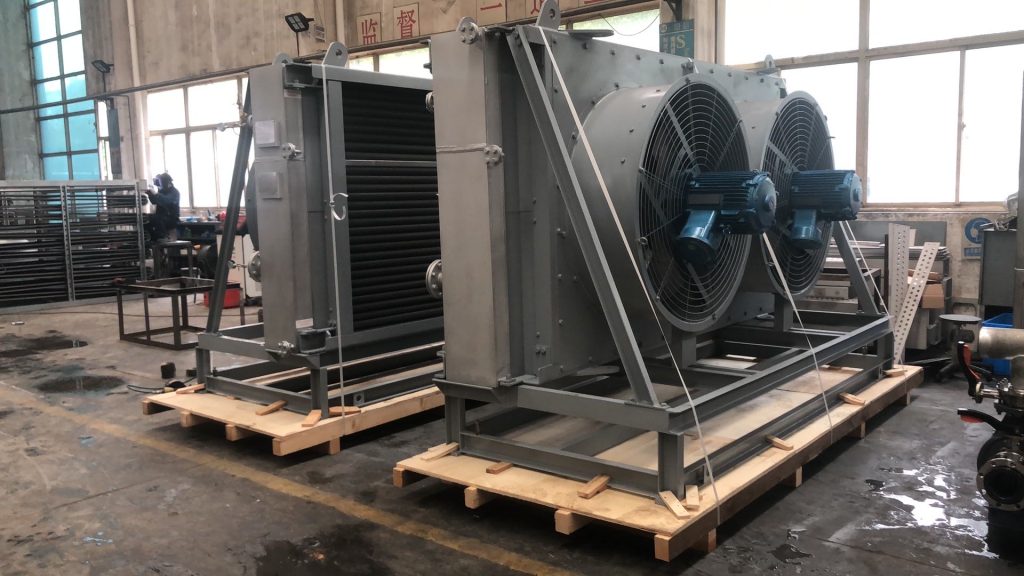
At first glance, air cooled heat exchangers may seem like nothing more than finned tubes exposed to the air. However, their role in industrial applications is profound. These devices dissipate heat without requiring water as a cooling medium, simplifying both installation and maintenance. But they aren’t just plug and play solutions. Each setup demands careful calibration—factors such as airflow direction, fan placement, and ambient temperature play crucial roles.
I’ve seen cases where facilities underestimate the impact of fan orientation. A slight misalignment can result in inefficient heat dissipation, leading to higher operating temperatures and potentially compromising sensitive equipment. It’s a small detail but often overlooked until issues arise.
Moreover, material choice can’t be ignored. Aluminum fins are popular for their lightweight and corrosion-resistant properties, but in environments with harsh chemicals, alternative materials might be warranted. Choosing the right combination can directly influence the lifetime and reliability of the heat exchanger.
The Role of Design in Efficiency
When we talk about design considerations, it’s not merely aesthetics or footprint. The arrangement of tubes, fin density, and even the choice between axial or radial fans play into the equation. A carefully engineered system minimizes energy consumption while maximizing thermal transfer. For instance, dense fin arrangements offer better heat dissipation but may increase airflow resistance.
During a project with Shanghai SHENGLIN M&E Technology Co.,Ltd, we emphasized customizing solutions for clients. By leveraging computational fluid dynamics (CFD), we could simulate various configurations, optimizing airflow and heat transfer before even stepping into the field. This not only reduced trial and error but also allowed us to tailor systems extremely accurately.
Adopting such meticulous design considerations results in measurable efficiency gains, often translating into significant energy savings over time. A well-tuned system reduces the strain on auxiliary equipment, ensuring longevity and reliability.
Field Observations and Adjustments
Moving beyond theoretical discussions, real-world performance is where these exchangers prove their worth. I recall an installation where despite meticulous planning, ambient environmental changes affected efficiency significantly. Seasonal variations and unexpected dust accumulation necessitated an adaptive maintenance strategy.
Frequent inspections and cleanings became part of the routine to ensure the exchangers functioned at their best. Upgrading to automated monitoring systems allowed for real-time data collection, identifying issues before they escalated into problems.
This brings us to an important point: no matter how perfect a design might seem, field conditions always introduce variables that require flexibility and foresight from operators.
Challenges and Solutions
Despite their advantages, air cooled heat exchangers are not without challenges. Limited by ambient air conditions, their efficiency can drop in high-temperature environments. To compensate, some facilities incorporate hybrid systems, combining air and water-cooling techniques.
Hybrid systems, though initially more costly, offer a versatile approach to managing variable conditions. The transition between cooling methods can be automated using advanced controls, optimizing energy usage based on current demands and environmental conditions.
It’s this adaptability that often persuades industries to invest in comprehensive solutions rather than sticking to traditional methods. With the right partner, such as SHENGLIN, exploring these innovations becomes an opportunity rather than a challenge.
The Future of Cooling Technologies
The evolution of industrial cooling technologies isn’t static. With increasing emphasis on sustainability and energy efficiency, the future holds exciting developments. We are seeing trends towards smart systems that use AI to predict and adapt to changing conditions, further pushing the boundaries of what’s possible.
Working with companies like SHENGLIN, which continually innovate and adapt to these trends, provides a competitive edge. Their expertise in precision engineering and ability to provide tailored solutions showcases the potential growth and diversification in the industry.
To conclude, while air cooled heat exchangers already significantly impact efficiency, continued advancements and adaptive strategies promise to enhance industrial cooling capabilities even further. It’s a field filled with both challenges and rewards for those willing to dive into the details.