Right, so you’re looking to squeeze more cooling out of that fin fan unit without just cranking up the motor. It’s not just about the spec sheet; it’s about how it runs in the dirt, the heat, and the real world. A lot of folks get hung up on the nameplate BTU rating and forget that efficiency dies a slow death from the day it’s commissioned if you don’t get the basics right. Let’s talk about what actually moves the needle.
The Foundation: Airflow is King, But It’s Fragile
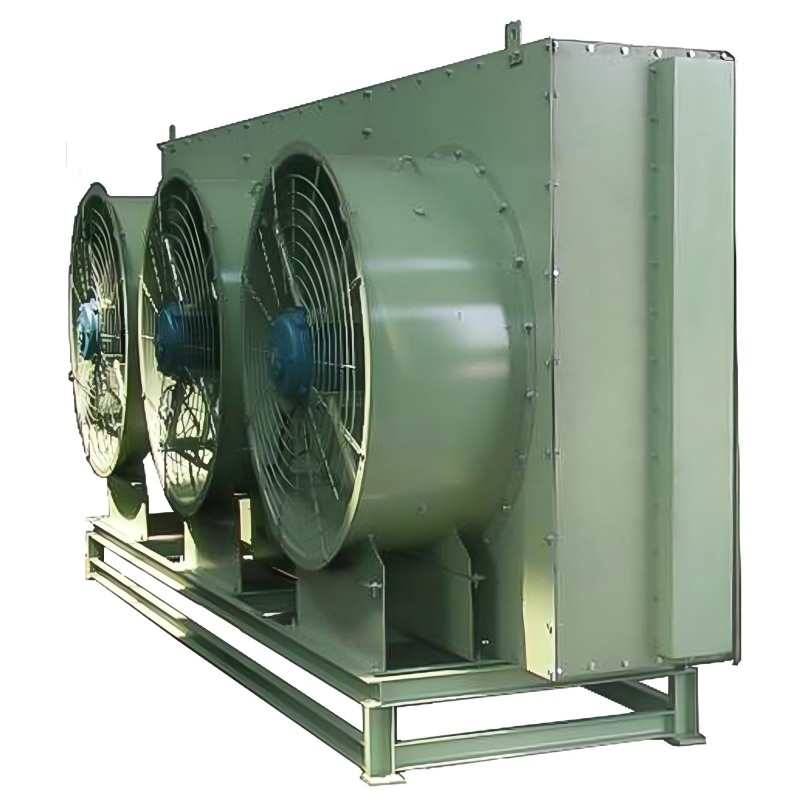
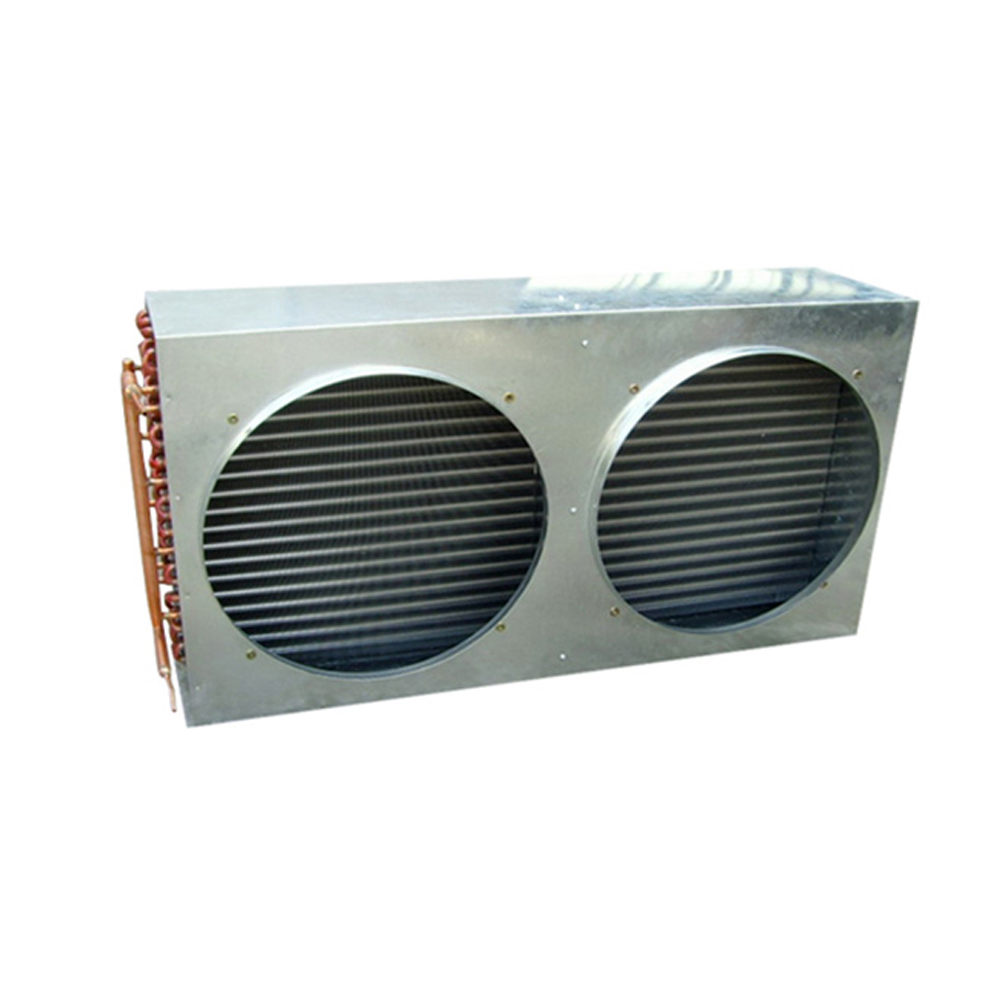
This seems obvious, but I’ve walked onto sites where the airflow across the fin bundles was maybe 60% of design. The first culprit is almost always the fan blades. Not the motor HP, the blades themselves. On axial fans, even a slight buildup of dust or grease on the blade airfoil profile murders efficiency. It changes the lift. You can have the motor drawing full amps but moving less air. A monthly visual check and a careful clean with a soft brush, not a pressure washer that can bend the tips, makes a tangible difference.
Then there’s the plenum and seal kits. The cheap, foam rubber seals they ship with often disintegrate in a year or two under oil mist and UV. You get air recirculation—hot discharge air sucking right back into the intake. I’ve measured intake air temps 15°F above ambient because of this. The fix isn’t glamorous: replace with silicone-based seals or dense closed-cell foam. Companies like Shanghai SHENGLIN M&E Technology Co.,Ltd often have these as spare parts, and it’s worth the downtime to fit them. SHENGLIN, as a manufacturer deep in industrial cooling, knows these operational pains and designs for easier access in their later models.
And static pressure. If someone added a debris screen or a mist eliminator pad downstream without accounting for it, the fan starts operating off its curve. It’s like driving with the parking brake on. A simple manometer reading across the unit can tell you this story. Sometimes, the solution is just cleaning that added filter, not re-engineering the fan.
Heat Transfer: It’s a Dirty Battle
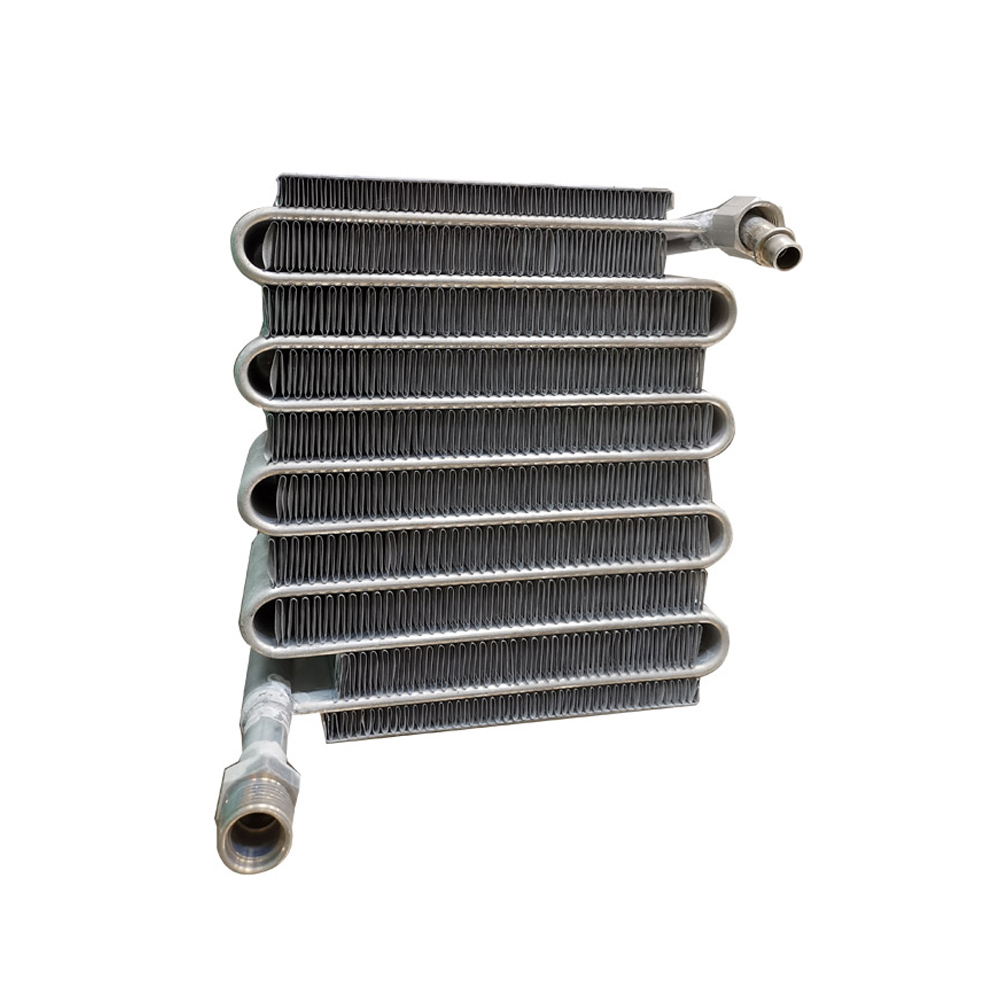
The fins. Aluminum fins are fantastic conductors until they’re insulated by a layer of dirt, pollen, or especially in industrial settings, oily film. This is where efficiency vanishes silently. Water spraying often just moves the dirt around. For an oily film, you need a degreaser. But here’s the catch: aggressive chemicals can corrode the fin coating or the tube-to-fin bond.
We learned this the hard way on a compressor aftercooler bank. Used an alkaline cleaner that was too strong. It got the fins sparkling clean but initiated pitting. Within two seasons, we had fin separation and a massive loss of thermal contact. The efficiency gain from cleaning was completely wiped out by the permanent damage. Now, we test cleaners on a small section first and always follow with a thorough, low-pressure rinse. Neutral pH, bio-based cleaners are often safer bets.
The pattern of fouling matters, too. If you see a V-shaped dirt pattern on the bundle, it points to uneven airflow, often from a damaged fan blade or inlet guide vane. Cleaning is a temporary fix; you need to correct the airflow issue.
The Water Side: Don’t Ignore the Liquid
For evaporative or closed-loop coolers, water treatment is non-negotiable. Scale on the internal tube walls is an insulator. I’ve seen calcium deposits thick enough to drop the overall heat transfer coefficient by 40%. Blowdown cycles and chemical treatment seem like a cost, but they’re protecting your capital equipment and your energy bill.
More subtly, the water flow rate. Running too high a flow for the heat load can actually reduce efficiency. The water doesn’t get enough residence time in the tubes to pick up the heat. It’s wasteful. We instrumented a bank of coolers for a plastic extrusion line and found we could throttle back the circulation pumps by 20% during cooler ambient periods with zero impact on process temperature. The pump power savings alone were significant.
Also, check those spray nozzles in evaporative sections. They clog. A single clogged nozzle creates a dry spot on the fill, and that hot spot does no cooling. It just heats up the air. A quarterly nozzle inspection and a vinegar soak for mineral deposits keeps the water distribution even.
Control Logic: The Brain Matters
Many of these units run on dumb thermostats. They cycle fans on/off or worse, cycle pumps. This causes thermal cycling and wear. The real efficiency gain comes from variable control. VFDs on fans allow them to slow down under low ambient conditions, following the load. The power draw of a fan is proportional to the cube of the speed. Reduce speed by 20%, and you nearly halve the power consumption.
But implementing VFDs isn’t just plug-and-play. You have to watch out for fan resonance at certain speeds and ensure the motor is rated for inverter duty. We retrofitted VFDs on a bank of 12 coolers at a chemical plant. The energy savings paid back in 14 months, but we spent a week with a vibration analyzer finding and programming out the problematic speed bands for each unit.
Another control pitfall: using ambient air temperature alone to stage fans. If your unit is recirculating air (see the first point about seals!), your ambient sensor is lying to you. The control system needs a true process fluid temperature (like oil or glycol outlet temp) as the primary control variable.
System Thinking: The Cooler Doesn’t Work Alone
Finally, the biggest gains sometimes come from outside the cooler itself. Is the hot fluid line to the cooler insulated? I’ve seen 10°F heat loss in long pipe runs before the fluid even reaches the cooler. You’re asking the unit to reject heat that’s already been lost to the machine room.
Or the system volume. An oversized fluid reservoir can act as a thermal buffer, smoothing out load spikes and allowing the cooler to run at a steadier, more efficient point, rather than constantly cycling. It’s a balance, of course—too large and you have a huge thermal mass to heat up or cool down initially.
Look, no single tip is a magic bullet. It’s the combination. A perfectly clean fin bundle is let down by a poor seal. A VFD-controlled fan is wasted if the tubes are scaled. It’s a system. Start with the simple, physical checks—airflow, cleanliness, seals. Then move to the controls and the larger system context. The efficiency is there to be found, but it requires looking at the unit not as a black box, but as a mechanical system sitting in a specific, often harsh, environment. That’s where the real savings live.